Can I Transfer My Car Loan to My Business?
You cannot directly transfer a personal car loan to your business — your business must refinance the loan in its name using its EIN, which requires lender approval and often a personal guarantee. Retitling the vehicle without refinancing can trigger the loan’s due-on-sale clause, letting the lender demand full repayment immediately. This guide covers the three real ways to move a car loan to your business, the step-by-step refinancing process, and the tax and liability tradeoffs to weigh first.
Quick Answer
No — you can’t literally transfer an existing personal car loan to your business. In practice you have three options: refinance the loan under your business’s EIN (most common), have your business buy the car from you with a bill of sale, or (rarely) get the lender’s approval for a loan assumption. Skipping lender approval and just retitling the car risks triggering the loan’s due-on-sale clause.
Why Consider Transferring Your Car Loan to Your Business?
Using your personal vehicle for business purposes is incredibly common. Whether you’re a consultant, a salesperson, a contractor, or run a delivery service, your car is likely an essential tool for your livelihood. When the loan for that vital vehicle is in your personal name, it can create a few headaches. Moving the car loan to your business — in practice, refinancing it under the business — can be a smart move for several good reasons.
Tax Benefits
One of the biggest draws for business owners is the potential for tax advantages. When a car loan is officially a business expense, the interest paid on that loan can often be deducted. This can lower your overall taxable income. Additionally, other car-related expenses become easier to track and deduct. Making the car a business asset can open doors to claiming mileage, maintenance, insurance, and depreciation as business write-offs, potentially saving you a significant amount of money come tax season.
Simplified Record-Keeping
Juggling personal and business finances separately is crucial for accurate accounting and tax preparation. If your car is both your personal ride and your business workhorse, having a personal loan for it can muddy the waters. By moving the loan to your business, you clearly designate the vehicle as a business asset. This makes it much easier to track all expenses related to the car, from loan payments to fuel and repairs, all under one business umbrella. This clarity is a lifesaver when it comes time to file your taxes or present your business’s financial health.
Improved Business Credit
Taking out loans in your business’s name and managing them responsibly is a fantastic way to build your company’s credit history. A strong business credit score can be invaluable for securing future financing, such as loans for equipment, expansion, or even other vehicles. By refinancing the car loan under your business, you’re establishing a positive payment history for your business, which can pave the way for greater financial opportunities down the road.
Potential for Better Interest Rates (Sometimes)
While not always the case, depending on your business’s financial standing and your personal credit before the refinance, your business might qualify for more favorable interest rates. Lenders often assess business loans differently than personal ones, considering factors like your business’s revenue, cash flow, and overall financial stability. If your business is doing well, you might be able to refinance your car loan at a lower rate than you originally secured personally.
The 3 Real Ways to Move a Car Loan to Your Business
Despite the common phrase “transfer a car loan,” lenders don’t actually move an existing loan from your name to your business’s name. Instead, one of these three things happens.
1. Refinance the Loan Under Your Business’s EIN (Most Common)
Your business applies for a brand-new auto loan using its Employer Identification Number (EIN), and the new lender pays off your personal loan directly. According to NerdWallet, business auto loan rates typically run roughly 4% to 14% at banks and credit unions, most lenders want the business established for 6 to 24 months, and most still require a personal guarantee unless you qualify with a lender that specifically offers loans in the business’s name only.
2. Have Your Business Buy the Car From You
If refinancing isn’t realistic yet, your business can simply buy the vehicle from you directly. You (or the business) pay off your personal loan, sign a bill of sale at fair market value, and retitle the car in the business’s name. Selling it to your own business for a token amount instead of real market value can get treated as a disguised distribution by the IRS, so use an honest appraisal — not a $1 sale.
3. Loan Assumption (Rare)
A small number of lenders allow a formal loan assumption, where your business takes over your exact existing loan terms without a brand-new application. This is uncommon for auto loans — most lenders would rather underwrite a new loan than let a different borrower assume an old one, so don’t plan around this option being available to you.
📊 Retitling a financed vehicle without lender approval can trigger the loan’s due-on-sale clause — a provision letting the lender demand the full remaining balance immediately once the vehicle changes hands. Source: Cornell Law School Legal Information Institute, 2026
| Path | How It Works | Lender Involved? | Best For |
|---|---|---|---|
| Refinance under EIN | New business loan pays off the personal loan | Yes — full approval | Businesses with 6+ months of history and revenue |
| Business buys the car | Bill of sale at fair market value, then retitle | Only if a loan still needs paying off | Owners who already paid off (or are paying off) the personal loan |
| Loan assumption | Business takes over the exact existing loan | Yes, if the lender allows it (rare) | Almost no one — few lenders offer this for auto loans |
Whichever path you choose, keep mileage and business-use records from day one — both lenders and the IRS want to see them, and they’re much easier to reconstruct in real time than after the fact.
Best Mileage Log Pick

Adams Vehicle Mileage and Expense Journal
A glove-box-sized logbook built specifically to document business mileage and vehicle expenses for tax and lender purposes.
- Best for: Proving business-use percentage before you refinance
- Why we picked it: Includes year-start/year-end odometer pages and receipt pockets lenders and accountants both accept
- Main drawback: Manual entry — easy to forget a trip if you don’t log it same-day
Compare more business documentation options
 Option 1 Benbengo OBD Plug-In GPS Tracker
|
 Option 2 High Road Glove Box Document Organizer
|
 Option 3 Sooez 13-Pocket Accordion File Organizer
|
As an Amazon Associate we earn from qualifying purchases.
Is Transferring Your Car Loan to Your Business Always Possible?
While the idea of moving your car loan to your business is appealing, it’s important to understand that it’s not a guaranteed process. Several factors come into play, and lenders have specific criteria you’ll need to meet. As covered above, it’s more accurately described as refinancing the loan in your business’s name than a direct transfer.
Here’s what typically needs to happen:
- Lender Approval is Key: The most critical step is getting approval from a lender. You can’t just move a loan from one entity to another without going through a formal application process.
- Business Structure Matters: The type of business you have (sole proprietorship, LLC, S-corp, etc.) will influence how the loan is handled. Some structures might make the process simpler than others.
- Vehicle Usage Requirements: Lenders will want to ensure the vehicle is primarily used for business purposes. If the car is mostly for personal use, they may not approve the refinance.
- Your Business’s Financial Health: Your business will need to demonstrate its ability to repay the loan. This means showing strong financials, a healthy cash flow, and good credit history for the business itself.
How to Refinance Your Car Loan Into Your Business’s Name (Step-by-Step)
Ready to make the move? Here’s a breakdown of the refinancing process, designed to be easy to follow.
Step 1: Assess Your Eligibility and Business Needs
Before you talk to any lenders, take a good look at your situation.
- Business Use Percentage: Honestly evaluate how much you use the car for business. Most lenders require a significant majority of usage (often 50% or more) to be for business purposes. Keep records of your mileage if you haven’t already.
- Business Financials: Gather your business’s financial statements. This includes profit and loss statements, balance sheets, and bank statements. You’ll need to show you have the capacity to manage this new debt.
- Business Credit Score: If your business has been operating for a while, check its credit score. A good score will significantly help your application. If your business is new, you might be relying more on your personal credit, depending on the lender and business structure.
- Personal vs. Business Loan: Understand the difference. A personal loan is tied to your individual credit. A business loan is tied to your business’s credit and financial health.
Step 2: Gather Necessary Documentation
Lenders will need proof of your business’s legitimacy and financial standing, including its EIN. Be prepared with:
- Business Legal Documents: Articles of Incorporation, Operating Agreement, Partnership Agreement, or Sole Proprietorship registration, plus your EIN confirmation letter.
- Business Financial Records: Recent tax returns (business and personal), bank statements (business and personal), profit and loss statements, and balance sheets.
- Vehicle Information: Details about the car, including its make, model, year, VIN, and your current loan payoff amount. You’ll also need proof of ownership or title.
- Proof of Business Use: Mileage logs, invoices, or receipts that demonstrate how the vehicle is used for business.

Step 3: Research Lenders and Loan Options
You’ll need to find a lender that offers business auto loans. Don’t just go with the first one you find.
- Banks and Credit Unions: Your existing business bank or a local credit union might be good places to start. They often have established relationships with local businesses.
- Online Business Lenders: Many online platforms specialize in business loans, including auto loans for vehicles. These can sometimes offer faster approvals and more flexible terms.
- Specialized Auto Lenders: Some lenders focus specifically on auto financing for businesses.
- Compare Rates and Terms: Look at the Annual Percentage Rate (APR), loan term, fees, and any prepayment penalties. A lower APR and reasonable fees will save you money in the long run.
- Remember, This Is a Refinance: If your business gets approved, the new lender is essentially paying off your personal loan with the new business loan — not moving the old one.
Step 4: Apply for the Business Auto Loan
Once you’ve chosen a lender and have all your documents in order, it’s time to apply.
- Complete the Application: Fill out the lender’s application form accurately and completely. Be prepared to provide detailed information about your business, its finances, and yourself as the owner.
- Submit Documentation: Upload or submit all the required documents. Double-check that everything is clear and legible.
- Professionalism Counts: Present your business in the best possible light. A well-organized application and clear financial records make a strong impression.
Step 5: Underwriting and Approval Process
The lender will now review your application and documentation.
- Credit Checks: They will check your business credit score and potentially your personal credit score, especially if you have a newer business or are required to personally guarantee the loan.
- Financial Review: They’ll scrutinize your financial statements to assess your business’s repayment ability.
- Vehicle Valuation: The lender may also appraise the vehicle to confirm its value and ensure it aligns with the loan amount. You can get an idea of your car’s value through resources like Kelley Blue Book (KBB) or NADA Guides.
- Loan Offer: If approved, you’ll receive a loan offer detailing the terms and conditions. Review this offer carefully.
Step 6: Finalize the New Loan and Pay Off the Old One
If you accept the loan offer, it’s time to close the deal.
- Sign Loan Documents: You’ll sign the paperwork for the new business auto loan.
- Lender Pays Off Original Loan: The new lender will typically disburse the funds directly to your old lender to pay off your personal car loan in full.
- Update Title and Registration: Depending on your state and the lender’s requirements, you’ll need to retitle the vehicle and update its registration to reflect the new lienholder (the business lender). This is the step that makes the vehicle officially a business asset with proper security for the new loan.
Step 7: Adjust Your Business Accounting
With the refinance complete, make sure your accounting reflects the change.
- Record New Loan Payments: Ensure that all future loan payments are recorded as business expenses.
- Track Deductible Interest: Keep track of the interest paid on the new business loan, as this is likely tax-deductible.
- Consult Your Accountant: It’s always a good idea to discuss these changes with your accountant to ensure you’re maximizing tax benefits and complying with all regulations.
Key Considerations and Potential Pitfalls
While moving a car loan to your business can offer many benefits, it’s not without its challenges. Being aware of these can help you navigate the process smoothly.
Personal Guarantee
Many lenders, especially for newer or smaller businesses, will require a personal guarantee. This means that if the business defaults on the loan, you are personally responsible for repaying it. This is a common practice and doesn’t negate the benefits of the loan being a business expense.
Credit Score Impact
Applying for a new loan will involve a hard credit inquiry, which can temporarily lower your credit score. This is a standard part of any loan application process. If your business is relatively new and you haven’t established business credit, the lender might heavily rely on your personal credit history, impacting it directly.
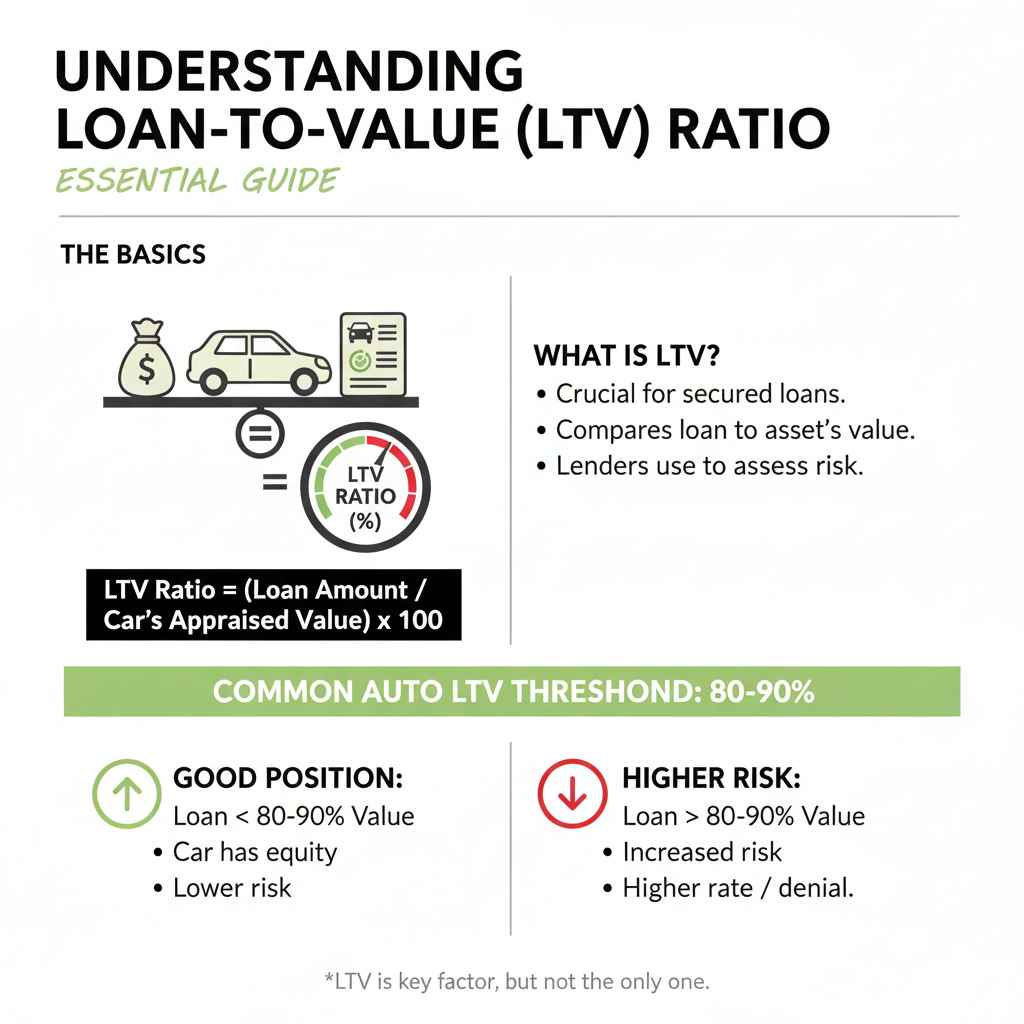
LTV Ratio (Loan-to-Value)
Lenders will assess the car’s current value against the loan amount. If you owe more on the loan than the car is worth (being “upside down”), it might be harder to get approved or you may need to bring cash to the table to bridge the gap. An online appraisal tool can give you a quick estimate of where you stand before you apply.
Increased Business Debt
Adding a car loan increases your business’s overall debt load. Ensure that your business can comfortably handle the monthly payments without straining its cash flow. Lenders will look at your debt-to-income ratio for the business.
Insurance Needs
Once the loan is refinanced under the business, you may need to adjust your auto insurance policy. You might need commercial auto insurance or a commercial rider on your existing policy, as business use often carries different risks than personal use. The Small Business Administration publishes general guidance on business insurance if you want to research this further before you apply.
Impact on Personal Credit
If the loan is fully refinanced and paid off by the business, it will be removed from your personal credit report as a liability. However, if you provide a personal guarantee, the loan might still appear on your personal credit report as a contingent liability.
Tools and Resources to Help You
Navigating this process might seem daunting, but there are resources available to assist you.
Business Financial Software
Software like QuickBooks, Xero, or Wave can help you organize your business’s financial records. This makes it easier to generate the profit and loss statements and balance sheets lenders will require. Proper bookkeeping is vital for demonstrating financial health.
Credit Monitoring Services
Services that allow you to monitor your business credit score can be very helpful. Many also offer alerts for significant changes or new inquiries on your business credit report.
Accountant or Financial Advisor
A good accountant or financial advisor can offer invaluable advice on structuring your finances, understanding tax implications, and preparing for loan applications. They can help you present your business’s financial picture in the best possible light.
Online Loan Calculators
Before applying, use online loan calculators to estimate monthly payments based on different loan amounts, interest rates, and terms. This helps you understand the financial commitment and compare offers from various lenders.
Understanding Loan-to-Value (LTV) Ratio
The Loan-to-Value (LTV) ratio is a crucial metric lenders use when considering any loan secured by an asset, like your car. It compares the amount of the loan to the appraised value of the asset itself.
A common LTV threshold for auto loans is around 80-90%. This means the lender is typically willing to finance up to 80-90% of the car’s value.
- If your Loan Balance is LESS than 80-90% of the Car’s Value: You’re in a good position. The car has enough equity to secure the loan comfortably.
- If your Loan Balance is MORE than 80-90% of the Car’s Value: You might be considered a higher risk. The lender might require a larger down payment, a higher interest rate, or deny the loan altogether.
- If you owe MORE than the car is worth (Negative Equity): You will almost certainly need to pay the difference between the loan payoff amount and the car’s value in cash to complete the refinance into a business loan.
Understanding your car’s current market value is therefore essential. You can get estimates from reputable sources:
| Source | Website/Type of Resource | What They Offer |
|---|---|---|
| Kelley Blue Book | kbb.com | Used car values, trade-in values, private party sale values |
| Edmunds | edmunds.com | Car appraisals, estimated market value |
| NADA Guides | nadaguides.com/Cars | Wholesale and retail values for vehicles |
Having this information handy will help you gauge your eligibility before approaching lenders.
Common Misconceptions About Business Auto Loans
It’s easy to get caught up in what seems like a simple process, but there are some common myths that can cause confusion. Clearing these up ensures you’re making informed decisions.
- Myth 1: It’s Just a Paperwork Shuffle. Many people think you can just fill out a form and the loan is transferred. In reality, it’s a full loan refinancing process requiring credit checks, financial reviews, and lender approval.
- Myth 2: My Personal Loan Automatically Becomes a Business Expense. Unless you go through the official refinancing process, your personal loan payments are not automatically deductible for your business.
- Myth 3: All Business Loans Require a Perfect Business Credit Score. While a strong business credit score helps, many lenders will also consider your personal credit history, especially for small businesses. Some lenders even specialize in working with businesses that have limited credit history.
- Myth 4: I Can’t Transfer the Loan if the Car is Older. Age and mileage can affect the car’s value, but many lenders will finance business auto loans for older vehicles, provided the LTV ratio is favorable and the business can afford the payments.
Tax and Liability: Does It Matter If Your Business or You Own the Car?
Whether the car sits on your personal or business books changes how you deduct it and who’s on the hook if something goes wrong. This section covers the general rules — not personalized tax advice for your specific situation.
Mileage Deduction vs. Actual Expenses
If you keep the vehicle in your own name and use the standard mileage method, the 2026 IRS business rate is 72.5 cents per mile from January 1 through June 30, rising to 76 cents per mile from July 1 through December 31 under IRS Announcement IR-2026-29 — the first mid-year adjustment since 2022, driven by rising fuel costs. Once you choose the standard mileage rate for a vehicle you own, you generally have to stick with that method for that vehicle going forward.
📊 2026 IRS business mileage rate: 72.5¢/mile (Jan 1 – Jun 30, 2026), rising to 76¢/mile (Jul 1 – Dec 31, 2026) per Announcement IR-2026-29. A business-owned vehicle used for business purposes can instead qualify for Section 179 depreciation — up to $32,000 in the first year for a heavy SUV or truck (6,001–14,000 lbs GVWR), per Section179.org, 2026. Source: IRS.gov, Standard Mileage Rates
Section 179 Only Applies to Business-Owned Vehicles
Section 179 depreciation — which lets you deduct a large chunk of a vehicle’s cost in the year you buy it — is only available when the business itself owns the vehicle, not when you personally own it and simply log business mileage. Business use must be more than 50% in the year the vehicle is placed in service, and the deduction amount depends heavily on the vehicle’s weight class, so this is genuinely a case-by-case calculation.
Liability Protection Isn’t Automatic
Putting the car in your LLC’s name doesn’t automatically wall you off from a lawsuit if you personally guaranteed the loan or you’re the one driving when an accident happens — courts can still disregard an LLC’s liability shield if you didn’t maintain proper separation between personal and business finances. This is exactly the kind of judgment call a CPA or business attorney should weigh in on before you refinance, not something to decide from a blog post.
“If the business truly owns the car, then it should be titled in the business’s name.”
Frequently Asked Questions (FAQ)
Can I transfer my car loan to my business if I’m a sole proprietor?
Yes, sole proprietors can often refinance their car loan under their business. In this structure, your personal and business finances are closely linked, so the lender will typically assess both your personal creditworthiness and your business’s income from the vehicle’s use. Making the loan a business expense helps clearly separate your business finances for tax purposes.
What if my car is used by both myself and employees for business?
If your car is used by you and other employees for business, this actually strengthens the case for it being a business vehicle. You’ll need to clearly document the business usage by all parties, which usually means detailed mileage logs for everyone using the car for work-related activities.
How much of the car’s value can a business loan cover?
This depends on the lender and involves the Loan-to-Value (LTV) ratio. Generally, lenders will finance up to 80-90% of the car’s current market value, so you may need to bring cash to the table if you owe more than that.
Is transferring a car loan to my business the same as refinancing it?
In almost every real-world case, yes. Lenders don’t move an existing loan from your name to your business’s name — your business applies for a new loan, gets approved, and that new loan pays off your old one. The word “transfer” is really shorthand for this refinancing process.
What happens if I retitle the car to my business without refinancing the loan first?
You risk triggering the loan’s due-on-sale clause, which lets the original lender demand full repayment of the remaining balance immediately once the title changes hands. Always get your lender’s written approval, or refinance the loan under your business, before you retitle the vehicle.
Can my business just buy the car from me instead of refinancing the loan?
Yes — your business can buy the vehicle from you directly with a bill of sale at fair market value, using KBB or a similar appraisal as documentation. You’d still need to pay off your existing personal loan as part of that sale, and selling for less than fair market value can create tax complications, so involve your accountant.
Moving a car loan to your business almost always means refinancing it under your business’s EIN, not a simple name swap — and skipping that step risks the loan’s due-on-sale clause. Compare the refinance, buy-from-yourself, and (rare) assumption paths against your business’s credit and cash flow, then loop in a CPA before you sign anything, since the tax and liability rules shift the moment ownership does. For more financing guidance, browse our car loan guide for self-employed borrowers, our breakdown of writing off car lease payments for business, or our full financing and insurance library.
Products related to this article
Sponsored / affiliate links. As an Amazon Associate I earn from qualifying purchases. I may earn additional commission from eligible campaigns.