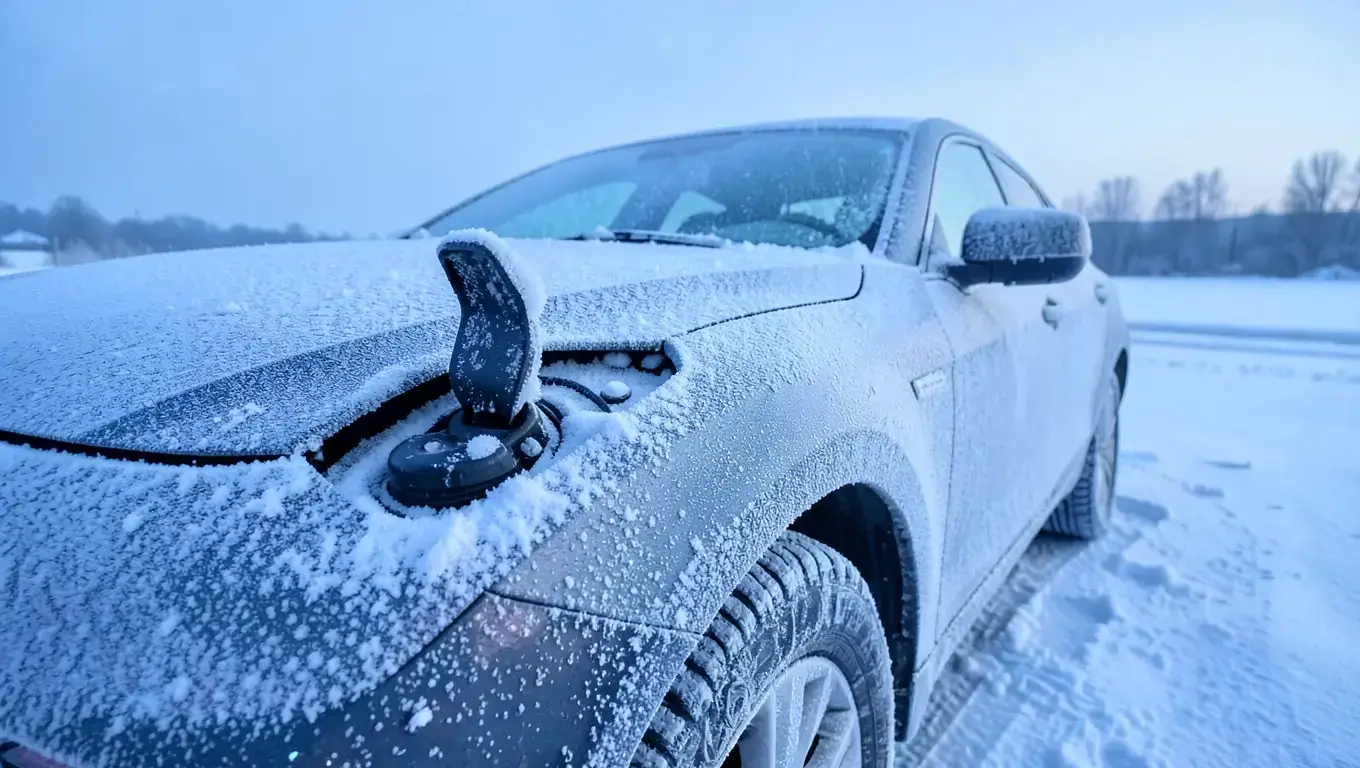
Can Gas Freeze in a Car? The Real Freezing Point Explained
No, gasoline does not freeze in a normal winter. A typical gas blend does not even start to thicken until around -40°F, and it will not fully solidify until temperatures drop somewhere between -60°F and -100°F, depending on the exact blend.
That is colder than almost anywhere on Earth’s surface ever gets, even in Fairbanks, Alaska or International Falls, Minnesota. So if your car struggled to start on a cold morning, gasoline itself almost certainly was not the cause. The real culprit in the vast majority of cold-weather no-starts is water that condensed inside the fuel tank and froze at a much more ordinary 32°F, or diesel fuel that gelled from wax crystals forming in the lines.
Below, we will walk through the actual freezing numbers for gasoline and diesel, explain why water in the fuel system is the real winter threat, and cover exactly how to keep your fuel system trouble-free once temperatures drop.
Does Gasoline Actually Freeze in a Car?
Gasoline is not one single chemical, so it does not have one clean freezing point the way water does. It is a blend of dozens of different hydrocarbons, each with its own freezing temperature. Octane, for example, freezes around -70°F. Heptane freezes near -130°F. Hexane freezes somewhere between -137°F and -141°F. Blended together with additives, ethanol, and detergents, the mixture as a whole starts to thicken and get syrupy around -40°F and generally needs to reach roughly -60°F to -100°F before it stops flowing entirely, according to AutoZone’s technical guidance on the subject.
Those numbers matter because almost no inhabited place on Earth reaches them outdoors. Even the coldest recorded temperatures in the continental United States, in places like International Falls or the interior of Alaska, rarely drop below -50°F or -60°F, and only for short stretches. So in practical terms, the gasoline sitting in your tank right now is not at meaningful risk of freezing solid, no matter how brutal your winter gets.
Why the Old “-100°F” Number Gets Repeated
You will see “-100°F” cited as gasoline’s freezing point across a lot of car sites, and it is not wrong, exactly, but it is only half the story. -100°F is closer to the point where gasoline is fully solid. Long before that, around -40°F, the fuel has already thickened enough to flow poorly through a fuel line or filter, which is where cold-weather driveability problems can start creeping in even though nothing has technically “frozen” yet.
Winter Fuel-Line Insurance
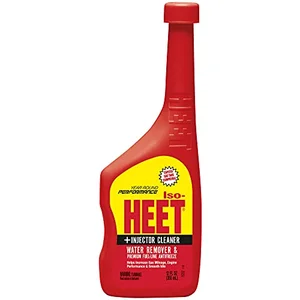 |
HEET Iso-HEET Water Remover & Gas Line Antifreeze, 12 oz – $3.34 Since water in the tank, not gasoline itself, is what actually freezes and blocks fuel lines, an isopropyl-based additive like this absorbs that water so it burns off harmlessly instead of icing up.
|
The Real Cold-Weather Fuel Problem: Water, Not Gas
Here is the number that actually matters for winter driving: water freezes at 32°F. Every gas tank picks up small amounts of water over time, mostly from humidity in the air that condenses on the inside walls of a tank that is not completely full. Ethanol-blended gasoline, which is nearly all pump gas sold in the US today, also absorbs a bit of atmospheric moisture on its own.
Because water and gasoline do not mix, that condensed water settles to the bottom of the tank, right where the fuel pickup sits. On a cold night, that pooled water can freeze into a small plug of ice sitting directly over the fuel pickup tube, fuel filter, or a low point in the fuel line. The engine cranks fine because the battery and starter are unaffected, but no fuel reaches the cylinders, or only a trickle does, so the car struggles to start or sputters and stalls once it is running.
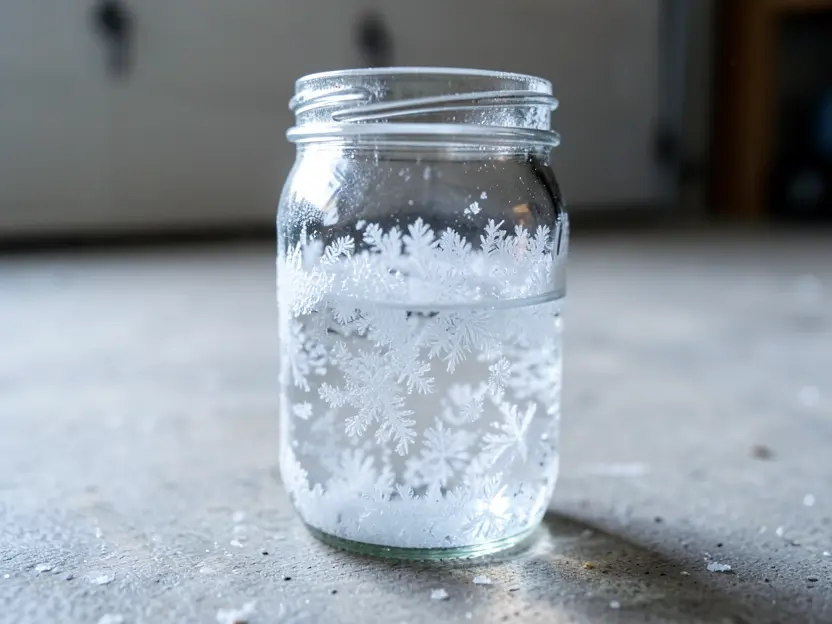
This is exactly why running a tank down close to empty in winter is a bad habit. A fuller tank leaves less empty air space for humidity to condense inside, so less water accumulates in the first place. It is a simple, free fix for the problem that actually causes most “my gas froze” complaints.
Diesel Freezes Differently: Cloud Point, CFPP, and Pour Point
Diesel fuel is the one place where “gas freezing” complaints are actually accurate, because diesel behaves very differently from gasoline in the cold. Diesel contains naturally occurring paraffin waxes. As temperatures drop, those waxes start to crystallize well above freezing, long before the fuel itself would ever be described as frozen solid. Fuel suppliers and mechanics track this process in three distinct stages.
| Stage | Typical Temperature | What Happens |
|---|---|---|
| Cloud Point | About 32°F, up to 40°F for some blends | Wax crystals begin forming and the fuel turns visibly cloudy, though it still flows normally |
| Cold Filter Plugging Point (CFPP) | Roughly 3-5°F below the cloud point | Wax crystals clump together enough to clog the fuel filter, causing power loss or stalling |
| Pour Point | As low as -20°F or colder for treated #1/winter-blend diesel | The fuel gels into a near-solid state and stops flowing through the system entirely |
This is why diesel truck owners in cold climates take winter fuel seriously in a way gasoline drivers do not need to. Fuel suppliers blend a “winter diesel” (a mix of standard #2 diesel with lower-wax #1 diesel) to push the cloud point and pour point much lower, and many diesel owners add an anti-gel additive or run a block heater or fuel tank heater in genuinely extreme climates.
Winter Fuel Myths, Corrected
A few cold-weather myths tend to get repeated alongside the “gas freezes” claim, and most of them deserve a quick correction too.
- “Gasoline freezes solid in a normal winter.” As covered above, this is false outside of extreme sub-arctic conditions. What actually freezes is water that has condensed inside the tank or fuel line.
- “You need to idle the car for 10+ minutes before driving in the cold.” This was true for older carbureted engines but is not for anything with modern fuel injection. Most manufacturers recommend driving off gently after 30 seconds to a couple of minutes; the engine and cabin actually warm up faster while driving than while idling in the driveway, and long idling just burns fuel for no benefit.
- “Regular windshield washer fluid is fine no matter how cold it gets.” Standard summer-blend washer fluid can freeze on the glass anywhere below roughly 32°F, so it is worth switching to a fluid rated for at least -20°F once temperatures start dropping in your area.
How to Keep Your Fuel System From Freezing Up
Since water, not gasoline, is the real enemy, the fixes below are all aimed at keeping water out of your fuel system or getting rid of it before it can freeze.
- Keep the tank at least half full. This leaves less air space for condensation to form in the first place, and it is the single easiest habit to maintain all winter.
- Add a gas-line antifreeze once or twice a winter. These isopropyl or methanol-based additives (sold as “fuel dryers” or “gas-line antifreeze”) bind with any water already in the tank so it burns off through the engine harmlessly instead of settling and freezing.
- Let the winter-blend fuel do its job. Most gas stations in colder states automatically switch to a winter-formulated gasoline blend in the fall that resists cold-weather issues better than summer-blend fuel; you do not need to do anything extra for gasoline vehicles beyond buying fuel normally.
- Use winter or treated diesel, or add an anti-gel additive. If you drive a diesel, ask your fuel supplier whether you are getting a winter blend, and keep an anti-gel additive on hand for sudden cold snaps.
- Stay current on fuel filter maintenance. A fuel filter that is already partly clogged with debris has far less capacity to handle wax crystals or ice before it blocks flow completely.
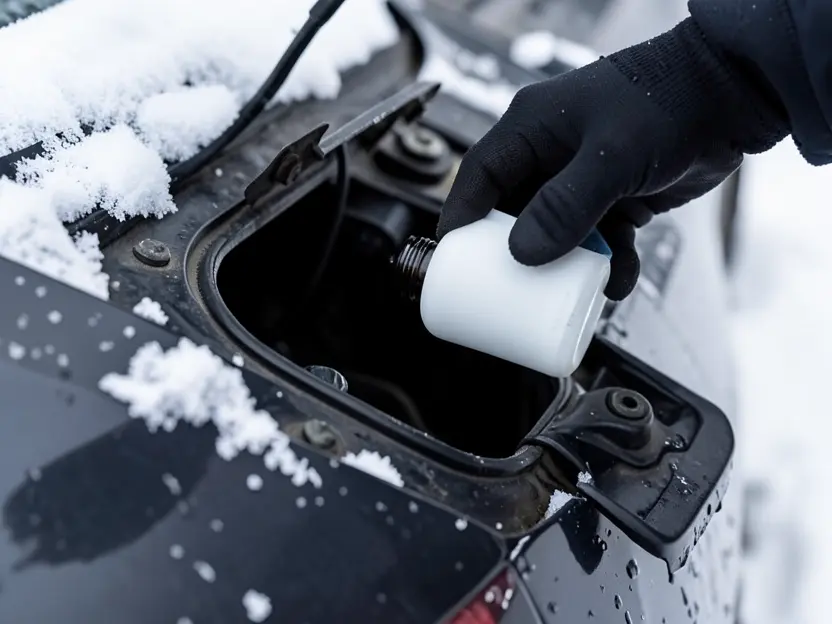
Signs Water or Ice Is Blocking Your Fuel System
Watch for these signs, especially after a sharp overnight temperature drop:
- The engine cranks normally but takes much longer than usual to start, or will not start at all on a cold morning even though it started fine the night before
- The car sputters, hesitates, or briefly stalls right after starting, then smooths out once it has run for a minute
- The engine loses power or stalls at speed, which points more toward a partially clogged fuel filter (common with gelling diesel) than a fully blocked line
If you suspect ice or gelled fuel, move the car to a warmer garage if you can and give it time to thaw; there is no quick way to force-melt a frozen fuel line. Adding a gas-line antifreeze to the tank can help going forward, but it will not instantly clear ice that has already formed. Avoid repeated cranking attempts, since that drains the battery without fixing the underlying blockage. If your car will not start at all in freezing weather, it is also worth ruling out a weak battery or thickened engine oil before assuming the fuel system is to blame — our guide on what temperature stops cars from starting walks through the other common cold-weather no-start causes.
Frequently Asked Questions
Can Gas Freeze in a Car?
Not in any normal winter. Gasoline starts to thicken around -40°F and generally needs to reach somewhere between -60°F and -100°F to fully solidify, depending on its exact blend. Those temperatures are far colder than almost any inhabited place on Earth gets outdoors, so the fuel itself is not the usual cause of cold-weather starting trouble. Diesel is the exception, since it can start gelling from wax crystals near 32°F.
Is It Bad to Leave Your Gas Tank Low in the Winter?
Yes. A low tank leaves more empty air space inside, and humidity in that air condenses into water on the tank walls as temperatures swing. That water sinks to the bottom, right where the fuel pickup sits, and can freeze into a plug of ice on a cold night. Keeping the tank at least half full is the simplest way to prevent it.
How Can You Tell If Your Fuel Line Has Ice in It?
The classic sign is a car that cranks normally, meaning the battery and starter are working, but will not start, starts very slowly, or sputters and stalls right after it catches. This is different from a dead-battery no-start, where the engine barely cranks at all or makes only a clicking sound.
How Do You Unfreeze a Frozen Fuel Line?
Move the vehicle into a warmer space, such as a heated garage, and give the ice time to melt on its own; there is no safe way to speed this up with direct heat under the hood. Add a gas-line antifreeze to the tank afterward to absorb any remaining water so the problem does not repeat on the next cold night.
Does E85 or Ethanol Gas Freeze More Easily Than Regular Gas?
Pure ethanol actually freezes at a very low temperature, around -173°F, so ethanol itself is not the concern. The real issue with ethanol blends like E85 is phase separation: ethanol absorbs water readily, and once a tank holds more water than the ethanol can carry, that water splits out and sinks to the bottom, where it can freeze just like water in any other tank. This is more common in fuel that has sat for months than in fuel that gets used regularly.
At What Temperature Does Diesel Start to Gel?
Wax crystals typically begin forming at the fuel’s cloud point, around 32°F for standard #2 diesel, sometimes as high as 40°F. The fuel filter can start clogging a few degrees below that, at the cold filter plugging point. Treated winter-blend or #1 diesel resists this much better, with a pour point that can be -20°F or colder.
Conclusion
Gasoline itself is not the fuel-system enemy in winter; water is. Keeping your tank reasonably full, using a gas-line antifreeze during cold snaps, and staying on top of fuel filter maintenance will handle almost every cold-weather fuel issue a gasoline car can have. Diesel owners have one more thing to watch: wax crystals forming near 32°F, which is why winter-blend diesel and anti-gel additives matter so much more for those vehicles. Know the real numbers, and a frozen fuel system becomes a rare problem instead of an annual winter worry.
Products related to this article
Sponsored / affiliate links. As an Amazon Associate I earn from qualifying purchases. I may earn additional commission from eligible campaigns.