How to Fix Scratched Car Glass: Proven Cleaning
Fixing scratched car glass is achievable with the right cleaning techniques and a bit of patience. This guide provides easy, DIY solutions to restore clarity and remove minor abrasions, saving you money and boosting your car’s appearance.
Is your car’s windshield or window marred by annoying scratches? You’re not alone! Scratches on car glass are a common frustration. They can come from a simple swipe of a dirty microfiber cloth, ice scraped too aggressively, or even tiny bits of debris kicked up by other vehicles. Not only do these scratches detract from your car’s appearance, but deeper ones can also impair visibility, which is a serious safety concern. But before you start thinking about expensive professional replacements, know this: many common scratches can be fixed at home with simple, affordable methods. This guide will walk you through proven cleaning and polishing techniques that can help restore your car’s glass to its former glory. Get ready to see clearly again!
Why Does Car Glass Get Scratched?
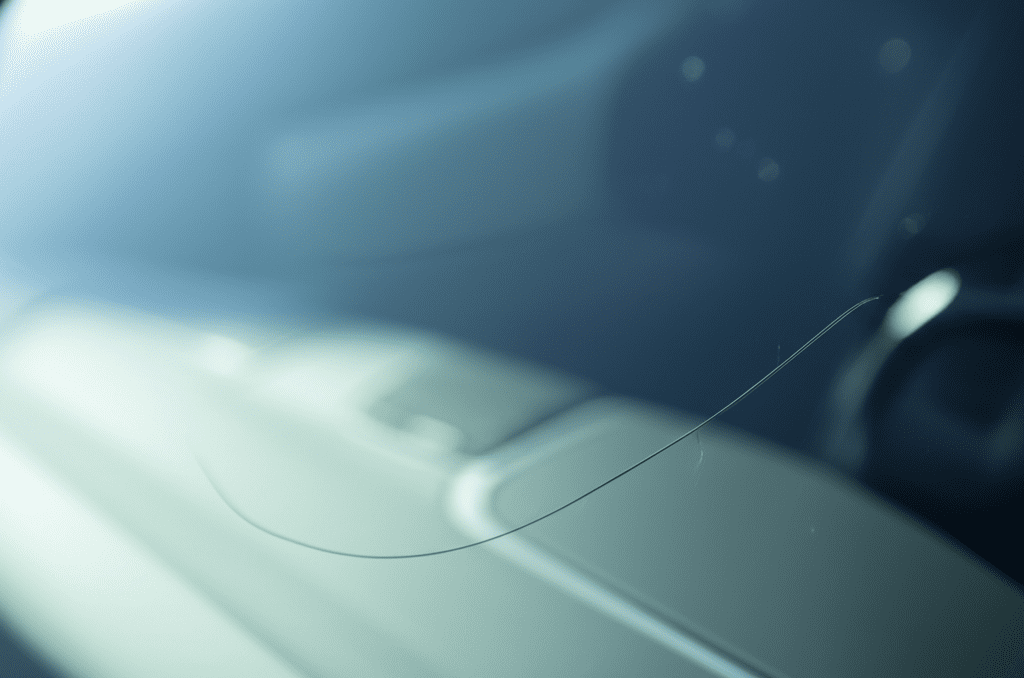
Understanding how car glass gets scratched is the first step in preventing future damage and knowing how to tackle existing marks. It’s often the result of small, everyday interactions that we might not even notice at the time.
Most car glass scratches aren’t caused by a single dramatic event, but rather a accumulation of minor incidents. Think about the last time you washed your car – if a dirty sponge or a gritty microfiber towel came into contact with the glass, it could have left microscopic abrasions that eventually become visible scratches.
Other common culprits include:
- Improper Cleaning Tools: Using paper towels, old rags, or brushes with stiff bristles can easily create fine scratches. Always opt for high-quality, clean microfiber cloths designed for automotive glass.
- Ice Scraping: Aggressively scraping ice off your windshield with a metal or plastic scraper can leave fine lines. While often unavoidable in winter, using the right scraping technique and tool can minimize damage.
- Wiper Blade Wear: Old, worn-out wiper blades with hardened rubber can drag grit across the glass, causing scratches over time. Regularly inspecting and replacing your wiper blades is crucial.
- Road Debris: Small stones, sand, and other particles on the road can be picked up by your tires and flicked at your car’s glass at high speed, leading to chips and scratches.
- Contamination During Washing: If your car is very dirty, washing it without pre-rinsing can grind dirt and grit into the paint and glass, causing scratches.
The good news is that most of these causes result in superficial scratches, which are the easiest to repair. Deeper gouges or chips that penetrate the full thickness of the glass are a different story and often require professional attention.
Assessing the Scratch: DIY Vs. Professional Repair
Before diving into any repair, it’s essential to determine if a scratch is something you can tackle yourself or if it’s best left to the pros. This assessment will save you time, effort, and potentially prevent further damage.
When you look at a scratch on your car’s glass, try to get a good sense of its depth. You can do this by carefully running your fingernail across it. If your fingernail catches on the scratch, it’s likely deeper than a simple surface imperfection and might require a more intensive approach or professional help.
Here’s a simple way to categorize scratches:
- Superficial Scratches: These are often light, hazy marks that don’t catch your fingernail. They are typically caused by light abrasion from cleaning or dust. These are prime candidates for DIY polishing.
- Moderate Scratches: These will catch your fingernail slightly. They are deeper and may require more aggressive polishing compounds. Even these can sometimes be managed at home, but results can vary.
- Deep Scratches or Chips: If your fingernail catches significantly, or if the damage looks like a pit or a crack, it’s probably too deep for DIY polishing. Attempting to fill or polish very deep scratches can sometimes make the problem worse or is simply ineffective.
When to Call a Professional:
If the scratch is deep, wide, or looks like a crack, it’s best to consult a professional auto glass repair service. They have specialized tools and resins to repair chips and cracks effectively, often preventing the need for a full windshield replacement. Attempting complex repairs on very deep damage can sometimes lead to cloudiness, distortion, or even cracking the glass further if done incorrectly. For a list of reputable services or advice on when professional help is truly needed, resources like the National Windshield Repair Association (NWRA) can offer guidance.
For the purpose of this guide, we’ll focus on fixing those common, frustrating superficial to moderate scratches that you can likely manage yourself using proven cleaning and polishing methods.
Essential Tools and Materials for Scratch Removal
Gathering the right supplies is key to a successful DIY scratch repair. Using the wrong materials can exacerbate the problem, so always opt for quality products designed for automotive glass.
Having the correct tools and materials on hand will make the process smoother and more effective. Think of it like preparing your ingredients before cooking – it ensures everything goes according to plan and yields the best results.
Here’s a checklist of what you’ll need:
- Microfiber Towels: You’ll need several clean, high-quality microfiber towels. Avoid using old rags, paper towels, or anything that might shed lint or contain abrasive particles.
- Automotive Glass Cleaner: A good quality glass cleaner specifically designed for car windows will be essential for prepping the surface.
- Rubbing Alcohol: For cleaning and degreasing the area thoroughly before applying any repair compounds.
- Cerium Oxide Polish: This is the key ingredient for most DIY glass scratch removal. It’s a fine powder that, when mixed with water, acts as a gentle abrasive to polish glass. You can find this online or at automotive specialty stores.
- Water: Clean water is needed to mix with the cerium oxide and to keep the polishing process lubricated.
- Painter’s Tape: To mask off the surrounding areas of the glass and the car’s paintwork, protecting them from the polishing compound.
- Spray Bottle: To mix and apply the cerium oxide slurry and cleaning solutions.
- Drill (Optional, but recommended for best results): A variable-speed drill with a felt polishing pad attachment will make the polishing process much more efficient and effective.
- Felt Polishing Pad: If using a drill, you’ll need a soft felt polishing disc compatible with your drill. Size can vary, but 3-inch pads are common.
- Gloves: To protect your hands from the polishing compound and cleaner.
It’s also important to work in good lighting conditions, preferably in a shaded area to prevent the polishing compound from drying too quickly on the glass.
Step-by-Step Guide: Fixing Scratched Car Glass with Cerium Oxide Polish
This method uses cerium oxide, a mild abrasive that’s highly effective at polishing glass surfaces and removing light to moderate scratches. It’s a tried-and-true method that many professionals use, adapted here for DIY use.
Let’s get your car glass looking crystal clear again! Follow these steps carefully, and you’ll be impressed with the results.
Step 1: Clean the Glass Thoroughly
Before you begin any polishing, the glass must be impeccably clean. Any dirt or debris left on the surface can get ground into the glass during polishing, creating more scratches or worsening the existing ones.
How to do it:
- Spray the glass generously with your automotive glass cleaner.
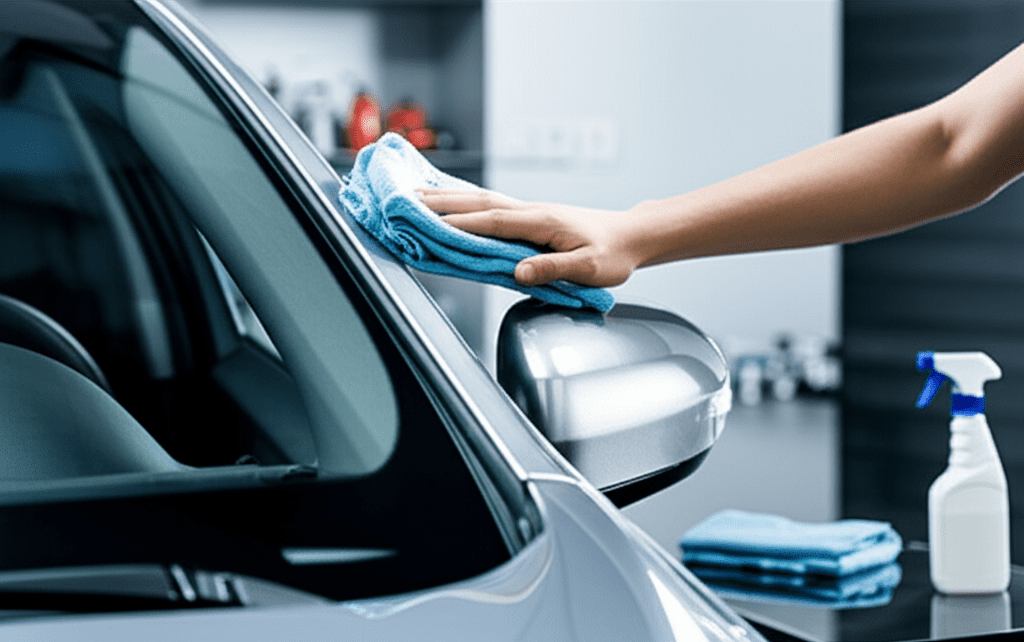
- Using a clean microfiber towel, wipe the entire surface of the glass.
- For stubborn grime or residue, you might need to use a little more cleaner and pressure, always moving in one direction.
- Once the initial wash is done, spray the scratched area with rubbing alcohol and wipe it clean with a fresh microfiber towel. This ensures all oils and residues are removed.
- Allow the glass to dry completely.
Step 2: Prepare the Cerium Oxide Mixture
Cerium oxide powder needs to be mixed with water to create a slurry that acts as the polishing agent. The consistency is important for effective polishing without excessive mess.
How to do it:
- In a small container or spray bottle, add about two tablespoons of cerium oxide powder.
- Gradually add water, mixing as you go until you achieve a smooth, milky consistency, similar to light cream or milk. It shouldn’t be too watery or too thick with clumps.
- If using a spray bottle, you can fill it with water and add the powder, then shake vigorously to mix.
- You want enough mixture to keep the polishing pad and glass lubricated throughout the process.
Step 3: Mask the Surrounding Areas
Protecting the areas around the scratch is crucial. The cerium oxide slurry can stain and damage rubber seals, trim, and paintwork if left on for too long or not cleaned off properly.
How to do it:
- Carefully apply painter’s tape around the perimeter of the scratch. Leave a border of about an inch or two around the affected glass area.
- Ensure the tape seals well against the glass to prevent the slurry from seeping underneath.
- If you’re polishing a large section, consider masking off the entire window frame and surrounding body panels for maximum protection.
Step 4: Begin Polishing (Manual Method)
If you don’t have a drill, you can still achieve good results with a bit more elbow grease. This method takes patience but is effective for smaller scratches.
How to do it:
- Apply a small amount of the cerium oxide slurry directly to the scratch and surrounding area.
- Take a clean microfiber cloth and dip a corner of it into the slurry.
- Gently rub the dipped section of the cloth over the scratch using firm, circular motions.
- Apply consistent, moderate pressure.
- Continuously reapply the slurry to the cloth and the glass as needed to keep the area moist and lubricated.
- Work in small sections, paying attention to the scratch.
- Wipe away the slurry with a clean, damp microfiber cloth frequently to check your progress.
- Repeat the process for 5-10 minutes, then reassess.
Step 5: Begin Polishing (Drill Method)
Using a variable-speed drill with a felt polishing pad significantly speeds up the process and often yields better, more consistent results. Speed control is important here to avoid overheating the glass.
How to do it:
- Attach the felt polishing pad to your drill.
- Apply a generous amount of the cerium oxide slurry onto the polishing pad and directly onto the scratch area.
- Start the drill at a low speed (around 500-800 RPM).
- Hold the pad flat against the glass and move it in overlapping circular or back-and-forth motions over the scratch and the surrounding affected area.
- Maintain light to moderate pressure. Let the pad do the work.
- Keep the glass and pad lubricated by periodically spraying more slurry onto the surface. Do not let the slurry dry out.
- Work consistently over the scratch for about a minute, then move to an adjacent area and repeat, overlapping your passes.
- After a minute or two of polishing, stop the drill and wipe the glass clean with a damp microfiber towel to inspect your progress.
- Continue polishing in short bursts (1-2 minutes of polishing at a time), checking progress frequently.
Step 6: Monitor and Repeat
Glass polishing is a gradual process. You need to be patient and check your work regularly. This prevents overheating and allows you to see how the scratch is responding to the treatment.
How to do it:
- After each polishing session (whether manual or with a drill), thoroughly wipe the glass clean with a damp microfiber cloth to remove all slurry residue.
- Inspect the scratch under good light. You should start to see the scratch becoming less visible.
- If the scratch is still present and you feel it’s safe to continue, reapply the cerium oxide slurry and repeat the polishing.
- It’s crucial to avoid overheating the glass. If the glass feels warm to the touch, stop polishing immediately and let it cool down completely before proceeding. Overheating can cause further damage.
- Continue this cycle of polishing, cleaning, and inspecting until the scratch is no longer visible or you are satisfied with the improvement. This can take anywhere from 15 minutes to over an hour, depending on the scratch depth and your technique.
Step 7: Final Cleaning and Inspection
Once you’re done polishing, it’s time for the final clean-up and a thorough inspection to ensure the scratch is gone and no new issues have arisen.
How to do it:
- Remove all the painter’s tape gently.
- Spray the entire glass surface with automotive glass cleaner.
- Use a clean, dry microfiber towel to polish the glass to a streak-free shine.
- Inspect the area where the scratch was. Tilt your head and view the glass from various angles to make sure the scratch is completely gone and the polished area is smooth and clear.
- Check the surrounding paint and trim for any unintended residue and clean them if necessary.
Congratulations! You’ve successfully tackled a scratched car glass issue.
Alternative Methods for Minor Scratches
While cerium oxide is highly effective, there are a couple of other common DIY methods that can be useful for very light, almost imperceptible scratches or as initial steps before trying cerium oxide.
Sometimes, a scratch is so minor that it might respond to simpler cleaning agents, or you might want to try a gentler approach first. Here are a couple of alternative methods worth considering for very light surface abrasions.
1. Toothpaste Method
Yes, plain white toothpaste (not gel) can act as a very mild abrasive, similar to cerium oxide but much less potent. It’s best suited for extremely light scuffs or haze marks.
How it works:
- Clean the glass thoroughly as described in Step 1.
- Apply a small dab of non-gel, white toothpaste onto a clean, damp microfiber cloth.
- Rub the toothpaste onto the scratch using small, circular motions with light pressure for about a minute.
- Wipe the area clean with a damp cloth and then dry with a separate clean microfiber towel.
- Inspect the glass. You may need to repeat this process a few times.
Pros:
- Extremely affordable and readily available.
- Non-toxic and easy to clean up.
Cons:
- Only effective on the very lightest of surface scuffs.
- May require many repetitions for minimal results.
2. Baking Soda Paste
Similar to toothpaste, baking soda can be mixed with water to create a paste that acts as a mild abrasive. It’s another gentle option for minor surface blemishes.
How it works:
- Mix baking soda with water in a 1:1 ratio to create a paste.
- Apply the paste to a clean microfiber cloth.
- Gently rub the paste onto the scratch in circular motions for about a minute.
- Wipe clean with a damp cloth and dry with a separate clean microfiber towel.
- Inspect and repeat if necessary.
Pros:
- Inexpensive and easily accessible.
- Safe for most surfaces when used gently.
Cons:
- Very limited effectiveness on anything more than the faintest of scratches.
- Can be messy to work with.
It’s important to reiterate that these methods are for the absolute lightest of scratches. For anything deeper, cerium oxide polish remains the most recommended DIY solution for its proven effectiveness and balance of abrasiveness and safety for automotive glass.
Tips for Success and Preventing Future Scratches
Applying your newfound skills to keep your car’s glass pristine is just as important as fixing the damage. A little preventative care goes a long way in maintaining that crystal-clear visibility.
Once you’ve successfully polished your car’s glass, you’ll want to keep it that way! Here are some practical tips to help you avoid scratches in the future and maintain the clarity of your windows.
- Use the Right Cleaning Supplies: Always use dedicated automotive glass cleaner and high-quality microfiber towels. Store your cleaning towels separately from your paint-correction towels to avoid cross-contamination. Wash microfiber towels separately from other laundry using a mild detergent and avoid fabric softener, which can reduce their grab and cause lint.
- Wash Properly: Before wiping down a dirty car, rinse it thoroughly with water to remove loose dirt and grit. When washing, start with the roof and work your way down.
- Be Gentle with Ice: In winter, use a plastic ice scraper designed for car windows. Avoid metal scrapers or using the edge of your wiper blades. Consider a good quality de-icer spray that can help melt ice without heavy scraping. A car cover or sunshade during snowy or icy periods can also prevent ice buildup on the