How to Get a Mechanic to Inspect a Used Car: Cost & Options
A qualified mechanic can inspect a used car for $100 to $200, either at a shop or through a mobile pre-purchase inspection service that comes to the seller’s location. Skipping this step risks inheriting $1,500 to $4,000 in repairs on day one. This guide covers finding an ASE-certified inspector, what they check, and how to use the report to negotiate or walk away.
This post may contain affiliate links. If you buy through one, we may earn a small commission at no extra cost to you.
5 Steps to Get a Mechanic to Inspect a Used Car
- Gather the car’s details: Write down the VIN, mileage, and any known issues before you call, so the mechanic knows exactly what they’re inspecting.
- Find an ASE-certified mechanic: Search for a shop near you, or book a mobile pre-purchase inspection service that comes to wherever the car is parked.
- Schedule the inspection before you buy: Ask the seller for a short window to have the car checked before you commit — a refundable deposit or non-binding offer is usually enough to get their approval.
- Review the written report: Go through every issue the mechanic found, along with repair cost estimates for each one.
- Negotiate or walk away: Use confirmed problems to negotiate the price, or pass on the car entirely if the report reveals major damage.
Choosing The Right Mechanic
Start by searching for mechanics in your area. Look at their websites, check the services they offer, and make a list of a few options so you can compare them.
Check online reviews for each mechanic on Google and Yelp. Read both good and bad reviews and pay attention to issues that come up more than once — a mechanic with consistently high ratings is usually the safer bet.
The fastest way to confirm a shop is legitimate is to look for ASE certification — the industry’s standard credential for automotive technicians. ASE’s Blue Seal of Excellence locator lists nearly 1,500 U.S. repair shops where at least 75% of the technicians are ASE-certified, which makes it one of the fastest ways to confirm a shop’s credibility before you ever call.
Can’t Take the Car to a Shop? Book a Mobile Inspection Instead
Many private-party sellers won’t let a stranger drive their car off-site before a purchase. That’s where a mobile pre-purchase inspection (PPI) comes in — an ASE-certified mechanic drives to the seller’s driveway, a dealer lot, or a public parking lot and inspects the car right there, usually within 48 hours of booking.
If a seller hesitates to allow any inspection at all, offering a small refundable deposit or a non-binding purchase agreement is often enough to get them to agree, since it signals you’re a serious buyer rather than just browsing.
| Inspection Type | Typical Cost | Where It Happens | Best For |
|---|---|---|---|
| Shop-based PPI | $100–$200 | Mechanic’s own garage; car must be driven there | Buyers who already trust a specific mechanic |
| Mobile PPI | $100–$200+ | Wherever the car is parked — your home, the seller’s, or a dealer lot | Private-party deals where the seller won’t let the car leave |
| Specialty / luxury PPI | $300–$600+ | Shop or mobile, brand-specific technician | Porsche, Mercedes, classic cars, high-end EVs |
Preparing For The Inspection
First, collect the car’s details: the make and model, year of manufacture, and the vehicle identification number (VIN). Write down the current mileage and any known issues the seller has already mentioned — this helps the mechanic understand what they’re evaluating. If you’re unsure whether the mileage looks right for the car’s age, our guide on what counts as good mileage for a second-hand car can help you sanity-check it before you even book the inspection.
Next, find a trusted mechanic and call to schedule the appointment. Tell them clearly that you need a pre-purchase inspection, not a routine service visit, and give them the vehicle details you’ve gathered so they can prepare the right tools.
Want a quick first look yourself before you even call a mechanic? A basic OBD2 scanner plugs into the diagnostic port on any car built since 1996 and pulls the same stored fault codes a shop’s scan tool would show — useful for catching an obvious check-engine issue the seller didn’t mention.
Best OBD2 Scanner Pick
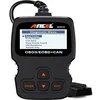
ANCEL AD310 Classic Enhanced Universal OBD II Scanner
Plugs into the OBD2 port on any car built since 1996 and reads the same fault codes a shop technician sees — a quick way to spot a hidden check-engine issue before you even call a mechanic.
- Best for: a fast pre-screen of any private-party used car
- Why we picked it: reliable universal OBD-II reader at a low price with a large base of real owner reviews
- Main drawback: reads and clears codes only — it will not replace a full mechanic inspection
Compare more OBD2 scanner options
 Option 1 MOTOPOWER MP69033 Car OBD2 Scanner Code Reader
|
 Option 2 FOXWELL NT301 OBD2 Scanner Live Data Professional Tool
|
 Option 3 Innova 5210 OBD2 Scanner, Battery Tester, Bluetooth
|
As an Amazon Associate we earn from qualifying purchases.
What To Expect During The Inspection
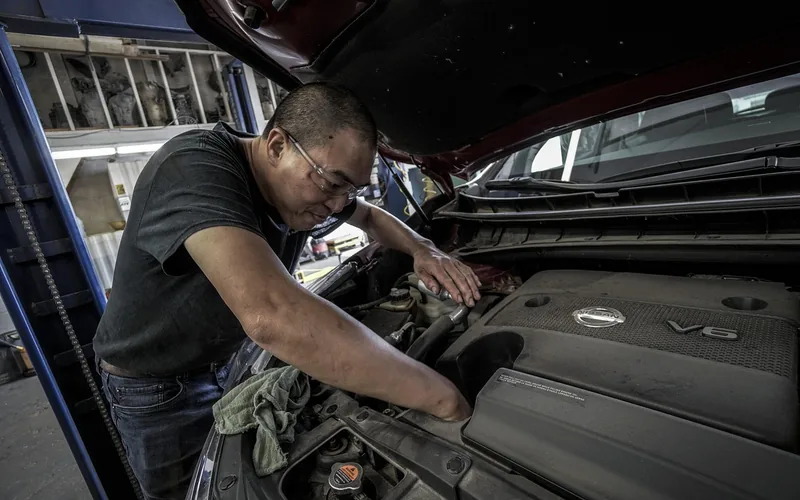
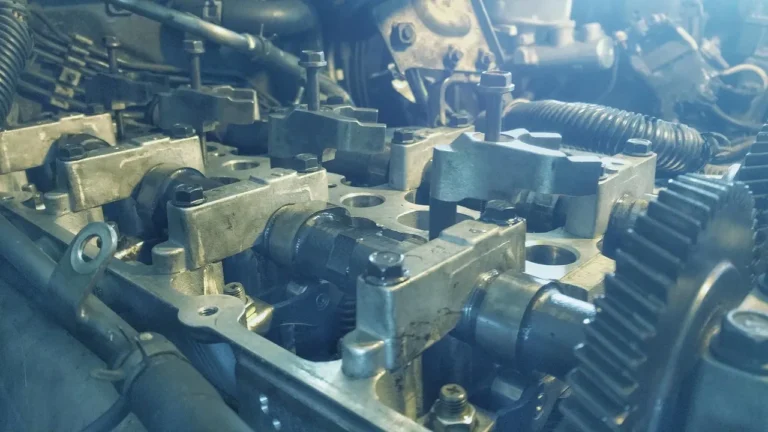
A mechanic will check the engine and transmission, brakes and tires, the battery and lights, and the suspension and steering. They’ll examine the interior and exterior for damage, check fluid levels, and pull any stored error codes from the car’s onboard computer.
A full inspection usually takes one to two hours. For the complete point-by-point technical checklist mechanics use — VIN and title check, engine and cooling system, transmission, OBD-II scan, brakes and suspension, and more — see our full pre-purchase car inspection checklist.
📊 A pre-purchase inspection typically runs $100 to $200 for a standard check, per Consumer Reports, though RepairPal’s national data puts the average closer to $183–$322 once shop labor and fees are included — specialty and luxury-vehicle inspections can run $300–$600+. — Source: Consumer Reports, 2026
Questions To Ask The Mechanic
Ask about any problems they find, and make sure they explain the issues in plain terms, not just jargon. Ask specifically about rust and leaks, since both can be expensive to fix later.
Inquire about the engine’s condition and whether it runs smoothly. Request details on the brakes and tires, since those directly affect safety. Find out what repairs are needed, how urgent each one is, and get a written estimate for cost and time so there are no surprises. Also ask whether replacement parts are readily available, since that affects how long repairs would take, and whether any warranties apply to the repairs.
Evaluating The Inspection Report
The inspection report tells you the car’s real condition. Look at what the mechanic found on the engine, brakes, and tires, and check for any leaks or rust. The report should also note the mileage and any service history the mechanic was able to verify.
Take time to understand each part of the report before deciding. If there are multiple problems, that’s leverage to ask for a lower price — and sometimes the right call is simply to look for another car instead.
“Before you buy, it’s always best to have someone who knows what they’re doing, like your mechanic, do a used car inspection for you.”
Negotiating With The Seller
The inspection results are your best negotiating tool. Point out any issues the mechanic found — some may need immediate fixing, others can wait, but either way you now have real numbers to work with instead of guesses.
Based on the inspection, discuss a fair price with the seller. Be firm but polite, explain specifically why the price should come down, and be ready to walk away if the seller won’t budge. A seller who won’t negotiate on a car with documented problems usually isn’t negotiating on price at all.
Post-Inspection Steps
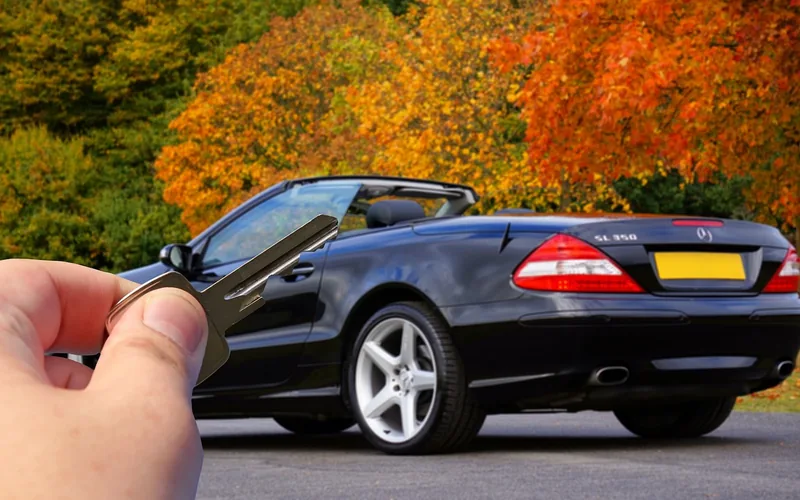
Review the mechanic’s report one more time and confirm any agreed-upon repairs were actually completed before you hand over payment. Make sure all paperwork is in order, take the car for a second test drive, then make the payment, get a receipt, and transfer the title into your name.
After the sale, plan for regular maintenance: set reminders for oil changes, check tire pressure monthly, schedule yearly inspections, and keep a maintenance log. Staying on top of small issues now is what keeps a $150 inspection from turning into a $1,500 repair bill later.
Common Inspection Pitfalls
Dishonest sellers sometimes hide problems or misrepresent a car’s history. Always ask for a complete vehicle history report, and if it comes back unusually clean or missing records, don’t assume that means nothing happened — some vehicles simply never had service logged anywhere, which is its own red flag worth asking about. See our explainer on why Carfax sometimes shows no service records for what that actually means.
Verify the mileage on the odometer against the paperwork, and make sure the VIN on the car matches the documents exactly. Never trust a seller who refuses an inspection outright — that alone is one of the biggest red flags in a private sale.
Look for signs of prior accident damage, like uneven paint or gaps between body panels; if you’re unsure whether damage found is serious enough to matter, does a bent frame total a car explains how insurers actually treat frame damage. Check the engine bay for leaks or unusual smells, inspect the tires for uneven wear (which can point to alignment issues), and listen for unusual noises during the test drive.
Frequently Asked Questions
How do I find a reliable mechanic to inspect a used car?
Search for ASE-certified mechanics near you, read their online reviews, and ask for recommendations from people you trust. ASE’s Blue Seal of Excellence locator lists shops where most technicians hold current certification, which is a fast way to confirm credibility before you call.
What should a mechanic inspect on a used car?
A thorough pre-purchase inspection covers the engine, transmission, brakes, tires, battery, lights, suspension, steering, and interior and exterior condition. The mechanic should also scan the onboard computer for stored fault codes and check fluid levels and the underbody for leaks or rust.
How much does a used car inspection cost?
A standard pre-purchase inspection typically costs $100 to $200, according to Consumer Reports, though RepairPal’s national data puts the average closer to $183 to $322 once shop fees are included. Specialty inspections for luxury, exotic, or classic vehicles can run $300 to $600 or more.
When should I get a used car inspected?
Get the inspection before you finalize the purchase, ideally after a test drive but before you sign anything or hand over payment. Inspecting early lets you use any problems the mechanic finds to negotiate the price or walk away.
Can a mobile mechanic inspect a car before I buy it?
Yes. Mobile pre-purchase inspection services send an ASE-certified mechanic to wherever the car is — a private seller’s driveway, a dealer lot, or a public parking lot — and typically cost about the same as an in-shop inspection.
Who pays for a pre-purchase inspection?
The buyer almost always pays for the inspection, since it’s being done on the buyer’s behalf to protect their own purchase decision. It’s standard practice, and a seller shouldn’t be expected to cover it.
What if the seller refuses to allow an inspection?
Treat it as a major red flag. A seller with nothing to hide has little reason to block a buyer from having the car checked. If a seller won’t allow an inspection at all — in-shop or mobile — it’s usually safest to walk away from the deal.
Conclusion
A thorough inspection is one of the cheapest ways to protect a used-car purchase — $100 to $200 up front against $1,500 to $4,000 in repairs you didn’t see coming. Choose an ASE-certified mechanic, in-shop or mobile, get the report in writing, and use it to negotiate or walk away. A small investment now is what keeps this purchase from becoming an expensive mistake.
Products related to this article
Sponsored / affiliate links. As an Amazon Associate I earn from qualifying purchases. I may earn additional commission from eligible campaigns.