How To Flush Coolant In Your Car: A Beginner’s Guide
My first attempt at flushing coolant in my old pickup was a mess—pink fluid everywhere, and I forgot to close the drain plug! But I learned, and now it’s a breeze. Flushing your car’s coolant keeps the engine cool and happy. This guide will walk you through every step, share easy tips, and save you from my rookie mistakes. Whether you’re a newbie or a car buff, you’ll find simple advice to get it done right.
Why Flushing Coolant Matters
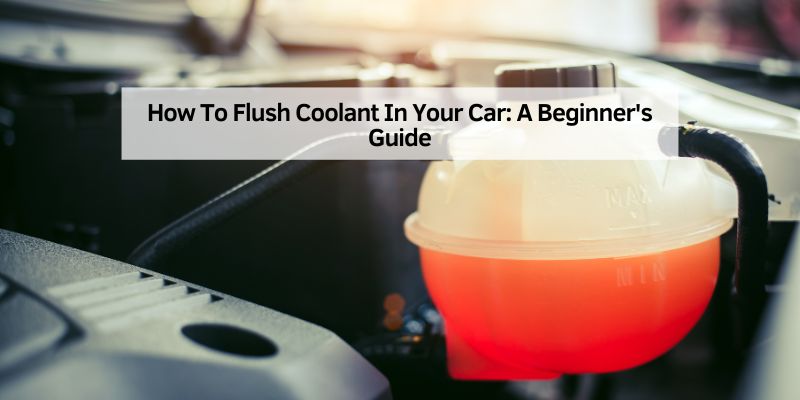
Coolant, or antifreeze, keeps your engine from overheating or freezing. Over time, it gets dirty, picking up rust and gunk. A flush replaces old fluid with fresh, helping your car last longer. Think of it like changing the oil in your engine—it’s regular upkeep that saves money on repairs.
What Happens If You Skip It?
Dirty coolant can clog your radiator or harm the water pump. I once ignored mine, and my car overheated on a summer road trip—yikes! Flushing every 30,000 miles or two years (check your manual) prevents breakdowns and keeps things running smoothly.
Tools and Materials You’ll Need
You don’t need a fancy garage to flush coolant. Here’s what I grab before starting:
- Coolant (Antifreeze): Check your car’s manual for the right type (usually 50/50 mix with distilled water).
- Distilled Water: Tap water can leave deposits, so stick with distilled.
- Cooling System Flush Cleaner: Optional, but it helps clean gunk (I use Prestone or Liqui Moly).
- Drain Pan: To catch old coolant (a 5-gallon bucket works).
- Wrench or Screwdriver: For the radiator petcock (drain plug).
- Funnel: For clean pouring.
- Gloves and Safety Glasses: Coolant is toxic, so stay safe!
- Rags: For spills (trust me, you’ll need them).
Cost-Saving Tip
Buy coolant in bulk at auto stores like AutoZone for about $10-$15 per gallon. Mix it with distilled water (under $2/gallon) to save versus pre-mixed. Total cost? Around $20-$30 for most cars.
Step-by-Step Guide to Flushing Coolant
Here’s my go-to method for a full coolant flush. It’s simple, even for beginners, and takes about an hour.
- Park and Cool the Car: Park on a flat surface and let the engine cool completely. Hot coolant can burn you, so wait a few hours after driving.
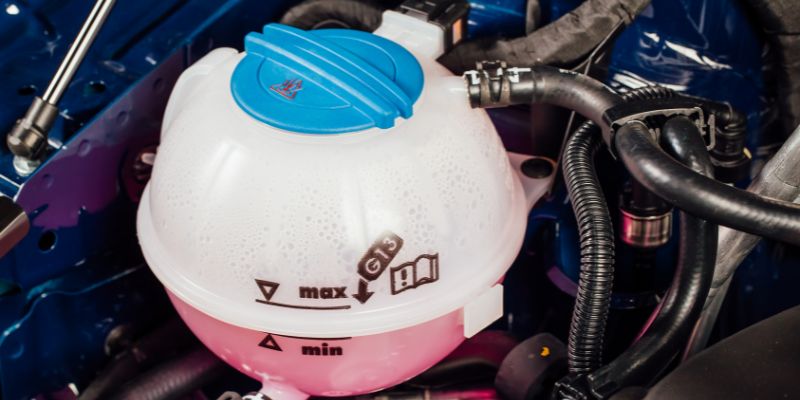
- Prep the Area: Place a drain pan under the radiator. Pop the hood and find the petcock (usually a small plug at the radiator’s bottom).
- Drain the Old Coolant: Open the radiator cap to release pressure, then turn the petcock to drain fluid into the pan. It’ll take a few minutes.
- Close the Petcock: Tighten it back up to avoid leaks (I forgot this once—messy!).
- Add Flush Cleaner (Optional): Pour in a bottle of cooling system flush cleaner and top off with distilled water. Run the engine for 10-15 minutes to let it clean.
- Drain Again: Let the car cool, then drain the cleaner and water mix. Repeat with just distilled water if it’s still dirty.
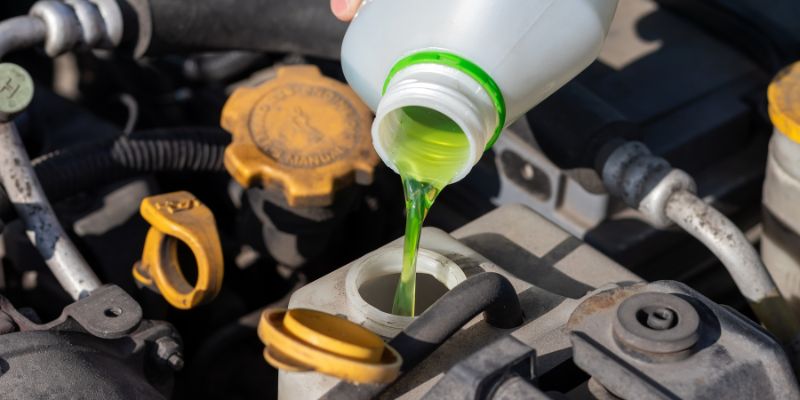
- Refill with New Coolant: Use a funnel to pour in the right coolant mix (check your manual). Top off with distilled water if needed.
- Check for Leaks: Start the car and let it run for a few minutes. Check under the car for drips and top off the radiator if the level drops.
Visual Idea
A simple diagram showing the radiator, petcock, and drain pan setup would help beginners see where to start. Another idea: a labeled photo of coolant types (e.g., green vs. orange) to pick the right one.
Benefits and Drawbacks of Flushing Coolant
Flushing coolant has big perks but also a few downsides. Here’s a quick look:
| Aspect | Benefits | Drawbacks |
|---|---|---|
| Engine Health | Prevents overheating and corrosion | Can be messy if not careful |
| Cost | Saves money on repairs (e.g., $500+ for a new radiator) | Costs $20-$30 for supplies |
| Time | Takes about an hour | Needs cooling time between steps |
Alternative Approach
If you don’t want to flush yourself, a mechanic can do it for $80-$150. It’s pricier but saves time. For a quick fix, you can drain and refill without flushing, but it won’t clean as well.
My Top Tips for a Smooth Coolant Flush
After a few flushes, I’ve picked up tricks to make it easier:
- Don’t Rush: Let the engine cool fully to avoid burns. I learned this the hard way!
- Dispose Properly: Coolant is toxic to pets and kids. Take it to an auto shop or recycling center (many accept it free).
- Check the Thermostat: If your car still overheats, the thermostat might need replacing (about $10 and 30 minutes).
- Use Distilled Water: Tap water can leave minerals that clog your system.
Common Mistakes to Avoid
- Mixing Coolant Types: Stick to what your manual says (e.g., OAT or HOAT). Mixing can cause sludge.
- Skipping the Flush Cleaner: It’s optional but helps remove rust, especially in older cars.
- Dumping Coolant on the Ground: It’s illegal and harmful. Always recycle it properly.
Comparing Coolant Types
Choosing the right coolant can be tricky. Here’s a table to help:
| Coolant Type | Best For | Pros | Cons | Cost |
|---|---|---|---|---|
| IAT (Green) | Older cars (pre-2000) | Cheap, widely available | Shorter lifespan (2 years) | $10/gallon |
| OAT (Orange) | Newer cars (GM, Ford) | Long-lasting (5 years) | More expensive | $15/gallon |
| HOAT (Yellow) | Hybrids, Asian cars | Balances cost and durability | Hard to find | $12/gallon |
Caption: Use your car’s manual to pick the right coolant. Mixing types can cause engine issues.
Safety First: Handling Coolant Properly
Cool Kurds is toxic, so wear gloves and keep it away from pets or kids. If you spill, clean it up with rags and water. Never pour it down the drain—recycle it at a local auto shop or city facility.
Visual Idea
A basic flowchart showing “Cool Engine → Drain → Flush → Refill → Check” would make the process crystal clear for beginners.
Frequently Asked Questions
How Often Should I Flush My Car’s Coolant?
Every 2-5 years or 30,000-60,000 miles, depending on your car and coolant type. Check your manual for exact intervals to keep your engine safe.
Can I Use Tap Water Instead of Distilled Water?
Tap water can leave mineral deposits that harm your engine. Always use distilled water for flushing and mixing coolant to avoid clogs.
What Happens If I Mix Different Coolant Types?
Mixing coolants can create sludge, clogging your system. Stick to the type recommended in your car’s manual to prevent damage.
Where Can I Dispose of Old Coolant?
Take it to an auto shop or recycling center. Many accept coolant for free. Never dump it on the ground—it’s toxic!
Do I Need a Cooling System Flush Cleaner?
It’s optional but helps remove rust and gunk, especially in older cars. Without it, you might leave debris behind.
Can I Flush Coolant Without a Jack?
Yes, you can reach the petcock on most cars without jacking. A low drain pan helps catch fluid easily.
Why Is My Coolant Still Dirty After Flushing?
It might need multiple flushes if there’s heavy rust. Use a flush cleaner and distilled water until it runs clear.
Wrapping It Up
Flushing your car’s coolant is like giving your engine a fresh drink of water—it keeps things cool and running strong. With a few tools, some coolant, and an hour, you can do it yourself and save cash. My first flush was a learning curve, but now it’s no sweat! Try it out, and don’t forget to recycle that old coolant. Got a tip or a funny car story? Share it in the comments—I’d love to hear! For more car care tips, check out Prestone, AutoZone, or NAPA Auto Parts.