How to Remove Superglue from Car Paint (Safely, No Damage)
Hey there! Imagine this: you’re working on a quick fix for your car, maybe gluing a loose trim, and oops—a drop of superglue lands right on your car’s shiny paint. Your heart sinks. That glossy finish is your pride and joy, and now it’s marred by a sticky mess. Don’t worry, friend—I’ve been there, and I’m here to help. As a car enthusiast who’s tackled this exact problem, I’ve learned the best ways to remove superglue from car paint without scratching or dulling it. In this guide, I’ll share my tried-and-true methods, tips, and tricks to restore your car’s shine. Let’s get that glue gone and your car looking flawless again!
Quick Answer
To remove superglue from car paint: dab acetone (nail polish remover) on a cotton swab, test a hidden spot first, then gently work the glue off and wash/wax the area. For dashboard or interior plastic, skip the acetone — it can melt plastic trim — and use isopropyl alcohol or warm soapy water instead.
Understanding Superglue and Car Paint
Superglue, or cyanoacrylate, is incredibly strong. It bonds fast and hard, which is great for fixes but terrible when it’s on your car’s paint. Car paint isn’t just one layer—it’s a delicate combo of primer, base coat, top coat, and clear coat. The clear coat is what you’re mostly dealing with, and it’s sensitive to harsh chemicals or rough scrubbing. Using the wrong method can strip the clear coat or leave scratches, making your car look worse.
When I first see superglue on my car, I take a deep breath. Rushing in with a random cleaner can ruin the finish. Instead, I assess the situation. Is the glue fresh or hardened? Is it a small drop or a smear? Knowing this helps me choose the right approach. Fresh glue is easier to handle, while dried superglue needs more patience. Don’t panic—most superglue messes can be fixed with the right tools and care.
📊 Cyanoacrylate (superglue) sets in as little as 10-60 seconds and can reach a hard cure within minutes, which is why “act fast” matters more than which solvent you grab. In humid conditions it can also “bloom” — leaving a white haze on glossy surfaces — a cosmetic reaction worth knowing about before you start scrubbing at a hazy spot. Source: Aron Alpha, cyanoacrylate curing speed.
Tools and Materials You’ll Need
Before diving in, I always gather my supplies. Having everything ready keeps me from scrambling mid-process. Here’s what I use to safely remove superglue from my car’s paint:
| Item | Purpose |
|---|---|
| Acetone (nail polish remover) | Breaks down superglue’s chemical structure |
| Warm soapy water | Cleans the area before and after |
| Microfiber cloths | Soft, non-abrasive cleaning |
| Cotton swabs or plastic scraper | Precise application, gentle scraping |
| Rubbing alcohol (70% isopropyl) | Alternative solvent for sensitive paints |
| Car wax or polish | Restores shine after cleaning |
| Gloves (optional) | Protects your hands from chemicals |
I keep these in a small bucket for easy access. Pro tip: Use pure acetone if possible, as some nail polish removers have additives that might harm paint. Always work in a shaded, well-ventilated spot to avoid direct sunlight, which can make solvents evaporate too fast or heat the paint.
Step-by-Step Method to Remove Fresh Superglue
If you catch the superglue spill right away, you’re in luck. Fresh glue hasn’t fully bonded, so it’s easier to handle. Here’s how I do it:
First, I rinse the area with warm soapy water. I mix a few drops of dish soap in a bucket of warm water, dip a microfiber cloth in it, and gently dab the glue. This softens the glue and removes any dirt that could scratch the paint later. I never scrub hard—just pat and let the water do its work.
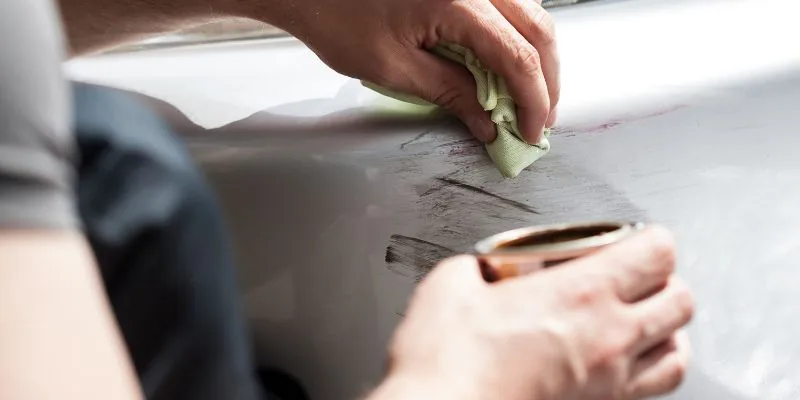
Next, I grab a cotton swab and dip it in acetone. I test a small, hidden spot on my car first, like under the trunk lid, to make sure the acetone doesn’t dull the paint. If it’s safe, I lightly dab the glue with the swab. The glue starts to dissolve, and I wipe it away with a clean microfiber cloth. I work in small circles, using minimal pressure.
After the glue is gone, I rinse the area again with soapy water to remove any acetone residue. Then, I dry it with a fresh microfiber cloth. To finish, I apply a layer of car wax to protect the clear coat and restore the shine. This method works like a charm for fresh spills, and my car looks untouched.
Tackling Dried Superglue with Care
Dried superglue is trickier, but I’ve got you covered. Once, I accidentally left a glob of glue on my hood for a day, and it hardened like cement. Here’s how I dealt with it without damaging my paint:
I start by softening the glue. I soak a microfiber cloth in warm soapy water and lay it over the glue for 10-15 minutes. This loosens the bond a bit. If the glue’s still stubborn, I use a plastic scraper—like a credit card edge—to gently lift the edges. I’m super careful not to scratch the paint.
Then, I apply acetone with a cotton swab, just like with fresh glue. I dab repeatedly, letting the acetone break down the glue. It might take a few minutes, so I stay patient. If acetone feels too strong, I switch to rubbing alcohol, which is gentler but slower. I keep wiping with a microfiber cloth until the glue is gone.
Once the glue’s removed, I wash the area with soapy water, dry it, and polish it with car wax. The wax hides any minor dullness and protects the paint. This process saved my hood, and you can barely tell there was ever a problem.
Best Acetone Alternative
Recommended: Safer Alternative to Acetone
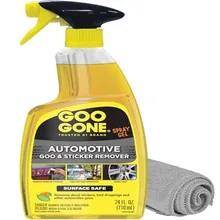
Goo Gone Automotive Adhesive Remover
Best for: anyone nervous about acetone touching their clear coat.
Why we picked it: formulated specifically for automotive paint — lifts superglue, tar, and adhesive residue without the melt/dull risk straight acetone carries.
Main drawback: works slower than pure acetone on thick, hardened glue — you’ll dwell and wipe a few extra times.
View Our Pick on AmazonCompare more superglue-removal essentials:
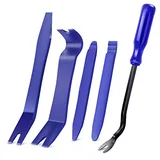 GOOACC 5PCS Auto Trim Removal Tool Kit Best for: lifting dried glue edges without a metal scraper anywhere near the paint. Drawback: plastic tips wear down if used on very hardened, thick glue. Check on Amazon |
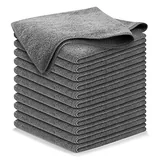 USANOOKS Microfiber Cleaning Cloths (12-Pack) Best for: having a clean, fresh-fold section ready every few wipes. Drawback: needs regular washing to stay lint- and grit-free. Check on Amazon |
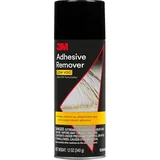 3M Adhesive Remover, 12 oz. Best for: stubborn tape, tar, and wax residue on top of the original glue spot. Drawback: stronger smell than the Goo Gone formula — use it outdoors or with ventilation. Check on Amazon |
As an Amazon Associate we earn from qualifying purchases.
Alternative Methods for Sensitive Paints
Some cars, especially older models or custom paint jobs, have delicate clear coats. Acetone can be too harsh for them. I learned this the hard way when I dulled a spot on my vintage Mustang’s paint. Here are safer alternatives I use now:
“I learned this the hard way when I dulled a spot on my vintage Mustang’s paint with straight acetone. Older and custom finishes don’t have the same tolerance as a modern factory clear coat — test first, every time.”
— From this guide’s own hands-on experience with a vintage Mustang repaint
One option is soaking the glue in warm soapy water for longer—up to 30 minutes. I keep the cloth wet and check progress every few minutes. Sometimes, this alone loosens the glue enough to wipe it off.
Another trick is using rubbing alcohol. I apply it with a cotton swab and let it sit for a minute before wiping. It’s slower than acetone but much gentler. For really stubborn spots, I try a commercial adhesive remover labeled safe for car paint, like Goo Gone Automotive. I follow the product’s instructions to the letter.
After any method, I wash, dry, and wax the area. These alternatives take more time, but they’re worth it to protect delicate paint jobs. My Mustang’s finish is safe now, thanks to these gentler approaches.
Common Mistakes to Avoid
I’ve made plenty of mistakes while learning to remove superglue, and I want to save you the trouble. Here are some pitfalls to steer clear of:
Don’t use metal scrapers or knives. They seem tempting for scraping, but they’ll scratch your paint faster than you can blink. Stick to plastic or your fingernail.
Avoid household cleaners like bleach or vinegar. They’re not designed for car paint and can strip the clear coat or leave stains. I once tried vinegar, thinking it was safe, and ended up with a cloudy patch.
Don’t skip the test spot. Every car’s paint reacts differently to solvents. Testing in a hidden area saves you from disaster. I learned this after a close call with acetone on a friend’s car.
Finally, don’t rush. Superglue removal takes patience. Scrubbing too hard or using too much solvent can ruin your finish. Take your time, and your car will thank you.
Preventing Superglue Mishaps in the Future
After a few glue spills, I got smarter about prevention. Now, I take steps to avoid superglue messes altogether. Here’s what I do:
When using superglue near my car, I cover the surrounding area with painter’s tape and a drop cloth. This catches any drips before they hit the paint. I also work in a well-lit area so I can see what I’m doing.
I keep a damp microfiber cloth nearby. If I spill glue, I wipe it immediately before it dries. Quick action makes cleanup a breeze.
I also store superglue carefully, with the cap tightly sealed. Leaky tubes are a recipe for accidents. These simple habits have saved my car’s paint countless times.
Restoring Your Car’s Shine After Glue Removal
Even after removing superglue, your car might need a little TLC to look its best. I always finish with a polish and wax to bring back that showroom shine.
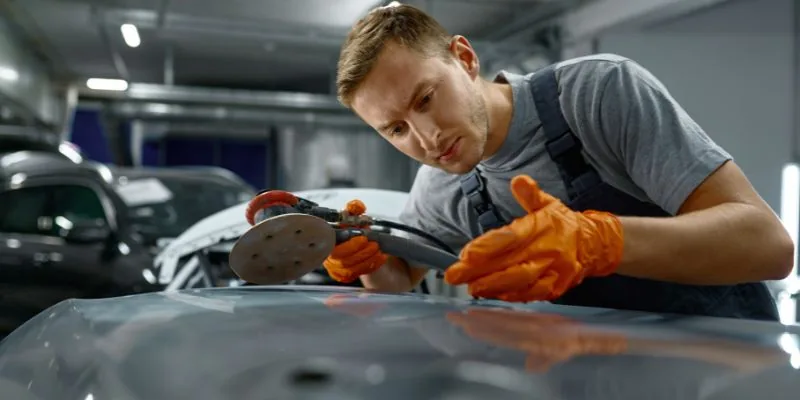
I use a dual-action polisher with a soft foam pad and a mild polish. I work in small sections, applying the polish in straight lines. This removes any faint haze or micro-scratches from the cleaning process.
Then, I apply a high-quality carnauba wax with a foam applicator. I let it haze for 5-10 minutes, then buff it off with a clean microfiber cloth. The wax adds depth to the paint and protects it from UV rays and future spills.
If you don’t have a polisher, a hand-applied polish works fine. Just use light pressure and circular motions. Your car will gleam, and you’ll feel like a pro.
Superglue on Your Dashboard or Interior Trim? Don’t Use Acetone
Everything above works great on painted exterior surfaces, but interior plastic is a different story. Acetone is fine on automotive clear coat (with a test spot), but it can melt, cloud, or discolor dashboard plastic, vinyl trim, and interior panels — the same chemical strength that dissolves superglue can attack the plastic itself.
For dried glue on your dash or interior trim, stick to gentler methods instead:
- Warm soapy water soak: Lay a damp, soapy cloth over the glue for 10-20 minutes to soften it before wiping or gently scraping with a plastic edge.
- Isopropyl alcohol (70-90%): Dab on a microfiber cloth, let sit a minute, then rub gently in circles. It evaporates quickly and leaves minimal residue.
- Vegetable oil: A small amount can loosen the glue’s bond on plastic; wipe off and follow with soapy water to remove the oily feel.
- Plastic scraper only: Never use a metal blade on dash plastic — it scratches far more easily than painted metal.
As with paint, always test any solvent on a hidden spot of the same plastic first — textured dash surfaces and soft-touch coatings can react differently than a smooth painted panel.
When to Consult a Professional
Sometimes, superglue damage is too severe for DIY fixes. If the glue has etched into the paint or you’ve accidentally dulled a large area, it’s time to call in the pros. I had to do this once when a glue spill on my bumper went wrong, and the pros saved the day.
A professional detailer or auto body shop can sand, buff, and repaint if needed. They have tools and expertise I can’t match at home. Look for a shop with good reviews and ask about their process. It might cost $100-$300, but it’s worth it for a flawless finish.
Conclusion
Dealing with superglue on your car’s paint can feel like a nightmare, but it’s not the end of the world. With the right tools, patience, and care, you can remove the glue and restore your car’s shine. I’ve been through this mess myself, and every time, I’ve come out with a car that looks as good as new. Whether it’s a fresh spill or a hardened blob, you’ve got options—acetone for quick fixes, rubbing alcohol for delicate paints, or even pro help for tough cases. The key is to stay calm, work gently, and protect your paint at every step.
Your car is more than just a ride—it’s a reflection of you. So, grab those microfiber cloths, take your time, and get that glue gone. You’ll be cruising in style again, turning heads wherever you go. Got any questions? I’ve got answers below!
Frequently Asked Questions
Can I use nail polish remover to remove superglue from car paint?
Yes, you can, but be careful. Nail polish remover with acetone works well to dissolve superglue. Test it on a hidden spot first to ensure it doesn’t harm your paint. Use it sparingly with a cotton swab, and wash the area with soapy water afterward.
Will rubbing alcohol damage my car’s paint?
Rubbing alcohol (70% isopropyl) is usually safe for car paint. It’s gentler than acetone and great for sensitive finishes. Always test it first and use a soft cloth to avoid scratches. Follow up with wax to protect the paint.
How do I remove superglue without scratching my car?
Use plastic scrapers or your fingernail instead of metal tools. Work with soft microfiber cloths and gentle solvents like acetone or rubbing alcohol. Dab, don’t scrub, and always wash and wax the area after to prevent scratches.
Can Goo Gone remove superglue from car paint?
Yes, Goo Gone Automotive can work, but check the label to confirm it’s safe for paint. Apply it with a cloth, let it sit for a minute, and wipe gently. Rinse thoroughly afterward, as it can leave a residue if not cleaned properly.
What if the superglue has damaged my car’s clear coat?
If you notice dullness or etching, try polishing with a mild compound. For severe damage, consult a professional detailer. They can buff or repaint the area to restore the clear coat. Don’t delay, as damage can worsen over time.
Is it safe to use acetone on my car’s dashboard or interior trim?
No — avoid acetone on interior plastic. Acetone is formulated for automotive clear coat, but it can melt or cloud dashboard plastic, vinyl, and interior trim. For interior surfaces, use isopropyl alcohol or warm soapy water instead, and always test on a hidden spot first.
Products related to this article
Sponsored / affiliate links. As an Amazon Associate I earn from qualifying purchases. I may earn additional commission from eligible campaigns.