How to Make Car Audio Louder (Amps, Subs & Speaker Specs)
Car audio gets genuinely louder by adding power (an amplifier), efficient speakers (90dB+ sensitivity), and a subwoofer — cranking the volume knob alone just adds distortion once the head unit runs out of clean power. Mismatch an amp’s RMS output to your speakers and you’ll clip the signal, burning out voice coils in minutes, not months. This guide covers which upgrade adds the most real loudness, how to read RMS and sensitivity specs, and how to set amplifier gain safely.
Quick Answer
The most effective way to make car audio louder is adding an amplifier and subwoofer matched to your speakers’ RMS wattage and sensitivity rating (dB) — not just cranking the volume knob. A 4-channel amp paired with speakers rated 90dB+ sensitivity, a correctly set gain, and a subwoofer typically deliver the biggest real loudness gain without adding distortion.
Assessing Your Current Audio System
Before spending money on upgrades, find out why your car audio system already sounds weak. Loose or corroded wiring is a common culprit — connections should be tight, clean, and free of frayed insulation, since loose wires cause crackling and volume drops long before anything else fails. Check whether your factory amplifier is underpowered for the speakers it’s driving; most factory head units only push 15–20 watts RMS per channel, which is why aftermarket speakers rarely sound louder without added power.
Speaker condition matters just as much as power. Turn the volume up gradually while listening for rattling, buzzing, or a “torn” sound at higher volumes — that’s usually a blown or damaged speaker cone, not a power problem. Bigger speakers (6×9-inch or larger) generally move more air and play louder than factory 4-inch door speakers at the same power level, so speaker size is often the first real bottleneck.
Speaker Sensitivity (dB) and RMS Wattage: The Specs That Actually Matter
Speaker sensitivity is a rating in decibels (dB) that measures how loud a speaker plays at 1 watt of power from 1 meter away. A higher number means the speaker produces more volume from the same amount of power. Speakers rated 88 dB are average, 90 dB and above are considered efficient, and anything under 85 dB needs significantly more amplifier power to reach the same loudness. Every 3 dB increase in sensitivity roughly halves the power needed for the same output — so a 91 dB speaker will sound noticeably louder than an 88 dB speaker on the exact same amplifier.
RMS wattage is the continuous power a speaker or amplifier can handle without distortion — it’s the number that matters for real-world loudness. Peak wattage only measures a short burst the equipment can survive for a fraction of a second, and manufacturers often print it larger on the box because it looks more impressive. When buying an amp, match its RMS output per channel to your speakers’ RMS rating; if your speakers are rated 80W RMS, an amplifier delivering 60–100W RMS per channel is the safe target — not the peak-wattage number.
Which Upgrade Makes the Biggest Loudness Difference?
| Upgrade | Typical Loudness Gain | Cost Range | Best For |
|---|---|---|---|
| New Speakers (90dB+) | +3 to +6 dB | $60–$300/pair | Clearer sound at existing power |
| 4-Channel Amplifier | +6 to +10 dB | $100–$400 | Biggest jump in clean, undistorted volume |
| Subwoofer + Amp | Adds deep bass “felt” loudness | $150–$600 | Bass impact factory systems can’t reproduce |
| DSP (Signal Processor) | +2 to +4 dB perceived clarity | $150–$500 | Cleaner, louder-sounding tuning without visible parts |
Best Car Amplifier Pick
Pioneer GM-A6704 1000W Max 4-Channel Car Amplifier
A Class AB 4-channel amp that powers front and rear speakers or bridges down for a dedicated subwoofer channel — the single upgrade with the biggest impact on real loudness.
- Best for: Drivers whose speakers distort at higher volume because the factory head unit is underpowered
- Why we picked it: 60W RMS x4 at 4 ohms matches most aftermarket speaker sets without overdriving them, and variable filters make gain-matching straightforward
- Main drawback: Class AB design runs warmer than a Class D amp, so it needs real airflow when mounted
Compare more louder-audio upgrade options
 Option 1 JBL GTO609C 270W Component Speaker Set
|
 Option 2 Skar Audio 12″ Loaded Subwoofer Bass Package
|
 Option 3 BOSS Audio KIT2 8-Gauge Wiring Kit
|
As an Amazon Associate we earn from qualifying purchases.
Upgrading Speakers For Better Sound
Choosing the right speakers starts with the two specs above: sensitivity and RMS wattage. Look for speakers rated 90 dB sensitivity or higher and check the impedance (usually 4 ohms) matches what your head unit or amp expects — a mismatch can either underpower the speaker or overheat the amplifier. Component speaker sets (a separate woofer, tweeter, and crossover) generally sound louder and clearer than coaxial “all-in-one” speakers at the same price, because the crossover keeps each driver playing only the frequencies it handles best.
When installing new car speakers, disconnect the battery first, then remove the old speaker and note how the wires were connected before pulling them free. Mount the new speaker in the same location, using the factory mounting bracket or an adapter ring if the size differs, and connect the wires with the correct polarity — reversed polarity causes bass to sound thin because the two speakers play out of phase with each other. Test at low volume before turning the system up, and re-check that nothing buzzes against the door panel once the speaker is seated.
Enhancing Power With Amplifiers
An amplifier is what actually makes a system louder, since most factory head units only supply 15–20 watts RMS per channel — nowhere near enough to drive aftermarket speakers or a subwoofer to their full potential. Match the amp’s RMS output per channel to your speakers’ RMS rating (not the peak-wattage number on the box), leave room for ventilation since amplifiers run hot under load, and mount it away from heaters or exhaust piping that could cause it to overheat and shut down mid-drive.
A 4-channel amp is the most flexible starting point: it can drive four regular speakers, or two channels can be bridged to power a subwoofer while the other two run the front speakers. If you’re powering an amp that draws more current than the factory alternator and battery comfortably supply — common once a subwoofer amp is added — a battery isolator or a second battery prevents the electrical system from being starved during bass-heavy passages.
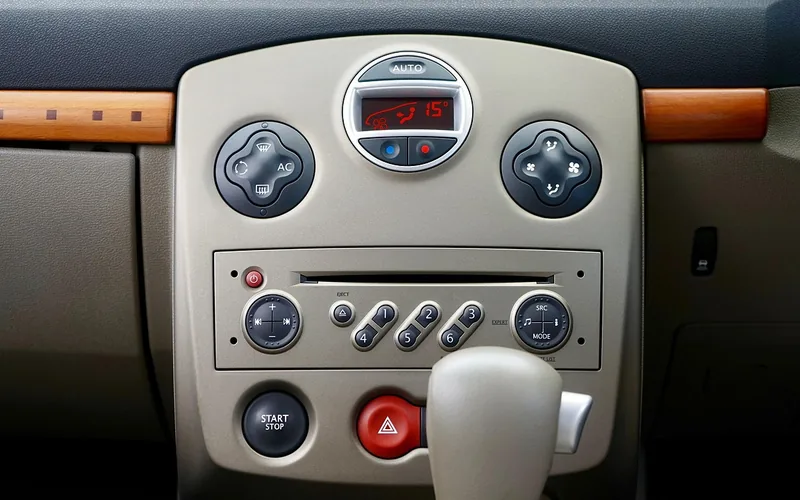
How to Set Amplifier Gain Without Damaging Your Speakers
Gain is not a volume control — it’s a sensitivity adjustment that matches the amp’s input to the signal coming from the head unit. Set it wrong and you get clipping: a distorted, square-edged signal that overheats voice coils and can destroy speakers over time, even at a volume that sounds “normal.” Follow these steps to set gain correctly:
- Turn off all processing: Set bass boost, loudness, and any “punch EQ” to off or zero on both the head unit and the amplifier before starting.
- Raise the head unit to near-max clean volume: Turn the head unit up to roughly 75–80% of its maximum, or the highest point just before you hear distortion.
- Start the amp’s gain at zero: Turn the amplifier’s gain dial all the way down before powering the system on.
- Raise gain slowly while listening: Increase the gain gradually with music playing until you first hear distortion or a clip indicator light activates, then back it off slightly below that point.
- Test at real listening volume: Play a mix of bass-heavy and vocal-heavy tracks at your normal volume to confirm nothing rattles, buzzes, or sounds harsh.
“Trying to squeeze too much volume out of an underpowered amplifier is the most common cause of clipping — when gain is turned up too high in an attempt to make things louder, the amp reaches its limits and distorts the signal instead of getting louder.”
Do You Need a DSP for Louder, Cleaner Sound?
A digital signal processor (DSP) connects between the head unit and amplifier to clean up and re-balance the audio signal before it reaches the speakers — without changing anything visible on the dashboard. It won’t add raw power the way an amplifier does, but by correcting time alignment and EQ dips a DSP makes an existing system sound noticeably louder and clearer at the same volume setting. A DSP is worth adding after you already have an amp and matched speakers in place — it’s a tuning tool, not a substitute for power.
Improving Sound With Equalization
An equalizer (EQ) shapes how loud different frequency ranges play relative to each other. Bass controls low, deep tones; treble controls high, crisp tones; midrange sits between the two and carries most vocals. Small adjustments make a bigger difference than large ones — boost or cut a band by 2–3 dB at a time and listen before going further, since aggressive EQ boosts are what cause distortion long before the amplifier itself clips.
Different music benefits from different EQ profiles: rock and hip-hop generally sound louder and punchier with a slight bass boost, while acoustic and classical recordings sound clearer with a flatter EQ and a touch more treble. Most modern head units let you save multiple EQ profiles and switch between them, so there’s no need to re-adjust settings every time you change genres. For finer control than a head unit’s built-in presets, a dedicated digital equalizer for car audio adds independent band-by-band tuning.
Minimizing Noise And Distortion
Road and wind noise compete directly with your music for perceived loudness — reducing outside noise often makes a system sound louder without touching the volume at all. Sound-deadening mats on doors and floors block road noise from entering the cabin, foam panels in the trunk stop bass waves from bouncing and muddying the low end, and fresh rubber door seals cut wind noise at highway speed. Together, these changes can make an unchanged stereo sound noticeably louder simply because there’s less competing noise to overcome.
Wiring quality matters too: cheap copper-clad-aluminum (CCA) speaker cable resists current more than pure copper, which wastes power as heat instead of sound and can introduce audible distortion at higher volumes. Gold-plated RCA connectors resist corrosion better than plain metal ones, keeping the signal clean between the head unit and amplifier. Inspect cables periodically for fraying or corrosion and replace any that look damaged before they cause a rattle or dropout.
📊 Sound above 85 dB can cause hearing damage with prolonged exposure, and every 3 dB increase roughly halves the safe exposure time — a car audio system pushed to around 120 dB with a strong amp and subwoofer can cause damage in under 10 seconds of exposure. — Source: OSHA, Occupational Noise Exposure
You don’t need to hit those extremes to enjoy a louder, more powerful system — installing a few dB of clean headroom above your usual listening volume is enough to make music feel fuller without approaching hearing-damage territory. If you plan to run a competition-level SPL setup, ear protection is worth having in the car.
Boosting Bass For Impact
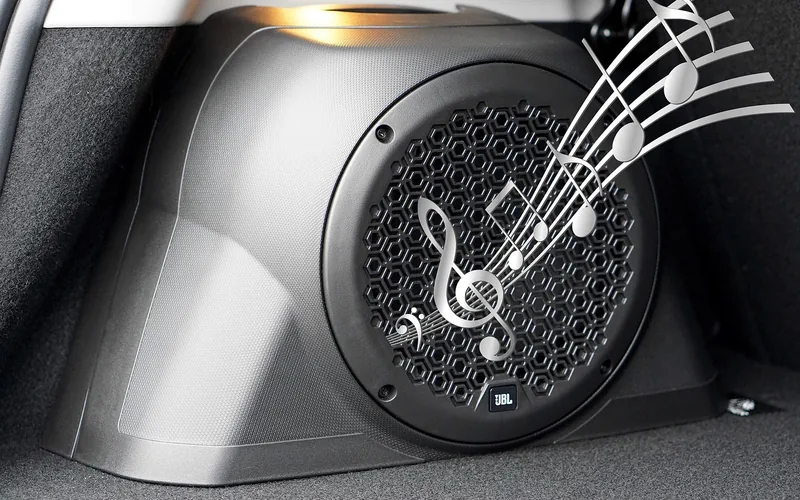
A subwoofer produces the low frequencies (typically below 80–100 Hz) that door speakers can’t reproduce, and it’s usually the single upgrade that makes a system feel loudest — even though its measured dB gain is smaller than a full speaker-and-amp overhaul. Choose a subwoofer with an RMS power handling rating that matches the amp driving it, and check the frequency response range: a lower low-end number (for example, 25 Hz vs. 35 Hz) means deeper, more felt bass rather than just louder bass.
Placement and enclosure type change how the bass sounds as much as the subwoofer itself does. Mounting the subwoofer in the trunk facing toward the rear of the vehicle lets the sound wave bounce off the rear glass and reinforce itself, which is why trunk-mounted subs often sound louder than the same driver mounted elsewhere. If you’re building or wiring your own enclosure rather than buying a loaded package, wiring a subwoofer correctly — matching impedance to what the amp expects — is what determines whether you get the full rated power or leave output on the table.
Maintaining Your Audio System
Loudness fades gradually as components wear, so check wiring for damage periodically and tighten any connection that’s come loose — a loose ground wire is one of the most common causes of a system that sounds weaker over time. Inspect speaker cones for dust buildup, cracks, or tears, since a compromised cone can’t move air as efficiently and loses volume even at the same power level. If you hear a new rattle, buzz, or pop that wasn’t there before, turn the volume down and investigate before continuing to drive the system hard — it’s usually cheaper to fix a loose panel than to replace a blown speaker.
Basic cleaning helps too: wipe down the head unit and amplifier with a dry or barely damp cloth, keep amplifier vents clear of dust and debris so it doesn’t overheat and shut down, and avoid letting any liquid near exposed connections. A properly maintained system holds its loudness and clarity for years; a neglected one gradually sounds quieter even though nothing was ever technically upgraded down.
For the broader picture — including no-cost volume tweaks, common mistakes, and a full cost breakdown — see our companion guide on how to make your car stereo louder.
Frequently Asked Questions
How Can I Increase My Car Audio Volume?
The most reliable way is upgrading your speakers to a higher sensitivity rating (90 dB+) and adding an amplifier with an RMS output matched to those speakers. A subwoofer adds felt bass loudness a stock system can’t produce, and soundproofing the cabin reduces the outside noise your music has to compete with. Cranking the factory volume knob alone just adds distortion once the head unit runs out of clean power.
What Are the Best Speakers for Loud Car Audio?
Component speaker sets from brands like JBL, Pioneer, and Rockford Fosgate perform well for loud car audio because their separate crossover keeps each driver playing only its ideal frequency range. Look for a sensitivity rating of 90 dB or higher and confirm the impedance matches your amplifier’s output before buying. Proper installation, including correct polarity and a solid mounting point, is just as important as the speaker itself.
How Does Soundproofing Improve Car Audio?
Soundproofing reduces the road and wind noise competing with your music, which makes the system sound louder and clearer without raising the volume. Materials like butyl-based sound-deadening mats reduce panel vibration and rattling, while foam in the trunk keeps bass waves from bouncing and muddying the low end. Proper installation on doors, floors, and the trunk is needed for the full effect.
Are Amplifiers Necessary for Louder Car Audio?
Yes, for any meaningful loudness increase. Factory head units typically supply only 15–20 watts RMS per channel, which is not enough to drive aftermarket speakers or a subwoofer to their potential. An amplifier supplies the clean power needed for higher volume without distortion, and choosing one with RMS output matched to your speakers avoids both underpowering and overdriving them.
What RMS Wattage Do I Need for Louder Car Audio?
Match the amplifier’s RMS output per channel to your speakers’ RMS rating, not their peak-wattage rating. If your speakers are rated 80W RMS, an amp delivering roughly 60–100W RMS per channel is the safe range — enough for real headroom without risking clipping or blown voice coils from an underpowered amp being pushed too hard.
Does Speaker Sensitivity (dB) Matter More Than Wattage?
Both matter, but sensitivity determines how much loudness you get from the power you have. A speaker rated 91 dB needs roughly half the power of an 88 dB speaker to reach the same volume, since every 3 dB increase in sensitivity halves the required wattage. High sensitivity paired with adequate RMS power produces the loudest, cleanest result — sensitivity alone can’t make up for a badly underpowered amplifier.
How Loud Can Car Audio Get Before It’s Unsafe?
According to OSHA, sound above 85 dB can cause hearing damage with prolonged exposure, and every 3 dB increase roughly cuts the safe exposure time in half. A car audio system pushed to around 120 dB — achievable with a strong amp and subwoofer — can cause damage in under 10 seconds. Enjoying a louder system safely means adding clean headroom above your normal listening level, not sustaining extreme SPL for long periods.
Conclusion
Making car audio genuinely louder comes down to power and efficiency, not the volume knob: match an amplifier’s RMS output to speakers rated 90 dB sensitivity or higher, set the gain correctly to avoid clipping, and add a subwoofer for bass a stock system can’t produce. Reducing cabin noise and dialing in the EQ finish the job. Start with the specs, not the price tag, and your system will end up louder and cleaner than simply buying the biggest amp you can find.
Products related to this article
Sponsored / affiliate links. As an Amazon Associate I earn from qualifying purchases. I may earn additional commission from eligible campaigns.