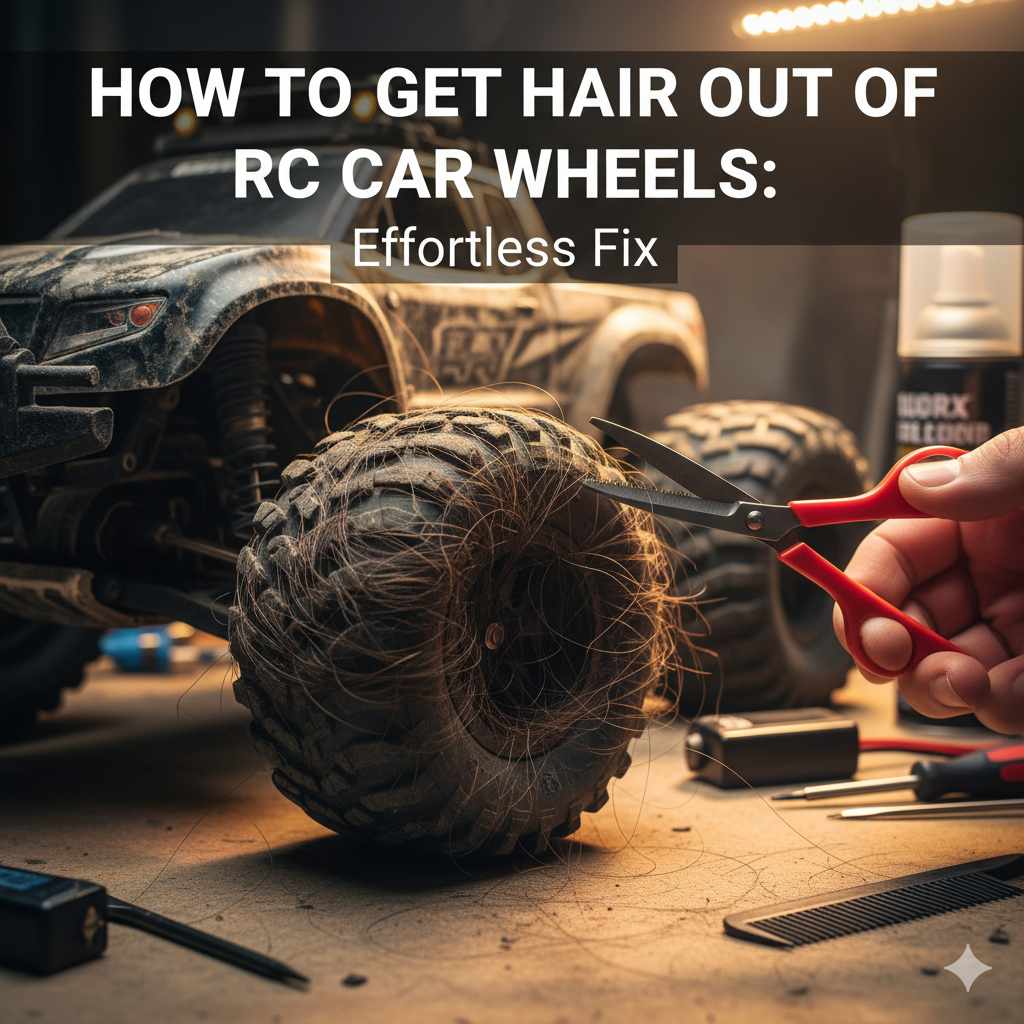
How to Get Hair Out of RC Car Wheels: Effortless Fix
Getting hair out of RC car wheels is easy! Gently pull or cut trapped hair from the axle and around the wheel hub. Use tweezers for small bits and pliers for larger tangles to restore your RC car’s smooth performance.
Has your remote-controlled car suddenly started to sound… unhappy? Maybe it’s not turning as sharply, or it’s making a weird grinding noise. The most common culprit for these issues, especially if you’ve been driving through grass or dusty areas, is hair! Yes, that seemingly innocent stuff can get wrapped around your RC car’s axles and wheel hubs, creating a real performance headache. It’s frustrating to see a beloved hobby machine hobbled by something as simple as stray strands. But don’t worry, cleaning out hair is a simple fix most beginner DIYers can handle with confidence. We’ll guide you through it step-by-step, making your RC car feel brand new again in no time!
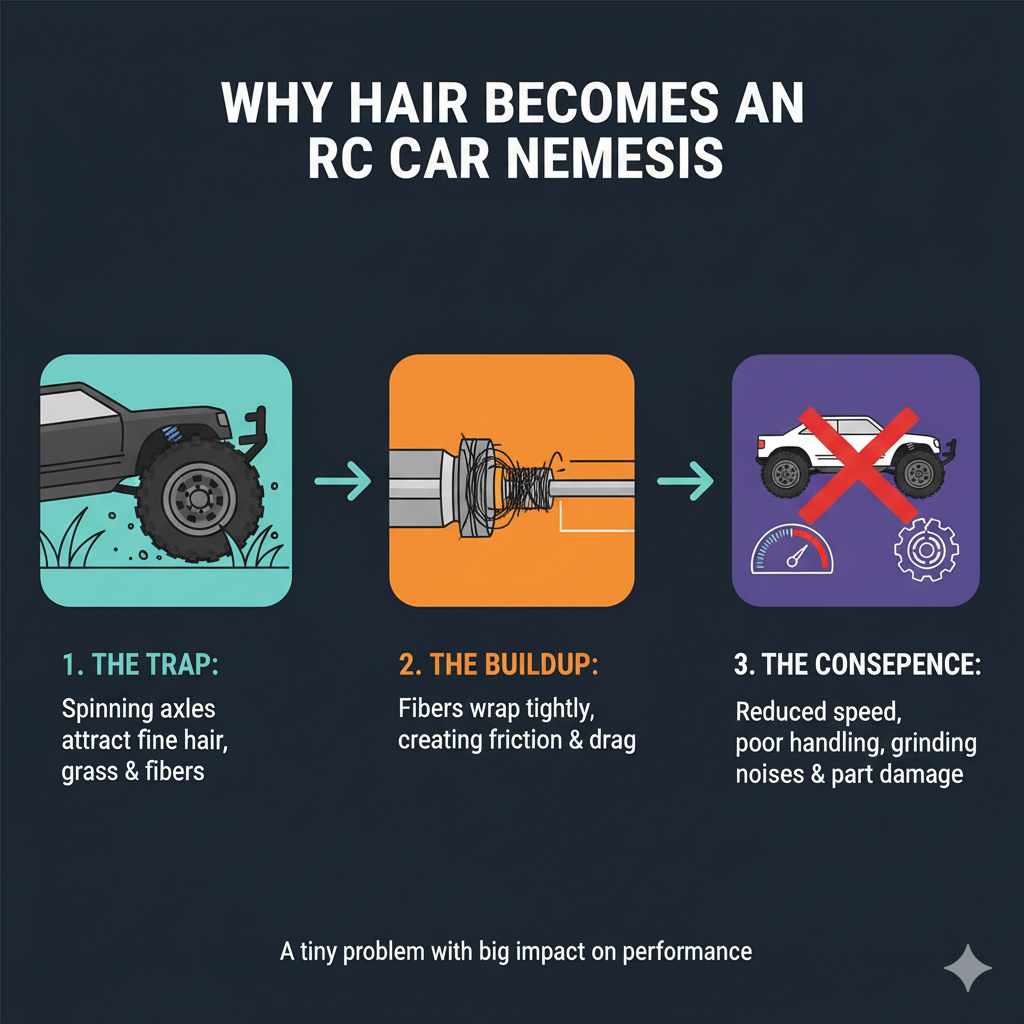
Why Hair Becomes an RC Car Nemesis
Remote-controlled cars, especially those designed for off-road adventures, have spinning parts that are magnets for debris. The axles, where the wheels attach to the car’s body, are particularly prone to collecting things. When your RC car zooms through tall grass, sheds, or even just dusty patches with loose fibers, these fine strands can easily get caught. Once a little hair gets wrapped, it acts like a tiny anchor. As the wheel spins, more hair gets pulled in, creating a tangled mess that can bind up the axle, cause friction, and even damage delicate parts. This buildup can lead to poor handling, reduced speed, and that dreaded grinding sound that tells you something isn’t right.
Understanding Your RC Car’s Wheel System
Before you start, it’s good to have a basic idea of how your RC car’s wheels are put together. Most RC cars have a similar setup, though the exact parts might vary slightly depending on the model and whether it’s a budget-friendly toy or a high-performance machine.
- Wheel Hub: This is the part of the wheel that directly connects to the axle. It might be plastic or metal.
- Axle Pin (or Dogbone): This is a small pin or shaft that passes through the wheel hub and connects to the drive system. Hair loves to wrap around this.
- Bearings (Optional but Common): Many RC cars use small bearings inside the wheel hub to allow the wheel to spin freely. Hair can get lodged around these bearings, preventing them from turning smoothly.
- Suspension Components: While not directly part of the wheel attachment, suspension parts like suspension arms and steering knuckles are located very close to the wheels and can also trap hair.
Knowing these parts helps you understand where that pesky hair is likely hiding.
Tools You Might Need
You don’t need a fancy mechanic’s toolkit for this job. Most of the items are common household items or inexpensive tools readily available at hobby stores or online. Having the right tools makes the job faster and much easier.
Essential Tools:
- Tweezers: A good pair of fine-tipped tweezers is your best friend for plucking out small, stubborn strands of hair.
- Small Pliers (Needle-Nose): For gripping and pulling out larger clumps or tangled sections of hair that tweezers can’t handle.
- Hobby Knife or Small Scissors: To carefully cut away any hair that is too tightly wound to pull out. Ensure they have a sharp, fine tip.
- Soft Brush or Compressed Air: To help clear away any loose debris after the hair is removed.
- Magnifying Glass (Optional): If your eyesight isn’t what it used to be, or the hair is very fine and hard to see, a magnifying glass can be invaluable.
- Shop Rags or Paper Towels: To keep your workspace clean.
Safety is key when using sharp tools. Always cut away from yourself and be mindful of delicate RC car parts.
Step-by-Step Guide: How to Get Hair Out of RC Car Wheels
Here’s how to tackle that hairy situation and get your RC car back in action:
Step 1: Safety First & Preparation
Before you touch anything, ensure your RC car is powered off and the battery is disconnected. This prevents any accidental motor activation. Find a well-lit area with plenty of space to work. Spread out a shop rag or paper towel to catch any hair or small parts you might remove. This also helps keep your workspace clean.
Step 2: Assess the Hair Situation
Gently rotate each wheel by hand to identify which wheels are affected and how severely. Listen for any scraping or clicking sounds. Look closely at the area where the wheel meets the car body. You’ll likely see hair wrapped around the axle pin, the center of the wheel hub, or possibly caught on bearing shields.
Step 3: Loosening and Initial Removal
Start by trying to gently pull out any loose strands of hair with your fingers. If clumps are more stubborn, use your fine-tipped tweezers to grip the hair as close to the axle as possible and pull it away. Work slowly and deliberately to avoid breaking the hair and leaving tiny fragments behind.
Step 4: Tackling Stubborn Tangles
For hair that is tightly wound or in large knots, it’s time to bring out the hobby knife or small, sharp scissors. Carefully slide the tip of the blade or scissors under the hair, as close to the axle as you can get, and gently cut the hair. Make small, precise cuts. Be extremely careful not to nick any plastic or metal parts of the axle, bearings, or suspension components. Once cut, use your tweezers or pliers to pull away the released hair. You might need to repeat this cutting and pulling process several times for a particularly bad tangle.
It can be helpful to try and cut the hair in multiple places around the axle. Cutting it in one spot might just create a shorter piece that’s still tightly wound. Imagine trying to untangle a knot in string – cutting it in a few key places often makes it easier to unweave.
For larger sections of hair, needle-nose pliers can give you a better grip than tweezers. Grip the hair firmly and twist gently as you pull. Sometimes a slight twisting motion can help loosen the hair from the axle.
Step 5: Cleaning Around Bearings
If your RC car has ball bearings in the wheel hubs, hair can get caught around the outer seals. Use your tweezers or a needle to carefully pick and pry any hair away from these seals. Avoid forcing anything, as you don’t want to damage the bearing seals, which protect the actual bearing from dirt and debris. If a bearing feels stiff or notchy after cleaning, it might be time to clean or replace it, but usually, a simple hair removal is enough.
Step 6: Final Detailing and Inspection
Once you’ve removed all the visible hair, take a moment to inspect the area thoroughly. Use your soft brush to sweep away any tiny remaining fibers or dust. A quick blast of compressed air can also help clear out hard-to-reach areas. Spin the wheel again by hand and listen for smooth rotation. Ensure there’s no resistance or unusual noise.
Referencing your RC car’s manual for specific diagrams of its wheel assembly can be incredibly useful during this step. For example, understanding how the Traxxas Slash suspension system integrates with the wheel might reveal other spots where hair could get caught.
Step 7: Reassemble (if necessary) and Test
If you had to remove any small parts like wheel nuts or pins to get better access, reassemble them now. Make sure everything is snug but not overtightened. Reconnect the battery and power on your RC car. Gently test its movement and listen for any remaining noises. A quick, controlled run in an open area is the best way to confirm your fix.
Preventing Future Hair Tangles
Prevention is always easier than a cure! Here are some tips to keep hair and debris from becoming a problem for your RC car:
- Choose Your Terrain Wisely: If you know your RC car is accumulating a lot of hair, try to avoid driving through very tall grass or debris-heavy areas as much as possible, especially during certain seasons.
- Regular Quick Checks: Make it a habit to quickly inspect your RC car’s wheels and axles after each run. A quick visual check and a spin of the wheels can catch problems before they become serious.
- Consider Mud Guards or Fenders: Some RC car models have optional mud guards or extended fenders that can help deflect debris away from the wheel wells and axles.
- Clean After Each Use: A quick wipe-down and a follow-up inspection after every play session can save you a lot of headaches later on.
When to Seek Professional Help (or Upgrade!)
For most hair-related issues, the steps above are all you need. However, there are times when you might encounter more significant problems:
- Damaged Parts: If, during your cleaning, you discover bent axle pins, chipped gears, or broken suspension components, it’s time to consider replacements.
- Persistent Grinding Noises: If you’ve removed all hair and still hear grinding, it could indicate a damaged bearing or other internal drivetrain issue.
- Unsure About Further Disassembly: If your RC car requires significant disassembly to access the problematic area, and you’re not comfortable with it, it’s wise to consult your hobby shop or a professional RC mechanic.
Sometimes, the problem might be more than just hair. A worn-out ball bearing, for instance, is a common cause of friction and noise. You can often find replacement bearings for popular RC car models at your local hobby store or online at sites like RCSuperstore.
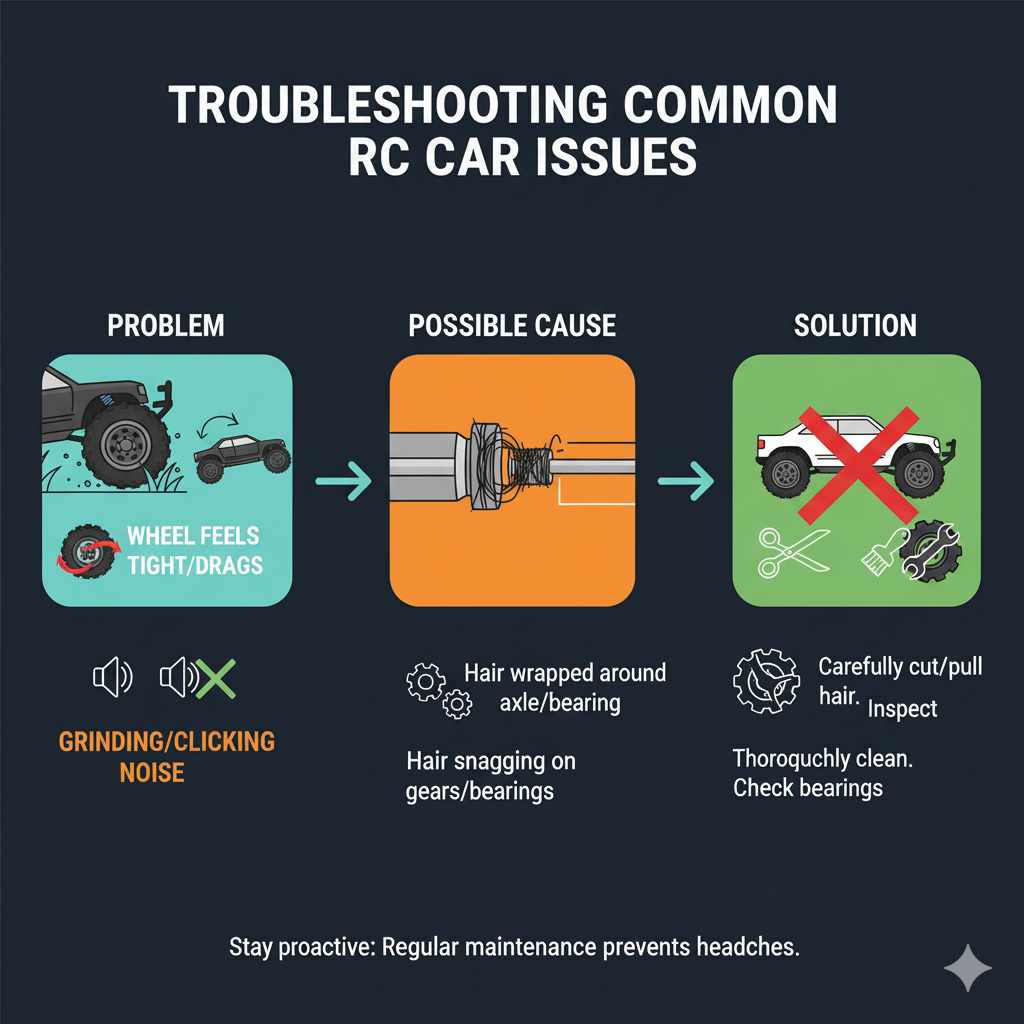
Troubleshooting Common Issues
Here’s a quick look at what might happen and how to react:
| Problem | Possible Cause | Solution |
|---|---|---|
| Wheel spins but feels tight or creates drag. | Hair tightly wound around the axle or bearing shield. | Carefully cut or pull out the hair using tweezers/knife. |
| Grinding or clicking noise when the wheel is spun. | Hair snagging on gears, bearings, or axle pins; debris accumulation. | Thoroughly clean all hair and debris. Inspect bearings for damage. |
| RC car pulls to one side or handles poorly. | Significant hair buildup on one side affecting drive or steering. | Inspect and clean wheels on both sides, even if only one seems affected. |
| Difficulty removing hair around bearings. | Hair is deeply embedded or very fine. | Use a sharp, fine-tipped needle or hobby knife to cut segments. Be gentle to protect bearing seals. |
Frequently Asked Questions (FAQ)
Q1: Will a little bit of hair really hurt my RC car?
A1: Even a small amount of hair can start to cause problems. It acts like string, wrapping tighter as the wheels spin, creating drag, noise, and uneven wear. It’s best to remove it promptly.
Q2: How often should I check my RC car for hair?
A2: It’s a good practice to give your RC car a quick visual check after each time you run it, especially if you’ve been driving in grassy or dusty areas. Regular checks catch issues early.
Q3: What if I cut a plastic part by accident?
A3: If you accidentally nick a plastic part, it might be okay depending on the severity. However, if it compromises the part’s integrity (e.g., a crack), you may need to replace it. Always use caution with sharp tools.
Q4: My RC car still makes noise after removing hair. What else could it be?
A4: If hair removal doesn’t solve the noise, it could be worn-out or damaged bearings, a problem with the gears in the differential or gearbox, or a bent axle. Inspect these components closely.
Q5: Can I use lubrication to help remove hair?
A5: While lubrication is great for bearings, it’s not generally recommended for removing hair from axles. It can actually attract more dust and debris, making the problem worse. Stick to mechanical removal.
Q6: Should I remove the wheels entirely to clean them?
A6: Often, you can remove hair without taking the wheels off. However, if the hair is deeply wrapped or hard to reach, removing the wheel will give you much better access to the axle and hub. Refer to your manual for how to safely remove your specific wheels.
Q7: Is it okay to leave hair on if it’s not causing a problem?
A7: It’s never advisable to leave hair on your RC car’s running gear. It might not cause an immediate, noticeable issue, but it will continue to create friction, potentially leading to overheating, increased wear on parts, and eventual mechanical failure. Early removal is key to longevity.
Conclusion
Dealing with hair in your RC car’s wheels might seem annoying, but as you’ve seen, it’s a straightforward maintenance task that anyone can handle. By following these simple steps, using the right tools, and taking a little time for inspection, you can easily keep your RC car running smoothly and quietly. Remember, regular maintenance and quick checks are your best defense against performance-robbing debris. So, next time you hear that tell-tale scrape or feel your RC car isn’t performing its best, don’t fret! Just grab your tweezers and a hobby knife, and get ready to restore your ride to its former glory. Happy driving!