
How to Get New Carpet in Apartment: Essential Guide
Can you get new carpet in an apartment? Yes, you can get new carpet in an apartment, but it requires understanding your lease agreement, communicating with your landlord, and often involves a deposit and approval process. The flexibility varies greatly based on landlord policies and lease terms.
Thinking about upgrading your apartment’s flooring with cozy new carpet? It’s a common desire, but the reality can feel a bit fuzzy when you’re renting. Unlike owning your own home, apartment living comes with rules, and those rules often dictate what you can and cannot do with your living space. Many renters wonder if it’s even possible to swap out old, worn-out carpet for something fresh and new.
The good news is, it can be done, but it’s rarely as simple as just picking out a style and having it installed. This guide is here to walk you through exactly how to navigate the process, from understanding your lease to getting your landlord’s official thumbs-up. We’ll break down everything you need to know to make your apartment feel more like home, with the carpets to prove it!
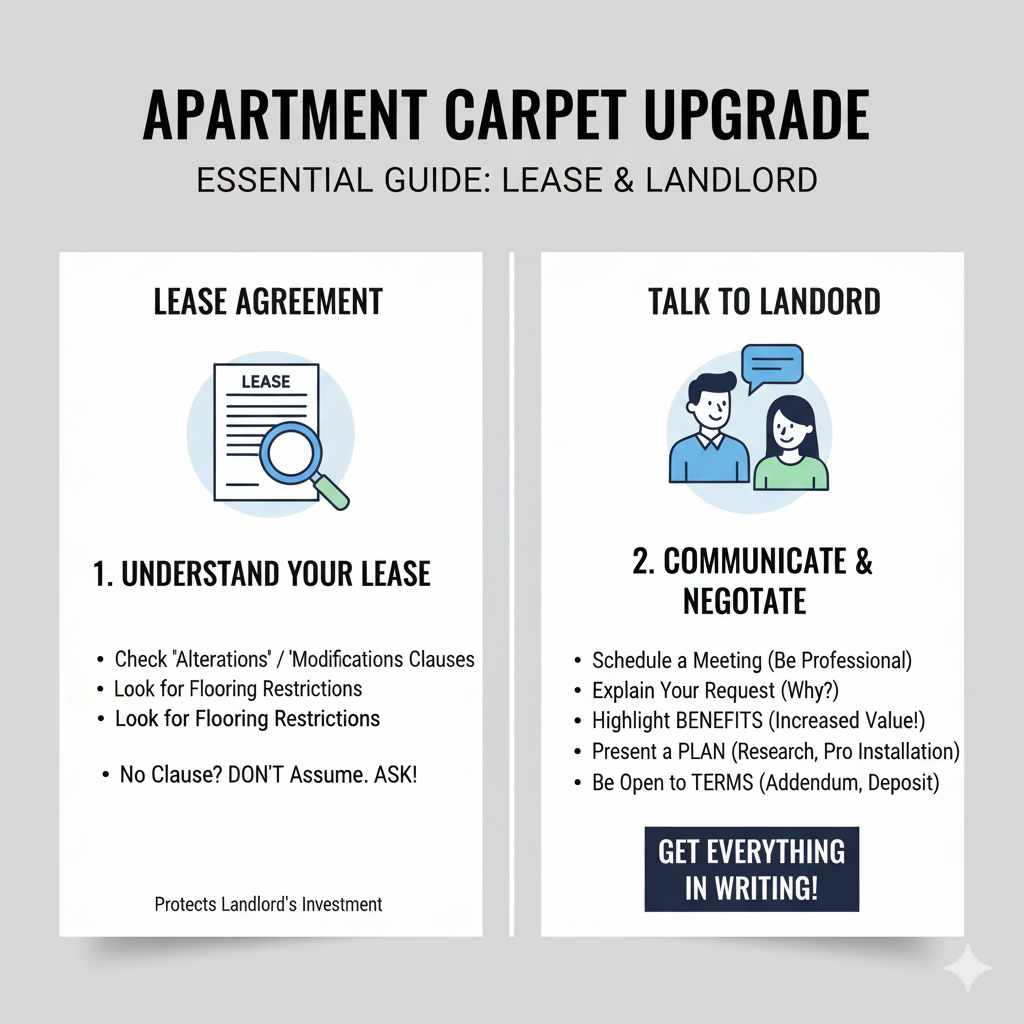
Understanding Your Apartment Lease and Landlord Policies
Before you even start dreaming about plush new textures underfoot, the very first and most crucial step is to dive deep into your apartment lease agreement. This legal document is your blueprint for what you can and can’t do within your rented space. Most leases have specific clauses about alterations or improvements to the property. These clauses are designed to protect the landlord’s investment and ensure the property is maintained in a certain way. Some leases might outright prohibit any flooring changes, while others may allow them under specific conditions.
Pay close attention to any sections that discuss “alterations,” “modifications,” or “improvements.” You’re looking for language that addresses permanent or semi-permanent changes to the unit. If the lease is unclear or you can’t find anything specific about flooring, don’t assume it’s allowed. This is where your next step comes in: direct communication.
Talking to Your Landlord or Property Manager
Your landlord or property manager is your key to unlocking this upgrade. Approaching them with a well-thought-out proposal is far more effective than simply asking “Can I get new carpet?” Be prepared, professional, and positive. Here’s how to make that conversation count:
- Schedule a Meeting: Ask for a specific time to discuss a potential improvement to your unit. This shows respect for their time and indicates you have something important to talk about.
- Be Clear About Your Request: State your desire to replace the existing carpet with new carpeting. Explain why – perhaps the current carpet is old, stained, or an allergen concern.
- Highlight the Benefits (for Them!): Frame your request as something that could potentially benefit the property in the long run. New carpet can increase the unit’s appeal and value. If you’re willing to pay for it, it’s essentially a landlord’s dream scenario – an upgrade they don’t have to fund.
- Have a Plan: Show them you’ve done your homework. Mention you’re researching carpet types, considering professional installation, and understand any associated costs. Presenting a responsible plan makes your request seem less like a whim and more like a well-considered project.
- Be Open to Negotiation: Your landlord might have specific preferences for carpet type, color, or installation company. They might also require a written addendum to your lease outlining the terms, or a larger security deposit to cover potential future issues or the cost of reverting the change when you move out.
If your landlord is open to the idea, the next step is getting everything in writing. A verbal agreement is not enough when it comes to property modifications. You’ll want a formal addendum or written permission that details who is responsible for what, the type of carpet approved, the installation process, and any conditions related to moving out.
Weighing the Pros and Cons of New Carpet in an Apartment
While the idea of new carpet is appealing, it’s wise to consider both the advantages and disadvantages, especially in a rental situation. This helps you make an informed decision and discuss potential concerns with your landlord.
Pros of Getting New Carpet
- Improved Aesthetics: Fresh carpet instantly makes a space feel cleaner, more inviting, and updated. It can transform the entire look and feel of your apartment.
- Enhanced Comfort: New carpet is often softer, more comfortable, and provides better insulation than old, worn-out options.
- Better Air Quality: Older carpets can trap dust, allergens, and mold. New carpeting, especially if you choose hypoallergenic options, can contribute to a healthier indoor environment.
- Personalization: It allows you to choose a style, color, and material that better suits your taste and lifestyle, making the apartment feel more like your own.
- Potential for a Larger Deposit Return: If the landlord agrees to the upgrade and it’s done professionally, it could be seen as an improvement, potentially safeguarding your deposit if the landlord would normally deduct for carpet wear and tear.
Cons of Getting New Carpet
- Cost: Even if you’re paying, the cost of carpet, padding, and installation can be substantial. You’ll need to budget for this upfront expense.
- Landlord Approval: This is the biggest hurdle. Many landlords are hesitant to allow tenants to make significant modifications, fearing potential damage or issues.
- Lease Implications: If approved, you might need to sign a lease addendum. This could involve a higher security deposit, specific requirements for removal when you move out, or even liability for the carpet’s condition.
- Potential for Extra Costs Upon Moving Out: Depending on your agreement, you might be required to replace the carpet with the original type (or similar) when your lease ends, or you might forfeit your deposit if the carpet is damaged.
- Damage and Wear and Tear: Accidents happen. Spills, pet damage, or excessive wear can be costly to repair or replace, and you’ll likely be responsible.
- Limited Permanence: You get to enjoy the carpet during your tenancy, but if you move to a new apartment, you can’t take it with you.
It’s also worth considering the lifespan of carpet. While a new carpet can last 10-15 years in a home, your tenancy might be shorter. Ensure the investment makes sense for the duration you plan to stay.
What to Discuss with Your Landlord: Key Agreement Points
Once your landlord expresses some willingness, it’s time to get down to the nitty-gritty details. A clear, written agreement is essential to prevent misunderstandings later on. Here are key points you absolutely must discuss and have documented:
1. Who Pays?
This is often the first and most important question. Are you footing the entire bill for the carpet, padding, and installation? Or is the landlord willing to split costs or contribute a portion, especially if it’s an upgrade they find valuable?
2. Carpet Specifications
Your landlord will likely have opinions on the type, material, color, and even brand of carpet. They might favor high-durability materials like nylon, a neutral color palette, or specific brands known for longevity. You’ll need to select options that meet their criteria. Make sure the selected carpet is suitable for apartment living, meaning it’s durable and easy to clean.
For instance, a moderate pile height and solution-dyed nylon are often recommended for high-traffic areas and stain resistance. You can research carpet types recommended by industry professionals. For example, The Carpet and Rug Institute (CRI) offers extensive resources on carpet and installation best practices.
3. Flooring Type and Underlayment
Confirm the exact type of carpet (e.g., cut pile, loop pile) and the quality of the underlayment (padding). A good underlayment enhances comfort, extends carpet life, and provides sound dampening, which is a big plus in apartment buildings.
4. Installation Process
Who will install the carpet? Will it be a company you choose, a company the landlord approves, or a company they use regularly? Ensure the installers are licensed, insured, and experienced. Agree on a date and time for installation that works for everyone.
5. Timeline and Duration
For how long will this new carpet be in place? If your lease is nearing its end, a landlord might be hesitant to approve a significant upgrade. You might need to commit to extending your lease or signing a new one if you want to enjoy the new carpet for an extended period.
6. Security Deposit and Hold Harmless Clauses
It’s common for landlords to request an increased security deposit to cover potential damages or the cost of removing and replacing the carpet at the end of your tenancy if required. You might also need to sign a “hold harmless” clause, stating you won’t hold the landlord responsible for any issues arising from the installation or condition of the new carpet.
7. End-of-Lease Requirements
This is critical. Will you be required to remove the carpet and restore the original flooring when you move out? Or will you leave it for the next tenant? If removal is required, who bears the cost? If you leave it, what condition must it be in?
Having a written addendum to your lease that clearly spells out all these points is paramount. This protects both you and your landlord.
Choosing the Right Carpet for Your Apartment
Once you have the green light and a clear understanding of your landlord’s requirements, it’s time to select your carpet. In an apartment setting, durability, ease of maintenance, and neutral aesthetics are often key. Here’s a breakdown of popular choices:
Carpet Material Options
The material of your carpet significantly impacts its durability, feel, and price.
- Nylon: This is a very popular choice for apartments due to its exceptional durability, resilience, and stain resistance. It’s excellent for high-traffic areas. It can be slightly more expensive than other synthetic options.
- Polyester (PET): Often made from recycled materials, polyester is known for its softness and vibrant color options. It’s generally less resilient than nylon and can be prone to crushing in high-traffic areas, but it offers good stain and fade resistance.
- Polypropylene (Olefin): This is the most budget-friendly option and is inherently stain-resistant and moisture-proof because it doesn’t absorb liquids. However, it’s not as resilient as nylon and can fray. It’s often used in low-traffic or temporary installations.
- Wool: A natural fiber, wool is luxurious, durable, and naturally flame-resistant. However, it’s significantly more expensive, can be prone to staining if not treated, and requires professional cleaning. It’s less common for apartment upgrades unless specifically approved and budgeted for.
Carpet Construction Styles
The way the carpet is constructed affects its texture and appearance.
- Plush/Velvet: Has a smooth, dense surface with cut fibers. It feels luxurious but can show vacuum marks and wear more easily in heavy traffic.
- Saxony: Similar to plush but with slightly longer, more defined fibers. It offers a formal, elegant look but can be prone to matting.
- Frieze: Features short, twisted, curly fibers that create a casual, textured look. It’s very durable and hides wear well, making it a good apartment choice.
- Cut and Loop: Combines cut and looped fibers to create patterns and textures. It offers good durability and can hide wear effectively.
- Berber: Known for its looped construction, often with a flecked appearance. Berber is very durable and resistant to crushing but loops can sometimes snag.
Key Features to Look For in Apartment Carpets
- Stain Resistance: Essential for apartment living. Look for carpets treated with stain-resisting solutions or made from inherently stain-resistant fibers like polyester or polypropylene, or durable ones like nylon.
- Durability and Resilience: Choose materials and constructions that can withstand foot traffic and furniture. Nylon and frieze or cut-and-loop styles are often good choices.
- Low Pile Height: Shorter, denser carpets are generally more durable and easier to clean than high-pile carpets.
- Neutral Colors: Light grays, beiges, or muted blues can make a space feel larger and brighter, and they tend to show less wear than very dark or very light colors. This also appeals to landlords.
- Hypoallergenic Options: If allergies are a concern for you or future tenants, consider carpets made with materials that don’t harbor as many allergens.
Understanding Carpet Warranties
Pay attention to any warranties offered by the manufacturer or installer. These can cover issues like staining, fading, wear, and manufacturing defects. Understand what the warranty covers, for how long, and what conditions must be met to maintain the warranty (e.g., professional cleaning requirements).
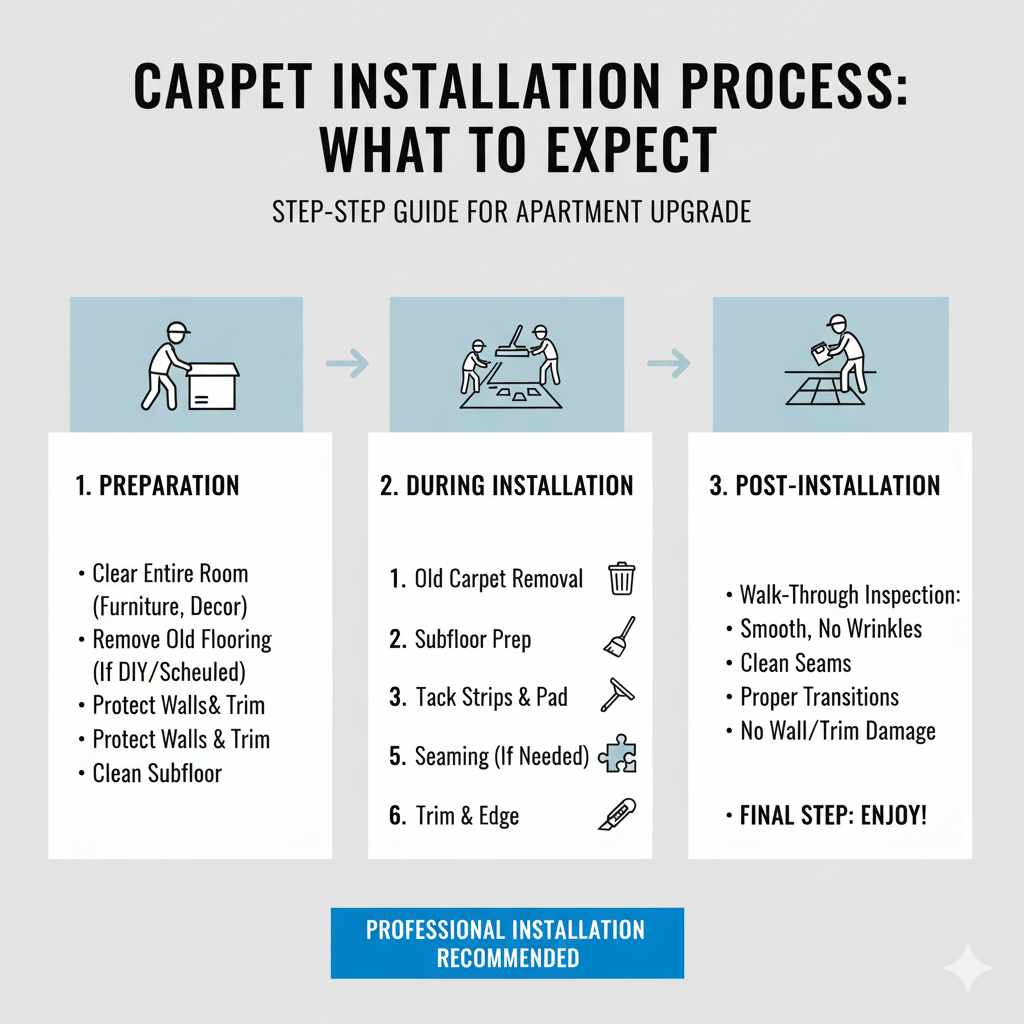
The Installation Process: What to Expect
Once you’ve chosen your carpet and finalized the agreement with your landlord, installation is the next major step. Professional installation is highly recommended, especially since your landlord likely has specific expectations.
Preparing Your Apartment for Installation
Before the installers arrive, you’ll need to prepare the space. This typically includes:
- Clearing the Room: Remove all furniture, decor, and personal items from the room(s) where the carpet will be installed. If you have large or heavy furniture, you might need to arrange for professional movers or assistance.
- Removing Old Flooring: If there’s existing carpet or other flooring, confirm whether the installation team will remove it or if you need to handle it. Often, this is an additional service or something you’ll need to arrange.
- Protecting Walls and Trim: Ensure your landlord has advised on protecting baseboards and walls. While installers are usually careful, sometimes protective coverings are recommended.
- Emptying Closets: If closets are being carpeted, remove everything from them.
During Installation
The installation process usually involves these steps:
- Removing Old Carpet and Padding: The old flooring is stripped away.
- Preparing the Subfloor: The subfloor is inspected for damage or unevenness. Any necessary repairs are made to ensure a smooth, clean surface.
- Laying Down Tack Strips: Strips of wood with sharp nails are placed around the perimeter of the room to help stretch and secure the new carpet.
- Installing the Pad: A layer of cushioning (underlayment) is laid over the subfloor.
- Stretching and Laying the Carpet: The new carpet is unfurled, roughly positioned, and then stretched tightly using specialized tools (like a power stretcher) to ensure a smooth, wrinkle-free surface. It’s then trimmed and secured to the tack strips.
- Seaming (if necessary): If multiple pieces of carpet are used, they are carefully joined together to create seamless transitions.
- Trimming and Edging: The carpet is trimmed around the edges, and often tucked under baseboards or into transition strips.
Post-Installation Checks
Once the work is done, take a thorough walk-through with the installer. Look for:
- Smooth, wrinkle-free appearance.
- Properly seamed edges.
- Clean transitions to other flooring types.
- Any damage to walls or trim during the process.
- Ensure all debris is removed from the work area.
It’s also a good idea to get a final invoice and any warranty information from the installers.
Managing Carpet Care and Maintenance in Your Apartment
Once your beautiful new carpet is installed, keeping it looking its best is key, especially if you want to ensure a smooth move-out and potentially get your full security deposit back.
Daily/Weekly Maintenance
- Vacuum Regularly: Aim to vacuum at least once a week, more often in high-traffic areas. This prevents dirt from becoming embedded in the carpet fibers. Use a vacuum with good suction and appropriate settings for carpet.
- Deal with Spills Immediately: Blot, don’t rub, spills with a clean white cloth. Work from the outside of the stain inward. For most spills, a mixture of mild dish soap and water can be effective, followed by rinsing with clean water and blotting dry. For tougher stains, specific carpet stain removers might be needed, always tested in an inconspicuous area first.
- Use Doormats: Place doormats at all entrances to trap dirt and moisture before it can be tracked onto your carpet.
- Remove Shoes Indoors: This is one of the most effective ways to keep carpets cleaner, as shoes track in a lot of dirt, grit, and potential contaminants.
Periodic Deep Cleaning
Even with regular vacuuming, carpets benefit from periodic deep cleaning.
- Professional Cleaning: Many landlords require professional carpet cleaning every 12-24 months, especially before you move out. Check your lease addendum. Professional cleaning uses specialized equipment that can extract deep-seated dirt and allergens.
- DIY Rental Machines: If your lease permits and you have the energy, you