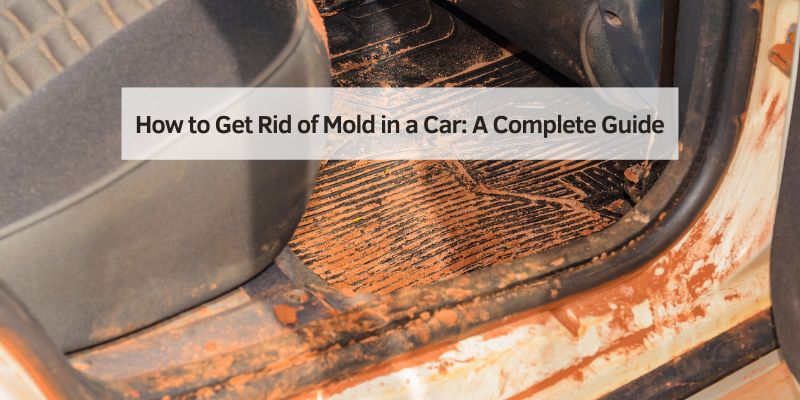
How to Get Rid of Mold in a Car: A Complete Guide
Hey there! So, you’ve noticed a funky smell in your car, or maybe you’ve spotted some green or black patches that don’t belong. I’ve been there, and let me tell you, finding mold in your car is no fun. It’s not just gross—it can mess with your health and make every drive feel like a chore. A few years back, I dealt with mold in my old sedan after leaving it parked in a damp garage for too long.
I learned a lot about how to get rid of mold in a car, and I’m excited to share what worked for me. Whether it’s a small patch or a full-on invasion, I’ve got you covered with practical, easy steps to make your car fresh and clean again. Let’s dive in and tackle that mold together!
What Causes Mold in a Car?
First things first, let’s talk about why mold even shows up in your car. I remember being shocked when I found mold growing on my car’s floor mats. Turns out, mold loves dark, damp places, and cars can be the perfect spot if you’re not careful. Here’s what usually causes it:
- Moisture: Spilled drinks, wet clothes, or even a leaky window can leave your car damp. If that moisture sits for a while, mold starts to grow. My car had a tiny crack in the sunroof seal, and that was enough to let water sneak in.
- Poor Ventilation: If your car is sealed up for days, especially in humid weather, the trapped air gets stale and mold-friendly. I learned this after parking my car for a week during a rainy spell.
- Food or Organic Material: Crumbs, spilled coffee, or even pet hair can feed mold. I once found an old granola bar wrapper under my seat, and it was like a mold buffet.
- High Humidity: If you live in a humid place like Florida or Louisiana, your car is more likely to get moldy. Humidity was a big factor for me when I lived near the coast.
Understanding these causes helped me figure out how to prevent mold in the future. But if it’s already there, don’t worry—we’ll get it out.
Why Mold in Your Car Is a Big Deal
I used to think mold was just an eyesore, but it’s more serious than that. When I started sneezing every time I got in my car, I knew something was up. Mold can cause health issues like allergies, asthma flare-ups, or even respiratory problems. It’s especially bad for kids, pets, or anyone with a sensitive immune system.
Plus, mold can damage your car. It eats away at upholstery, carpets, and even leather over time. I noticed my car’s seats started looking worn where the mold had spread. And let’s not forget the smell—it’s musty and embarrassing when you have passengers. Getting rid of mold isn’t just about looks; it’s about keeping your car safe and comfortable.
Signs You Have Mold in Your Car
Before we jump into fixing the problem, let’s make sure it’s mold. I missed the signs at first because I thought it was just dirt. Here’s what to look for:
- Musty Smell: If your car smells like a damp basement, mold is likely the culprit. I noticed this after a few days of ignoring a wet floor mat.
- Visible Spots: Mold can look like black, green, or white patches on seats, carpets, or headliners. Check hidden spots like under seats or in the trunk.
- Health Symptoms: Sneezing, itchy eyes, or a stuffy nose when you’re in the car could mean mold. This was my wake-up call.
- Water Damage: If your car’s been wet from a spill or leak, mold might follow. I found mold in my trunk after a grocery bag leaked.
If you see or smell any of these, it’s time to act. The sooner you tackle mold, the easier it is to get rid of.
Tools and Supplies You’ll Need
When I decided to clean the mold in my car, I realized I needed the right gear. You don’t need anything fancy, but having the right tools makes the job easier. Here’s what I used:
- White Vinegar: A natural mold-killer that’s cheap and safe. I bought a big jug for a few bucks.
- Spray Bottle: For applying vinegar or cleaning solutions.
- Baking Soda: Great for scrubbing and deodorizing.
- Soft Brush: A toothbrush or small scrub brush works for getting into tight spots.
- Microfiber Cloths: These are perfect for wiping down surfaces without scratching.
- Vacuum with HEPA Filter: Sucks up mold spores without spreading them. I borrowed one from a friend.
- Protective Gear: Gloves, a mask, and maybe safety glasses to keep mold spores off you.
System: pet Extractor: Optional, but it’s great for deep-cleaning carpets and upholstery. I rented one from a hardware store.
I also kept a trash bag handy for tossing out moldy items like old floor mats. Having these supplies ready made the process smooth and stress-free.
Step-by-Step Guide to Removing Mold from Your Car
Alright, let’s get to the good stuff—how to actually get rid of the mold. I’ve done this a couple of times, and this method worked like a charm. Here’s what I did:
Step 1: Park in a Dry, Sunny Spot
Mold hates sunlight and fresh air. I parked my car in an open, sunny area to help dry it out. Open all the doors and windows to let air circulate. This step is key to prevent mold from coming back.
Step 2: Remove Moldy Items
Check for anything removable, like floor mats or seat covers, that might have mold. I tossed out a couple of old mats that were too far gone. If they’re salvageable, set them aside for cleaning.
Step 3: Vacuum Thoroughly
Use a vacuum with a HEPA filter to suck up loose mold spores and debris. I went over every inch of the interior—seats, carpets, trunk, even the air vents. Be thorough; mold spores are tiny and can hide anywhere.
Step 4: Clean with Vinegar
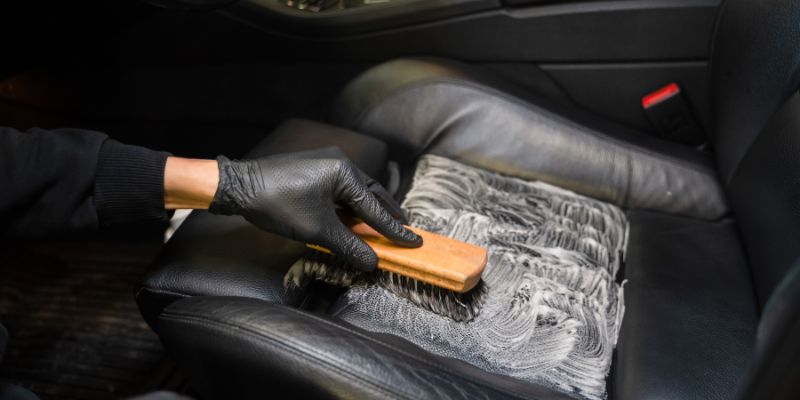
Fill a spray bottle with equal parts white vinegar and water. Spray it on moldy areas and let it sit for 10-15 minutes. Vinegar kills mold on contact. I scrubbed gently with a soft brush, focusing on seams and crevices. Wipe it down with a microfiber cloth afterward.
Step 5: Tackle Tough Stains
For stubborn mold spots, I mixed baking soda with a little water to make a paste. Scrub it in with a brush, then wipe it off. This worked great on my car’s upholstery. If the mold is deep in the carpet, a carpet cleaner with an antimicrobial solution is a lifesaver.
Step 6: Dry Everything Completely
Mold loves moisture, so drying is crucial. I used fans and left the car open in the sun for a day. You can also use a dehumidifier if it’s really humid where you live. I learned the hard way that skipping this step can bring mold back fast.
Step 7: Deodorize
Even after cleaning, that musty smell can linger. I sprinkled baking soda on carpets and seats, let it sit for a few hours, then vacuumed it up. You can also use an odor eliminator spray designed for cars. My car smelled fresh again after this.
Step 8: Check the Air System
Mold can hide in your car’s air vents or cabin filter. I replaced my cabin air filter and ran the AC with a disinfectant spray to clean the system. This step made a huge difference in keeping the air fresh.
Here’s a quick table summarizing the steps:
| Step | Action | Tools Needed |
|---|---|---|
| Park in Sun | Park in a dry, sunny spot | None |
| Remove Items | Take out moldy mats or covers | Trash bag |
| Vacuum | Vacuum with HEPA filter | Vacuum cleaner |
| Clean with Vinegar | Spray and scrub moldy areas | Vinegar, spray bottle, brush |
| Tackle Stains | Use baking soda paste or cleaner | Baking soda, carpet cleaner |
| Dry Completely | Dry with fans and sunlight | Fans, dehumidifier (optional) |
| Deodorize | Use baking soda or odor spray | Baking soda, odor eliminator |
| Check Air System | Replace filter, clean vents | New filter, disinfectant spray |
This process took me a weekend, but it was worth it to have a clean, mold-free car.
Preventing Mold from Coming Back
Once I got the mold out, I was determined to keep it gone. Here’s what I started doing to prevent it:
- Fix Leaks: I had a mechanic check my sunroof and windows for leaks. Fixing that tiny crack saved me from future headaches.
- Keep It Dry: I now shake out wet umbrellas or clothes before tossing them in the car. A waterproof trunk liner helps with spills.
- Ventilate: I crack the windows or sunroof when parking for long periods, especially in humid weather. It’s a small habit that makes a big difference.
- Clean Regularly: Vacuuming and wiping down surfaces every month keeps crumbs and moisture at bay. I also check hidden spots like under seats.
- Use a Dehumidifier: In humid climates, a small car dehumidifier bag (like those silica gel packs) can absorb moisture. I keep one in my trunk year-round.
These steps became second nature, and I haven’t had a mold problem since.
Health Risks of Ignoring Mold
I’ll be honest—when I first saw mold in my car, I thought, “Eh, it’s just a little fuzz.” Big mistake. Mold isn’t just ugly; it’s a health hazard. Breathing in mold spores can cause allergic reactions, coughing, or even infections in rare cases. I started getting headaches and a stuffy nose, which stopped once I cleaned the car.
For people with asthma or weak immune systems, mold can be even worse. Kids and pets are also at risk. I felt terrible thinking my dog might’ve been breathing that stuff in. Cleaning it out ASAP is the best move for everyone’s health.
When to Call a Professional
Most mold problems can be handled at home, but sometimes it’s too much. If the mold covers large areas, keeps coming back, or smells really bad, it’s time to call in the pros. I almost went this route when I found mold in my car’s headliner, but my DIY method worked. Professionals have industrial-grade cleaners and tools to tackle severe cases, especially if mold’s in the HVAC system. It costs more—$200-$500 depending on the job—but it’s worth it if you’re overwhelmed.
Environmental Impact of Mold in Cars
Mold isn’t just bad for you; it’s bad for the planet if it forces you to replace parts. Tossing out moldy seats or carpets adds to landfill waste. I felt guilty throwing out my old floor mats, but they were beyond saving. By catching mold early and cleaning it, you can save your car’s interior and reduce waste. Plus, using natural cleaners like vinegar keeps harsh chemicals out of the environment. It’s a small way to be eco-friendly while keeping your car in top shape.
Cost of Dealing with Mold
Cleaning mold yourself is pretty cheap. I spent about $20 on vinegar, baking soda, and a brush. Renting a carpet cleaner was another $30 for a day. If you go professional, expect to pay $200-$500, depending on the car and the mold’s severity. Prevention is even cheaper—fixing a leak might cost $100-$300, but it saves you from bigger bills later. I learned that investing a little upfront keeps mold from becoming a costly nightmare.
Why I Love a Mold-Free Car
After dealing with mold, I can’t tell you how great it feels to drive a clean, fresh-smelling car. It’s like a weight lifted off my shoulders. No more sneezing, no more embarrassment when friends hop in. Plus, knowing I’m protecting my car’s value and my health makes it all worthwhile. It’s not just about the car—it’s about feeling good every time you hit the road.
Wrapping It Up
Dealing with mold in your car might seem daunting, but it’s totally doable. I went from panicking about musty smells and green patches to driving a fresh, clean car in just a weekend. By understanding what causes mold, catching it early, and following a simple cleaning process, you can banish it for good.
Plus, a few easy habits like keeping your car dry and ventilated will keep mold from coming back. Whether you’re a car enthusiast or just someone who wants a healthy ride, getting rid of mold is a game-changer. So, grab those supplies, roll up your sleeves, and enjoy the feeling of a mold-free car. You’ve got this!
FAQs
How do I know if my car has mold?
Look for a musty smell, black or green patches, or water stains. If you’re sneezing or coughing in the car, mold might be the cause. Check under seats, in the trunk, and around windows.
Can I clean car mold myself?
Yes, most mold can be cleaned with vinegar, a brush, and some elbow grease. For big infestations or mold in the air system, you might need a professional.
What’s the best way to preve8nt mold in my car?
Keep your car dry, fix leaks, and ventilate it regularly. Vacuum often and use a dehumidifier bag in humid areas. I started doing this, and it’s kept mold away.
Is mold in my car dangerous?
It can be. Mold causes allergies, asthma issues, or respiratory problems, especially for kids or people with weak immune systems. Cleaning it quickly keeps everyone safe.
How much does it cost to remove mold from a car?
DIY cleaning costs about $20-$50 for supplies. Professional cleaning can run $200-$500, depending on the job. Fixing leaks early is cheaper than dealing with mold later.