Are Cats Hard to Take Care of? A Complete Guide for New Pet Owners
Hey there, friend! So, you’re thinking about getting a cat, but that big question is lingering: “Are cats hard to take care of?” I hear you! Cats have this vibe of being super chill, independent pets, but there’s more to it than just tossing some kibble in a bowl. I’ve been a cat parent for years now, and let me tell you, it’s been a wild, wonderful ride. My two cats, Bella and Oliver, have taught me so much about what it takes to keep them happy and healthy.
Cats aren’t as high-maintenance as dogs, but they’re not zero-effort either. Grab a coffee, and let’s chat about everything you need to know—from feeding to grooming to keeping those furry buddies entertained. By the end, you’ll know exactly what’s involved and whether a cat is the perfect addition to your life. Trust me, it’s a journey worth taking!
What Cats Need to Thrive
When I first brought Bella home, I thought cat care would be a breeze. A little food, a cozy spot to nap, and done, right? Not quite. Cats have specific needs, and meeting them is the key to a happy, healthy pet.
First up, food. Cats are picky eaters, and they need a diet packed with protein. They’re obligate carnivores, which means meat is non-negotiable. I learned this the hard way when I tried a budget brand, and Bella gave me the cold shoulder. Now, I stick to high-quality cat food labeled “complete and balanced” by the AAFCO. Wet food is great for keeping them hydrated, while dry food helps with their teeth. I give my cats a mix of both to keep things balanced. A general guide is about 20-25 calories per pound of body weight daily, but your vet can tweak that for your cat’s size and age.
Water is a big deal, too. Cats don’t always drink as much as they should. I keep fresh water out 24/7, and Oliver loves his pet fountain. It’s like a mini water park for him! If you get one, clean it weekly to keep it free of gunk.
Shelter is simple but important. Cats love having their own space to feel safe. Bella’s favorite spot is a soft blanket in a quiet corner, while Oliver claims every cardboard box that enters the house. A cozy bed or even a cheap basket with a towel works wonders.
And don’t forget love. Cats might seem standoffish, but they crave attention. I spend time petting Bella or chatting with Oliver (yes, he meows back). It builds trust and makes them feel secure. It’s not hard, but you’ve got to show up every day.
How Much Time Do Cats Take?
You’ve probably heard cats are “low-maintenance.” That’s half-true. They don’t need walks like dogs, but they still need your time. When I got Oliver, I thought he’d just do his own thing. Turns out, cats need a daily dose of care and attention.
I spend about 45 minutes to an hour a day on my cats. This covers feeding, cleaning the litter box, and playtime. Playtime is huge—cats are natural hunters, and toys like feather wands or laser pointers let them chase and pounce. Bella goes nuts for a string toy, but if I skip playtime, she starts batting at my curtains. It’s her way of saying, “I’m bored, human!”
Cats are okay being alone for 8-10 hours while you’re at work. I leave for my job, and they’re fine napping or staring out the window. But don’t leave them too long. If I’m gone overnight, I have a friend pop in to check their food, water, and litter box. If you travel a lot, a pet sitter is a must. I’ve used one for weekend trips, and it keeps me from worrying.
Here’s a quick look at the daily time commitment:
| Task | Time Spent | Notes |
|---|---|---|
| Feeding | 5-10 minutes | Twice daily; includes prep and cleaning bowls |
| Litter Box | 5-10 minutes | Scoop daily; deep clean every 2-4 weeks |
| Playtime | 15-30 minutes | Keeps cats active and mentally stimulated |
| Grooming | 5-15 minutes | Brushing weekly; nail trimming every 2-3 weeks |
Grooming: Keeping Your Cat Fresh and Fabulous
Cats are pros at keeping themselves clean. They spend hours licking their fur, which is adorable, but doesn’t mean you can skip grooming. Oliver, my long-haired cat, taught me that the hard way with his endless hairballs.
Brushing is a must, especially for long-haired breeds. I brush Oliver once or twice a week to prevent mats and cut down on shedding. Bella, who’s short-haired, only needs a quick brush every two weeks. It’s also a great bonding time. I use a soft brush, and they both melt into puddles of purrs.
Nail trimming is another task. Indoor cats don’t wear down their claws, and sharp nails can wreck your furniture—or your skin. I trim their nails every couple of weeks. At first, Bella hated it, but now I wrap her in a towel and give her a treat after. Just avoid the pink part of the nail, called the quick—it hurts if you cut it.
Bathing? Most cats don’t need it. They’re self-cleaning champs. But when Oliver got into some spilled coffee grounds, I used a cat-safe shampoo for a quick bath. He gave me the stink eye, but he was fine. I only bathe them once or twice a year, if that.
Dental care is easy to forget. I didn’t think about it until my vet noticed tartar on Bella’s teeth. Brushing their teeth is ideal, but I’ll be honest—it’s tough. I use dental treats instead, and they seem to help. Some cats need professional cleanings, so ask your vet.
The Litter Box: Not So Bad, I Promise
Litter boxes are probably the least fun part of owning a cat, but they’re not a nightmare. I clean my cats’ boxes every day, and it takes maybe five minutes. Scoop the clumps, toss them, and add a bit of fresh litter. Every three weeks, I dump everything, wash the boxes with mild soap, and start fresh.
Cats are super picky about their boxes. If it’s dirty, they might pee somewhere else—like my favorite rug (thanks, Bella). I keep one box per cat, plus an extra, in quiet, easy-to-reach spots. Bella likes hers in the bathroom, while Oliver’s is in the laundry room. Location matters!
There are tons of litter options—clumping, non-clumping, crystal, and even eco-friendly pine. I use clumping litter because it’s easy to clean. Some cats have strong opinions, so you might need to try a few. Avoid scented litter; it smells nice to us, but cats often can’t stand it. Also, make sure the box is big enough for them to turn around comfortably.
Keeping Your Cat Healthy and Happy
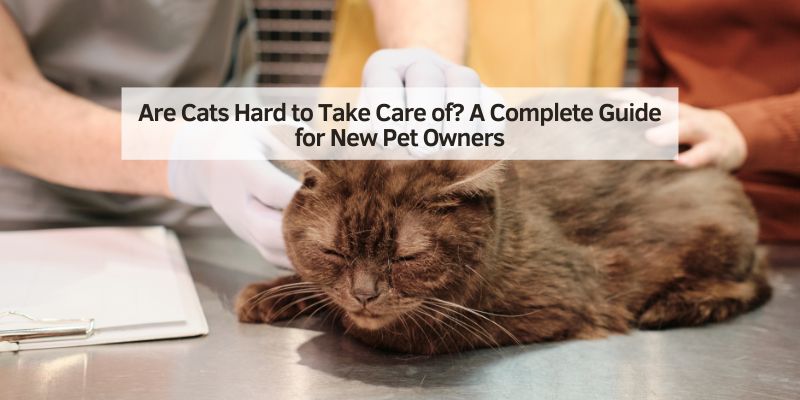
Health care is a big responsibility, but it’s manageable with a routine. I take Bella and Oliver to the vet once a year for checkups. They get vaccinations, flea prevention, and heartworm meds. Even indoor cats need these—fleas can sneak in on your clothes or shoes.
Spaying or neutering is a must unless you want a house full of kittens. I got Bella spayed at six months, and it made her calmer and healthier. It also lowers the risk of certain cancers. Oliver was neutered when I adopted him, which was one less thing to worry about.
Cats are sneaky about hiding illness, so I watch for clues. If they stop eating, vomit a lot, or seem off, it’s vet time. When Oliver started hiding more than usual, I took him in and found out he had a mild infection. Quick meds fixed him up. Trust your instincts—if something feels wrong, don’t wait.
Pet insurance has saved me from some hefty bills. One emergency visit for Bella’s upset stomach cost $700. Now, I have insurance, and it covers most routine and unexpected costs. It’s not a must, but it’s worth looking into.
Here’s a table of basic health needs:
| Health Task | Frequency | Notes |
|---|---|---|
| Vet Checkup | Annually | Includes vaccinations and health screening |
| Flea/Heartworm Prevention | Monthly | Essential for indoor and outdoor cats; ask your vet for options |
| Spay/Neuter | Once (kitten stage) | Reduces health risks and behavior issues |
| Dental Care | At least annually | Dental treats help; professional cleanings may be needed |
Training Your Cat: It’s Easier Than You Think
Cats don’t need training like dogs, but you can teach them a few house rules. I’ve worked with Bella and Oliver to stop scratching furniture and stay off counters. It takes patience, but it’s doable.
Scratching is an instinct. I got sturdy scratching posts for both cats, and they love them. When Bella started clawing my couch, I gently moved her to the post and gave her a treat. Now she uses it every time. Double-sided tape on furniture helps, too—cats hate the sticky feeling.
Litter box training is usually a no-brainer. Cats know what to do instinctively. But if they stop using it, something’s up. Oliver avoided his box when I moved it near a noisy washing machine. Moving it back to a quiet spot solved the issue.
Positive reinforcement is the way to go. I use treats and lots of praise for good behavior. Yelling or scolding doesn’t work—cats just tune you out or get stressed. Be consistent, and they’ll catch on.
How Much Does It Cost to Own a Cat?
Cats are generally cheaper than dogs, but they’re not free. I spend about $70-$150 a month on food, litter, and treats. Vet visits cost $100-$300 a year, more if something unexpected pops up. Startup costs—like a litter box, carrier, and toys—were around $250 for me.
Adopting from a shelter is budget-friendly, usually $50-$200. Breeders charge $500 or more, and purebreds often need extra care. Both my cats are rescues, and I love knowing I gave them a home. Shelters often cover initial vet costs, which saves you money.
Here’s a cost breakdown:
| Expense | Estimated Cost | Notes |
|---|---|---|
| Food | $30-$70/month | Premium brands cost more but are worth it |
| Litter | $15-$30/month | Clumping litter is pricier but easier to scoop |
| Vet Care | $100-$300/year | Routine visits; emergencies can add up |
| Toys/Accessories | $10-$50/month | Optional, but cats love variety |
Are Cats Right for Your Lifestyle?
Cats are awesome for people who want a pet without the constant demands of a dog. They’re perfect for apartments since they don’t need a yard. But they’re not for everyone. If you hate cleaning or can’t deal with a bit of mess (think shedding or the occasional hairball), you might want to think twice.
I love how my cats are independent but still affectionate. Bella greets me with a head-butt, and Oliver loves curling up next to me. They’re less work than dogs but still need attention. If you’re unsure, try fostering a cat. I fostered before adopting, and it showed me I was ready for the commitment.
Common Cat Challenges and How to Fix Them
Cat ownership isn’t all purrs and cuddles. Shedding is a big one. I vacuum a lot and keep lint rollers handy. Brushing regularly helps keep the fur under control.
Hairballs are another hassle, especially with Oliver. I give him hairball remedy treats weekly, and it’s made a huge difference. Brushing him more often helps, too.
Picky eating can drive you nuts. Bella went through a phase where she refused her food. I switched brands and mixed in some wet food, and she was back to normal.
Destructive behavior, like scratching or jumping on counters, is common. Scratching posts and consistent redirection worked for me. If Oliver hops on the counter, I gently put him down and distract him with a toy. Patience is key.
The Joy of Cat Ownership
Here’s the best part: cats make your life better. After a long day, nothing beats Bella’s soft purr or Oliver’s goofy zoomies. They’re like little stress-relievers, always ready to make you smile. Studies say petting a cat can lower stress and blood pressure, and I totally get why. Cuddling with Oliver is my favorite way to unwind.
Cats also teach you patience and understanding. Bella was shy when I got her, but watching her trust me over time was so rewarding. They give love in their way, and it makes every litter scoop and vet bill worth it.
Conclusion
So, are cats hard to take care of? Not really, but they do need your time and effort. Feeding them right, keeping their litter box clean, grooming, and giving them love all add up to a happy cat. It’s not overwhelming, though—once you get into a routine, it’s second nature. My cats bring so much joy with their quirky personalities and quiet companionship.
Whether you live in a tiny apartment or a big house, a cat can fit into your life if you’re ready to give them the care they deserves. If you’re thinking about getting a cat, go for it. You’ll gain a loyal friend who makes every day a little brighter. I wouldn’t trade Bella and Oliver for anything!
FAQs
How much space does a cat need?
Cats don’t need much. An apartment works fine. Just give them a cozy bed, a scratching post, and some toys. My cats love small spaces like boxes or a sunny windowsill.
Can I leave my cat alone all day?
They’re okay for 8-12 hours while you’re at work. But don’t leave them longer without a check-in. I have a friend stop by if I’m gone overnight to refill food and water.
Are cats expensive to own?
They’re not too bad. I spend $70-$150 a month on food, litter, and treats. Vet visits and initial supplies add up, but it’s cheaper than a dog.
What if my cat stops using the litter box?
It could be a dirty box, stress, or a health issue. Oliver did this when I moved his box. Putting it back in a quiet spot fixed it. If it keeps happening, see a vet.
Can cats get along with other pets?
Yes, with time. My cats took a few weeks to get used to each other. Slow introductions and separate spaces help. Be patient, and they’ll figure it out.