How to Get Rid of Mold on Car Upholstery
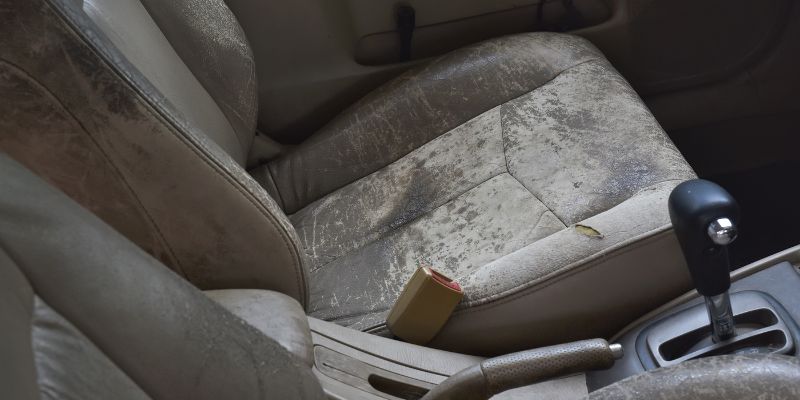
Hey there! Picture this: you slide into your car, ready for a road trip, and you notice an odd, musty smell. You look closer, and there it is—mold creeping across your car’s upholstery. It’s not just unsightly; it can be a health hazard, too. I’ve been there, and let me tell you, tackling mold on car upholstery isn’t as daunting as it seems. Over the years, I’ve learned a thing or two about getting rid of it effectively, and I’m excited to share my experience with you. Whether it’s a tiny patch or a full-blown mold invasion, this guide will walk you through the steps to restore your car’s interior to its fresh, clean glory. Let’s dive in and make your car a mold-free zone!
Why Mold Grows on Car Upholstery
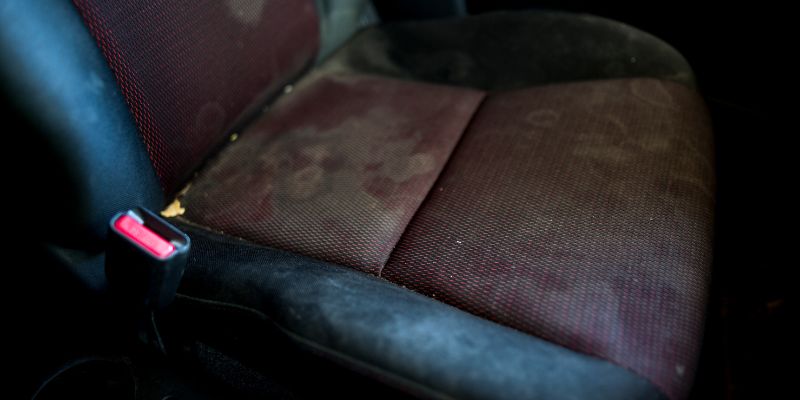
Mold is sneaky. It thrives in damp, dark places, and your car’s upholstery is a perfect breeding ground if conditions are right. I learned this the hard way after leaving my car windows cracked during a rainy week. Moisture from rain, spills, or even high humidity can seep into your seats. Add poor ventilation, and mold spores—tiny invaders floating in the air—settle in and start growing. Fabric upholstery, like cloth or carpet, is especially vulnerable because it holds onto moisture. Leather isn’t immune either; it can develop mold if water gets trapped underneath or in crevices.
Temperature plays a role, too. Mold loves warmth, so cars parked in hot, humid climates are prime targets. I live in a state where summers are muggy, and I’ve seen how quickly mold can spread if you don’t catch it early. Food crumbs, dirt, or even pet dander can also feed mold, making your car’s interior a buffet for these pesky fungi. Knowing why mold grows helps you prevent it, but if it’s already there, don’t worry—we’ll tackle it together.
Health Risks of Mold in Your Car
Mold isn’t just a cosmetic issue; it can mess with your health. When I first noticed mold in my car, I didn’t think much of it. But after a few drives, I started sneezing and feeling congested. Mold releases spores that can irritate your eyes, nose, and throat. For people with allergies or asthma, it’s even worse—symptoms like coughing, wheezing, or skin rashes can flare up. I have a friend with asthma who had to avoid riding in my car until I cleaned it up.
In rare cases, prolonged exposure to certain molds, like black mold, can cause more serious issues, like respiratory problems. Kids and older folks are especially sensitive. Your car is a small, enclosed space, so breathing in those spores during every commute adds up. That’s why getting rid of mold isn’t just about keeping your car pretty—it’s about keeping you and your passengers safe.
Tools and Supplies You’ll Need
Before we start cleaning, let’s gather the right tools. I’ve tried cutting corners with whatever I had at home, and trust me, having the proper supplies makes all the difference. Here’s what I recommend based on my own trial and error:
| Item | Purpose |
|---|---|
| Protective gloves | Keeps your hands safe from mold spores and cleaning chemicals. |
| Face mask or respirator | Protects you from inhaling mold spores. A simple mask works for small jobs. |
| Vacuum with HEPA filter | Sucks up loose spores and debris without spreading them. |
| Soft-bristled brush | Loosens mold from upholstery without damaging fabric. |
| White vinegar | Natural mold killer, safe for most upholstery. |
| Mild dish soap | Cuts through dirt and helps clean upholstery. |
| Spray bottle | For applying cleaning solutions evenly. |
| Clean microfiber cloths | Wipes away mold and solutions without leaving lint. |
| Baking soda | Neutralizes odors and absorbs moisture. |
| Commercial upholstery cleaner | For stubborn stains or mold on delicate fabrics. |
| Portable fan or hairdryer | Speeds up drying to prevent mold from returning. |
| Plastic bags | For safely disposing of moldy debris. |
You don’t need everything on this list, but having most of these will make the job easier. I keep a cleaning kit in my garage now, so I’m always ready for mold or spills.
Step-by-Step Guide to Removing Mold
Let’s get to the good part—actually getting rid of that mold. I’ve refined this process over time, and it works for both fabric and leather upholstery. Follow these steps, and your car will be mold-free in no time.
Step 1: Safety First
Mold spores can float around and cause trouble, so protect yourself. I always slip on gloves and a mask before starting. If you’re dealing with a lot of mold, a respirator is better. Open all your car doors and windows to ventilate the space. I once made the mistake of cleaning in a closed garage, and the smell of mold and cleaning products was overwhelming.
Step 2: Vacuum the Area
Start by vacuuming the upholstery with a HEPA-filter vacuum. This pulls up loose spores, dirt, and debris. I go over the affected area slowly, making sure to get into seams and crevices. If you don’t have a HEPA vacuum, empty your regular vacuum’s canister outside afterward to avoid spreading spores. I learned this after accidentally blowing mold around my garage.
Step 3: Brush Away Surface Mold
Use a soft-bristled brush to gently scrub the moldy spots. This loosens the mold without grinding it deeper into the fabric. I’ve found that short, light strokes work best. Be gentle with leather to avoid scratches. Collect any debris in a plastic bag and seal it up to keep spores contained.
Step 4: Apply a Cleaning Solution
White vinegar is my go-to for killing mold. It’s natural, affordable, and effective. Mix one part vinegar with one part water in a spray bottle. Lightly mist the moldy area—don’t soak it. Let it sit for about 10 minutes to break down the mold. For delicate fabrics or leather, I sometimes use a commercial upholstery cleaner instead, following the label instructions. Test any cleaner on a small, hidden spot first to avoid damage.
Step 5: Wipe and Rinse
Dampen a microfiber cloth with clean water and a drop of mild dish soap. Wipe the area to remove the vinegar and mold residue. I rinse my cloth often to avoid spreading mold around. For leather, use a leather-specific cleaner to avoid drying it out. Dry the area with a clean microfiber cloth to remove as much moisture as possible.
Step 6: Tackle Odors with Baking Soda
Mold leaves a musty smell that lingers. I sprinkle baking soda over the cleaned area and let it sit for a few hours. It absorbs odors and leftover moisture. Vacuum it up afterward. I’ve found this step makes my car smell fresh again, like nothing ever happened.
Step 7: Dry Thoroughly
Moisture is mold’s best friend, so drying is critical. I use a portable fan or a hairdryer on the cool setting to speed things up. Park your car in the sun with the windows down if you can. I once skipped this step, and mold started creeping back within a week. Don’t make my mistake—dry it completely.
Step 8: Inspect and Repeat if Needed
Check the area after a day or two. If you see or smell mold, repeat the cleaning process. Stubborn mold might need a second round. I had a tough spot under my driver’s seat that took two tries to fully eliminate.
Preventing Mold from Coming Back
Cleaning mold is only half the battle. Keeping it away is just as important. I’ve learned a few tricks to make sure my car stays mold-free. First, keep your car dry. If you spill something, clean it up right away. I always keep a towel in my trunk for emergencies. Avoid leaving wet items like towels or gym clothes in the car—they’re mold magnets.
Ventilation is key. Crack your windows when it’s safe, or use a car dehumidifier. I bought a small reusable dehumidifier bag for my car, and it’s been a game-changer in humid months. Regular cleaning helps, too. Vacuum your upholstery every couple of weeks to remove crumbs and dirt that mold loves. If you live in a rainy or humid area, consider using a car cover to protect against leaks.
For leather upholstery, apply a conditioner every few months to keep it from cracking and trapping moisture. I also check my car’s floor mats and trunk regularly, as mold can hide there, too. Staying proactive saves you from bigger headaches later.
When to Call a Professional
Sometimes, mold is too stubborn or widespread for a DIY fix. I once had a car with mold deep in the seat foam, and no amount of vinegar could fix it. If you’ve tried cleaning multiple times and the mold keeps coming back, or if the smell won’t go away, it’s time to call a pro. Professional detailers have heavy-duty tools like steam cleaners and industrial vacuums. They can also treat upholstery with anti-microbial solutions that last longer.
If you or your passengers have health issues like asthma, don’t take chances with large mold infestations. I paid a detailer about $150 to deep-clean my car, and it was worth every penny for peace of mind. Look for a reputable auto detailer in your area, and ask if they specialize in mold removal.
My Personal Tips and Tricks
After dealing with mold a few times, I’ve picked up some hacks that make the process easier. For small mold spots, I keep a spray bottle of vinegar solution in my car for quick touch-ups. If you’re worried about vinegar’s smell, add a drop of essential oil like tea tree or lavender—it’s naturally anti-fungal and smells great.
For hard-to-reach spots, like under seats, I use a toothbrush instead of a big brush. It gets into tight spaces without making a mess. If your car has removable seat covers, take them off and wash them separately in a washing machine with a mold-killing detergent. Just check the care label first.
One thing I wish I’d known earlier is to avoid over-wetting the upholstery. It’s tempting to douse mold with cleaner, but too much liquid can seep into the foam and make things worse. Less is more when spraying solutions.
Conclusion
Dealing with mold on your car’s upholstery can feel overwhelming, but it’s totally manageable with the right approach. I’ve been through the process enough times to know that a little effort goes a long way. By acting quickly, using the right tools, and staying proactive, you can banish mold and keep your car fresh and safe. There’s nothing like sliding into a clean, mold-free car—it’s a small victory that feels amazing. So grab those gloves, roll up your sleeves, and give your car the TLC it deserves. You’ve got this!
FAQs
Can I use bleach to remove mold from car upholstery?
Bleach can be harsh on upholstery, especially fabric and leather. I tried it once, and it left a faded spot on my seat. Stick to white vinegar or a commercial upholstery cleaner—they’re safer and just as effective. If you must use bleach, dilute it heavily (1:10 with water) and test it on a hidden spot first.
How long does it take to remove mold from car upholstery?
It depends on the mold’s extent. Small patches might take an hour or two, including drying time. Larger infestations could take a full afternoon, especially if you need to repeat steps. I usually set aside a weekend morning to tackle it thoroughly.
Will mold come back after cleaning?
It can if you don’t dry the upholstery completely or if moisture lingers in your car. I’ve had mold return when I rushed the drying process. Use a fan, keep your car ventilated, and address spills quickly to prevent regrowth.
Is it safe to drive with mold in my car?
It’s not ideal, especially if you have allergies or respiratory issues. I drove with mold for a few days before cleaning, and my throat felt scratchy. Clean it as soon as possible, and keep windows open for ventilation until it’s gone.
Can I prevent mold without cleaning my car often?
Regular cleaning helps, but you can prevent mold by keeping your car dry and well-ventilated. I use a dehumidifier bag and check for wet spots after rain. Avoiding food or wet items in the car also reduces the risk.