How To Install An Evenflo Car Seat Base Correctly & Safely
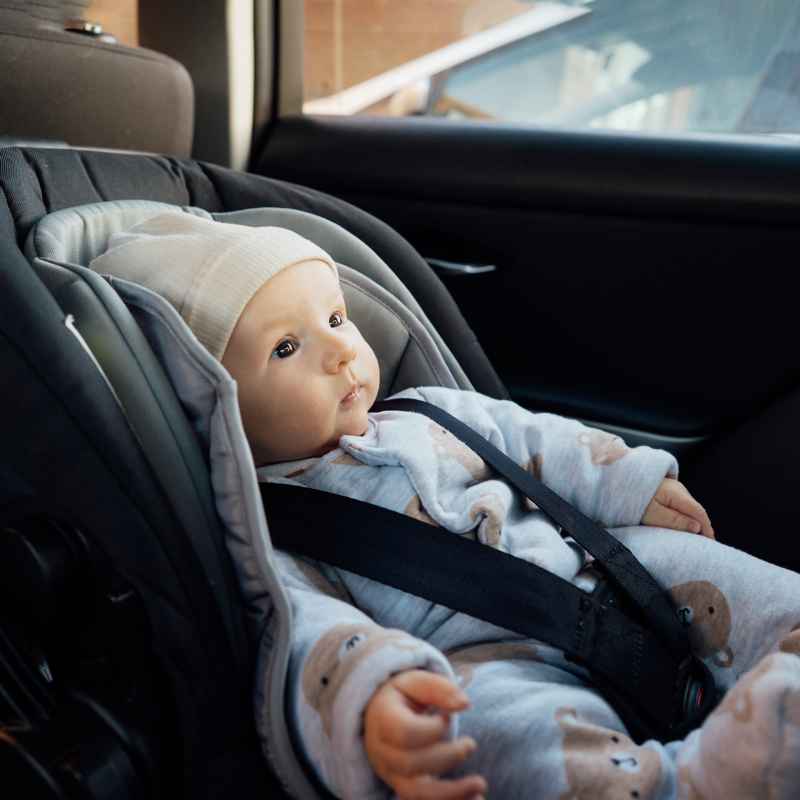
It’s a moment many parents dream about: bringing their little one home for the first time. That tiny bundle, full of wonder, needs to be safe from the very start. A huge part of that safety is a properly installed car seat.
Specifically, getting the base clicked in just right. It can feel like a puzzle, especially with all the straps and angles. You want to be sure.
This guide will walk you through it, step-by-step, so you can feel confident.
Getting your Evenflo car seat base installed correctly is key for your baby’s safety. This guide provides simple steps and important tips to ensure a secure and proper fit every time, reducing worry and making travel safer.
Understanding Your Evenflo Car Seat Base
Before you even start, it helps to know what you’re working with. Evenflo makes many different car seat models. Each base might have slight differences.
But most share common features. You’ll usually see a seatbelt lock-off. There’s also often a recline indicator.
This tells you if the base is at the right angle. Knowing these parts makes the installation process much clearer. It’s like learning the basic tools before building something.
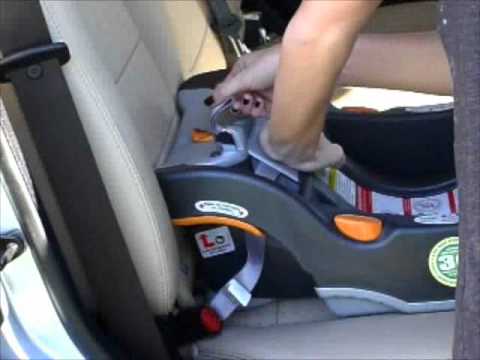
The base is the part that stays in your car. Your infant car seat snaps into it. This makes it easy to move your sleeping baby.
You don’t have to unbuckle them every time. The base provides a stable foundation. It helps the car seat absorb impact in a crash.
So, a secure base means a safer ride for your child. This is why understanding its parts and how to install it is so important. It’s not just a piece of plastic; it’s a vital safety component.
Preparing for Installation
Preparation makes the job much easier. First, find your car seat manual. Then, grab your car’s owner manual too.
These are your best friends for this task. They have specific instructions for your exact models. Reading them first saves a lot of guesswork.
It’s like reading a recipe before you start cooking.
Make sure you have a clear space. You’ll need room to maneuver the base and the car seat. Check the temperature in your car.
Extreme heat or cold can make the plastic brittle. It’s best to install when the car is at a moderate temperature. This helps prevent damage to the base.
Think about doing this on a calm day. Less rush means more focus. This is about your child’s well-being.
Choosing the Right Seat Position
The car seat base needs to be in the back seat. Always. Never in the front seat.
The back seat is the safest place for infants and young children. This is because of the risk of airbags. Airbags deploy with great force.
They can seriously injure a child. So, the back seat is non-negotiable for safety.
Most cars have anchors for car seats. These are called LATCH anchors. They are metal loops.
They are usually found where the seat back meets the seat cushion. They make installation easier. Check your car manual to find them.
Your Evenflo base will also have straps that connect to these. If you can’t find LATCH anchors, or if your car is older, you’ll use the vehicle’s seat belt.
Installing with the LATCH System
The LATCH system is often the easiest way. LATCH stands for Lower Anchors and Tethers for CHildren. You’ll find the lower anchor connectors on your Evenflo base.
They usually look like straps with metal clips or hooks. Find the corresponding LATCH anchors in your car’s back seat.
Attach the connectors to the anchors. You should hear a click. Make sure they are secure.
Tug on them to check. Once attached, tighten the straps. You want the base to be snug.
It should not move more than an inch. Test this by wiggling the base side-to-side and front-to-back. This is a crucial safety check.
Pro Tip: Many newer car seats have a tension-tightening LATCH system. This helps you get a super secure fit. Follow your Evenflo manual’s specific instructions for this.
It can make all the difference.
LATCH Installation Quick Check
- Locate Anchors: Find your car’s lower LATCH anchors.
- Connect: Attach the base’s connectors to the anchors.
- Listen for Click: Ensure connectors are locked.
- Tighten Straps: Pull straps to remove slack.
- Test for Movement: Base should not move more than 1 inch.
Installing with the Vehicle Seat Belt
If your car doesn’t have LATCH anchors, or if you prefer using the seat belt, that’s okay too. The vehicle seat belt offers just as much safety when installed correctly. Your Evenflo base will have a built-in lock-off for the seat belt.
This is very important. It keeps the seat belt tight.
First, position the base in the back seat. Lay the vehicle seat belt over the base. Follow the path indicated in your Evenflo manual.
There will be a specific belt path. Thread the seat belt through this path. Buckle the seat belt.
Now, you need to lock the belt. This is where the base’s lock-off comes in.
Push down firmly on the base. This creates tension. As you push down, pull the shoulder belt portion of the vehicle seat belt.
Pull it out as far as it will go. Then, let the belt retract. It should lock into place.
This is called a locked-belt installation. This prevents the seat belt from loosening over time.
Important Note: Some vehicles have locking clips. Your car manual will tell you if you need one. If so, you’ll use the car’s locking clip.
Follow your manuals closely. The goal is a belt that feels rock solid. No wiggle room at all.
Seat Belt Installation Steps
1. Position Base: Place the base in the back seat.
2. Route Belt: Thread the vehicle seat belt through the correct path on the base.
3. Buckle Up: Fasten the seat belt.
4. Apply Pressure: Push down firmly on the base.
5. Tighten Belt: Pull the shoulder belt to remove all slack.
6. Lock Belt: Use the base’s lock-off or car’s mechanism to secure the belt.
7. Test Fit: Ensure no movement at the belt path.
The Recline Angle Matters
A proper recline angle is vital for newborns. It keeps their airway open. Evenflo bases have a recline indicator.
This is usually a bubble or a line. It helps you set the right angle. If the base is too upright, it’s unsafe for a tiny baby.
If it’s too reclined, the car seat might not fit properly.
Check the indicator. Adjust the base as needed. Some bases have an adjustable foot.
This helps you find the perfect angle. Your car manual might also have guidance. Always refer to your Evenflo manual first.
It knows the base best. A correct recline angle is as important as a tight fit.
Experience Note: I remember struggling with the recline on my first child’s seat. The indicator seemed tricky. I finally realized I needed to push down harder on the base while adjusting.
It sounds simple, but that small action made the indicator move into the green zone. Don’t be afraid to apply firm pressure.
Recline Indicator Guide
Green Zone: This means the angle is correct for your baby.
Too Upright: The base might be too straight. Adjust to be more reclined.
Too Reclined: The base might be too flat. Adjust to be more upright.
Attaching the Infant Car Seat
Once the base is secure, it’s time to attach the infant seat. This should be straightforward. Align the infant seat with the base.
You should see a slot or guides on the base. Match these up with the corresponding parts on the infant seat.
Gently press down. You should hear a loud click. This click means it’s locked in.
Again, tug on the infant seat. Make sure it’s firmly attached to the base. If it feels loose, detach it and try again.
Sometimes it takes a couple of tries to get it perfectly seated.
Personal Story: My nephew was born during a chilly autumn. His parents were so excited but nervous about the car ride home. We did the car seat installation a few times before they left the hospital.
The clicks were loud and reassuring. Seeing the baby safely nestled in the securely clicked-in seat was a huge relief for everyone. That feeling of safety is priceless.
Clicking In the Infant Seat
- Align: Line up the infant seat with the base.
- Press Down: Gently but firmly push the seat onto the base.
- Listen: Wait for a clear, loud click.
- Test Connection: Gently lift and wiggle the seat to confirm it’s locked.
When Is It “Tight Enough”?
This is a question many parents ask. The standard rule is that the car seat base should not move more than one inch. Test this at the belt path or LATCH connectors.
Wiggle the base side-to-side. Try to move it front-to-back. If it moves more than an inch in either direction, it’s too loose.
If it’s too loose, you need to tighten it. For LATCH, pull the straps tighter. For seat belts, re-route the belt or push down harder while tightening.
Sometimes, the vehicle seat itself can be the issue. If the seat cushion is very soft, it can be harder to get a tight fit. In such cases, you might try a different seating position in the car.
Expert Insight: A slightly loose seat belt or LATCH strap is a common problem. People often don’t realize how much force is needed to get it truly snug. Think about using your body weight.
Lean into the seat as you pull the straps or push the base down. This extra pressure is often the key to that one-inch movement rule.
Checking for Common Installation Issues
Evenflo car seat bases, like any car seat, can have installation hiccups. One common issue is the recline angle being wrong. As we discussed, this is critical for newborns.
Always check that recline indicator. Make sure it’s in the safe zone.
Another issue is the seat belt not being locked. If you used the vehicle seat belt, double-check that it’s locked. This means the belt cannot extend.
If you used LATCH, ensure the connectors are fully engaged. They should be all the way on the anchors.
Forgetting to use the lock-off feature is also common. This is especially true when using the vehicle seat belt. The lock-off is what keeps the seat belt tight.
Without it, the belt can loosen over time. Always use the lock-off as described in your manual.
Common Mistakes to Avoid
- Angle Wrong: Recline indicator not in the correct zone.
- Loose Belt/LATCH: Base moves more than one inch.
- Belt Not Locked: Seat belt can still extend.
- Lock-Off Skipped: The base’s lock-off feature isn’t used.
- Wrong Belt Path: Seat belt threaded incorrectly.
Real-World Scenarios
Imagine you’re on a road trip. You’ve been driving for a few hours. You stop for a break.
Your baby is still sleeping. You unclick the infant seat from the base. Later, you put the infant seat back in.
Did you ensure the base was still secure? Did the seat belt loosen slightly from the vibration of the road? It’s a good idea to do a quick check at every stop.
A gentle tug on the base can confirm it’s still tight.
Another scenario: a grandparent is picking up the baby. They aren’t used to your car or the car seat. They might try to install it quickly.
This is a prime time for errors. Before they leave, do a quick check together. Show them the click.
Show them how to test for movement. A little guidance can prevent a lot of worry later.
Think about different weather conditions too. In extreme heat, plastic can expand slightly. In extreme cold, it can become brittle.
While unlikely to cause major issues with a correctly installed base, it’s good to be aware. Always check the seat and base before each use, regardless of the temperature.
What This Means for Your Baby’s Safety
A correctly installed car seat base is your first line of defense. It ensures the car seat can do its job in a crash. It works with the car’s safety features.
It absorbs impact. It keeps your baby from moving too much. If the base is loose, the car seat might not protect your child as well.
This means the Evenflo car seat base installation needs your full attention. It’s not just a step to get through. It’s a critical safety task.
When done right, it gives you peace of mind. You can focus on the joy of having your baby. You know they are as safe as they can be while traveling.
When to Get Professional Help
Sometimes, no matter how hard you try, it just feels wrong. Or maybe your car has unusual seat angles. Or perhaps you have multiple car seats to fit.
These are times to seek expert help. Many communities have certified Child Passenger Safety Technicians (CPSTs). They are trained to check car seat installations.
They can help you install it correctly. They can also teach you how to do it yourself.
You can find a CPST at local fire stations, police departments, or hospitals. Look for events or permanent inspection stations. There’s no shame in asking for help.
These technicians are there because they care about child safety. Getting an expert check is a smart move for new parents. It ensures everything is as safe as it can be.
Where to Find a CPST
- Hospitals: Many maternity wards offer car seat checks.
- Fire Departments: Local fire stations often have trained technicians.
- Police Departments: Some law enforcement agencies offer this service.
- Community Events: Keep an eye out for car seat safety clinics.
- Online Resources: Websites like safekids.org can help you locate a technician.
Simple Checks Before Every Drive
Before you buckle up for any trip, do a quick check. It takes less than a minute. First, check the car seat connection.
Make sure the infant seat is clicked firmly into the base. Give it a gentle tug. Then, check the base itself.
Wiggle the base at the belt path or LATCH connectors. It should not move more than an inch.
Finally, look at the recline angle indicator one last time. Is it still in the green zone? These quick checks are a habit worth forming.
They catch potential issues before they become dangerous. It’s a small effort for great peace of mind.
Frequently Asked Questions
How do I know if my Evenflo car seat base is installed correctly?
The base should not move more than one inch side-to-side or front-to-back at the belt path or LATCH connectors. The recline indicator should also be in the correct zone for your baby’s age and weight.
Can I install the Evenflo car seat base with a seat belt and LATCH at the same time?
No, you should not use both the LATCH system and the vehicle seat belt at the same time to install the base. Choose one method and follow the instructions in your manuals for that method.
My car seat base seems wobbly. What could be wrong?
A wobbly base usually means it’s not tight enough. Ensure you have used the lock-off feature correctly if using the seat belt, or that the LATCH straps are pulled as tight as possible. You may need to apply more body weight during installation.
What is the recline indicator on an Evenflo car seat base?
The recline indicator is a guide, often a bubble or line, that shows if the base is at the correct angle. This angle is important for a newborn’s airway. Make sure the indicator is in the safe zone shown in your Evenflo manual.
How often should I check the car seat base installation?
It’s recommended to check the car seat base installation before every drive. A quick wiggle test and a look at the recline indicator can catch any loosening that may have occurred.
Where is the safest place to install an Evenflo car seat base?
The safest place to install any infant car seat base is in the back seat of your vehicle. Never install a car seat in the front seat due to the risk of airbag injury.
Final Thoughts on Secure Installation
Getting your Evenflo car seat base installed correctly is a vital step. It protects your little one. Take your time.
Read your manuals. Use the LATCH system or the seat belt properly. Always check the recline angle and the tightness.
A secure base means a safer journey. Your peace of mind is worth the effort.
Products related to this article
Sponsored / affiliate links. As an Amazon Associate I earn from qualifying purchases. I may earn additional commission from eligible campaigns.