Lishi Car Lock Pick Review: What to Know Before Buying
Lishi car lock picks are worth buying only if you know the exact lock family, keyway profile, and legal limits before you order; for everyone else, a simpler emergency entry tool is usually the better first purchase. The right profile gives exact, non-destructive automotive access, but the wrong one wastes money fast.
Verdict: who should buy a Lishi tool, and who should not

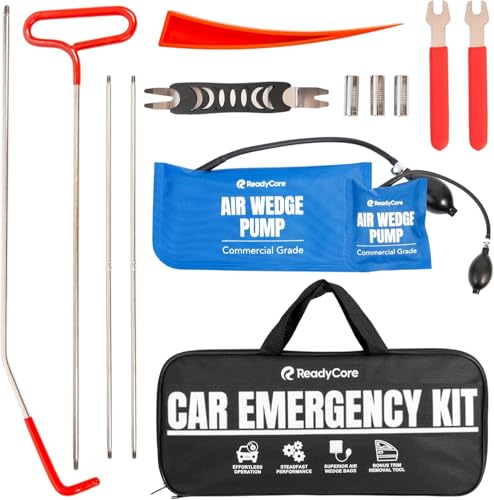
Buy a Lishi tool if you already know the exact automotive lock family you need, or if you are training as a locksmith and will use it within a clear legal framework. Skip it if you mainly need occasional roadside access, because fitment errors and training demands can make a wedge-based emergency kit the smarter buy.
Best fit
Lishi tools suit locksmiths, locksmith students, and advanced DIY buyers who can match a tool to a specific door cylinder before purchase. They are also a practical purchase for owners of a known vehicle platform where the driver-side or passenger-side lock family is documented.
Skip it if you need a simple roadside entry tool
If your goal is to open one locked car in an emergency, a basic entry kit is usually easier to learn. Wedges and similar access tools depend less on exact profile matching, though they still require care to avoid damage to trim, weatherstripping, and glass.
Bottom line on single tools, partial sets, and full sets
A single tool makes sense for one exact keyway. A partial set fits one platform or a narrow service area. A full set only makes sense if you cover many makes, many years, and enough lock families to justify the cost and storage burden.
What a Lishi car lock pick actually is
A Lishi car lock pick is a precision locksmith tool that combines picking and decoding functions for a specific automotive lock profile. It is not a universal car opener, and it does not replace fitment research. The tool only works when the cylinder, keyway, and model application line up.
How the pick-and-decoder concept works at a high level
At a high level, the tool is designed to interact with a wafer or tumbler-style automotive door lock cylinder and gather key-cut information while setting the lock. That is why many users describe it as a pick and decoder rather than a general pick.
Why it is a profile-specific automotive locksmith tool
Automotive door lock cylinders vary by brand, platform, and region. One tool may fit a specific SC4-style keyway or another named family, while a similar-looking cylinder in a different model year may use a different profile entirely.
How it differs from a generic pick, slim jim, or wedge
A generic pick is not built around the same decode-and-fit workflow. A slim jim works by bypassing parts of the door mechanism, and a wedge creates access space for other tools. Lishi is narrower in purpose, more exact, and far less forgiving of a bad match.
How to choose the right Lishi profile for your car
Choose the exact keyway or lock family before you buy. Vehicle brand matters, and model year or region can sometimes change the cylinder setup. Driver-side and passenger-side locks may not match, and worn or aftermarket cylinders can make a seemingly correct choice fail.
Match the exact keyway or lock family before buying
Start with the lock code family, not the vehicle badge. Common automotive profiles include SC4 and other named keyways, but the same brand can use more than one family across trims, markets, or production years.
Why model year, brand, and region can change fitment
Automotive lock cylinders are not static across a nameplate’s life cycle. A late-model refresh can change the door cylinder, and regional variants may use different profiles than the U.S. version of the same car.
Driver-side and passenger-side lock differences
The driver-side lock may be the only cylinder still used frequently, so it can wear differently from the passenger side. That wear can change how a tool feels in the lock, even when the nominal keyway family is correct.
What worn, corroded, frozen, or aftermarket cylinders change
Wear, corrosion, dirt, ice, bent wafers, and replacement cylinders all reduce predictability. A correct tool can still struggle if the lock is frozen or if the cylinder no longer matches the original factory profile.
Which Lishi tool families fit common car lock keyways?
Some common Lishi families map to specific keyway types, rather than covering every car in a brand or every door lock in a category. SC4 is a familiar example, but vehicle-specific fitment still matters. Regional variants and non-original cylinders can change the answer.
| Lishi tool family example | Common keyway type or family | Intended user level | Learning curve | When to skip it |
|---|---|---|---|---|
| SC4-profile tool | SC4-style automotive and related door keyways | Experienced DIY or locksmith | Moderate | Skip if you only need one emergency entry |
| Brand-specific automotive profile | Vehicle-family-specific door cylinder | Trained user | Moderate to steep | Skip if you do not know the exact platform |
| Regional variant profile | Market-specific cylinder family | Professional locksmith | Steep | Skip if the vehicle was imported or modified |
| Generic emergency entry tool | Not profile-matched | Beginner roadside user | Low to moderate | Skip if you need decode capability |
Why brand-specific fitment matters
Brand-specific fitment matters because the badge on the trunk does not tell you the cylinder family. A single platform can carry different lock hardware across trims, years, and markets.
When regional variants complicate the choice
Imported vehicles and non-U.S. models often use different cylinders than the domestic catalog suggests. That is where mislisted marketplace tools cause the most expensive mistakes.
Fitment-first buying guide
Start with fitment, then choose format. A single exact tool is best for one car family, a partial set is better for one platform, and a full set only makes sense when your work spans many keyways. If you cannot verify fitment, buy the simpler emergency tool instead.
Single tool versus partial set versus full set
A single Lishi 2-in-1 pick and decoder tool is the cheapest way to cover one exact door cylinder. A partial set covers a narrower service lane. A full set gives breadth, but only if you truly need multiple profiles and can organize them by family.
Expected learning curve by buyer type
Trained locksmiths can usually justify the learning curve because they need profile-specific access and decoding. A curious DIY owner may find the curve too steep for a tool that only fits one or two cylinders.
When to buy a simpler emergency entry tool instead
Choose wedges or similar roadside access tools when the goal is basic entry, not decoding. Say your key is locked in a 10-year-old sedan and you only need the door open once; a simple emergency kit is easier to justify than a profile-specific decoder.
How to use the decision table to avoid a bad purchase
- Identify the exact vehicle, year, and market.
- Confirm the door lock family or keyway, not just the badge.
- Check whether the lock is original, worn, or replaced.
- Decide whether you need decode capability or only entry.
- Buy one tool, a partial set, or a full set based on that match.
Pros and cons of a Lishi 2-in-1 lock pick set
A Lishi 2-in-1 lock pick set offers precise, profile-based decoding potential for the right cylinder. The tradeoff is clear: training demand, fitment risk, and limited value on modern anti-theft systems or locks that no longer match the factory profile.
Pros
- Profile-specific precision.
- Pick-and-decode workflow in one tool.
- Useful for non-destructive access when the fit is correct.
Cons
- Strong dependence on exact fitment.
- Steeper learning curve than a wedge kit.
- Less useful on worn, frozen, or aftermarket cylinders.
Who is a Lishi tool for?
Lishi tools are for professional locksmith use, locksmith-curious buyers with real fitment knowledge, and advanced DIY owners who already know the exact lock family. They are not the best first purchase for someone who just wants a quick roadside solution.
Professional locksmith use
For locksmiths, the value comes from exact profile coverage, decoding, and a cleaner workflow on the right cylinders. Legal and ethical use still matters, including ownership verification and local rules.
DIY car owners who already know their exact lock family
Do-it-yourself buyers can justify one tool when the vehicle platform is known and the cylinder profile is verified. Without that certainty, the risk of a dead-end purchase rises quickly.
Buyers who should start with wedges or other emergency entry tools
Begin with a basic emergency entry kit if your needs are occasional, roadside, or non-technical. A common first-timer mistake is buying a full set before identifying the lock family, then discovering the car uses a different regional cylinder.
Buying and ownership questions
Buy from locksmith suppliers when you need catalog support and clearer profile naming. Marketplaces such as Amazon can be convenient, but they also carry mislisted profiles and counterfeit tools. Ownership may be legal in your area while use is restricted by law and by the need to verify authorization.
Where buyers usually look
Most shoppers compare locksmith supply houses, automotive lock suppliers, and large marketplaces. The difference is support quality: specialized suppliers usually label profiles more carefully than broad marketplaces.
How to spot mislisted profiles and counterfeit tools
Watch for vague naming, mismatched vehicle claims, and photos that do not show the exact tip profile or code family. If the listing does not clearly identify the lock family, treat it as suspect.
Why proof of ownership and local law still matter
Legal ownership is not the same as legal use. Automotive locksmithing sits inside non-destructive entry rules, verification requirements, and local restrictions that vary by jurisdiction.
how to use lishi lock pick
Use a Lishi tool only on the exact lock family it was made for, and only where you are authorized to work. At a high level, the process involves verifying the profile, inserting the matched tool, and reading the lock’s feedback rather than forcing movement. Training matters.
Basic use expectations
Do not treat it like a universal pick. The tool depends on the cylinder design, the wafer condition, and the operator’s ability to read feedback correctly.
what is a Lishi lock pick tool
A Lishi lock pick tool is a profile-specific automotive locksmith tool that combines picking and decoding functions for one lock family. It is commonly used on car door cylinders, not on every lock type, and it is built around exact keyway matching.
is a Lishi pick legal to own
Owning a Lishi pick may be legal where you live, but use can still be restricted by locksmith law, vehicle-entry law, or ownership-verification rules. Check local rules before buying, and treat any tool as controlled equipment, not as casual gear.
which Lishi tool fits my car lock
The right tool depends on the exact keyway, the vehicle’s model year, the market it was sold in, and whether the cylinder is original. Match the lock family first, then verify the profile against a supplier catalog or lock reference before you order.
what does a Lishi 2 in 1 lock pick set include
A Lishi 2-in-1 lock pick set usually includes multiple profile-specific tools for different keyway or lock family types. The value is coverage, not universality. A set is only useful if the included profiles match the vehicles you actually service.
is the Lishi lock pick full set worth it
A full set can be useful for active locksmith work across a wide mix of vehicles and model years. It is usually poor value for a DIY owner or a buyer who only needs one or two lock families. Storage, organization, and tracking fitment become part of the cost.
where can I buy a Lishi lock pick set
You can usually buy Lishi sets from locksmith suppliers and marketplaces such as Amazon. The key is verification: confirm the exact profile, the tool family, and the seller’s reputation. Mislisted profiles are common enough to make caution necessary.
what is the difference between a Lishi auto lock pick and a generic pick
A Lishi auto lock pick is built for a specific automotive keyway and often includes decoding capability. A generic pick is broader in concept but lacks that exact fitment. Lishi is more specialized, and that specialization is the reason it can work so well on the right lock.
does a Lishi tool work on all car door locks
No. A Lishi tool does not work on all car door locks because it depends on the exact keyway, cylinder family, and vehicle application. Model-year changes, regional differences, wear, corrosion, and aftermarket replacements can all change whether the tool fits at all.
how do I avoid damaging a car lock with a Lishi tool
Avoid damage by confirming fitment before use, using the correct profile, and stopping when the lock feels abnormal. Frozen, dirty, corroded, or bent wafer cylinders are higher risk, and forcing the tool can damage both the lock and the tool.
Products related to this article
Sponsored / affiliate links. As an Amazon Associate I earn from qualifying purchases. I may earn additional commission from eligible campaigns.