How To Install An Aux Port In Your Car (Simple DIY Guide)
Adding an aux port to your car is a practical way to enjoy modern audio through older car stereos. This guide explains the process and benefits simply.
Understanding Your Car’s Audio System
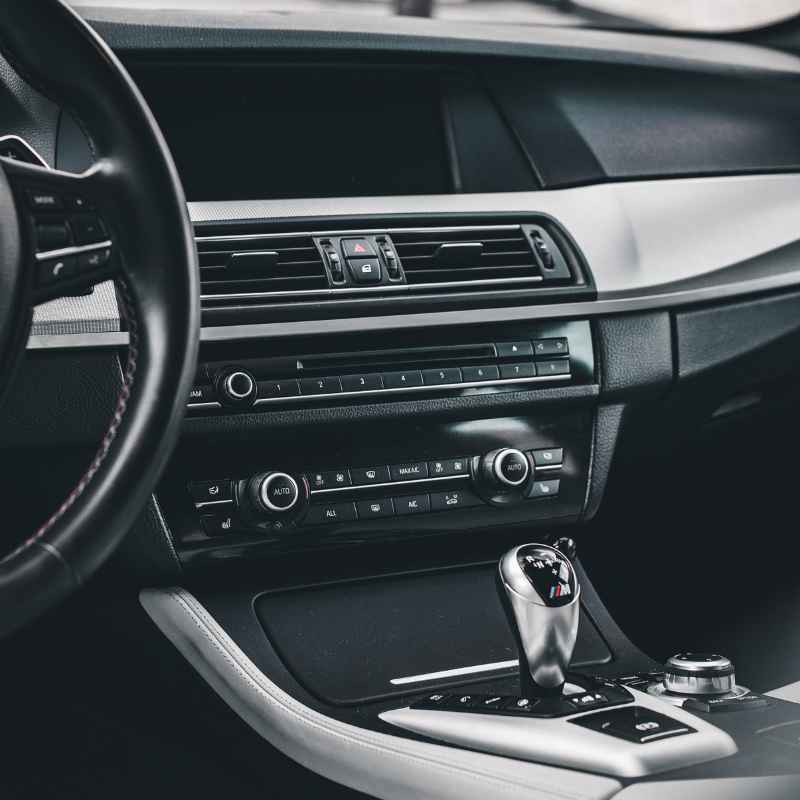
Before we dive into installing anything, let’s understand what we’re working with. Most older car radios have a main unit. This unit powers your speakers.
It also has controls for tuning and volume. Inside this unit, there’s a circuit board. This board handles all the audio signals.
It sends them out to be amplified and played.
Your car radio receives signals from different sources. This could be the radio waves it picks up. Or, in modern cars, it might be digital signals from USB drives or Bluetooth.
For an aux port, we need to find a way to plug a new signal directly into this system. We want this new signal to be treated like any other audio source.
Where Does the Aux Signal Go?
Think of an aux port as a simple gateway. It takes an audio signal from an external device. This device is usually your smartphone, MP3 player, or tablet.
The port then feeds this signal into your car’s existing audio system. It’s like plugging a new input right into the main mixer board of your car’s sound system.
The key is that this new signal bypasses the older, less clear methods. It’s a direct line. This means much better sound quality.
It’s clearer and has less static than a radio transmitter or a fuzzy cassette adapter. You get your music as the artist intended.
Why Add an Aux Port? The Benefits You’ll Love
Let’s talk about why this is such a good idea. The biggest reason is sound quality. Your phone’s audio output is designed to be clean.
When you connect it via an aux cable, that clean signal goes straight to your car’s speakers. This means no more fuzzy radio interference. No more the muffled sound of a cassette adapter.
Beyond sound, it’s about convenience. You have thousands of songs on your phone. Or maybe you want to listen to a podcast.
An aux port lets you do this easily. You just plug in a cable. No complicated setups or Bluetooth pairing issues.
It’s a simple, reliable connection. This makes your daily drive much more enjoyable.
Another big win is compatibility. Many modern cars still don’t have built-in Bluetooth. Or, the Bluetooth system is clunky.
An aux port is a universal solution. If your device has a headphone jack (or an adapter for one), it will work. This means you can keep your older, reliable car and still enjoy modern audio.
Types of Aux Port Solutions
There isn’t just one way to get an aux port. Different methods work for different cars and skill levels. Some are super simple.
Others require a bit more hands-on work. It’s good to know your options before you start.
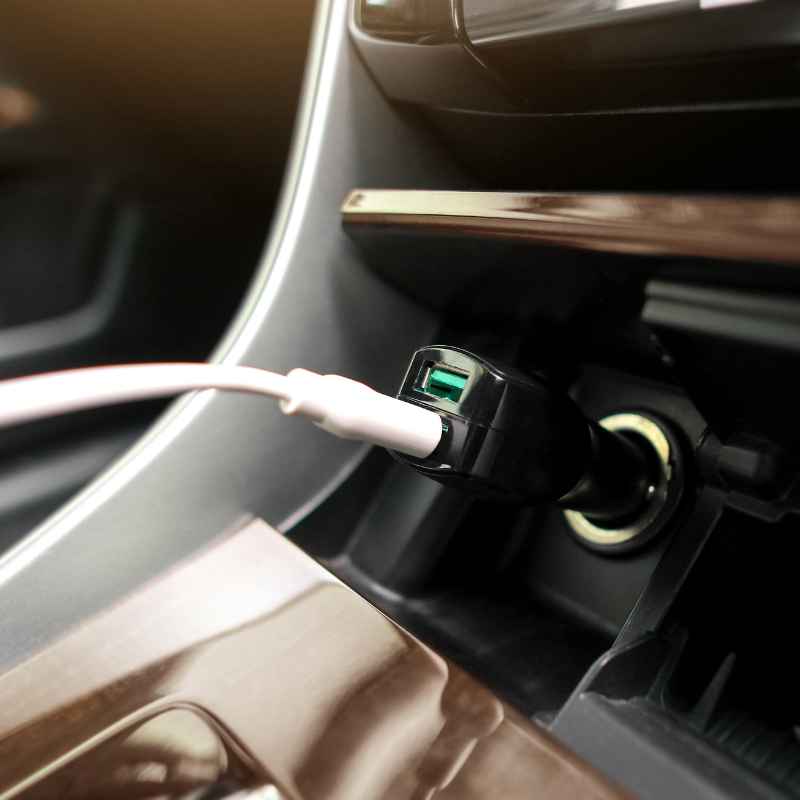
One common way is using an FM transmitter. This device plugs into your cigarette lighter. You connect your phone to it.
It then broadcasts your audio over a spare FM radio frequency. You tune your car radio to that frequency. The sound quality is okay, but it can still pick up static.
It’s easy to use, though.
Then there are cassette adapters. These look like old cassette tapes. They have a cable that plugs into your phone.
You put the “tape” into your car’s cassette player. They are very easy. But, as mentioned, the sound is often not great.
It can be weak or noisy.
The most popular and best-sounding method is adding a direct auxiliary input. This often involves tapping into your car’s existing stereo system. You might need to buy a specific adapter for your car model.
Or, you might install a universal aux port. This requires a bit more work, like removing parts of your dashboard. But the sound quality is the best.
Understanding Your Car Stereo’s Inputs
This is where things get a little more technical, but we’ll keep it simple. Your car stereo is designed to accept various audio inputs. Some are obvious, like the radio tuner.
Others are less obvious. Many stereos have a hidden connector on the back. This connector is often used by the manufacturer to test the system.
This hidden connector is what we often tap into for an aux port. It’s usually a multi-pin connector. It carries signals for audio, power, and ground.
Finding the right pins is key. You need to identify the left audio input, the right audio input, and the common ground. These are the signals that will carry your music.
Sometimes, your car stereo has a dedicated “CD Changer” port. Many aux adapters are designed to plug into this. The stereo thinks it’s talking to a CD changer.
But really, it’s getting your phone’s audio. This is a very common and effective method. It often requires minimal wiring.
It’s a plug-and-play solution for many car models.
You might also have a stereo that supports an “external input” or “AUX” button. If your car has this button but no visible jack, it likely uses a specific connector on the back. Finding the right adapter for this is crucial.
It’s like finding a key to unlock the audio potential of your stereo.
The DIY Aux Port Installation: A Step-by-Step Approach
Okay, let’s get to the hands-on part. This is for installing a direct aux input. It usually gives you the best sound.
Remember, patience is your friend here. And if you’re ever unsure, it’s better to stop and ask for help or consult a professional.
Step 1: Gather Your Tools and Parts
You’ll need a few things. A set of car radio removal tools is essential. These plastic pry tools prevent damage to your dashboard.
You’ll also need a screwdriver set, possibly with Phillips and flathead bits. Wire cutters or strippers are necessary for any small wiring adjustments. Electrical tape is a must for insulating connections.
You’ll also need your specific aux adapter kit. This kit usually includes the aux cable and sometimes a new panel-mount aux port.
Step 2: Accessing the Stereo Unit
This is often the most intimidating part. You need to carefully remove your car’s stereo. Look for trim pieces around the radio.
Use your plastic pry tools to gently loosen these. They might be held in by clips. Once the trim is loose, you’ll see screws holding the stereo in place.
Unscrew these. Then, slowly pull the stereo unit out of the dashboard. Be careful not to yank it.
There will be wires connected to the back.
Step 3: Disconnecting the Stereo
Once the stereo is pulled out a bit, you’ll see a tangle of wires. There will be a main wiring harness. There might also be antenna cables.
You’ll likely see a large connector plugged into the back of the stereo. This is the main harness. Carefully unclip and unplug it.
You might also need to disconnect the antenna. Some stereos have a specific plug for an external device. This is the one we’re often looking for.
It might be labeled “CD Changer,” “XM,” or “AUX.”
Step 4: Connecting the Aux Adapter
Now, take your aux adapter kit. It will have a connector that matches the port on your stereo. Plug this into the correct port on the back of the stereo unit.
If your kit came with a separate aux port that you want to mount on your dash, now is the time to plan its location. You might need to drill a small hole. Feed the cable from the adapter through this hole and connect it to the new port.
Step 5: Testing the Connection
This is a crucial step. Before you put everything back together, test the aux port. Reconnect the main stereo harness.
Do NOT screw the stereo back in yet. Turn on your car’s ignition. Turn on the stereo.
Select the correct input mode. This might be “CD,” “XM,” or a specific “AUX” mode, depending on your adapter. Plug your phone into the aux cable.
Play some music. Check if the sound comes through the car speakers. Test both left and right channels.
Make sure the volume control works.
Step 6: Reassembling the Dashboard
If the test is successful, you’re ready to reassemble. Carefully tuck the wires back into place. Make sure nothing is pinched.
Slide the stereo unit back into its opening. Reinstall any screws you removed. Snap the trim pieces back into place.
Make sure they are flush and secure. Double-check that all clips are engaged. Give everything a gentle shake to ensure it’s solid.
Step 7: Final Test Drive
Take your car for a short drive. Play your music again. Confirm that everything is working as expected.
Enjoy the clear, crisp sound!
DIY Aux Installation: What You Might Need
Essential Tools:
- Plastic trim removal tools
- Screwdriver set (Phillips and flathead)
- Wire cutters/strippers
- Electrical tape
Key Parts:
- Specific aux adapter for your car model
- Or, a universal aux input adapter kit
- Optional: Panel-mount 3.5mm aux jack
Choosing the Right Aux Adapter for Your Car
This is where research really pays off. Not all cars are the same. The stereo system in a 2005 Honda Civic will be different from a 2008 Toyota Camry.
You need an adapter that is compatible with your car’s specific make, model, and year. Many aftermarket adapters are designed to plug into the back of your factory stereo. They often use the “CD changer” port, even if your car never had a CD changer.
Websites that sell car audio parts are a great resource. They often have search filters. You can enter your car’s details.
Then, they will show you compatible aux adapters. Read reviews from other users. See if people with the same car as yours had success.
Some adapters might require minor wiring. Others are truly plug-and-play. Knowing this upfront saves a lot of headaches.
Brands to Consider
Reputable brands in the car audio aftermarket include Metra, Scosche, and PAC Audio. These companies specialize in making adapters that integrate aftermarket electronics with factory car systems. They understand the complexity of different car wiring harnesses.
Their products are generally well-made and reliable. Always check product descriptions carefully. Ensure it explicitly states compatibility with your vehicle.
Another approach is to look for adapters that mimic the function of an original CD changer. These are often called “car stereo interfaces” or “digital music changers.” They might offer more than just an aux input. Some can also support USB drives or SD cards.
These offer a more modern way to play digital music files.
Troubleshooting Common Aux Installation Issues
It’s rare that everything goes perfectly the first time. Don’t get discouraged if you hit a snag. Most issues are fixable with a bit of patience.
No Sound at All: Double-check all connections. Make sure the adapter is plugged in fully to the stereo. Ensure the stereo is set to the correct input mode.
Try unplugging and replugging everything. Sometimes, a loose connection is the culprit.
Sound Only in One Speaker: This usually points to a wiring issue. Ensure the left and right audio channels are correctly connected if your adapter has separate wires for them. If it’s a single plug, the adapter itself might be faulty, or there’s an issue with the car’s internal wiring for that channel.
Humming or Buzzing Noise: This is often a ground loop issue. The aux adapter might not be properly grounded. Or, it’s picking up electrical noise from other car systems.
Try ensuring all connections are secure. Sometimes, a dedicated ground wire might be needed, though this is less common with modern adapters.
“No Device” or “Error” Message: Some stereos will show an error if they don’t properly recognize the connected device. This can happen if the adapter isn’t fully compatible. It might be a firmware issue with the stereo itself.
In this case, you might need a different adapter or consult a car audio professional.
Intermittent Sound or Dropping Out: This strongly suggests a loose connection. Go back and check every plug and wire connection. Ensure they are all seated firmly.
Wiggle the wires gently to see if the sound cuts out. This can also happen if the cable is damaged.
Quick Aux Check-Up
Sound Quality
Is it clear and loud?
Left/Right Balance
Are both speakers working?
Volume Control
Does your car’s volume knob work?
No Static/Hum
Is the audio clean?
Alternatives to Installing a Hardwired Aux Port
While a hardwired aux port offers the best sound, it’s not the only option. If you’re not comfortable with dashboard disassembly, or if your car’s stereo system is too complex, there are simpler workarounds. These might not offer the same pristine audio quality, but they can still greatly improve your listening experience.
One popular choice is a Bluetooth adapter that plugs into your car’s 12V power outlet. Many of these devices also have a 3.5mm aux output. You can connect your phone via Bluetooth to the adapter.
Then, you use an aux cable to connect the adapter to your car’s existing aux input (if you have one). This is a great solution if your car has an aux input but no Bluetooth. The sound quality will be limited by the quality of the car’s aux input.
Another option is a Bluetooth receiver that plugs into your existing aux port. If your car already has a 3.5mm aux jack, you can get a small Bluetooth receiver. It plugs directly into the jack.
You then pair your phone to it. This is the easiest solution if your car has an aux jack but no Bluetooth. It requires no installation at all.
For cars with no aux input and no CD player, a cassette adapter is still an option. While the sound quality isn’t as good as a direct aux connection, it’s better than nothing. Modern cassette adapters are generally better than older ones.
They can still provide an enjoyable listening experience for podcasts or casual music listening.
Finally, consider an FM transmitter with a good quality chipset. While FM transmission can be prone to interference, newer models are much better. Look for ones that allow you to select a less crowded frequency.
Some even offer app control to help you find the best station. They are very easy to use, often just plugging into the cigarette lighter and pairing with your phone.
What Does This Mean for Your Car’s Value?
Adding an aux port is a functional upgrade, not usually something that drastically increases your car’s resale value. However, it can make your car more appealing to buyers. Many people expect modern connectivity features.
If you’re selling your car, having a working aux port can be a small selling point. It shows the car has been maintained and upgraded.
If you’re planning to sell your car soon, consider the complexity of the installation. If it involves cutting or permanently altering parts of the dashboard, it might be best to stick to simpler adapters. For a permanent install, it’s usually done for your own enjoyment.
It enhances your daily driving experience. That’s the primary benefit.
When selling, be honest about the installation. If it’s a professional install, mention it. If it’s a DIY job, that’s fine too, as long as it was done neatly.
Buyers often appreciate seeing that the car has been cared for. This includes modernizing its audio capabilities.
When to Call a Professional
While many of these installations are doable for a DIY enthusiast, there are times when it’s best to leave it to the experts. If your car’s dashboard is particularly complex or delicate, you might risk causing damage. If you’re dealing with a luxury vehicle or a car with a highly integrated infotainment system, professional installation is often recommended.
Another reason to call a pro is if you’re not comfortable with electrical systems at all. Working with car wiring requires a certain level of confidence and understanding. If you’re unsure about identifying wires, making connections, or insulating them properly, it’s safer to let someone who does this for a living handle it.
An experienced car audio installer will have the right tools and knowledge.
If you’ve tried to install it yourself and encountered persistent problems you can’t solve, it’s time to seek professional help. They can often diagnose and fix issues that might be beyond a beginner’s scope. The peace of mind that comes with a professionally installed system is often worth the cost.
Quick Fixes & Tips for Better Sound
Once your aux port is installed, there are a few things you can do to maximize your listening experience. First, always use a good quality aux cable. Cheap cables can degrade sound quality.
They can also be more prone to damage. Look for cables with sturdy connectors and good shielding.
Adjust your phone’s equalizer settings. Most smartphones have built-in EQ options. You can boost bass, treble, or midrange to suit your preferences.
Experiment with these settings to find what sounds best in your car. Remember that every car’s acoustic environment is different.
Keep your phone’s volume at a reasonable level. You don’t want to push it to the maximum. This can cause distortion.
Instead, use your car’s volume knob to control the overall loudness. Start with your phone at about 75-80% volume and then adjust the car stereo volume.
Clean your aux port regularly. Dust and debris can get into the port over time. This can cause connection issues or intermittent sound.
Use a can of compressed air to blow out any dust. Be gentle.
Frequently Asked Questions About Installing an Aux Port
Is it safe to install an aux port myself?
Yes, for many cars, it is safe to install an aux port yourself if you follow instructions carefully. You need to be comfortable working with basic tools and car interiors. Always disconnect your car’s battery before starting any electrical work to prevent shorts.
If you’re unsure, professional installation is recommended.
How much does it typically cost to install an aux port?
The cost varies widely. A DIY installation using an adapter kit can cost anywhere from $20 to $100 for the parts. Professional installation can range from $75 to $300 or more, depending on the complexity of your car’s stereo system and the installer’s labor rates.
Will installing an aux port void my car’s warranty?
In the US, the Magnuson-Moss Warranty Act generally prevents manufacturers from voiding your warranty just because you installed an aftermarket part. However, if the aftermarket part or the installation causes damage to another component covered by the warranty, that specific damage might not be covered. For most simple aux port installations, this is rarely an issue.
My car has a USB port, do I still need an aux port?
A USB port is great for playing music directly from a flash drive or for charging your phone. However, not all USB ports support audio playback from all phones, especially older ones. An aux port provides a direct analog audio connection that is universally compatible with any device that has a headphone jack or an adapter for one.
What is the difference between an aux port and Bluetooth audio?
An aux port uses a physical cable to send an analog audio signal. Bluetooth uses radio waves to send digital audio. Aux ports generally offer a more stable connection and potentially better sound quality because they bypass digital conversion steps.
Bluetooth offers wireless convenience but can sometimes have connection issues or slight audio lag.
Can I install an aux port if my car has a premium sound system?
Yes, it’s often possible, but it can be more complex. Premium sound systems may have their own amplifiers or digital signal processors. You’ll need to ensure your aux adapter is compatible with your specific premium system.
Some adapters are designed for these systems, while others may require more advanced integration.
Conclusion
Giving your car the ability to play your favorite audio through an aux port is a rewarding upgrade. It breathes new life into older vehicles. It makes commutes more enjoyable.
You can achieve this with a DIY installation or professional help. Understanding your car’s system and choosing the right adapter are key. Enjoy your music, loud and clear!
Products related to this article
Sponsored / affiliate links. As an Amazon Associate I earn from qualifying purchases. I may earn additional commission from eligible campaigns.