How to Install Tint on a Car Window (Step-by-Step DIY Guide)
You can install window tint on a car yourself in 2–4 hours using a tint film kit, a squeegee, and soapy water — no professional tools required. Skip a professional install and keep the $200–$650 shop cost in your pocket. This guide covers every step: choosing the right film type and VLT, cutting and fitting, applying without bubbles, and trimming for a clean edge.
Quick Answer
To install tint on a car window: clean the glass thoroughly, cut the film 1 inch oversized, spray the window with soapy water, apply the tint adhesive-side-down, squeegee from center outward to remove bubbles, then trim the edges with a blade. Allow 7–10 days to cure before rolling down the windows.
What You Need Before Starting
Best Window Tint Film for DIY Install

VViViD Complete Car Window Tint Film (4-Roll Pack)
Pre-measured 4-roll set covers all side and rear windows on most sedans — 40% VLT with air-release channels for repositioning during install.
- Best for: First-time DIY installers wanting a pre-measured roll pack that fits most sedans without cutting
- Why we picked it: Air-release adhesive gives extra time for positioning; 40% VLT legal in most states for side windows
- Main drawback: Dyed film — will fade after 3–5 years vs. carbon or ceramic alternatives
Other tools you’ll need
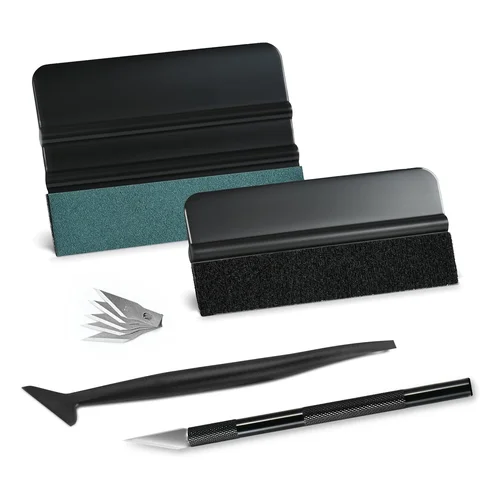 Tool 1 Window Tint Squeegee Kit
|
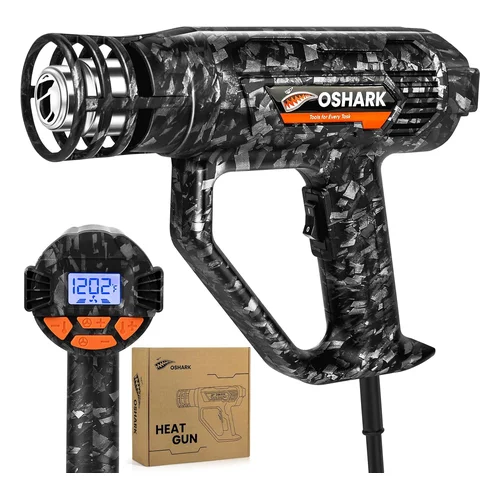 Tool 2 Heat Gun (for Rear Window)
|
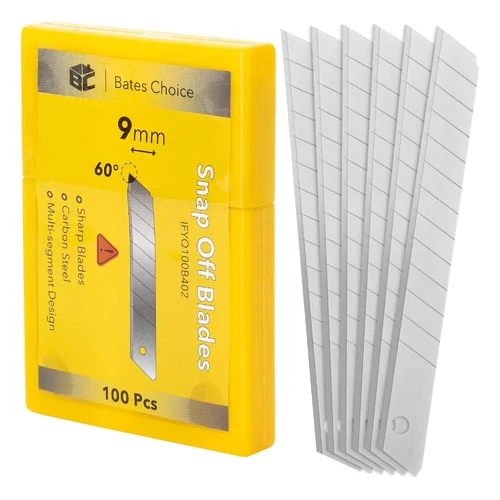 Tool 3 Precision Blade / Utility Knife Kit
|
As an Amazon Associate we earn from qualifying purchases.
Gather everything before starting — running out mid-install causes the film to dry before you can position it correctly.
- Window tint film — pre-cut kit for your vehicle or a roll (cut to size)
- Squeegee — hard card or dedicated tint squeegee for bubble removal
- Spray bottle — filled with soapy water (2–3 drops of baby shampoo per quart)
- Utility knife or precision blade — for trimming edges
- Heat gun or hairdryer — for rear window curves
- Lint-free microfiber cloths — for initial cleaning
- Razor blade scraper — to remove any residue or old tint
- Tape measure — for accurate cutting dimensions
Choosing the Right Window Tint Film
The film type affects heat rejection, signal interference, longevity, and price. Match your film choice to your priorities before buying.
| Film Type | Heat Rejection | Signal Interference | Longevity | Cost (DIY roll) | Best for |
|---|---|---|---|---|---|
| Dyed | Low–Moderate | None | 3–5 years (fades) | $30–$60 | Budget installs, privacy only |
| Carbon | Moderate | None | 5–8 years | $60–$120 | Best value — no fade, good heat |
| Metalized | High | Yes (blocks GPS/radio) | 7–10 years | $50–$100 | Avoid if you use GPS or satellite radio |
| Ceramic | Very High | None | 10+ years | $100–$200 | Best overall — premium choice |
VLT (Visible Light Transmission) laws vary by state. Higher VLT = lighter tint (more light passes through). Most states require 35–70% VLT on front side windows, with more flexibility on rear windows. Check your state’s regulations before purchasing — non-compliant tint can result in fines and mandatory removal.
Preparation And Materials
Gathering Tools And Supplies
Collect all tools before starting: tint film, squeegee, spray bottle, utility knife, clean microfiber cloth, measuring tape, cleaning solution, and gloves. Having everything ready prevents the film from drying before you finish positioning it.
Choosing The Right Tint Film
Selecting the right tint film is crucial. Consider the percentage of darkness — each state has laws on tint darkness, so check local rules before buying. Choose between metallic, ceramic, carbon, or dyed film based on your budget and heat-rejection needs. Ceramic costs more but lasts longer and won’t interfere with GPS or radio signals.
Cleaning The Windows
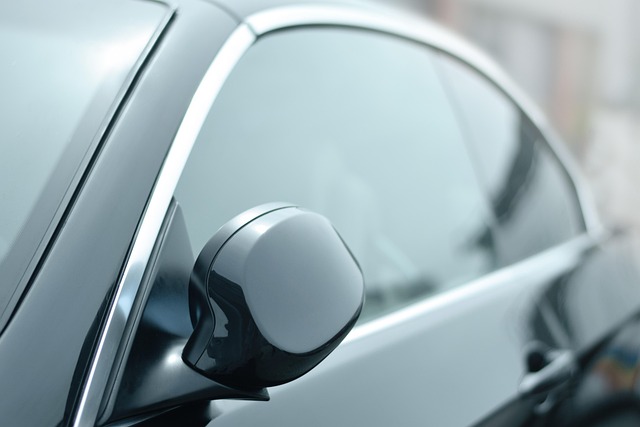
This is the most important step — any dust, oil, or residue under the film creates permanent bubbles. Use a lint-free cloth and window cleaner, then a razor blade scraper at a shallow angle to remove any stuck debris. Spray soapy water and squeegee from top to bottom. The glass should be spotless and slightly damp before you touch the tint film.
Measuring And Cutting Tint Film
Measure the window’s height and width with a tape measure. Cut the film 1 inch larger on all sides — this overhang makes positioning easier and is trimmed flush at the end. Use a sharp utility knife on a flat, clean surface for straight cuts. Dull blades cause ragged edges that lift and peel. For pre-cut kits matched to your vehicle model, no measuring is required.
Applying The Tint Film
Spray the window generously with soapy water — this acts as a slip solution, letting you reposition the film before it adheres. Peel the backing from the tint film and place the adhesive side against the wet glass, starting from the top edge. Let it hang down and align before pressing. Use a quality tint film with air-release channels for easier installation. For curved rear windows, use a heat gun on low to shrink the film to the glass contour before applying.
Smoothing And Trimming
Removing Air Bubbles
Use a squeegee to push air bubbles toward the edges. Start from the center of the window and move outward in overlapping strokes. Apply firm, even pressure. Small bubbles that remain after installation often disappear within 7–10 days as the adhesive cures — don’t try to fix them immediately by poking. Large bubbles that don’t resolve indicate debris under the film and require reapplication.
Trimming Excess Film
Once the film is smooth, trim the 1-inch overhang with a fresh utility knife blade. Run the blade along the window edge at a slight angle, using the door seal as your guide. Use a single continuous stroke where possible — multiple short strokes create uneven cuts. After trimming, run the squeegee along the edges one more time to seal them down firmly.
Final Inspection
Checking For Imperfections
Hold a flashlight at an angle behind the glass to check for bubbles, creases, or lifted edges. Small bubbles in the first few days are normal and will flatten as the adhesive cures. Lifted edges need to be reseated immediately — lift the film slightly, re-spray the area, and squeegee back down. Do not roll the windows down for 7–10 days after installation.
Ensuring Proper Adhesion
Press the tint edges firmly with a squeegee and a clean cloth. Check the tint after 24 hours. Ensure edges haven’t lifted — particularly at the corners. If a corner lifts, a small amount of warm air from a heat gun (held 6 inches away) helps re-activate the adhesive. Keep the car out of direct sunlight for the first 24 hours to allow even curing.
Frequently Asked Questions
What tools do I need to install window tint?
You need tint film (pre-cut or roll), a squeegee or hard card, a spray bottle with soapy water, a utility knife with fresh blades, and a heat gun or hairdryer for curved rear windows. A lint-free microfiber cloth and a razor blade scraper for cleaning complete the kit. Total tool cost for a first-time install runs $20–$50 beyond the film itself.
How long does window tint installation take?
Window tint installation typically takes 2–4 hours for a full car. Individual side windows take 20–30 minutes each; the rear window takes 45–60 minutes due to curved glass. First-time installers should budget the full 4 hours and not rush — repositioning film and re-doing windows that bubbled takes more time than doing it carefully the first time.
Is it legal to tint car windows?
Yes, but tint laws vary by state. Most states require 35–70% VLT on front side windows. Rear side windows and the rear windshield often allow darker tint. California and New York require 70% VLT on front side windows. Texas and Florida allow 25–28% VLT. Check your state’s DMV or motor vehicle code before purchasing — non-compliant tint requires removal and re-tinting.
Can I install window tint myself?
Yes — DIY window tinting is achievable with the right tools and patience. Many drivers successfully tint their own cars and save $150–$400 compared to a shop install. Start with a flat side window before tackling the curved rear glass. The most common beginner mistake is insufficient cleaning — any dust under the film creates permanent bubbles that require complete removal and reinstallation.
Conclusion
Installing window tint yourself is straightforward when you follow the steps in order: clean the glass obsessively, cut the film oversized, use enough soapy water to keep it repositionable, squeegee from center outward, then trim the edges cleanly. Allow 7–10 days for the adhesive to cure before rolling the windows down. For related car window guides, see our article on how to remove tint glue from a car window if you’re replacing an old install.
Products related to this article
Sponsored / affiliate links. As an Amazon Associate I earn from qualifying purchases. I may earn additional commission from eligible campaigns.