5 Best Car Window Tints for Heat Reduction (2026): We Compared
For a common balance of heat control, privacy, and legal fit, start with ceramic tint at about 35% to 50% VLT on the front side windows, then go darker only on rear glass where local rules allow it. Choose the wrong VLT or film type and you can end up with a hotter cabin, weaker night vision, or a citation. This guide compares tint types and VLT levels by driving conditions, privacy needs, and legal risk.
Quick comparison
| Product | Badge | Best for | Price | ||
|---|---|---|---|---|---|
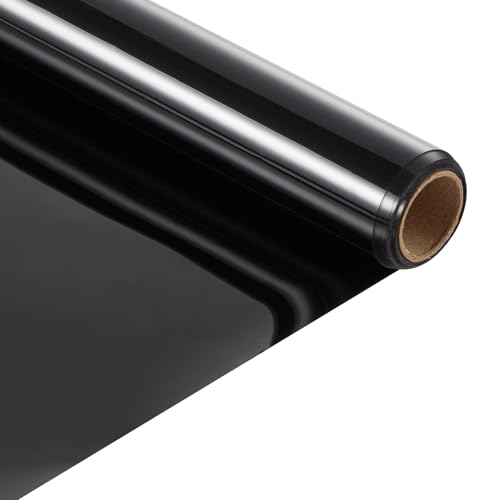 |
Vepagoo Ceramic Car Window Tint Film 5% VLT, 20" x10FT |Vepagoo | Our pick | 20" x 10ft · 5% VLT · Ceramic | $17.99
Price as of 20 Oct 2026
|
View |
 |
RockRose 35% Nano Ceramic Car Window Tint 20 in x 10FT 2PLYRockRose | Also great | 20" x 10ft · 35% VLT · Nano Ceramic | $25.99
Price as of 20 Oct 2026
|
View |
 |
smilfuy 20% VLT Car Window Tint Film for Auto Sun Shadesmilfuy | Also great | 20" x 19.68ft · 20% VLT · Vinyl | $18.99
Price as of 20 Oct 2026
|
View |
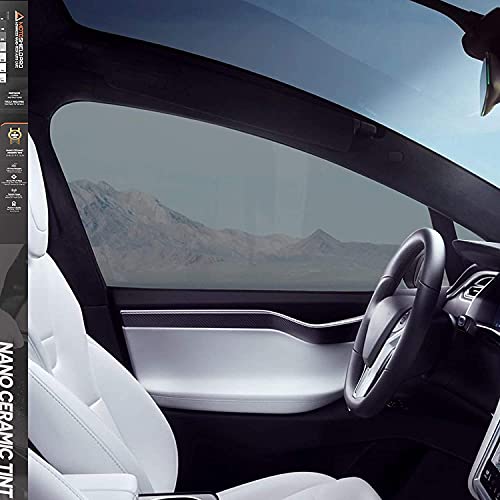 |
MotoShield Pro 5% VLT Nano Ceramic Window Tint for Car 20”MotoShield Pro | Upgrade pick | 20" x 10ft · 5% VLT · Nano Ceramic | $55.99
Price as of 20 Oct 2026
|
View |
 |
IAQWE 35% VLT Ceramic Car Window Tint Film 36 in x 25 ftIAQWE | Also great | 36" x 25ft · 35% VLT · Ceramic | $44.99
Price as of 20 Oct 2026
|
View |
Start with the use case, not the badge on the box. A film that looks good in a parking-lot privacy check can be a bad match for night commuting or a car with sensitive electronics.
XPEL says its automotive window tint can provide up to 60% less heat inside, with UV protection and glare reduction, but the darkest legal tint still varies by location.
How we chose
These picks are organized by tint type, VLT, and the tradeoffs that matter in daily driving. The comparison focuses on heat rejection, UV blocking, night visibility, signal interference risk, installation difficulty, and caution around local laws.
That means a darker film does not automatically win. A better film at a higher VLT can be the smarter choice if you drive after dark, need clear sensor performance, or want less replacement risk from a bad install.
Heat-reduction metrics we prioritized
Infrared rejection matters most for comfort because infrared load makes up a large part of cabin heat. UV blocking still matters for skin and interior protection, but it is not the same thing as heat rejection.
For example, Car Tune and Tire says RockRose 20% carbon tint blocks up to 99% of UV rays and reduces infrared heat by up to 55%. Auto Gear Guide says a RockRose carbon film blocks up to 99% of UV rays and reduces up to 80% of infrared radiation.
Privacy and night-driving tradeoffs
Lower VLT means darker film and more privacy, but it also cuts visibility at night, in rain, and in unlit parking lots. For many drivers, 35% VLT on front side windows is a practical middle ground, while 5% VLT works better on rear glass or for drivers who can accept a much darker cabin.
Legal and installation risk
Local tint law compliance comes first. Front, rear, and windshield rules can differ, so a film that works in one state or country may be illegal in another. Adhesive-backed film can bubble or peel if the glass is not cleaned well and squeegeed carefully, so installation quality matters as much as film type.
A common first-timer mistake is buying 5% film for the front doors because it looks private in daylight. That same choice can make night merging harder and may push the car past local limits, especially on front side windows.
Ceramic tint: best for hot climates
Ceramic tint is the strongest all-around pick for hot weather because it blocks UV and infrared heat better than basic dyed film, while usually causing less signal interference than metalized film. It is also the safer recommendation when you want cooler cabins without making the side glass unusably dark.
Why ceramic handles heat well
Ceramic films are built to reject infrared energy, which is the part of solar load that most drivers feel as cabin heat. They also tend to hold up well over time, and the better ones add scratch resistance and stable color.
If the goal is heat reduction first and privacy second, ceramic is the right starting point. It gives you more usable visibility than very dark tint and still improves comfort on long drives, parked-car heat, and stop-and-go traffic.
Who should choose ceramic over dyed film?
Choose ceramic if you commute in hot sun, leave the car parked outdoors, or want a better front-window option that stays legal more easily than very dark film. It is also the better fit if you rely on phone, GPS, or keyless-entry signals and want to reduce interference risk.
The drawback is cost. Ceramic usually costs more than dyed film, and a cheap installation can erase the benefit if the edges lift, trap haze, or leave bubbles.
Carbon tint: best for privacy
Carbon tint is a strong privacy-focused choice because it gives a darker, more consistent look without the signal-interference concern that comes with many metalized films. It also offers solid UV blocking and heat reduction, though its top-end cooling may trail the best ceramic or nano ceramic options.
Why carbon stays a popular privacy pick
Carbon film is often chosen for its darker appearance, stable color, and useful daily privacy. It can be a sensible middle ground for drivers who want a more discreet cabin without jumping straight to the darkest legal limit.
Car Tune and Tire highlights RockRose film in shades from 1% to 75%, and says the 20% carbon tint blocks up to 99% of UV rays while reducing infrared heat by up to 55%. Those are useful numbers to compare against lower-cost dyed films that may look dark but perform worse under the sun.
When carbon makes more sense than ceramic
Carbon makes sense if you want a privacy-first look and do not need the strongest possible heat rejection. It can also be a practical choice for rear windows where visibility is less critical and privacy matters more.
The drawback is that not every carbon film performs the same, and some product pages blur UV blocking with heat rejection. Compare infrared rejection directly, not just darkness.
Nano ceramic tint: best for long-term durability
Nano ceramic tint is the best fit when you want higher infrared rejection, scratch resistance, and a film that should hold its performance over the long haul. It is usually the most premium option in this roundup, especially for high-mileage drivers in very hot areas.
Scratch resistance and infrared rejection
Nano ceramic films are designed to keep their optical clarity and heat rejection while standing up to repeated use. That matters on daily drivers where windows move often and the film sees years of sun, cleaning, and abrasion.
MotoShield Pro says its 5% VLT nano ceramic film rejects up to 99% IRR and blocks 99.9% of harmful UV rays. RockRose’s 35% nano ceramic film is listed with high UV and IR rejection. Those numbers suggest why nano ceramic often wins on heat control, even before privacy is considered.
Best fit for high-mileage drivers
Choose nano ceramic if the car stays in service for years, sees daily sun exposure, or needs a premium film that balances heat rejection with better visibility than the darkest tints. It also makes sense if replacement cost matters more than the upfront price.
The main drawback is budget. Nano ceramic usually costs more than carbon or dyed film, so it is a better value when the car is kept long enough to justify the premium.
Tint comparison matrix
| Common tint choice | Typical VLT range | Heat rejection strength | Night visibility risk | Signal interference risk | Legal caution level | Recommended driver profile |
|---|---|---|---|---|---|---|
| Light ceramic | 35% to 50% | High | Low to moderate | Low | Moderate | Daily commuters who want cooler front glass and safer night driving |
| Dark carbon | 5% to 20% | Moderate to high | High | Low to moderate | High | Privacy-focused drivers who mainly want rear-cabin concealment |
| Nano ceramic | 5% to 35% | Very high | Moderate at 35%, high at 5% | Low | Moderate to high | Hot-climate drivers who want top heat rejection and durability |
| Basic dyed film | 20% to 50% | Low to moderate | Moderate | Low | Moderate | Budget buyers who want privacy more than cooling |
| Metalized film | 5% to 35% | Moderate | Moderate to high | Higher | High | Only if signal interference is not a concern and local rules allow it |
Reading the matrix the right way
Lower VLT gives more privacy, but it does not guarantee better cooling. A well-made ceramic or nano ceramic film at 35% can outperform a darker low-end film in actual heat control.
That is why UV blocking percentage and infrared rejection should be compared directly across products. UV protection is important, but infrared rejection is the cleaner clue for cabin comfort.
Vepagoo ceramic tint: best for budget ceramic privacy
Vepagoo’s 5% VLT ceramic film fits drivers who want strong daytime privacy, UV blocking, and no signal interference at a relatively low price. It is a good rear-window or privacy-focused option for buyers who want ceramic without moving into the premium tier.
What stands out is the combination of 5% VLT, 99% UV blocking, and the promise of no signal interference. That makes it easier to justify for drivers who use phones, navigation, and keyless access often.
The drawback is obvious: 5% VLT is very dark, so front-side use can be a poor choice for night driving and may be illegal depending on location. It also puts more pressure on installation quality, because small mistakes are easier to notice on very dark film.
RockRose nano ceramic tint: best for hot-weather value
RockRose’s 35% nano ceramic film is a strong pick for drivers who want a hotter-climate solution without going to a blackout look. The 85% IRR claim and 99% UVR claim make it the most balanced option here for front side windows.
It suits commuters, family cars, and drivers who want a clearer view at night than a 5% film allows. The haze-free material and easy-shrink notes also point to easier handling on curved glass.
The drawback is that 35% is less private than darker carbon or 5% ceramic options, especially in daylight. Buyers who want rear-seat concealment may need a darker film on rear glass if local law allows it.
Smilfuy 20% tint: best for dark privacy on a budget
smilfuy’s 20% VLT vinyl film is for buyers who want a dark look and a simple DIY path without spending on ceramic. The included squeegee and knife make it easier to start a basic install at home.
It offers a practical middle ground for rear windows, side glass on privacy-focused builds, or drivers who want glare reduction more than premium heat performance. The longer roll also helps if multiple windows need coverage.
The drawback is material class. Vinyl film usually will not match ceramic or nano ceramic for heat rejection, and the listing is less specific about infrared performance than the better heat-oriented options above.
MotoShield Pro 5% nano ceramic: best for maximum heat rejection
MotoShield Pro’s 5% nano ceramic film is the strongest pick here for buyers chasing maximum heat rejection and a very dark finish. The brand says it rejects up to 99% IRR and blocks 99.9% of harmful UV rays.
That makes it a fit for very hot climates, rear glass, and drivers who want the deepest privacy look available in this roundup. The 2Mil thickness may also make handling more manageable than some thin economy films.
The drawback is night visibility. Five percent VLT is extremely dark, so it is a poor front-window choice for many drivers and should be checked carefully against local law before purchase.
IAQWE 35% ceramic tint: best for full-car coverage
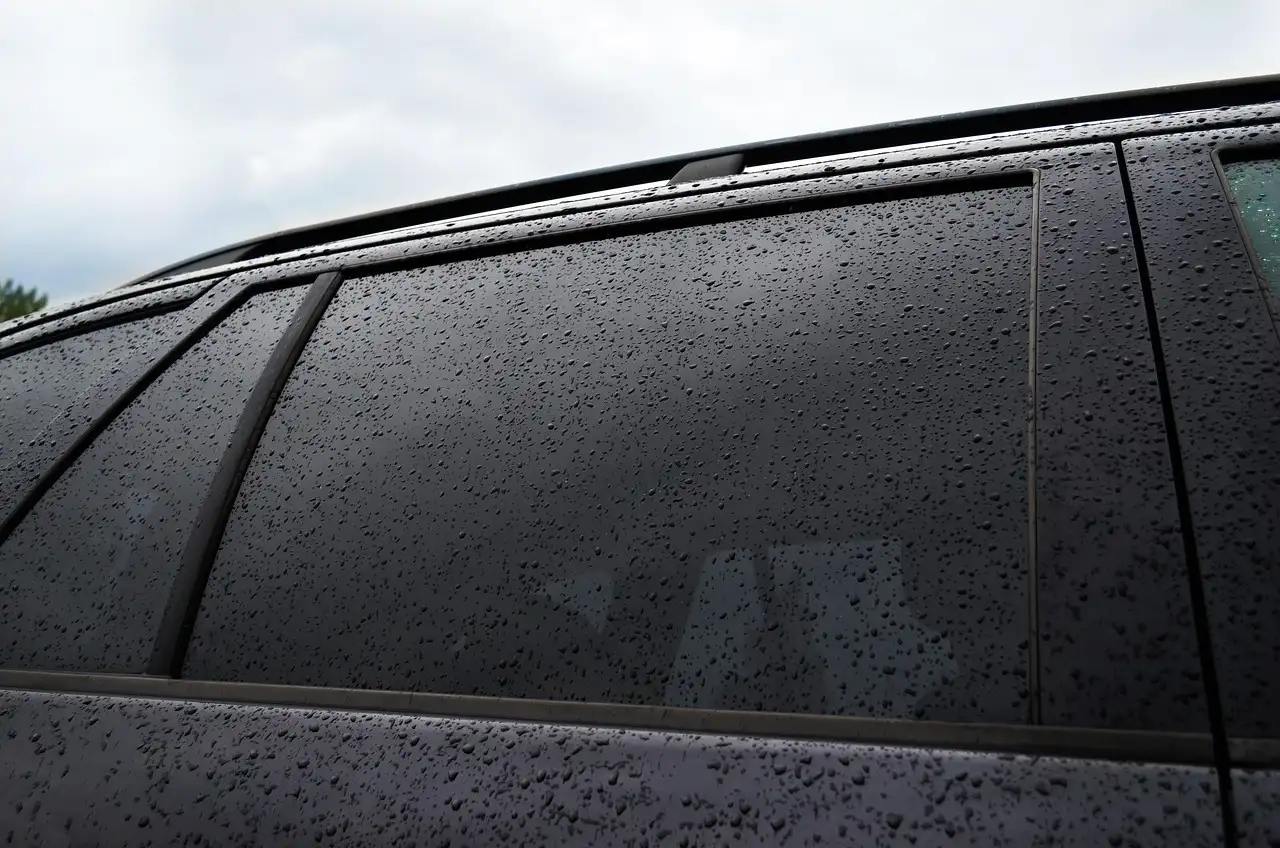
IAQWE’s 35% ceramic roll is a practical option if you want enough film to cover multiple windows in one buy. The 35% VLT level is friendlier for front side windows than very dark film, and the product pages call out heat rejection, privacy, and no signal interference.
The large roll size makes it easier to plan a matched tint job across the car, especially for DIY buyers who want consistency from door glass to rear side windows. The bubble-free adhesive note is also a helpful sign for installation.
The drawback is that 35% will not give the same privacy as 5% film, and the larger roll can be more material than some buyers need. Anyone chasing the darkest look should still compare local laws first.
What VLT should you choose?
For most drivers, 35% to 50% VLT is the best balance of heat relief, visibility, and legal flexibility on front side windows. Go darker only when the law allows it and when rear-seat privacy matters more than night clarity.
VLT is the percentage of visible light that passes through the film, so lower numbers mean less light and a darker cabin. That is useful for privacy, but it also raises night-driving risk and can make police stops more likely if the film is too dark for your area.
Best VLT for heat and privacy
If the car spends a lot of time in the sun, 35% ceramic is the safest all-around starting point. If privacy matters more than front-seat visibility, 20% can work better on rear windows. If the goal is maximum concealment, 5% is the dark end, but it carries the highest visibility and legal risk.
Front-window and windshield caution
Front side windows are where many drivers get into trouble. Windshield rules are often stricter still, and some locations allow only a narrow strip or a limited level of tint. Check local law before choosing anything darker than a mild ceramic film.
Will tint affect visibility or signals?
Yes. Darker tint reduces night visibility, especially in rain, on dark roads, and when backing into unlit spaces. Metalized films can also interfere with signals more than ceramic or carbon films, which matters if the car depends on GPS, cell reception, or remote entry.
Night-driving visibility risk
The risk rises as VLT falls. A 5% film can feel fine in daylight and still be too dark for safe night lane changes or parking. Drivers who do a lot of after-dark commuting usually do better with 35% on front side windows and darker film only on the rear.
Signal interference by film type
Ceramic and carbon are usually safer bets when signal interference is a concern. Metalized film can be effective for heat, but it is the type most likely to cause headaches with electronics, so it is a poor default unless that tradeoff is acceptable.
Suppose a driver wants 5% rear glass for privacy but works late shifts and often parks in dim apartment lots. The better setup is usually darker rear film plus a lighter ceramic front, because that keeps the privacy benefit where it matters without turning every lane change into a visibility problem.
Which one should you buy?
Choose the film based on where you drive, when you drive, and how much privacy you actually need. The best product is not the darkest one; it is the one that fits your routes, your weather, and your local tint rules.
Best choice for commuters
For commuting, the RockRose 35% nano ceramic film is the best balance of comfort and visibility. It is dark enough to cut glare and help with privacy, but not so dark that night driving becomes a constant compromise.
Best choice for rideshare or family use
For rideshare work or family transport, IAQWE 35% ceramic is the safer all-rounder, because passengers still get visibility while the cabin gets a meaningful heat break. If privacy matters more on the rear doors, Vepagoo 5% can be reserved for back glass where local law allows it.
Best choice for hot-climate daily driving
For the hottest climates, MotoShield Pro 5% nano ceramic is the strongest heat-first pick, especially on rear windows. If the driver still needs a usable front view, RockRose 35% nano ceramic is the more practical front-window compromise.
Say your car sits in direct sun all day and you leave before sunrise. A 35% ceramic front with darker rear film will usually feel cooler and remain easier to drive than a full 5% setup everywhere, because the front glass still has enough light for early-morning visibility.
What should I check before buying car window tint?
Check VLT, infrared rejection, UV blocking, installation method, and local tint law compliance before you buy. Those five items decide whether the film is legal, comfortable, and worth the money, while also telling you how likely it is to bubble, peel, or interfere with signals.
Also check whether the listing is for vehicle use, not home film. Car tint and home window film can share similar wording, but the fit, legal rules, and heat targets are different.
- Confirm the legal VLT limit for front, rear, and windshield glass in your area.
- Compare infrared rejection directly, not only the darkness level.
- Check UV blocking claims and look for a consistent figure across the listing.
- Choose ceramic or carbon if signal interference matters.
- Budget for tools, replacement film, or pro install if the glass is curved or large.
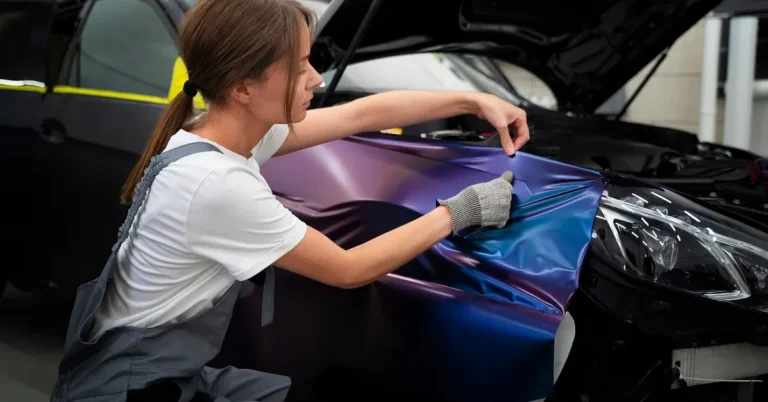
A basic tint installation kit usually includes a squeegee, spray bottle, and knife or cutter blades. Those tools do not guarantee a good result, but they do reduce the chance of bubbles, lifting edges, and uneven cuts on adhesive-backed film.
Replacement risk matters too. A cheaper film can cost more over time if it peels early or has to be re-done after a poor install, while a better ceramic film may save money by lasting longer.
Frequently asked questions
What is the best car window tint for heat reduction?
Ceramic or nano ceramic tint is usually the best choice for heat reduction because it is built to reject infrared energy, not only darken the glass. The strongest options in this roundup also combine UV blocking with better visibility than very dark low-end films.
Which window tint gives the most privacy without killing visibility?
For most drivers, 20% to 35% VLT gives a better privacy-to-visibility balance than 5% film. That range still reduces cabin exposure and glare, but it does not make night driving as difficult as ultra-dark tint can.
Is ceramic tint better than carbon tint for heat rejection?
Usually yes. Ceramic tint generally offers stronger infrared rejection and better heat control, while carbon tint is often chosen for privacy, stable color, and solid everyday performance. Carbon can still be a smart value pick, especially on rear windows.
What VLT percentage is best for privacy and heat?
For most front side windows, 35% VLT is the best compromise. It gives useful heat reduction and privacy without pushing visibility too far down. For rear glass, 20% or even 5% may suit privacy-first buyers if local law allows it.
Will window tint reduce heat inside a car?
Yes, but the amount depends on film type and infrared rejection, not darkness alone. A quality ceramic or nano ceramic film can cut cabin heat far better than a cheap dark film, especially in parked cars and long afternoon drives.
Does darker tint mean better heat rejection?
No. Darker tint can reduce glare and increase privacy, but heat rejection depends on the film’s construction and infrared performance. A lighter ceramic film can outperform a darker dyed or vinyl film on actual cabin comfort.
Products related to this article
Sponsored / affiliate links. As an Amazon Associate I earn from qualifying purchases. I may earn additional commission from eligible campaigns.
RockRose 5% Nano Ceramic Car Window Tint 24 in x 100FT 2PLY Privacy Film Heat Block, 99% UVR, and 85% IRR Block for Auto or Home Strong Adhesive, Easy Shrink, Plotter Friendly - CharcoalRockRose 20% Nano Ceramic Car Window Tint 36 in x 25FT 2PLY Privacy Film Heat Block, 99% UVR, and 85% IRR Block for Auto or Home Strong Adhesive, Easy Shrink, Plotter Friendly - Charcoal