How To Lease A Car To A Friend: Essential Guide
Leasing a car to a friend requires a formal lease agreement, clear terms on payments, mileage, insurance, and maintenance. This protects both parties and ensures a smooth, agreed-upon arrangement. Read this guide for essential steps.
Loaning out your car to a friend can feel like a nice gesture, but when money is involved, things can get complicated quickly. Think of it like lending money – without a clear plan, misunderstandings can happen. This guide will walk you through how to lease a car to a friend safely and clearly, making sure everyone stays happy and protected. We’ll cover everything you need to know to set up a fair agreement.
Many people wonder if they can just hand over the keys and collect rent. While it’s possible, it’s much safer and smarter to treat it like a proper business transaction. This way, you avoid future arguments and potential legal trouble. We’ll break down the process into easy steps, so you can feel confident about leasing your car to someone you trust.
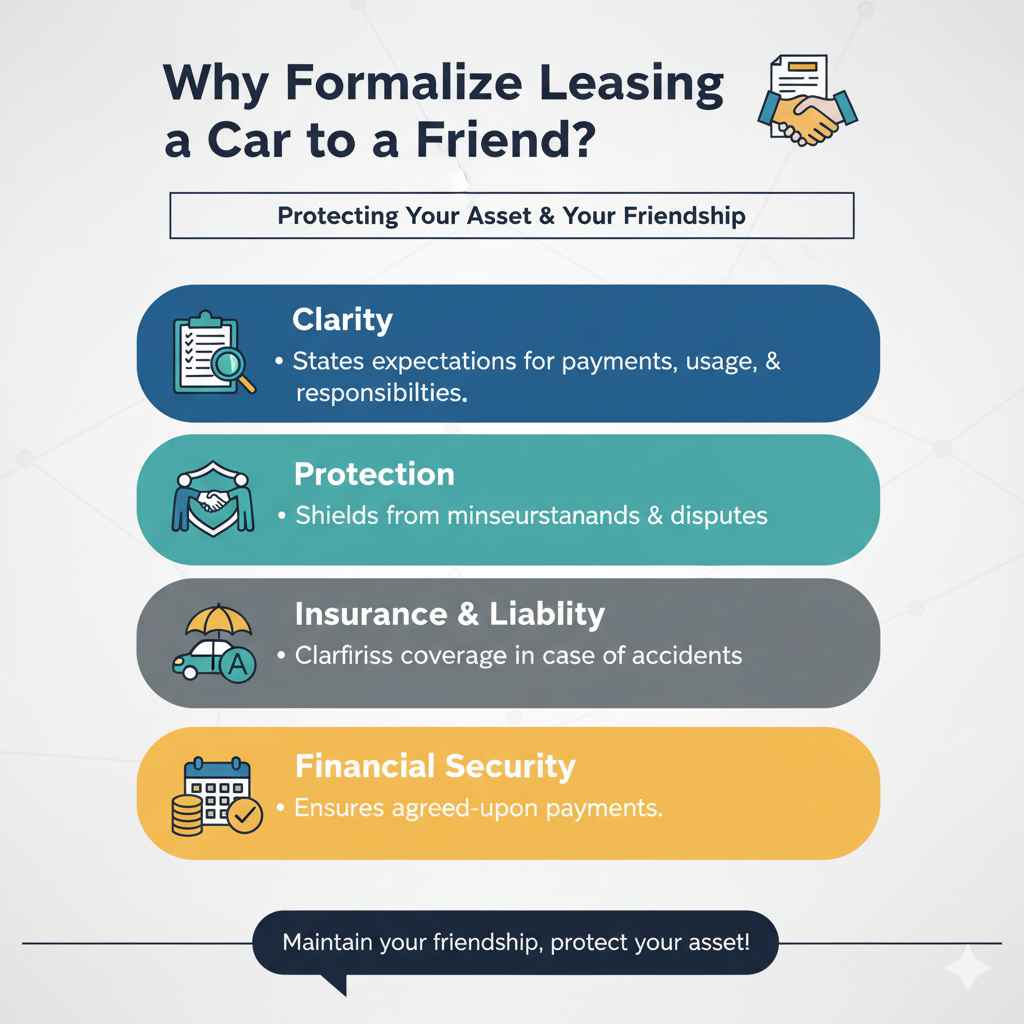
Why Formalize Leasing a Car to a Friend?
You might be thinking, “They’re my friend, why do we need paperwork?” It’s a fair question! But even with the best intentions, life happens. This agreement acts as a safety net for everyone involved.
- Clarity: It clearly states expectations for payments, usage, and responsibilities.
- Protection: It protects both you and your friend from misunderstandings and disputes.
- Insurance & Liability: It clarifies insurance responsibilities and what happens in case of an accident.
- Financial Security: It ensures you get paid as agreed and your friend understands their payment obligations.
Think of it this way: you wouldn’t lend a valuable tool without telling someone how to use it and when to return it. A car is much more valuable and complex. This process helps maintain your friendship while protecting your asset.
Understanding Your Existing Car Lease Agreement
Before you even think about leasing your car to a friend, you need to check your own lease contract. Many standard car leases have clauses that specifically prohibit or restrict subleasing or allowing another person to drive your leased vehicle regularly. It’s crucial to understand these terms to avoid violating your agreement with the leasing company, which could lead to penalties or even the repossession of the vehicle.
You can find this information in your lease agreement documents. If it’s not immediately clear, don’t hesitate to call your leasing company or dealership. They can explain the rules regarding allowing other drivers to use your car. Some leases might allow a temporary driver with certain conditions, while others might outright forbid it.
Important Note: If your lease agreement prohibits subleasing, then you cannot legally lease your car to your friend in the way we’re discussing without violating your contract. In such cases, the safest option is to either not proceed with the arrangement or to consult directly with your leasing company for any potential exceptions (though these are rare).
Key Elements of a Car Lease Agreement with a Friend
Even if you’re leasing to a friend, you need a solid contract. This isn’t about distrust; it’s about being prepared and ensuring both parties are on the same page. A good lease agreement should cover the following essential points:
1. Parties Involved
Clearly state who you are (the lessor – the one providing the car) and who your friend is (the lessee – the one using the car). Include full legal names and addresses.
2. Vehicle Details
List the specifics of the car being leased: Make, Model, Year, Vehicle Identification Number (VIN), license plate number, and current odometer reading. This ensures there’s no confusion about which vehicle is involved.
3. Lease Term
Define the start and end dates of the lease. Be specific. Is it for a month, six months, a year? A clear end date prevents the agreement from dragging on indefinitely.
4. Payment Terms
This is critical. Detail:
- Monthly Lease Payment: How much will your friend pay you each month?
- Due Date: When is the payment due? (e.g., the 1st of every month)
- Payment Method: How will they pay? (e.g., bank transfer, check, cash)
- Late Fees: What happens if the payment is late? Specify a grace period and the penalty for late payments. This incentivizes on-time payments.
5. Mileage Limitations
Your lease from the manufacturer likely has mileage limits. You must ensure your friend’s usage stays within these limits to avoid penalties. State the agreed-upon monthly or total mileage cap for your friend’s use. Also, specify any excess mileage charges your friend would be responsible for if they exceed the limit.
6. Insurance Requirements
This is one of the most important sections. You need to clarify who is responsible for what regarding insurance.
- Primary Insurance: Usually, your car insurance policy covers the vehicle. You need to ensure your policy allows an additional driver for extended periods and covers them. Contact your insurance provider to confirm.
- Deductible: Who pays the deductible if there is an accident? It’s common for the lessee (your friend) to pay any deductible.
- Coverage Limits: Ensure the policy has adequate coverage limits to protect both your asset and your friend.
- Notification: Your friend should agree to notify you immediately of any accidents or incidents.
You can find more information on auto insurance requirements from the Insurance Information Institute.
7. Maintenance and Repairs
Clearly define who is responsible for routine maintenance (oil changes, tire rotations) and who pays for repairs. Often, the lessee may be responsible for minor wear-and-tear items or repairs due to their usage. Any repairs needed due to accidents caused by the lessee should definitely be their responsibility.
8. Use of Vehicle
Specify how the car can be used. For example, is it only for personal use? Are there geographic restrictions? Will they be allowed to take it out of state or country?
9. Condition of Vehicle
Note the car’s condition at the start of the lease. You might want to take photos or create a checklist of existing damages (scratches, dents) that are already there. Your friend should acknowledge this condition.
10. Return of Vehicle
Outline the conditions under which the car should be returned at the end of the lease term. This includes the expected fuel level and overall cleanliness. Specify the process for returning the keys and vehicle.
11. Termination Clause
What happens if either party wants to end the lease early? Include conditions for early termination, such as notice periods and potential fees or refunds.
Steps to Lease a Car to Your Friend
Here’s a step-by-step guide to making this arrangement work smoothly:
Step 1: Check Your Lease Agreement and Insurance
This is your very first move. Contact your leasing company to understand their policy on allowing another individual to regularly use your car. Then, call your auto insurance provider. Explain that you plan to lease your car to a friend and ask:
- If your current policy will cover your friend as a regular driver or lessee.
- What the insurance premium implications are.
- If you need to add them to your policy or if a separate rider is needed.
- Who is responsible for paying the deductible in case of an accident.
If your current lease or insurance doesn’t allow for this, you’ll need to reconsider or find alternative solutions. For instance, you might need to look into commercial auto insurance if you were leasing it for business, but for a friend, it’s usually about personal auto policies.
Step 2: Discuss Terms Openly with Your Friend
Have a detailed, honest conversation with your friend about all the points mentioned above. This includes the monthly payment, mileage limits, insurance responsibilities, maintenance costs, and the lease duration. Make sure you both agree on everything before you start drafting any paperwork. Documenting these discussions can be helpful, too.
Step 3: Draft the Lease Agreement
You can find templates for vehicle lease agreements online, but it’s best to customize one to your specific needs when leasing to a friend. You can use a standard sublease agreement template and adapt it. Consider having a legal professional review it, especially if significant money is involved, to ensure it’s binding and fair. The U.S. Small Business Administration offers resources on creating contracts, which can be a good starting point for understanding contract basics, though car-specific leases may require more detail. You can find some helpful resources on contract creation on the SBA website.
What to include in your draft:
- Full names and addresses of lessor and lessee.
- Detailed vehicle information (make, model, year, VIN, mileage).
- Lease term (start and end dates).
- Monthly payment amount, due date, and accepted payment methods.
- Details on mileage limits and consequences of exceeding them.
- Clear insurance responsibilities (who pays what, deductibles).
- Agreed-upon maintenance and repair responsibilities.
- Restrictions on vehicle use.
- Condition of the vehicle at the start.
- Procedures for vehicle return and early termination.
- Signatures and dates from both parties.
Step 4: Sign the Agreement
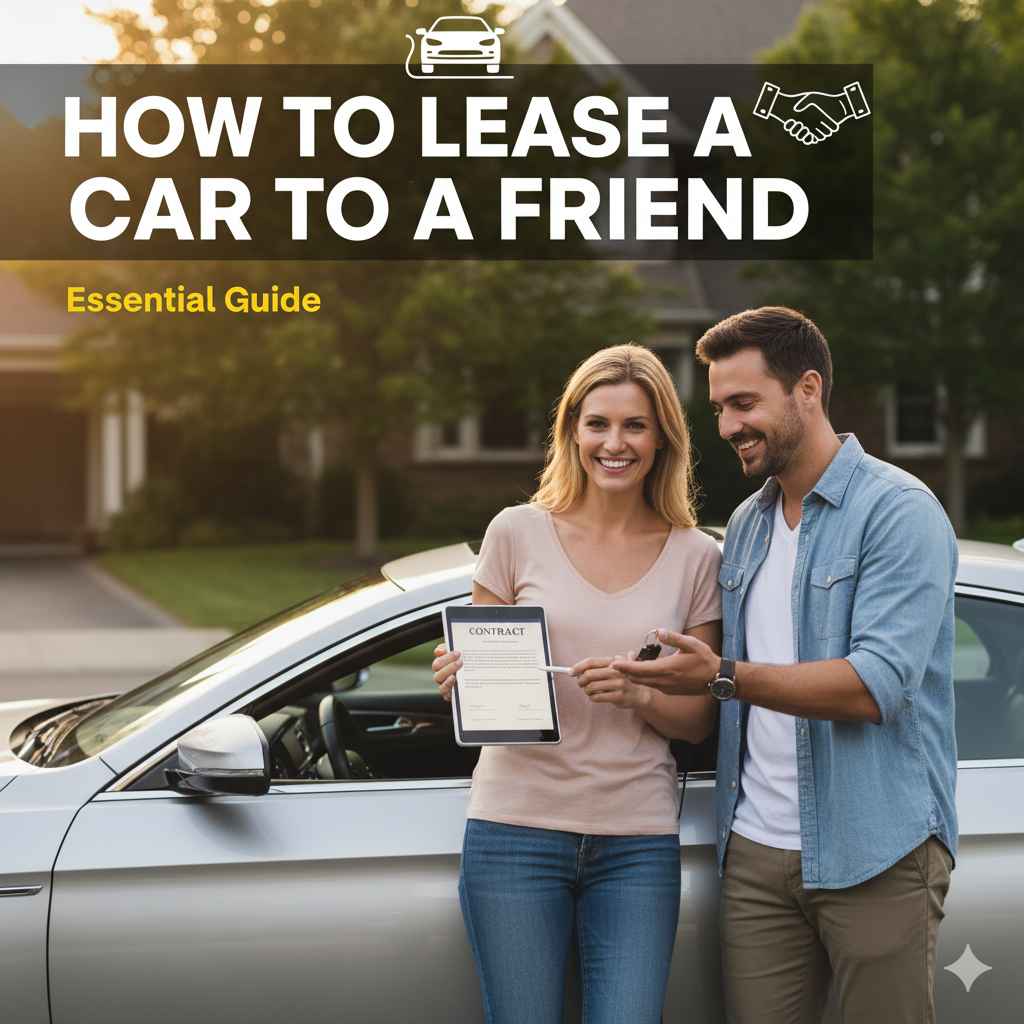
Once the agreement is drafted and reviewed by both parties, sit down together and sign it. Make sure both you and your friend understand every clause before signing. It’s a good idea to have witnesses present, although not always legally required. Provide each person with a signed copy for their records.
Step 5: Document Vehicle Condition
Take clear, dated photos or a video of the car’s exterior and interior. Note any existing scratches, dents, or interior wear. Your friend should acknowledge this condition in writing, ideally within the lease agreement itself or in a separate document referencing the agreement. This protects you from claims of damage that happened before they leased the car.
Step 6: Implement Payment and Tracking Systems
Set up a system for tracking payments. If using bank transfers, ensure they are received promptly. If using checks, track their deposit. Maintain records of all payments received and any expenses incurred related to the car during the lease term. This is also crucial for monitoring mileage. Your friend should keep you updated on their mileage regularly if you are close to the limit.
Step 7: Monitor Mileage and Usage
Regularly check the car’s odometer reading. If your friend is approaching the mileage limit, have a conversation about it well in advance of hitting it. This avoids surprise charges and potential conflicts. Be proactive in communicating about usage.
Step 8: Handle Maintenance and Repairs Promptly
If maintenance is due (like an oil change), ensure it’s handled according to your agreement. If a repair is needed, address it quickly. If it’s due to your friend’s negligence or accident, refer back to the agreement regarding responsibility for the cost and deductible.
Step 9: Manage Vehicle Return
As the lease term nears its end, discuss the return process. Ensure the car is returned in the agreed-upon condition, with the appropriate fuel level. Inspect the vehicle together and compare it to the initial condition report. Finalize any outstanding payments or charges.
Pros and Cons of Leasing Your Car to a Friend
Like any arrangement, there are upsides and downsides to leasing your car to a friend. Weighing these can help you make an informed decision.
| Pros | Cons |
|---|---|
| Extra income for you. | Risk of damage to your car. |
| Helps a friend with transportation needs. | Potential conflict if terms aren’t met. |
| You still own the asset (though it’s leased). | Mileage limits on your lease could be exceeded. |
| Can be a short-term solution for your friend. | Insurance complexities and potential premium increases. |
| You control the terms of use. | Legal issues if a formal agreement isn’t in place. |
| Can build trust through a clear business arrangement. | Your friend might not care for it as you would. |
What if Your Friend Damages the Car?
Accidents happen, and unfortunately, they can happen to your car. If your friend damages the vehicle, the lease agreement you’ve both signed is your first point of reference. This is where the clarity on insurance and deductibles becomes vital.
- Report the Incident: Your friend should immediately report the accident to you.
- Insurance Claim: If the damage is significant, they will need to file a claim with your insurance company.
- Deductible: As per your agreement, determine who is responsible for paying the insurance deductible.
- Repair Costs: If the damage exceeds insurance coverage or if the policy doesn’t cover it (e.g., if they violated terms), the agreement should clearly state your friend’s liability for the repair costs.
- Loss of Use: Consider if your agreement addresses compensation for the time the car is out of service due to damage.
This is precisely why having a detailed agreement is crucial. It sets the expectations for handling such unfortunate events, preventing disputes and ensuring accountability.
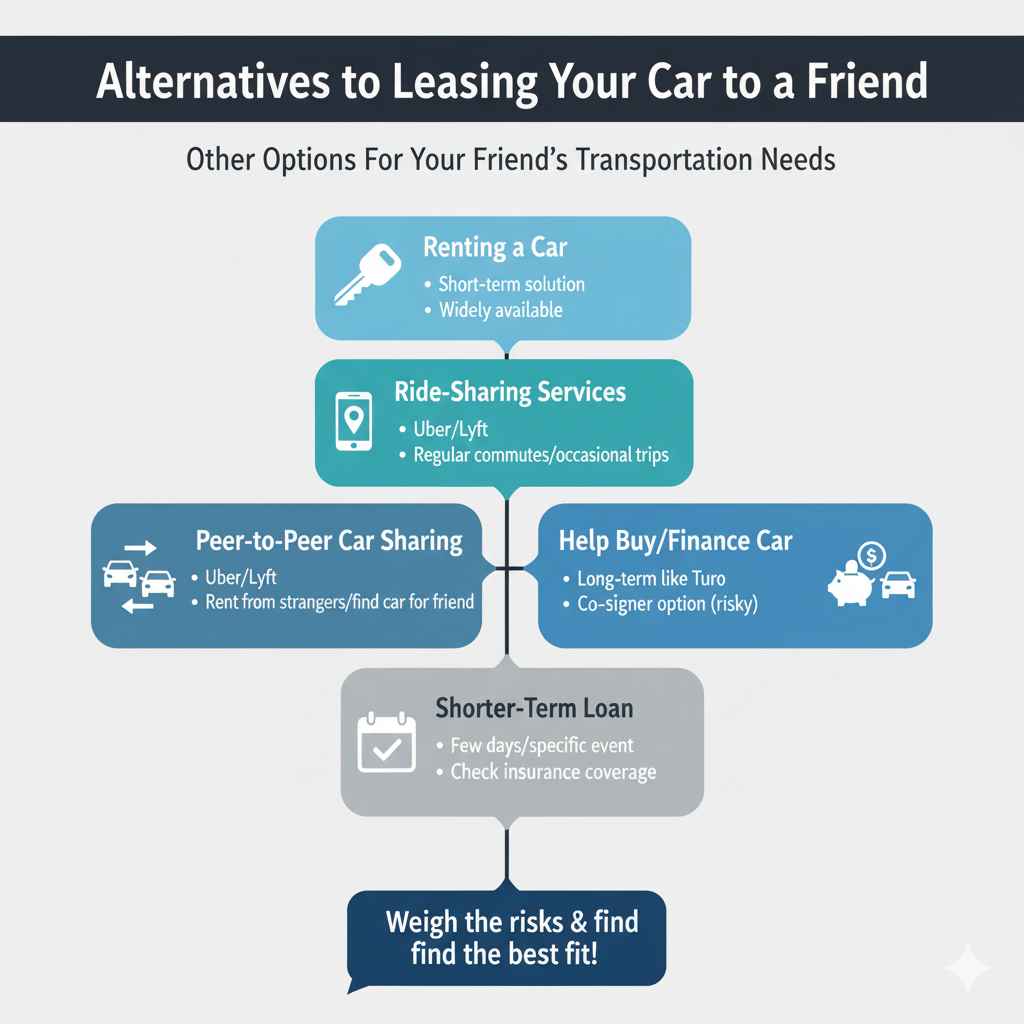
Alternatives to Leasing Your Car to a Friend
If leasing directly seems too complicated or risky, or if your primary lease agreement prohibits it, consider these alternatives:
- Renting a Car: Your friend can rent a car for short-term needs. This is straightforward and widely available.
- Ride-Sharing Services: For regular commutes or occasional trips, services like Uber or Lyft can be a convenient option.
- Peer-to-Peer Car Sharing: Platforms like Turo allow you to rent out your car to strangers, but this is a different business model. You could also potentially use these platforms to find a car for your friend to rent, though it’s less personal.
- Helping Them Buy or Finance Their Own Car: If your friend needs consistent transportation, explore options for them to get their own vehicle, perhaps with a co-signer if their credit isn’t strong (though this comes with its own risks if you co-sign).
- Shorter-Term Loan: If it’s just for a few days or a specific event, you might allow them to borrow it, but make sure your insurance covers them and set clear expectations for return and care. This is different from a formal lease.
Frequently Asked Questions (FAQ)
Q1: Can I legally lease my car to a friend?
Yes, you can legally lease your car to a friend as long as your original lease agreement with the financing company allows for subleasing and your insurance policy covers it. You must have a formal written lease agreement detailing all terms and conditions.
Q2: What happens if my friend gets a speeding ticket?
Typically, the driver of the vehicle is responsible for any traffic violations, including tickets. Your lease agreement should clearly state that your friend is responsible for all fines, penalties, and consequences of traffic violations incurred while they are using the car.
Q3: Do I need to change my car insurance when leasing to a friend?
You absolutely must inform your insurance provider. Your current policy might not cover a non-household member driving the car for an extended period or for commercial purposes (which leasing can sometimes be construed as). You may need to add them to your policy or get a specific rider, which could affect your premiums.
Q4: What if my friend doesn’t make the lease payments on time?
Having a late fee clause in your lease agreement is essential. If payments continue to be missed, you may need to enforce the termination clause of your agreement and retrieve the vehicle. This is why a clear, signed contract is crucial for enforcing terms.
Q5: Is it safe to let a friend drive my leased car if my lease agreement says no?
No, it is not safe or advisable. Violating your lease agreement can lead to penalties from the leasing company, such as hefty fees, termination of the lease, or even legal action to repossess the car. It could also void your insurance coverage in case of an accident.
Q6: How do I handle the car’s maintenance if I lease it to a friend?
Your lease agreement should specify this. Common arrangements include the friend taking care of routine maintenance (like oil changes and tire pressure checks) and paying for anything related to their usage, while you might retain responsibility for major scheduled maintenance or repairs not caused by their misuse, depending on your original lease terms and what you negotiate.