How to Lift a Car Safely: Jack and Jack Stand Guide
Lifting a car safely means using a jack on level, solid ground at a reinforced jacking point, usually behind the front wheels or in front of the rear wheels. A jack alone should never hold the car’s full weight; jack stands are essential before you work underneath. This guide covers the full step-by-step process.
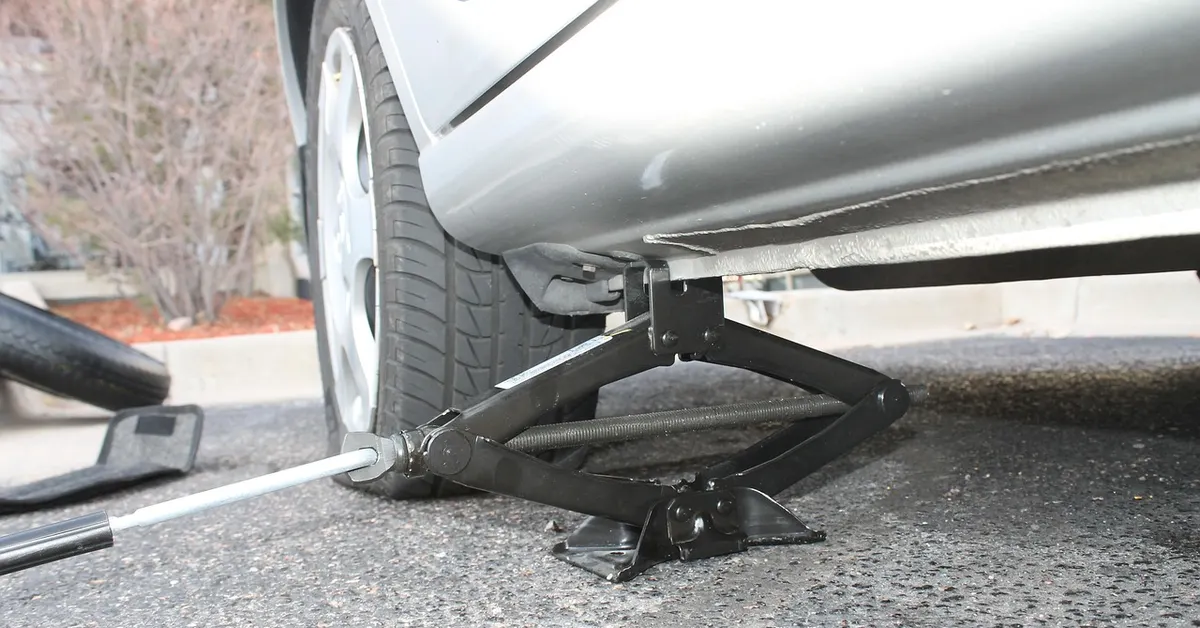
Before we get started, it’s important to note that lifting a car can be dangerous and should only be done by those who are properly trained. Always use caution and follow the manufacturer’s instructions when lifting a car. Additionally, make sure to wear appropriate safety gear, such as gloves and safety glasses, when working on your car. Types of Car Lifts Before we get into the details of how to lift a car, it’s important to understand the different types of car lifts available. There are several types of car lifts, including: 1. Floor Jacks: Floor jacks are hydraulic jacks that are used to lift a car from the ground. They are typically used for changing tires and performing maintenance. 2. Jack Stands: Jack stands are used to support the weight of a car that has been lifted by a floor jack. They are typically used in conjunction with a floor jack and are designed to provide additional support and stability. 3. Scissor Lifts: Scissor lifts are hydraulic lifts that are used to lift a car off the ground. They are typically used in commercial garages and are not recommended for home use. 4. Two-Post Lifts: Two-post lifts are hydraulic lifts that are used to lift a car off the ground. They are typically used in commercial garages and are not recommended for home use. 5. Four-Post Lifts: Four-post lifts are hydraulic lifts that are used to lift a car off the ground. They are typically used in commercial garages and are not recommended for home use. How to Lift a Car with a Floor Jack and Jack Stands For home use, the most common way to lift a car is with a floor jack and jack stands. Here’s a step-by-step guide on how to lift a car safely and effectively: Step 1: Park the car on a level surface and engage the parking brake. Step 2: Locate the jacking points on your car. These are usually indicated by arrows or notches on the side of the car. If you’re not sure where the jacking points are, consult your owner’s manual.
Torin Big Red Hydraulic Floor Jack + Stands – $79.79
Best for: exactly the task this guide covers — safely lifting a car with a jack and stands
Why we picked it: a hydraulic floor jack with jack stands is the complete kit this guide says you need for a safe lift
Main drawback: 2-ton capacity — confirm it exceeds your vehicle’s actual weight before buying
View Our Pick on Amazon

CRAFTSMAN 230-Piece Mechanics Tool Set – $129.00
Best for: the repair work you do once the car is safely lifted
Why we picked it: a comprehensive tool set covers most jobs once the car is up on stands
Main drawback: the priciest option here if you only need to lift the car
View on Amazon »

ANCEL AD310 Universal OBD II Scanner – $23.99
Best for: checking your car’s codes before or after working underneath it
Why we picked it: a basic OBD II scanner is a useful complement to hands-on repair work
Main drawback: engine codes only, unrelated to lifting itself
View on Amazon »

KarZone Long Neck Funnel for Fluids – $15.99
Best for: topping off fluids while the car is lifted
Why we picked it: a long-neck funnel makes hard-to-reach fill points easier to top off cleanly
Main drawback: a basic tool, not related to lifting
View on Amazon »
Products related to this article
Sponsored / affiliate links. As an Amazon Associate I earn from qualifying purchases. I may earn additional commission from eligible campaigns.