Hot Wheels Car Culture Price in India
A fair Hot Wheels Car Culture price in India is often ₹799-₹1,499 for regular imported stock; pay above about ₹1,800 only for scarce castings, chase pieces, or older sold-out releases. Paying more without strong condition, clean card stock, or proof of authenticity is a poor deal. This guide explains fair-price bands, what pushes listings up or down, and when a premium makes sense.
What makes Car Culture premium and its Indian price floor
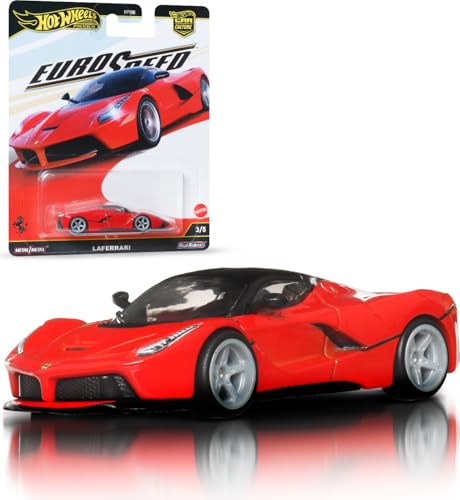


Hot Wheels Car Culture is Mattel’s premium 1:64 collector line, typically centered on specific automotive themes. It uses Real Riders rubber tires, detailed liveries, and metal body and chassis construction. The line rotates through scenes such as JDM, Euro, exotics, and race day, so each mix has its own demand profile.
The premium part matters because you are paying for more than paint. You are also paying for the build, the box art, the themed series name, and how desirable that specific casting is to Indian collectors. Some releases are easy to buy at fair price. Others pull imported-stock premiums fast.
What the premium cues actually
- Real Riders: rubber tires with a more collector-focused look than standard wheels.
- Metal/metal construction: a metal body and metal chassis, which signals a higher-end execution.
- Themed mixes: releases built around a specific scene rather than a random assortment.
- Premium packaging: card design and box art that add display value and resale appeal.
That combination is why Car Culture sits above routine Hot Wheels stock. It is also why buyers should judge the exact release, not the line name alone.
In India, the fair-buy zone depends on whether the listing is fresh imported stock, a marked-up reseller listing, or a harder-to-find sold-out release. Indian Diecast Hub places typical Car Culture pricing at Rs 1,549-2,900, but that range mixes ordinary stock with markup-heavy listings. The better buying range for regular releases is usually lower.
For many common imported listings, a fair price is often around ₹799-₹1,499. Once a seller pushes above about ₹1,800, the price usually needs a clear reason: older stock, stronger demand, a scarce casting, or a special release with reported collector pull. If none of those are present, the extra money is usually reseller margin.
Suppose a regular JDM Car Culture listing is ₹1,299 with clean card art and an Indian-dispatched import note. That can be reasonable. Suppose the same casting is listed at ₹2,499 with no scarcity note, no mint-card description, and no clear source detail. That price needs strong proof to be justified.
Price bands that matter
| Series or casting type | Typical fair-buy range | Premium threshold | Red-flag overpriced range | Value cues that justify each band |
|---|---|---|---|---|
| Regular current-release Car Culture | ₹799-₹1,299 | ₹1,300-₹1,800 | Above ₹1,800 | Fair if imported stock is clean, with Real Riders, metal body and chassis, and intact premium packaging. |
| JDM-themed releases | ₹999-₹1,499 | ₹1,500-₹2,100 | Above ₹2,100 | Higher demand is easier to justify when the casting is a fan favorite, the card is mint, and supply is limited. |
| Euro-themed releases | ₹899-₹1,399 | ₹1,400-₹2,000 | Above ₹2,000 | Premium is more defensible for iconic coupes, race liveries, or a strong box-art presentation. |
| Exotics-themed releases | ₹999-₹1,599 | ₹1,600-₹2,200 | Above ₹2,200 | Scarcity, licensing appeal, and display value can justify more, especially for a standout casting. |
| Race-day and motorsport mixes | ₹899-₹1,499 | ₹1,500-₹2,200 | Above ₹2,200 | Good value when the livery is strong and the card is undamaged; less so if the release is still easy to source. |
| Older sold-out or hard-to-find castings | ₹1,299-₹1,999 | ₹2,000-₹2,900 | Above ₹2,900 | Only justified by verified scarcity, collector demand, and condition close to mint. |
These bands are decision bands, not fixed market law. The same casting can move from fair buy to overpriced in a week if a seller adds margin or if fresh stock lands in India.
Why Car Culture prices vary so much between sellers
Price swings usually come from import source, stock age, seller margin, and condition. A seller with fresh imported stock and lower overhead can price below a marketplace reseller who is covering fees, shipping, and storage. Older stock, especially sold-out releases, tends to move upward faster.
Packaging condition matters more than casual buyers expect. A clean card with sharp corners and no creases can command a higher price than the same car in a bent or scuffed card. For collectors, the box art is part of the product, especially when the release is bought for display.
What changes the sticker price
- Import channel: direct imported stock often prices differently from local reseller stock.
- Stock age: older, sold-out runs usually attract a higher asking price.
- Marketplace fees: platforms can push sellers to add margin.
- Card condition: mint cards sell better than bent or edge-worn cards.
- Demand by theme: JDM, Euro, exotics, and race-day releases often move faster.
A common first-timer mistake is comparing only the car, not the listing. Two identical castings can differ by hundreds of rupees if one is sealed in cleaner packaging and the seller clearly states imported stock.
Which themes usually cost more?
JDM releases often carry the strongest demand in India, because the scene has a large collector base and the castings tend to have broad appeal. Euro releases can sit close behind when the car, livery, and packaging are especially good. Exotics and race-day mixes can also price high, but only when the specific casting has real pull.
Themed series matter because Car Culture is built around scenes, not random models. Indian Diecast Hub notes that each series targets a specific automotive scene, and that is exactly why one mix can sell fast while another stays near fair-buy pricing. Demand is driven by the exact scene, not the label alone.
When theme raises the price
Pay more when the theme matches a strong collector lane and the casting is one people actively hunt. A limited JDM casting with clean art and premium packaging can justify a higher price than a generic release with the same base construction. The theme must be backed by demand, not just branding.
Picture a buyer choosing between two listings. One is a common Euro Car Culture at ₹1,049 with a clean card. The other is a wanted JDM release at ₹1,699 with the same condition. The second listing can be the better buy if it is hard to replace and the collector scene is strong.
Is Car Culture worth the premium?
Yes, but only when the premium lines up with collector value. Real Riders, metal body and chassis construction, and stronger box art can justify more than mainline pricing. If a release is common and easy to restock, though, paying a large markup often makes little sense.
The best premium buys are the ones that combine build quality with scarcity or demand. A fresh current-release Car Culture at a fair price is worth buying. A heavily marked-up common release is usually better left on the shelf or waited out.
When to pay more
- Pay more for a scarce casting with clear collector demand.
- Pay more when the card is mint and the packaging matters for display.
- Pay more for a release that is sold out locally and hard to replace.
- Pay more when the premium is modest, not when it doubles the fair-buy range.
When to wait is just as important. If the listing is a current release, the seller gives no scarcity detail, and the price sits deep in the reseller band, waiting for restock or a better deal is usually the smarter move.
How to tell if a Car Culture car is authentic
Authenticity checks should combine price, packaging, and source wording. A listing that says official Mattel product, imported and dispatched in India, and Hot Wheels Car Culture under the correct brand is more believable than a vague listing with a suspiciously low price. Photos help, but they are not enough on their own.
Use price as a fraud screen. If a premium Car Culture release is listed far below normal fair-buy pricing, ask why. Counterfeit listings often lean on a low sticker price, blurry photos, or generic wording. Real listings usually mention the series name, the branded packaging, and the import status clearly.
Practical authenticity checks
- Look for Mattel and Hot Wheels in the product details.
- Check that the listing names the Car Culture series or release, not just “diecast car.”
- Look for wording such as 100% authentic Mattel and imported and dispatched in India.
- Confirm the premium cues: Real Riders, metal body, and metal chassis.
- Inspect card condition, print clarity, and whether the packaging matches the named series.
Suspiciously cheap listings are a red flag. If the price undercuts the fair-buy range by a wide margin, the seller should be able to explain why. No clear source, no clear series name, and no clear packaging detail is a poor combination.
Where to buy in India
Buy from sellers who clearly identify the product as official Mattel Hot Wheels stock and who describe the release by series name. Imported-stock sellers, collector stores, and large marketplaces can all be useful, but the listing details matter more than the platform. The right wording should tell you what line it is, what series it belongs to, and whether it is imported stock.
Compare listings carefully before paying. The same Car Culture release can appear at very different prices depending on seller margin and card condition. If a listing is clearly authentic but priced near the top of the market, wait unless the casting is scarce enough to justify it.
What to look for in a listing
- Exact series name and casting name.
- Brand reference to Mattel and Hot Wheels.
- Imported stock or Indian-dispatched wording.
- Clear card photos showing corners and print quality.
- Return policy or seller clarity on sealed condition.
Where possible, compare at least two listings for the same release. That makes reseller markup easier to spot. It also shows whether a premium is tied to scarcity or just seller optimism.
Frequently asked questions
What is hot Wheels Car Culture?
Hot Wheels Car Culture is Mattel’s premium themed 1:64 sub-line for collectors. It uses Real Riders rubber tires, metal body and chassis construction, detailed liveries, and premium packaging. Themed mixes such as JDM, Euro, exotics, and race day are released throughout the year.
How much is Hot Wheels Car Culture price in India?
A fair Hot Wheels Car Culture price in India is usually ₹799-₹1,499 for regular imported stock. The same source lists typical pricing at Rs 1,549-2,900, but that range includes higher reseller asks. Pay above ₹1,800 only when scarcity, demand, or condition clearly supports it.
Why do Car Culture prices vary so much between sellers?
Prices vary because of import source, stock age, seller fees, and condition. A clean imported card often costs more than a worn one, and sold-out releases can climb quickly. Marketplace sellers also add margin to cover fees and shipping, which widens the spread between listings.
Is Hot Wheels Car Culture premium quality?
Yes. Car Culture is part of the premium range, and that is visible in Real Riders tires, metal body and chassis construction, and more detailed liveries than mainline Hot Wheels. The packaging is also designed for display, which matters if you plan to keep the car sealed.
How can I tell if a Car Culture car is authentic?
Check for Mattel and Hot Wheels branding, named series details, and wording such as 100% authentic Mattel or imported and dispatched in India. Then compare the price against normal fair-buy bands. A listing that is far too cheap, vague, or missing packaging detail deserves caution.
Which Hot Wheels Car Culture series are worth paying more for?
JDM releases often bring the strongest premiums in India, followed by select Euro, exotics, and race-day mixes. Pay more only when the casting is genuinely in demand, the card is clean, and the listing is still below the range where reseller markup gets unreasonable. Scarcity should drive the premium.
Where can I buy Hot Wheels car culture in india?
Look for collectors’ stores, imported-stock sellers, and marketplace listings that clearly name the Mattel Hot Wheels release. The safest listings state the exact series, mention import status, and show clear packaging photos. Compare several sellers before buying so you can separate fair pricing from markup.
What is hot wheels car culture: it is Mattel’s premium themed?
It is Mattel’s premium themed Hot Wheels 1:64 line for collectors. The cars use Real Riders, metal body and chassis construction, and premium packaging tied to specific automotive scenes. The line is aimed at display buyers, so condition, series demand, and source wording all affect price.
Products related to this article
Sponsored / affiliate links. As an Amazon Associate I earn from qualifying purchases. I may earn additional commission from eligible campaigns.