Why Won’t My Car Tire Come Off? Easy Fixes
Why won’t my car tire come off? This frustrating problem can happen to anyone, leaving you stranded and bewildered. Fortunately, most seized tire issues stem from common causes and can be resolved with a few simple techniques — see our related guides, Can a Tire Blowout Damage Your Car? Check Your Alignment After and How to Lift a Car Safely: Jack and Jack Stand Guide.
This post will break down the most frequent culprits behind a stubborn tire and provide you with practical, step-by-step solutions to get your wheel off safely. We’ll cover everything from corrosion to improper installation, ensuring you can tackle this common automotive headache with confidence.
Simply put, a car tire won’t come off primarily due to rust and corrosion binding the wheel to the hub, or sometimes due to overtightening or improper seating. Solutions involve breaking the rust seal with penetrating oil, mechanical force like kicking or hitting with a rubber mallet, or leveraging a tire iron. Always prioritize safety and avoid damaging your wheel or vehicle.
Key Takeaways
- The most common reason why won’t my car tire come off is rust and corrosion on the hub assembly.
- Applying penetrating oil and allowing it time to work is a crucial first step.
- Gentle, strategic force is often more effective than brute strength.
- Using a tire iron as a lever or a rubber mallet can help break the seal.
- Regular maintenance, like cleaning and applying anti-seize, prevents future issues.
What is a Stuck Tire and Why It Happens
A “stuck tire” refers to a wheel that refuses to budge from the vehicle’s hub, even after the lug nuts or bolts have been removed. This isn’t a sign of a major mechanical failure, but rather a symptom of the wheel becoming rigidly attached to the hub assembly. It’s a common, albeit annoying, problem that car owners encounter at some point.
The primary villain behind a stuck tire is typically rust and corrosion. Over time, moisture, road salt (especially in colder climates), and general wear and tear can cause the metal of the wheel hub and the mating surface of the wheel to oxidize. This rust acts like a powerful, invisible glue, fusing the two components together.
The longer a wheel remains on the hub, especially after exposure to harsh conditions, the more severe this corrosion can become.
Other factors can contribute to a tire getting stuck. Sometimes, overtightening the lug nuts or bolts can deform the wheel seat or hub, creating a tight bind. If the wheel wasn’t properly seated on the hub during installation, or if debris was present, it can also lead to a difficult removal.
While less common, damaged studs or a warped rotor can also play a role, though rust is by far the most prevalent cause.
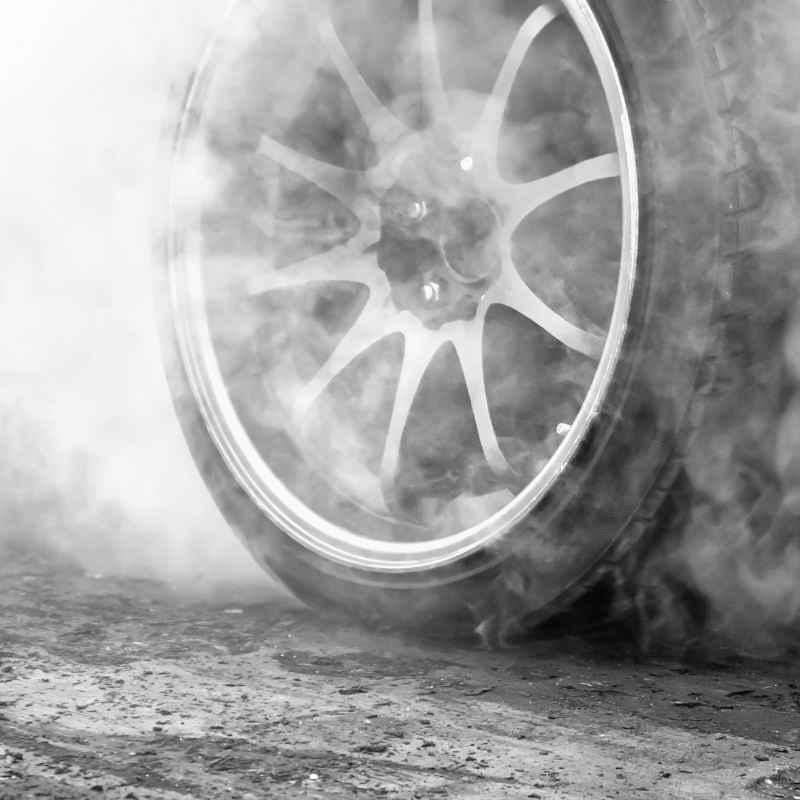
How Rust and Corrosion Cause Tires to Stick
Rust, or iron oxide, forms when iron or steel is exposed to oxygen and moisture. In a car’s wheel assembly, the hub (usually made of steel) and the wheel (often aluminum or steel) have direct metal-to-metal contact. This interface is particularly vulnerable to the elements.
Road salt, used to de-ice roads in winter, is highly corrosive. When it mixes with water and gets into the crevices between the wheel and hub, it dramatically accelerates the rusting process. This newly formed rust can then expand and create a very strong bond.
Think of it like concrete forming between two pieces of metal, making it incredibly difficult to separate them.
The pressure from the lug nuts or bolts also plays a role. When tightened, they press the wheel firmly against the hub. If there’s any moisture trapped in this compressed area, or if the surfaces weren’t perfectly clean during installation, the corrosion process is kickstarted and intensified.
Over years of exposure to varying temperatures and weather, this bond can become formidable.
Consequences of Ignoring a Stuck Tire
While it might seem like a minor inconvenience, ignoring a stuck tire can lead to bigger problems down the line. Trying to force it without the right approach can damage the wheel, the studs, or even the hub assembly itself. Replacing these parts is significantly more expensive than addressing the issue proactively.
Furthermore, if you have a flat tire and can’t remove it, you’re stuck. You won’t be able to change to your spare, leaving you immobile. This can lead to costly towing services and delays, especially if it happens at an inconvenient time or location.
It’s always best to have the tools and knowledge to handle a stuck wheel.
Top Solutions for Removing a Stuck Tire
When faced with a tire that won’t budge, it’s important to approach the situation systematically. Brute force is rarely the answer and can cause damage. Instead, focus on techniques that break the bond caused by rust and corrosion.
The first step should always be to ensure all lug nuts or bolts are completely removed. Double-check that none are still engaged, as this is an easy oversight. Once confirmed, you can begin the process of loosening the wheel.
Patience is key here; rushing can lead to frustration and potential damage to your vehicle.
Before resorting to more aggressive methods, take a moment to assess the situation. Is the wheel visibly rusted? Are there any obvious obstructions?
Understanding the likely cause will help you choose the most effective solution. Remember to work safely, ideally with the vehicle securely supported if you’re lifting it.
1. The Penetrating Oil Method
This is often the most effective and least damaging first approach. Penetrating oil, such as WD-40 or a specialized rust penetrant, is designed to seep into small gaps and break down rust. It works by dissolving the corrosion and lubricating the mating surfaces.
Thoroughly spray the oil around the edge where the wheel meets the hub. You want to get it into every possible crevice. Don’t be stingy with the spray.
After applying, let it sit for at least 15-30 minutes. For severely stuck wheels, you might need to leave it overnight. Tapping lightly on the wheel with a rubber mallet while the oil soaks can help it penetrate deeper.
Once the oil has had time to work, try to gently rock the wheel back and forth. You can also try to pry it off using a tire iron, but be careful not to damage the wheel’s rim or the brake rotor behind it. If it still doesn’t move, apply more oil and repeat the waiting and rocking process.
- Apply generously to the seam between the wheel and the hub.
- Allow adequate soak time (minimum 30 minutes, ideally longer).
- Tap lightly with a rubber mallet to help penetration.
- Rock the wheel gently to work the oil in.
- Reapply and repeat if necessary.
2. The Rubber Mallet Technique
If penetrating oil alone isn’t enough, a rubber mallet can provide the necessary persuasion. The rubber ensures you won’t damage the wheel’s finish, and the impact helps to shock the rust bond loose. This method requires controlled force, not brute strength.
With the lug nuts removed and the car safely supported, stand at one side of the tire and give the sidewall a few firm, deliberate hits with the rubber mallet. Work your way around the tire, hitting different sections of the sidewall and the edge of the wheel. The goal is to create vibrations that break the rust seal.
Avoid hitting the face of the wheel directly, especially if it’s a delicate alloy wheel, as this can cause cosmetic damage. Focus your strikes on the more robust parts of the tire or the wheel’s edge. You might hear a slight “pop” or “crack” as the rust bond breaks.
After a few minutes of consistent tapping, try to wiggle the wheel off by hand or with a tire iron.
Warning: Never use a metal hammer directly on the wheel. This can cause dents, scratches, and even cracks, leading to costly repairs or replacement of the wheel. Always use a rubber mallet or a block of wood between the hammer and the wheel.
3. Using a Tire Iron as a Lever
A tire iron can be used not just for prying, but also as a tool to apply leverage and break the rust seal. This method requires careful application to avoid bending the tire iron or damaging the wheel.
Insert the tip of the tire iron between the wheel and the hub assembly. Aim to get it as deep as possible to maximize leverage. You’ll want to position yourself so you can push or pull the tire iron to create a slight gap.
Be patient and apply steady pressure. Don’t try to force it too aggressively in one go.
It’s often helpful to work around the wheel, applying leverage at different points. This can help loosen the rust bond more evenly. If you have a second person, one can gently rock the wheel while the other applies leverage with the tire iron.
This two-pronged approach can be very effective.
4. The Kick Method (Use With Caution)
This method relies on controlled force and is best used as a last resort before more drastic measures. It’s a common trick among mechanics, but it requires balance and care.
Position yourself so you can use the ball of your foot to kick the sidewall of the tire. Aim your kicks near the edge of the wheel, where it meets the hub. You want to deliver firm, sharp kicks, not wild swings.
The idea is to shock the wheel and break the rust bond.
Ensure you have good footing and are not leaning against anything unstable. You want to kick the tire, not the vehicle itself. Work your way around the tire, delivering a few kicks to each section.
After kicking, try to pull the wheel off. If it moves slightly, continue the process, and you may be able to remove it by hand.
Tip: If the wheel starts to loosen but still sticks on one side, focus your efforts on that area with the mallet or tire iron. Sometimes, only a small section remains bonded.
Preventative Measures: Stopping Tires From Sticking
The best way to deal with a stuck tire is to prevent it from happening in the first place. Regular maintenance can save you a lot of hassle and potential damage in the future.
When you have new tires installed or when you rotate your tires, ask the mechanic to apply a thin layer of anti-seize compound to the hub assembly. This special lubricant prevents rust and corrosion from forming, ensuring a smoother removal next time. It’s a small step that makes a big difference.
Additionally, ensure that the wheel seating surfaces are clean before mounting a wheel. Any dirt, debris, or old rust particles can accelerate corrosion. A quick wipe-down with a clean rag is often all that’s needed.
Regularly inspecting your wheels and hubs for any signs of excessive rust can also alert you to potential problems before they become critical.
What About Wheel Lug Nut Torque?
Proper torque for lug nuts is crucial. Overtightening can damage the studs and the wheel, creating a tighter seal and making future removal more difficult. Undertightening can lead to the wheel becoming loose, which is a serious safety hazard.
Always use a torque wrench to tighten lug nuts to the manufacturer’s specifications. These specifications are usually found in your vehicle’s owner’s manual. Consistent and correct torque ensures the wheel is seated properly without being over-stressed.
| Method | Description | Pros | Cons |
|---|---|---|---|
| Penetrating Oil | Spray oil to dissolve rust and lubricate. | Least damaging, effective on moderate rust. | Requires patience and multiple applications for severe rust. |
| Rubber Mallet | Use impact to shock the rust bond loose. | Effective for breaking stubborn bonds, safe for wheels. | Requires controlled force; less effective without prior oiling. |
| Tire Iron Lever | Apply steady leverage to pry the wheel off. | Good for tight spots, direct force application. | Risk of damaging wheel or tire iron if used improperly. |
| Controlled Kicking | Deliver firm kicks to the tire sidewall. | Can be surprisingly effective for breaking bonds. | Requires balance and caution to avoid personal injury or vehicle damage. |
This table summarizes the common methods for removing a stuck tire, highlighting their strengths and weaknesses to help you choose the best approach.
When to Call a Professional
While many stuck tire situations can be resolved with DIY methods, there are times when it’s best to seek professional help. If you’ve tried multiple techniques and the wheel still won’t budge, you might be dealing with a more severe issue.
This could include severely damaged studs, a warped hub, or extreme corrosion that has physically deformed the wheel or hub. In such cases, a professional mechanic has specialized tools and expertise to handle the situation without causing further damage. They can also diagnose underlying issues that might have contributed to the problem.
Trying to force a severely stuck wheel with improper tools or excessive force can lead to costly repairs. It’s often more economical in the long run to pay a mechanic a bit for their time and expertise than to risk damaging expensive vehicle components.
Frequently Asked Questions
What is the fastest way to get a stuck tire off?
The fastest method often involves a combination of penetrating oil and controlled impact from a rubber mallet. Apply the oil generously, let it soak for at least 30 minutes, then use the mallet to strike the tire’s sidewall firmly in several places, working your way around the wheel.
Can I use a regular hammer on a stuck tire?
No, you should never use a metal hammer directly on a car tire or wheel. This can easily cause irreparable damage, including dents, scratches, and cracks, which will be expensive to fix. Always use a rubber mallet or a piece of wood to cushion the impact.
How much force is too much when trying to remove a stuck tire?
Excessive force can bend or break wheel studs, damage the wheel itself, or even warp the brake rotor. If the wheel isn’t moving with steady pressure from a tire iron or firm kicks, stop and re-evaluate. Listen for any cracking sounds or feel for deformation, which indicates you’re applying too much force in the wrong way.
Should I try driving the car a little to loosen a stuck tire?
Driving a short distance, especially on a loose gravel surface, can sometimes help break a rust bond. However, this is risky. If the wheel is severely stuck, it could damage the wheel studs or the hub.
It’s generally safer to use mechanical methods first. If you attempt this, drive very slowly and only for a few feet.
What if the lug nuts are also stuck?
If the lug nuts themselves are seized and won’t turn, you’ll need to address that first. Apply penetrating oil to the threads. If they still won’t budge, you might need a breaker bar for more leverage, or in severe cases, they may need to be cut off by a professional.
Never force stuck lug nuts to the point of breaking them off.
Final Thoughts
Understanding why won’t my car tire come off boils down to rust, corrosion, and improper installation. By using penetrating oil, gentle force with a rubber mallet, or strategic leverage with a tire iron, you can overcome this common automotive issue. Remember that prevention is key, so apply anti-seize during tire changes and always use a torque wrench for proper lug nut tightening.
Products related to this article
Sponsored / affiliate links. As an Amazon Associate I earn from qualifying purchases. I may earn additional commission from eligible campaigns.