How to Live Without a Car in the Suburbs: Ultimate Freedom Guide
Imagine saving hundreds of dollars every month, enjoying more free time, and reducing your stress—all without owning a car in the suburbs. You might think it’s impossible, but living car-free can actually be easier than you expect.
If you’re tired of high fuel costs, endless traffic, or just want to try a simpler lifestyle, this guide is for you. Keep reading to discover practical tips and smart strategies that will help you move around confidently, stay connected, and make the most of suburban life without relying on a car.
Your new, freeing way of living starts here.
Challenges Of Suburban Car-free Living
Living without a car in the suburbs is not easy. Suburban areas are often built for drivers. Streets are wide, and homes spread far apart. Public transport options can be limited. This makes daily life more challenging for those without a car.
Many people face issues with travel time and convenience. Shopping, work, and social visits can take longer. Planning every trip becomes necessary. Understanding the challenges helps prepare for a car-free suburban life.
Common Barriers
Suburbs often lack frequent public transit services. Bus stops may be far from homes. Trains or subways are rare in many suburban areas. Walking or biking can be difficult due to long distances. Weather can make walking or biking unpleasant or unsafe. Carrying groceries or heavy items is harder without a car. Limited options for quick trips add to the struggle.
Social And Practical Impacts
Social life may change without a car. Visiting friends or attending events can require more effort. People might feel isolated or left out. Time management becomes more critical to coordinate rides or public transport. Job opportunities can be fewer due to commute limits. Errands take longer and need careful planning. These impacts shape daily routines and lifestyle choices.
Alternative Transportation Options
Living in the suburbs without a car is possible. Many people find ways to travel without owning a vehicle. Alternative transportation options help save money and reduce stress. These options also support a healthier lifestyle and protect the environment. Understanding different choices helps you plan your daily trips with ease.
Public Transit Systems
Public transit includes buses, trains, and trams. Many suburbs have bus routes that connect to nearby cities. Some places offer park-and-ride options to reach transit stations. Using public transit cuts down on driving and parking costs. It also lets you relax or read during your commute.
Cycling And Walking
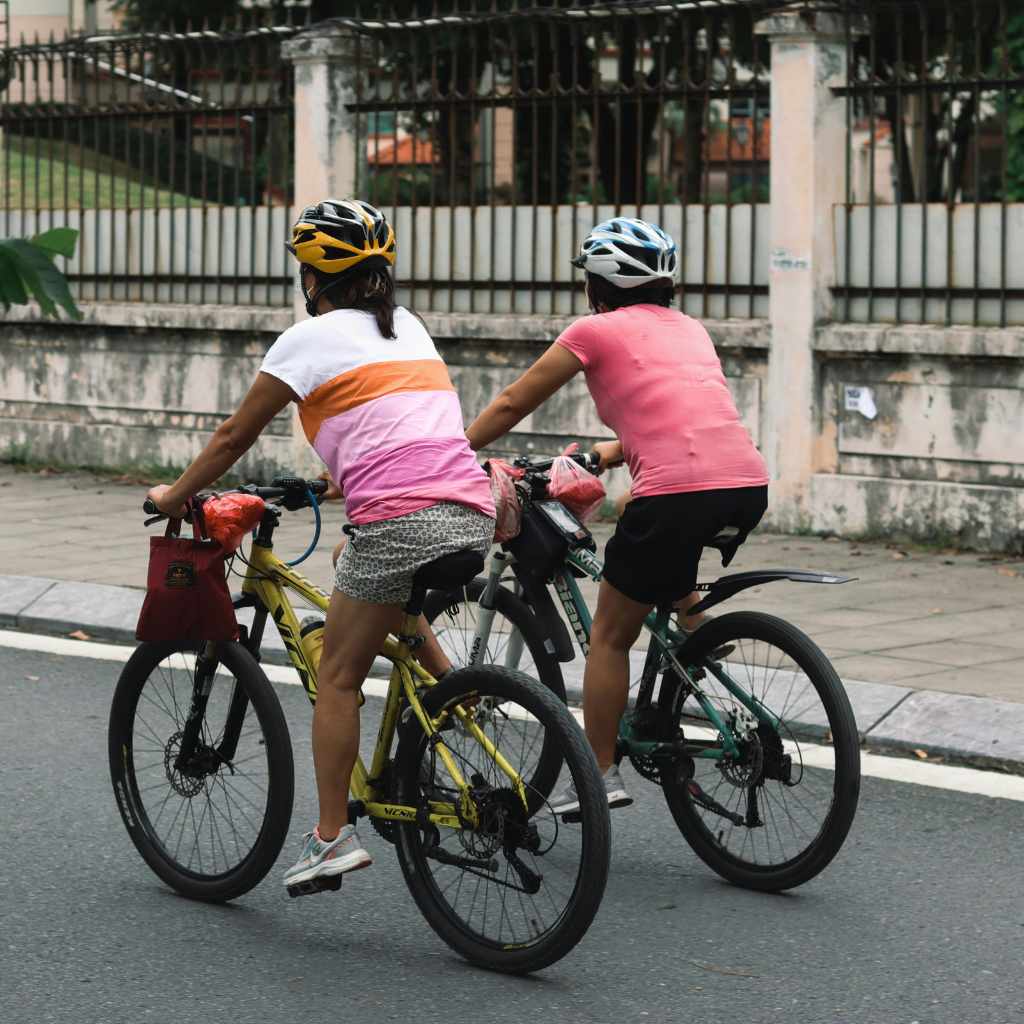
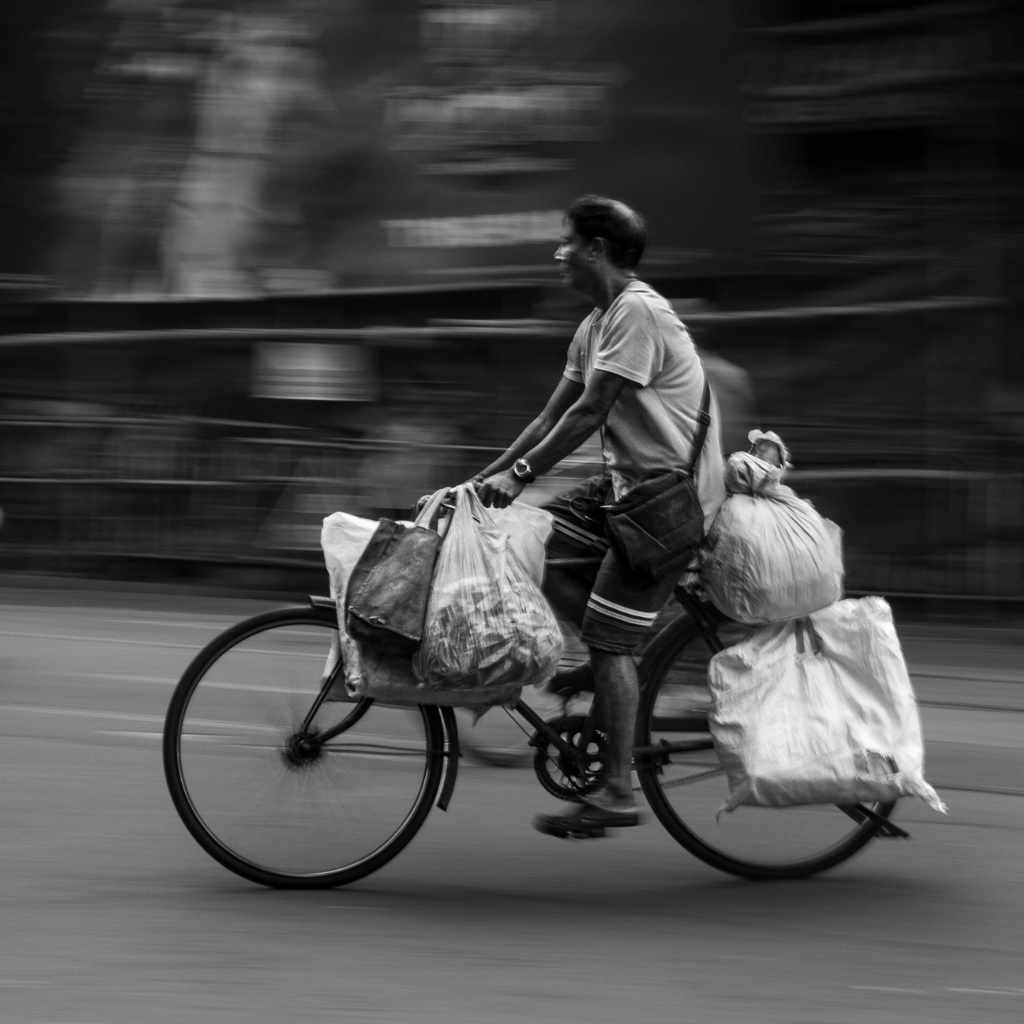
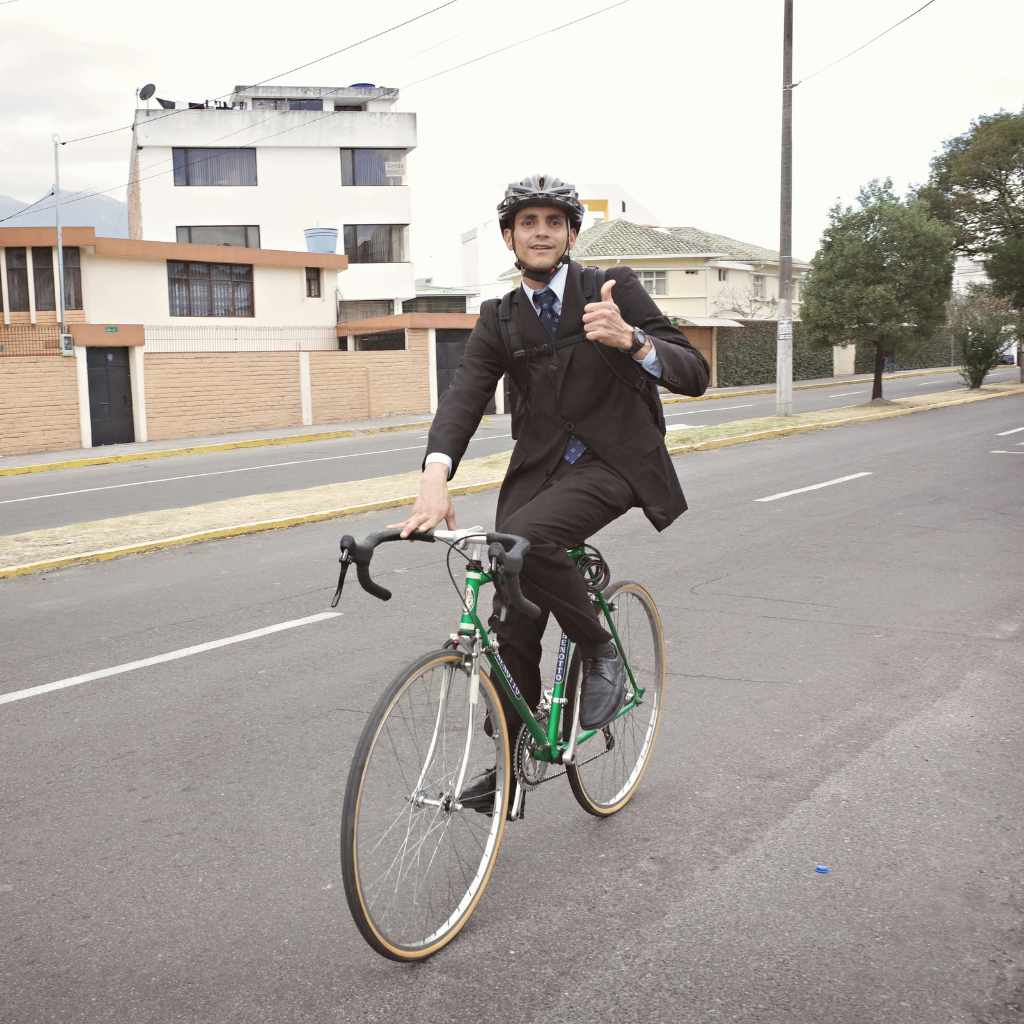
Cycling is a fast, healthy way to get around. Many suburbs have bike lanes and trails for safety. Walking works well for short trips to shops or schools. Both choices reduce pollution and increase daily exercise. Carry a backpack or basket to hold your things.
Carpooling And Ride-sharing
Carpooling means sharing rides with neighbors or coworkers. It lowers fuel costs and traffic congestion. Ride-sharing apps connect you with drivers nearby. These options offer flexibility and save money on trips. Plan rides ahead to make sharing easier and smoother.
Planning Your Daily Commute
Planning your daily commute without a car in the suburbs takes smart choices. It means figuring out how to get around with public transport, biking, or walking. Careful planning helps save time and avoid stress. It also makes your trips smoother and more predictable.
Mapping Efficient Routes
Start by finding the best routes to your work or school. Use apps or online maps to check public transit paths and schedules. Look for routes with fewer transfers and shorter walking distances. Identify bike lanes or safe walking paths near your home. Keep backup routes in mind for bad weather or delays.
Timing And Scheduling Tips
Know the exact time buses or trains arrive and depart. Aim to leave a few minutes earlier to avoid rushing. Avoid peak hours to skip crowded buses or trains. Use a watch or phone alarm to stay on track. Plan your return trip with the same care for a smooth end to your day.
Grocery And Errand Solutions
Living in the suburbs without a car means finding smart ways to handle groceries and errands. It takes planning and using local resources well. This section explores easy solutions for shopping and running errands without driving.
You can save time and effort by knowing your options for buying food and essentials. Use services and strategies that fit your lifestyle and budget.
Local Stores And Delivery Services
Many suburbs have small grocery stores within walking or biking distance. These shops cover daily needs like fruits, bread, and milk. Shopping locally helps you avoid long trips and heavy bags.
Delivery services are another option. Some stores deliver groceries directly to your door. Apps and websites make ordering simple and fast. You can schedule deliveries at convenient times. This option saves energy and time for other activities.
Bulk Shopping Strategies
Buying in bulk cuts down on frequent trips. Plan to shop at big stores or warehouses once a month. Choose items that store well, like rice, pasta, and canned goods.
Share bulk purchases with neighbors or friends to save money and space. Use a sturdy cart or backpack to carry heavy items easily. This method lowers the need to travel often and helps keep your kitchen stocked.
Building A Support Network
Living without a car in the suburbs can feel challenging. Building a strong support network makes this easier. Support comes from people and local resources around you. It helps you move around and manage daily tasks without driving.
Community Resources
Many suburbs have community centers and libraries. These places offer shuttle services or carpool boards. Local bus routes may connect key areas like shopping or schools. Check bulletin boards for ride-share options. Community apps also help connect neighbors for rides or errands. Public services can reduce your need for a personal car.
Neighbor Collaboration
Talk to neighbors and share your needs. Organize ride swaps for work, school, or shopping trips. Join local online groups to find ride partners. Help each other during bad weather or emergencies. Sharing resources saves money and builds friendships. Working together creates a safer, more connected neighborhood.
Embracing Minimalism And Mobility
Living without a car in the suburbs means changing habits and thinking differently. Embracing minimalism and mobility helps cut costs and stress. It also makes daily life simpler and healthier.
Minimalism means owning less and focusing on what truly matters. Mobility means finding new ways to move around without relying on a car. Together, these ideas create freedom and flexibility in suburban life.
Reducing Dependence On Cars
Start by limiting trips that need a car. Combine errands into one trip to save time and energy. Use public transit or bike for short distances. Walking is a great option for nearby places. Carpool with neighbors or friends when possible. These small steps reduce reliance on a personal vehicle.
Adapting Lifestyle Choices
Choose a home near shops, schools, and parks. This makes walking or biking easier. Plan meals around local markets to avoid long drives. Use online shopping for heavy or bulk items. Join community groups to share rides or tools. Adapt daily routines to fit a car-free lifestyle. This keeps life simple and more connected to your neighborhood.
Safety And Comfort Tips
Living without a car in the suburbs can feel tricky at first. Safety and comfort are key to making this lifestyle work well. Simple tips help you stay secure and relaxed while using other transport methods. This section covers important advice for safe travel at night and handling different weather conditions.
Traveling At Night
Night travel needs extra care. Choose well-lit streets and busy routes. Avoid quiet or isolated areas to stay safe. Carry a phone and keep it charged for emergencies. Let someone know your travel plans and expected arrival time. Trust your instincts and leave any place that feels unsafe. Using public transport with other passengers is safer than walking alone.
Weather Considerations
Weather changes affect comfort and safety. Dress in layers to stay warm or cool. Use waterproof clothing during rain to avoid getting wet. Plan extra travel time during snow or ice conditions. Wear shoes with good grip to prevent slips. Keep an eye on weather forecasts and adjust your route if needed. Carry a small bag with essentials like water and snacks for longer trips.
Technology Tools For Car-free Living
Living without a car in the suburbs is easier today because of technology. Several tools help people plan trips and get around quickly. These apps make life simpler and reduce stress. They help users find the best routes and check transportation times. Using these tools saves time and energy.
Navigation Apps
Navigation apps show the best paths to your destination. They offer walking, biking, and public transit directions. These apps update routes based on traffic or delays. Some popular options include Google Maps and Waze. They also provide estimated travel times and alternate routes. Navigation apps help avoid getting lost and save time outdoors.
Transportation Scheduling Apps
Transportation scheduling apps help plan trips using public transit. Users can check bus and train schedules in real time. These apps also show delays or cancellations. Some apps allow booking rides with carpool or bike-share services. Transit apps help people avoid waiting at stops. They ensure smooth and timely travel without a car.
Frequently Asked Questions
How Can I Commute Without A Car In The Suburbs?
Use public transit, biking, walking, or carpooling. Plan routes ahead. Local bus or train services often connect suburban areas efficiently.
What Are The Best Alternatives To Car Ownership?
Bicycles, electric scooters, ride-sharing apps, and community shuttles are great options. Combining methods can cover different needs and distances.
How Do I Grocery Shop Without A Car In Suburbs?
Use grocery delivery services or shop at local stores within walking distance. Carry reusable bags and plan shopping trips efficiently.
Is Living Without A Car Cost-effective In Suburbs?
Yes, it saves money on fuel, maintenance, insurance, and parking. Budgeting for public transit and occasional rideshares is usually cheaper overall.
Conclusion
Living without a car in the suburbs is possible. Planning your trips saves time and energy. Use bikes, public transit, or walk when you can. Sharing rides with neighbors also helps. It’s good for your health and the environment. You can enjoy the outdoors more often.
Small changes make a big difference every day. Start with one step and build from there. Life can feel freer without a car. Try it, and see how your routine changes.