How to Remove Wax Residue From a Car (Haze, Trim & Full Strip)
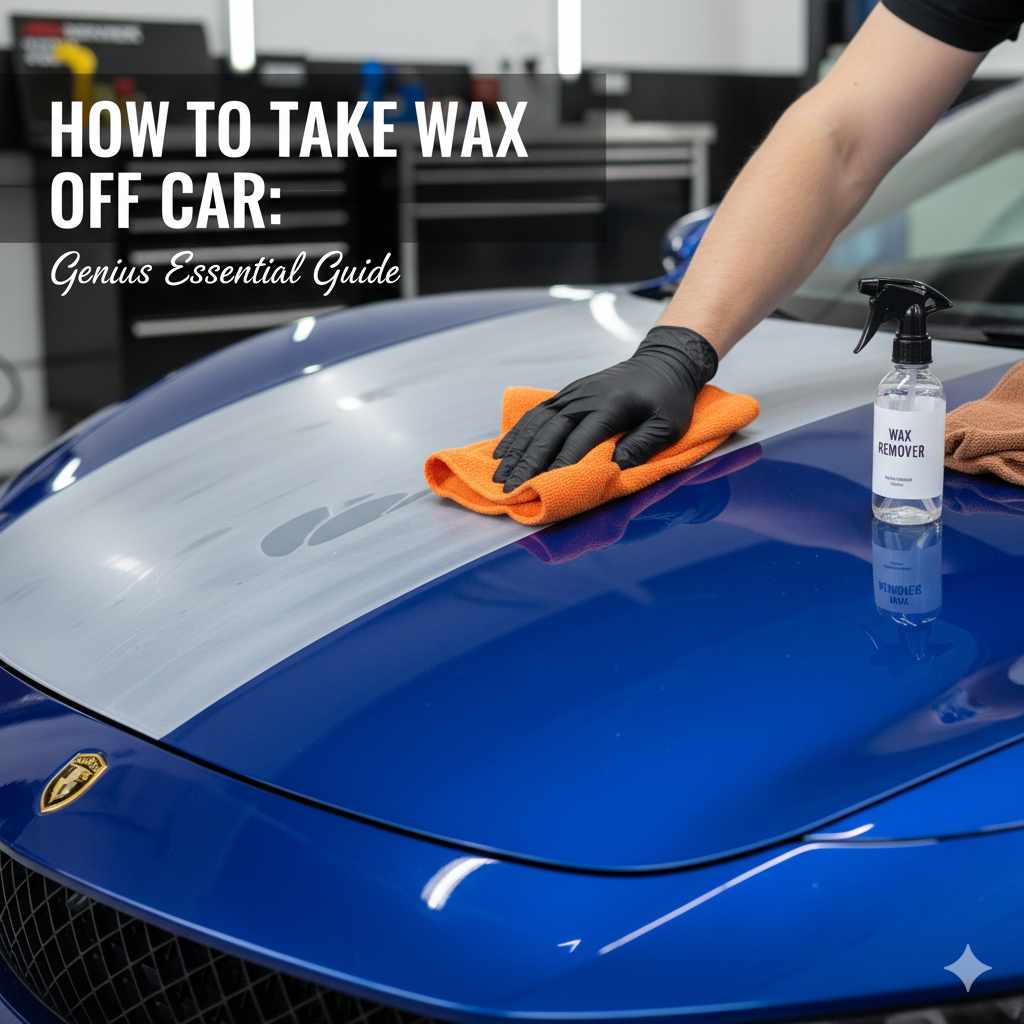
Fresh wax haze wipes off paint in minutes with a clean microfiber towel or a 10-15% isopropyl alcohol solution — but trim, rubber, and glass each need a gentler touch. Skip the wrong method and you risk scratching clear coat or drying out rubber seals. This guide covers haze removal by surface, the isopropyl alcohol dilution ratio pros use, and when a dedicated wax and grease remover is the right call.
How to Remove Wax Residue From a Car (Haze, Trim & Full Strip)
Quick Answer
Fresh wax haze usually wipes off paint with a clean, dry microfiber towel; stubborn haze needs a damp towel with warm water or a 10-15% isopropyl alcohol mix. That’s different from fully stripping old wax before a new coat or ceramic coating — that job calls for a dedicated wax and grease remover, not just a wipe-down.
Why Does Wax Leave Residue?
Before we dive into the removal process, let’s understand why this happens. It’s usually a combination of factors:
- Too Much Wax: Applying more wax than the surface can hold is the most common culprit. Excess product doesn’t bond to the paint and instead sits on top, waiting to become a nuisance.
- Wax Types: Carnauba waxes, especially cheaper formulas, can sometimes be harder to buff off completely and are more prone to leaving a white residue.
- Buffing Technique: Not buffing thoroughly enough or using a towel that’s too abrasive can smear the wax rather than remove the excess cleanly.
- Surface Temperature: Applying wax in direct sunlight or on a hot surface can cause it to dry too quickly, making it difficult to remove.
- Trim and Plastic: These materials are porous and textured. Wax easily gets trapped in the microscopic pores and crevices, making it resistant to simple buffing.
Essential Tools You’ll Need
You probably have most of these items around your home already! Gathering your supplies beforehand makes the whole process smoother.
- Microfiber Towels: Crucial for buffing and cleaning. Have plenty of clean ones handy. Look for a plush, high-pile towel (roughly 300-400+ GSM) for buffing paint without scratching — a slightly less plush, lower-pile towel is fine for wiping cleaner off trim.
- All-Purpose Cleaner (APC) or Dedicated Trim Cleaner: For tougher residue. Look for pH-neutral cleaners to be safe on most surfaces.
- Isopropyl Alcohol (70% rubbing alcohol) and Distilled Water: For a diluted IPA wipe-down on fresh haze or before a new coating (see the dilution ratio below).
- Detailing Swabs or Soft Bristle Brushes: For getting into tight nooks and crannies.
- Warm Water: Sometimes, a little warmth is all you need.
- Gloves (Optional): If you’re using stronger cleaners.
- Buckets: For rinsing towels or diluting cleaners if needed.
The Easiest Ways To Take Wax Off Car
Let’s get straight to the methods. We’ll start with the simplest and move to slightly more involved techniques if needed.
Method 1: The Power of a Clean Microfiber Towel
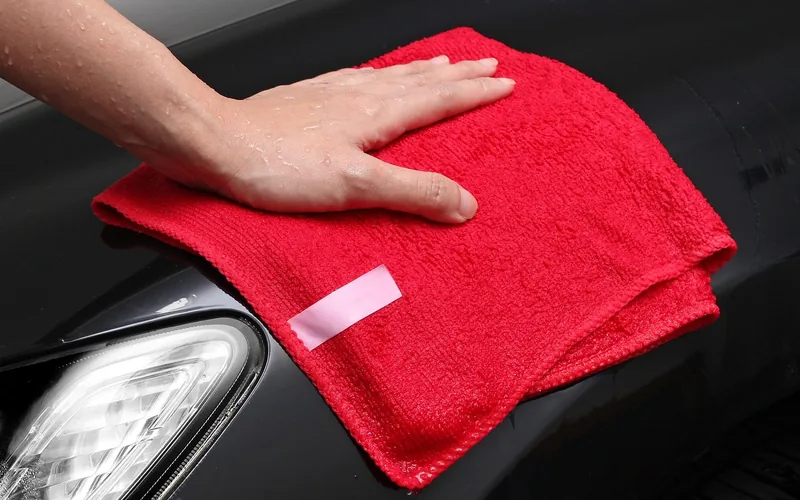
Often, the residue is simply a matter of not buffing completely. A clean, dry microfiber towel is your first line of defense.
- Grab a Clean Microfiber Towel: Make sure it’s completely dry and free of any dirt or grit.
- Gently Buff in a Circular Motion: Work on one small section at a time. Use light to moderate pressure.
- Flip and Fold Your Towel: As the towel picks up wax, flip it to a clean side. Fold it to expose a fresh surface frequently. This prevents you from just spreading the wax around.
- Repeat as Needed: If one towel becomes saturated with wax, switch to a fresh one.
This method works best for fresh wax residue on painted surfaces where it hasn’t had a chance to harden or set into textured areas. For immediate removal after waxing, this is often all you need!
Method 2: Warm Water and a Microfiber Towel
If dry buffing isn’t cutting it, a little warmth can help soften stubborn wax.
- Dampen a Microfiber Towel: Use warm water – not hot, just comfortably warm to the touch. Wring out the towel so it’s damp, not dripping wet.
- Gently Wipe Affected Areas: Work on small sections. The dampness and warmth help lift the wax.
- Follow Up with a Dry Towel: Immediately buff the area dry with a separate, clean, dry microfiber towel. This removes the loosened wax and prevents water spots.
- Rinse and Repeat: If residue remains, you can repeat the process. Be sure to rinse your damp towel frequently in clean water to avoid re-applying wax.
This is particularly effective on painted surfaces and slightly textured plastics where the wax may have started to adhere more firmly. If warm water alone isn’t enough, the diluted isopropyl alcohol method below is the next step up before reaching for a stronger cleaner.
Method 3: All-Purpose Cleaner (APC) or Trim Cleaner
For wax residue that has dried on, settled into trim, or is proving particularly stubborn, a mild cleaner is your next step. Always test any cleaner in an inconspicuous spot first.
Choosing the Right Cleaner:
- pH-Neutral APC: Many car-specific all-purpose cleaners are pH-neutral and safe for most automotive surfaces, including paint, plastic, rubber, and vinyl.
- Dedicated Trim Cleaners: These are formulated specifically for exterior plastic and rubber, making them a safe and effective choice for trim residue.
- Dedicated Wax & Grease Remover: A stronger, purpose-built product for when you need to strip all the wax or sealant off a panel — before applying a new coat of wax, a paint sealant, or a ceramic coating. Unlike a gentle APC that just lifts surface haze, these are formulated to fully de-wax the paint down to bare clear coat.
- Avoid Harsh Chemicals: Never use solvents like Goo Gone or WD-40 directly on painted surfaces or sensitive plastics unless specifically instructed by the product. While they might remove wax, they can also damage your car’s finish.
Best Wax Remover Pick
Chemical Guys Trim Clean Wax & Oil Remover
A dedicated wax and oil remover made for trim, rubber, and tires — built to strip residue that a general APC leaves behind.
- Best for: Caked-on wax in textured black trim and rubber seals
- Why we picked it: Formulated specifically for wax/oil on trim rather than a generic all-purpose cleaner
- Main drawback: Stronger than a plain APC, so it still needs testing on an inconspicuous spot first
Compare more wax removal options
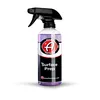 Option 1 Adam’s Polishes Surface Prep
|
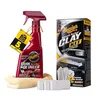 Option 2 Meguiar’s Smooth Surface Clay Kit
|
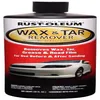 Option 3 Rust-Oleum Wax & Tar Remover
|
As an Amazon Associate we earn from qualifying purchases.
Isopropyl Alcohol (IPA) Wipe-Down: For Fresh Haze or Pre-Coating Prep
For fresh wax haze on paint, a diluted isopropyl alcohol solution often works faster than a cleaner alone. Mix 70% rubbing alcohol with distilled water at roughly a 10-15% IPA concentration — about 1 part alcohol to 6 parts water. Full-strength IPA dries too fast, leaves its own streaking, and can eat into clear coat with repeated use, so always dilute it first.
Spray the diluted solution onto a microfiber towel — never directly onto trim or rubber — and wipe one panel at a time, then follow immediately with a dry towel. This is also the standard pre-coating wipe-down professional detailers use to confirm a panel is truly wax-free before a ceramic coating or ceramic-boosted sealant goes on.
Steps for Using a Cleaner:
- Dilute if Necessary: If using an APC concentrate, follow the manufacturer’s recommended dilution ratio for light cleaning. A common starting point is 10:1 (water to APC), but check the label.
- Spray Lightly onto a Microfiber Towel or Brush: Don’t drench the surface directly, especially if it’s an area sensitive to overspray. Applying to your applicator (towel or brush) gives you more control.
- Gently Agitate: For painted surfaces or smooth plastic, use the damp (with cleaner) microfiber towel to gently wipe. For textured trim, use a soft-bristled brush or detailing swab dipped in the diluted cleaner. Work in small sections.
- Wipe Away Residue: Immediately follow up by wiping the area clean with a separate, damp microfiber towel (rinsed in plain water).
- Dry and Buff: Finish by drying and lightly buffing the area with a clean, dry microfiber towel.
- Rinse Thoroughly: After cleaning all affected areas, give them a final rinse with clean water to ensure no cleaner residue is left behind.
This method is excellent for wax stuck in the lines of trim, around emblems, and on textured plastic bumpers. For more persistent issues on plastic, specialized products designed for plastic care might be necessary, always following their specific instructions.
Method 4: Detail Brushes and Swabs for Tight Spots
Sometimes, the wax finds its way into places your towel just can’t reach. That’s where detail brushes and swabs shine.
- Detail Brushes: Look for brushes with soft synthetic bristles. These are designed for delicate automotive surfaces.
- Cotton Swabs: Perfect for very fine crevices, edges, and around emblems.
How to Use Them:
- Apply Cleaner to the Tool: Lightly dampen your detail brush or swab with your APC or trim cleaner.
- Gently Work the Area: Carefully brush or dab the wax residue. The tool will lift the wax from the tight spots.
- Wipe Up with Microfiber: Have a clean microfiber towel and a damp (plain water) microfiber towel ready. Wipe away the loosened wax and any cleaning solution immediately.
- Follow with a Dry Buff: Use a dry microfiber to finish.
These tools are invaluable for areas like panel gaps, around windshield wipers, and tight trim edges where wax loves to hide.
Dealing with Wax on Different Car Surfaces
The material of your car’s surface matters when removing wax residue.
Painted Surfaces
Wax is generally easiest to remove from painted surfaces as long as it’s fresh. A clean microfiber towel and buffing are usually enough. If residue has dried, use a damp microfiber with warm water, a diluted 10-15% isopropyl alcohol solution, or a very mild APC sprayed onto the towel, followed by immediate drying. Always ensure your microfiber towels are clean to prevent scratching.
Textured Plastic and Unpainted Trim
This can be the trickiest. Wax gets embedded in the texture. A dedicated trim cleaner or a diluted APC is often required. A soft-bristled detail brush is your best friend here. Work the cleaner into the texture, then wipe away thoroughly. Multiple passes might be needed. A basic melamine-foam cleaning sponge, used dry with light pressure, can also lift baked-on residue from black trim without harsh chemicals — test a small area first, since it works similarly to a very fine clay bar and can dull a glossy trim finish if overused. For particularly stubborn white marks on black trim that cleaners don’t lift, some detailers have had success with a very light application of a plastic restorer or dressing once the wax is fully removed, though test this in a hidden spot first as it can darken the trim.
Rubber Seals and Weatherstripping
Rubber is porous. Wax can soak in. Gentle methods are best. A damp microfiber towel with warm water is usually sufficient. If not, a mild APC can be used, but rinse thoroughly afterward. Avoid abrasive scrubbing, which can damage the rubber. Skip isopropyl alcohol here — it dries out rubber over repeated use. You can use a rubber conditioner after cleaning to keep it supple.
Glass and Chrome
Wax on glass is usually easy. A simple glass cleaner or even diluted vinegar (equal parts white vinegar and water) followed by a clean microfiber or glass-specific towel usually does the trick. For chrome, the same methods apply, or you can use a dedicated chrome polish if the residue is severe and the chrome needs a bit of a revive.
Wax on Convertible Tops (Fabric or Vinyl)
Be extra gentle with fabric or vinyl convertible tops. Wax can leave marks. Start with a clean, dry microfiber towel to gently buff. If that doesn’t work, a damp microfiber with plain water is next. For tougher spots, a specialized fabric or vinyl cleaner designed for automotive use is recommended. Avoid harsh chemicals or aggressive scrubbing, as these can damage the material. Always test cleaners in an inconspicuous area first. Chemical Guys’ own wax-removal guide recommends the same panel-by-panel, low-pressure approach for sensitive surfaces like these.
Removing Wax Residue vs. Fully Stripping All the Wax
Everything above is for haze — a thin layer of wax left behind after a normal wax job. That’s a different task from fully stripping all the wax off a panel, which you need to do before applying a new coat of wax or sealant, or before a ceramic coating. A quick microfiber wipe removes haze; a full strip needs to get the paint down to bare, uncoated clear coat so the next product actually bonds.
| Goal | Best Method | Product Type Needed |
|---|---|---|
| Light haze after a fresh wax job | Dry or damp microfiber towel | None — just a clean towel |
| Haze stuck in trim or crevices | 10-15% IPA wipe-down or trim cleaner with a soft brush | Diluted isopropyl alcohol or dedicated trim cleaner |
| Full strip before a new wax or sealant | Wash with a wax-stripping APC, then clay bar decontamination | pH-neutral APC or wax & grease remover, plus a clay bar |
| Full strip before a ceramic coating | Degrease the panel first, then an IPA wipe-down | Dedicated wax & grease remover, then diluted IPA |
📊 A 10-15% isopropyl alcohol solution (roughly 1 part 70% rubbing alcohol to 6 parts distilled water) is the standard dilution for a pre-coating wipe-down — full-strength IPA dries too fast and can damage clear coat over repeated use. Source: Dr. Beasley’s, “How to Remove & Strip Car Wax”
“If wax residue remains on the paint, the protectant will not bond properly. Durability, protection, and gloss will be negatively affected.”
Dr. Beasley’s, on why a full wax strip matters before a new coating
Dr. Beasley’s also notes that an IPA wipe-down alone isn’t enough for a full strip — it’s a finishing step after degreasing, not a replacement for it, since alcohol alone lacks the stripping power to cut through a heavy wax layer. For a wider walkthrough of removing wax without marring paint on every part of the car, see our companion guide to removing wax without ruining the paint. If you’re prepping for a ceramic coating specifically, our guide on whether you should wax a car after ceramic coating covers what happens if old wax is still on the panel when the coating goes on.
Preventing Wax Residue in the First Place
Prevention is always better than cure! Here are some tips to avoid the dreaded wax residue:
- Apply Thinly: Less is more with wax. A thin, even coat is all that’s needed.
- Work in the Shade: Never apply wax in direct sunlight or on a hot surface.
- Use a Quality Applicator: Foam applicators help spread wax evenly and thinly.
- Buff Off Promptly: Don’t let wax dry to a haze if you can help it. Buff off the solvent carrier within a few minutes.
- Buff in Sections: Work on one panel at a time.
- Use Clean Towels: Always use fresh, clean microfiber towels for buffing.
- Protect Trim: Before waxing, consider masking off unpainted plastic trim with painter’s tape. This is especially useful if you’re using a wax known to be stubborn.
Troubleshooting Stubborn Wax Stains
What if nothing seems to work? Don’t despair!
For Caked-On Wax in Texture:
- Try a slightly stronger, but still automotive-safe, APC (follow dilution instructions carefully).
- Use a stiffer (but still soft!) detail brush to agitate the cleaner within the texture.
- Consider a dedicated wax and grease remover product designed for automotive plastics, but read labels and customer reviews thoroughly.
If Wax Has Stained Porous Trim (Rare):
- This is less common but can happen with aggressive waxes on very old or degraded trim.
- A very gentle clay bar treatment (used with ample lubrication, like quick detailer) might lift light staining. Be extremely careful not to apply too much pressure.
- If the staining is severe and affecting the look of the trim, it might be time to consider a plastic restorer or even replacing the trim piece.
Always work patiently. Aggressive actions can cause more damage than the wax residue itself.
Table: Quick Guide to Wax Removal Tools and Methods
Here’s a handy reference for choosing the right method:
| Surface Type | Best Initial Method | Next Step (If Needed) | Tools to Use |
|---|---|---|---|
| Painted Surfaces | Clean Microfiber Buffing | Damp Microfiber with Warm Water, 10-15% IPA, or Mild APC | Microfiber Towels |
| Textured Plastic/Unpainted Trim | APC or Trim Cleaner on Towel/Brush | Dedicated Trim Cleaner, Detail Brush, Swabs | Microfiber Towels, Soft Detail Brushes, Swabs |
| Rubber Seals | Damp Microfiber with Warm Water | Mild APC, Rinse Thoroughly | Microfiber Towels |
| Glass | Glass Cleaner | Diluted Vinegar Solution | Glass Towels, Microfiber Towels |
| Chrome | Glass Cleaner or Mild APC | Chrome Polish (for shine) | Microfiber Towels |
| Fabric/Vinyl Convertible Top | Gentle Buffing, Damp Microfiber | Specialized Fabric/Vinyl Cleaner (Test First) | Microfiber Towels, Soft Brush (if needed) |
How Long Does It Take To Remove Wax Residue?
The time it takes depends on how widespread the residue is and how stubborn it is. For light residue on paint, a quick once-over with a microfiber towel might take just a few minutes (roughly 5-15 minutes for one panel). If you have wax stuck in all your trim, textured plastics, and tight crevices, it could take anywhere from 30 minutes to an hour or more for a thorough job. Patience is key! Rushing the process can lead to mistakes or damage.
Can I Wash My Car Again To Remove Wax Residue?
Washing your car again, especially with a quality car wash soap and the two-bucket method, can help remove some loose wax residue, particularly from painted surfaces. However, it’s rarely enough to completely resolve wax stuck in trim or textured areas. Think of it as a good first step or a way to knock off the bulk of it, but you’ll likely still need more targeted methods for a perfect finish. Skip dish soap for this — its strong degreasing action can dry out trim and rubber, and it strips more than just the wax.
Conclusion
Seeing wax residue on your freshly detailed car can be disheartening, but removing it is entirely manageable. Start with a clean microfiber towel, move to a diluted isopropyl alcohol wipe-down or gentle cleaner if needed, and save a dedicated wax and grease remover for the times you actually need a full strip — before a new coat of wax, sealant, or a ceramic coating. For the complete step-by-step process on every surface of the car, our full car detailing guide walks through the whole routine.
Test any product in an inconspicuous spot first, work in small sections, and keep those microfiber towels clean and handy.
Frequently Asked Questions (FAQ)
What is the fastest way to remove wax residue from car trim?
The fastest way often involves a mild all-purpose cleaner (APC) or dedicated trim cleaner applied to a soft-bristled detail brush or a microfiber towel, followed by immediate wiping with a clean, damp microfiber towel and then a dry one. Work in small sections for efficiency.
What’s the difference between removing wax residue and completely stripping wax off a car?
Removing residue means wiping off a thin leftover haze after a normal wax job — a microfiber towel or diluted IPA usually handles it. Completely stripping wax means removing every trace of old product so a new wax, sealant, or ceramic coating can bond to bare paint, which typically needs a dedicated wax and grease remover plus a clay bar or degreasing wash, not just a wipe-down.
Is it safe to use isopropyl alcohol to remove wax residue?
Yes, when diluted. A 10-15% isopropyl alcohol solution (about 1 part 70% rubbing alcohol to 6 parts distilled water) is a standard method detailers use for fresh haze and pre-coating wipe-downs. Full-strength IPA is too harsh for regular use — it dries too fast, can leave its own streaking, and eats into clear coat over repeated use. Avoid it on rubber and unsealed trim, which it can dry out.
Should I use a clay bar to remove wax residue?
A clay bar is generally used to remove bonded contaminants from paint, not typically for light wax residue, especially on trim. It can lift stubborn residue trapped in trim crevices or light staining on paint if used with plenty of lubrication, but it’s not the primary tool for everyday wax removal and can potentially damage trim if used incorrectly. Microfiber towels and cleaners are usually sufficient and safer for routine haze.
Can I use Dawn dish soap to remove wax from my car?
It’s not recommended. Dish soap does strip wax, but its degreasing power is strong enough to dry out rubber trim and seals and can leave paint less protected than an automotive-specific cleaner would. Use a car-specific APC, trim cleaner, or dedicated wax and grease remover instead — they’re formulated to strip wax without the same drying effect on trim and rubber.
How do I prevent wax from getting on my car’s plastic trim in the future?
The best prevention is to apply wax thinly and buff it off promptly. You can also mask off plastic trim with painter’s tape before waxing for extra protection. Applying a trim protectant or dressing after cleaning, but before waxing, can sometimes create a slicker surface that makes wax less likely to adhere.
What if the white residue on my trim is permanent?
If the “residue” is actually a mark left by a harsh chemical or very old wax that has permanently altered the surface of the plastic trim, it might not be removable. In such cases, dedicated plastic restorers, dyes, or even replacement of the trim piece might be the only options to restore its appearance. However, most wax residue is removable with the right approach.
Products related to this article
Sponsored / affiliate links. As an Amazon Associate I earn from qualifying purchases. I may earn additional commission from eligible campaigns.