How To Make A Car Turbo Flutter Sound Safely
The distinct flutter sound from a turbocharged engine has captured the attention of car enthusiasts worldwide. It’s a sound that hints at performance and the exciting mechanics under the hood. Perhaps you’ve heard it on a friend’s car or in a movie and wondered if you could achieve that same audio effect on your own vehicle.
This guide will explore how to make a car turbo flutter sound safely, focusing on understanding the mechanics involved and safe modification practices that won’t harm your car.
What Is The Turbo Flutter Sound
The turbo flutter sound, often described as a “whoosh” or “chirping” noise, is an audible byproduct of a turbocharged engine’s operation. It’s not the primary function of the turbocharger, but rather an interesting side effect that many enthusiasts find appealing. Understanding what causes this sound is the first step in learning how to reproduce or enhance it safely.
The Mechanics Behind Turbocharger Sounds
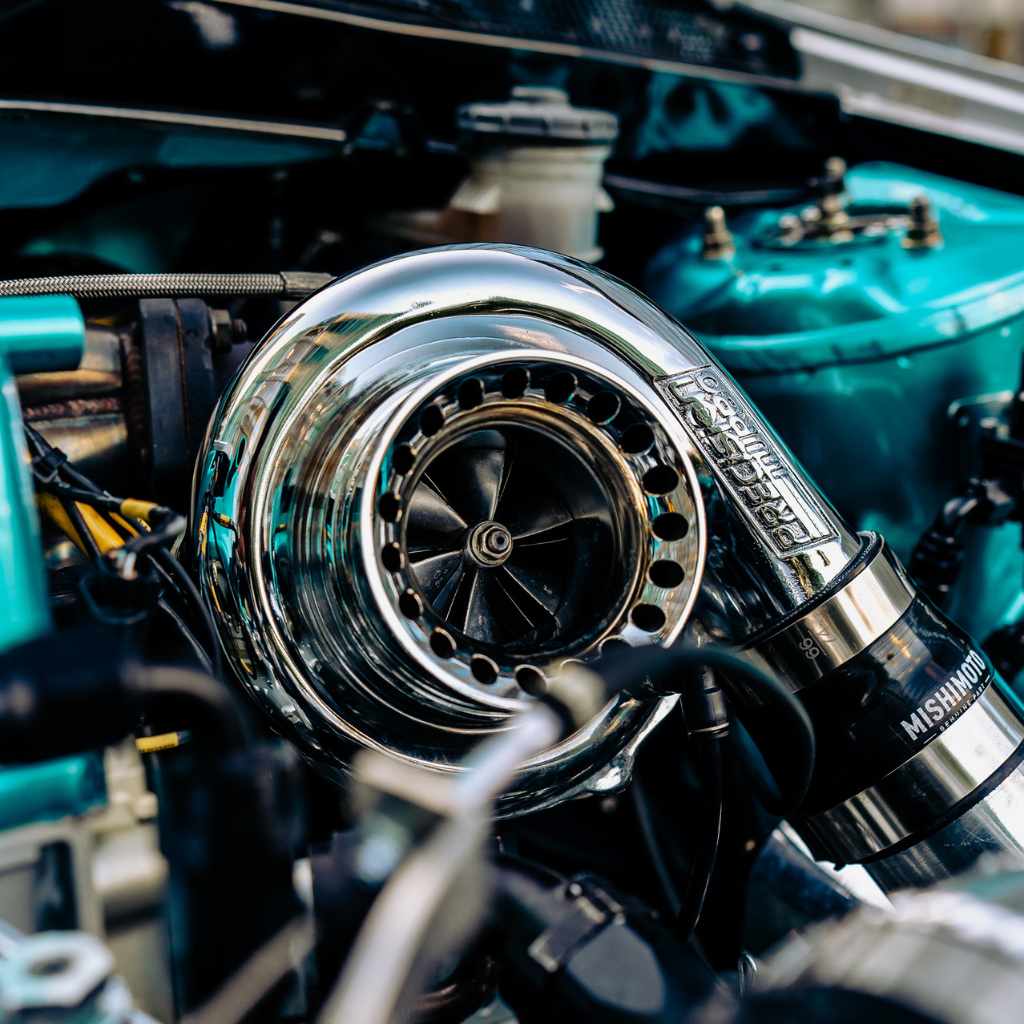
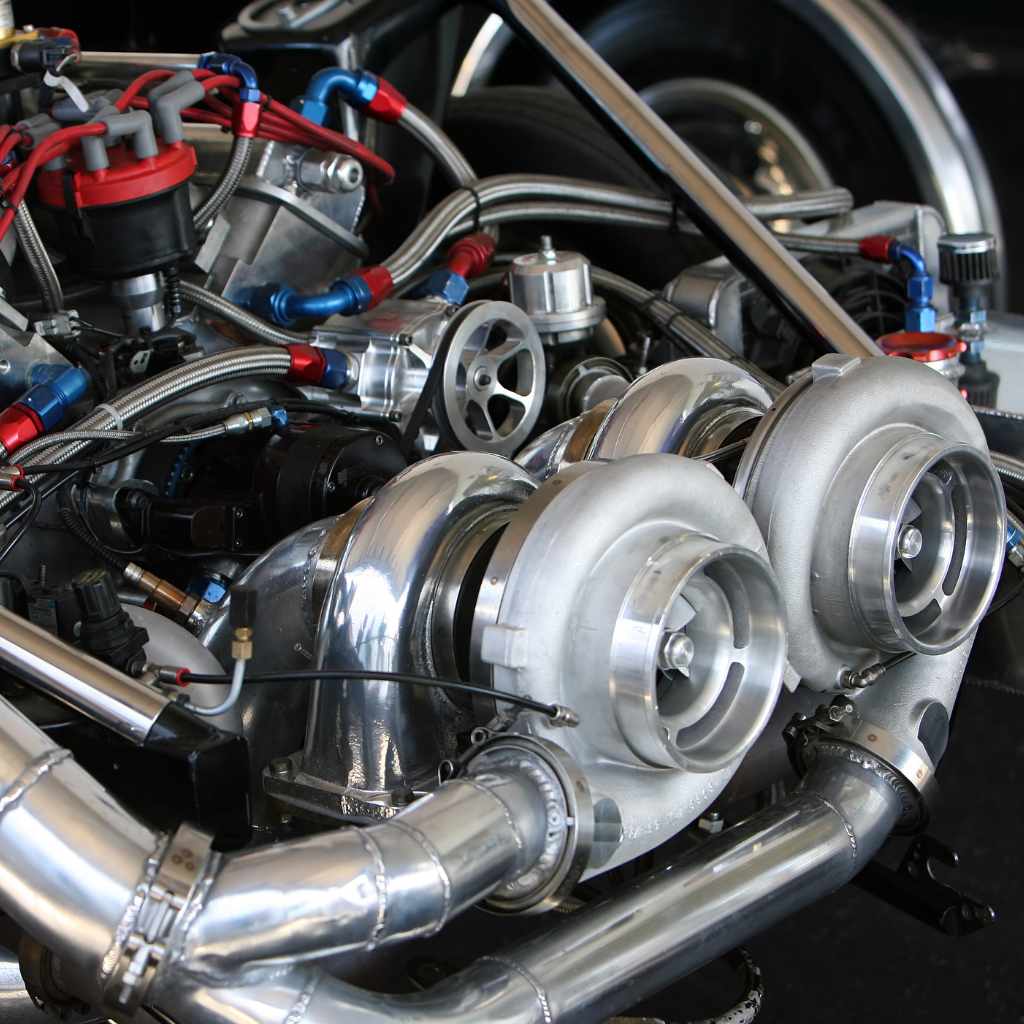
Turbochargers are essentially air pumps driven by the engine’s exhaust gases. They spin a turbine, which in turn spins a compressor. The compressor forces more air into the engine, allowing it to burn more fuel and produce more power.
This process creates a variety of sounds, from the high-pitched whine of the turbo spooling up to the more complex flutter.
The flutter sound specifically occurs when the throttle is suddenly closed, such as during a gear change. When the driver lifts off the accelerator pedal, the compressor is still spinning and pushing air. However, the throttle plate closes, blocking the air from entering the engine.
This blockage causes the compressed air to rapidly reverse direction within the intake system. This sudden surge and release of air is what creates the distinct flutter noise. It’s often a sign that the turbocharger is working effectively and that there’s a good seal within the intake system.
It’s important to distinguish turbo flutter from a compressor surge. While related, compressor surge is a more aggressive phenomenon where airflow can actually reverse backward through the compressor wheel itself. This can be detrimental to the turbocharger’s lifespan.
The desirable flutter sound is a less intense, more controlled release of pressure.
How To Achieve The Turbo Flutter Sound Safely
When enthusiasts talk about wanting to hear the turbo flutter sound more prominently, they are generally looking for ways to make this natural phenomenon more audible. It’s crucial to approach this with safety and the long-term health of your vehicle as the top priorities. Many modifications aim to improve the airflow and pressure management within the intake system, which can result in a more pronounced flutter.
Blow-Off Valves and Diverter Valves
One of the most common ways to influence turbocharger sounds is through the use of blow-off valves (BOV) or diverter valves (DV). These devices are designed to release excess pressure from the intake system when the throttle is closed, preventing compressor surge and protecting the turbo. The type of valve and its adjustment can significantly affect the sound produced.
Diverter Valves (DV): These valves recirculate the excess boost pressure back into the intake system before the turbocharger. This is the standard setup on most turbocharged cars and is generally quieter. While they help protect the turbo, they don’t typically produce a loud flutter sound on their own.
Some aftermarket DVs might allow for slightly more audible bypass air, but the sound is often a subtle hiss rather than a distinct flutter.
Blow-Off Valves (BOV): Unlike diverter valves, blow-off valves vent the excess boost pressure to the atmosphere. This venting process is what creates the characteristic “pssh” or “whoosh” sound that many associate with performance cars. When a BOV is installed and properly tuned, the rapid release of pressurized air can interact with the turbocharger’s spinning components to create a more pronounced flutter effect.
Some BOVs are specifically designed to enhance this flutter sound. However, venting to the atmosphere can sometimes lead to engine management issues if the car’s computer is not expecting it, potentially affecting fuel mixture and emissions.
When considering a BOV, look for models specifically designed for your car’s make and model. Installation should ideally be performed by a qualified mechanic. It’s also important to understand your local emissions regulations, as venting to the atmosphere might not be legal everywhere.
Intake System Modifications
Changes to the intake system can also influence the audible characteristics of the turbocharger. A less restrictive air intake can allow the turbocharger to spool up faster and potentially create more audible spooling sounds. While this doesn’t directly cause flutter, it can make the overall turbo sound more noticeable, including any inherent flutter.
Cold Air Intakes (CAI): A common intake modification is a cold air intake. These systems
Intake Piping: The material and diameter of the intake piping can also play a role. Smoother, larger diameter piping can allow for better airflow. Some enthusiasts experiment with different types of intake piping materials, as the resonance of the material can subtly alter sound frequencies.
However, drastic changes to intake piping diameter without proper engine tuning can lead to performance issues.
When modifying the intake, it’s crucial to ensure that the air filter is properly sealed to prevent dirt and debris from entering the turbocharger and engine. A poorly fitted filter can cause significant damage.
Understanding Compressor Bypass Valves
Some manufacturers use systems that are a hybrid between a BOV and a DV. These are often called compressor bypass valves (CBV) or by specific manufacturer names. They recirculate air like a DV but can be tuned or modified to allow for a more noticeable sound.
The goal is often to retain the benefits of recirculating air (better idle and emissions) while still producing a desirable turbo sound.
Some aftermarket manufacturers offer upgraded CBVs that can adjust the amount of air bypassed or the timing of the bypass. These can be a good option for those seeking a noticeable flutter sound without the potential drawbacks of a full atmospheric BOV.
Boost Controllers and ECU Tuning
Adjusting boost pressure and engine management through an ECU (Engine Control Unit) tune can also impact turbo sounds. Increasing boost pressure can make the turbo work harder, leading to more pronounced spooling and potentially a more noticeable flutter. However, increasing boost beyond the manufacturer’s specifications without upgrading other engine components can lead to serious damage.
An ECU tune can also be programmed to alter how the engine management system handles boost pressure and throttle response. This can indirectly influence the flutter sound. For example, a tune might adjust the timing of the diverter valve activation or optimize throttle response during gear changes to accentuate the flutter.
Important Note: Any ECU tuning should only be performed by a reputable tuner who understands the specific vehicle and the potential impact on the drivetrain and turbocharger. Incorrect tuning can lead to engine failure, transmission damage, and other costly repairs.
The Role of Exhaust Systems
While the flutter sound is primarily related to the intake side of the turbocharger, the exhaust system can sometimes play a role in how the overall turbo noise is perceived. A less restrictive exhaust system can allow exhaust gases to flow more freely, which can influence turbo spool speed. Some exhaust setups might also create resonance that can make certain turbo sounds more apparent.
However, the flutter sound itself is not directly generated by the exhaust. Modifications to the exhaust are more likely to affect the turbo’s spool sound or the general exhaust note of the vehicle.
Risks and Considerations For Safety
While chasing the turbo flutter sound can be exciting, it’s essential to be aware of the potential risks involved. Safety and the longevity of your vehicle should always be the primary concern.
Engine and Turbo Damage
The most significant risk associated with improper turbo modifications is damage to the turbocharger itself or the engine. Over-boosting, incorrect air-fuel mixtures, or allowing debris into the intake can lead to catastrophic failures.
- Over-boosting: Pushing too much pressure through the intake system can damage the turbocharger’s components, such as the compressor and turbine wheels. It can also stress the engine internals.
- Lean Air-Fuel Mixtures: If modifications affect airflow without proper fuel compensation, the engine can run lean, leading to excessive heat and potential detonation (knocking), which can destroy pistons and other engine parts.
- Contaminated Air: Any modification that compromises the air filter’s integrity or seal can allow dirt and debris to enter the turbocharger, causing abrasive wear and damage to the delicate spinning components.
Emissions and Legal Compliance
Many modifications, especially those that vent to the atmosphere, can affect your vehicle’s emissions. In many regions, these modifications are illegal and can cause your car to fail emissions testing. It’s crucial to research local laws and regulations before making any changes.
Warranty Concerns
Aftermarket modifications, particularly those affecting the engine or powertrain, can void your manufacturer’s warranty. If something goes wrong with your turbocharger or engine after modification, the manufacturer may refuse to cover the repair costs.
Professional Installation
For most turbocharger-related modifications, professional installation by a qualified mechanic experienced with performance vehicles is highly recommended. They can ensure that components are installed correctly, that the system is properly calibrated, and that there are no immediate risks to your vehicle.
Alternatives and What To Avoid
There are certain things you should avoid if your goal is to safely achieve or enhance the turbo flutter sound.
What To Avoid
- DIY Solutions Without Knowledge: Attempting to create flutter sounds through crude or uninformed modifications can be very risky.
- Exaggerated Blow-Off Valves: While some BOVs are designed for sound, extremely loud or poorly designed valves can cause more harm than good.
- Ignoring Engine Management: Never modify boost pressure or airflow without considering how it affects the engine’s fuel and ignition mapping.
- Using Substandard Parts: Always opt for reputable brands and quality components. Cheap, unbranded parts are more likely to fail and cause damage.
Safe Alternatives For Sound Enhancement
If you want to enjoy the sound of your turbo without significant modifications, consider these:
- Focus on existing sounds: Sometimes, a well-maintained turbo system will naturally produce some flutter. Ensuring your car is in good condition is the first step.
- Subtle aftermarket diverter valves: Some performance DVs offer a slightly more audible bypass sound without the risks of venting to the atmosphere.
- Listen to high-quality recordings: If the sound is purely for enjoyment, listening to recordings of your desired turbo flutter can be a safe and simple option.

Frequently Asked Questions
Question: Can a turbo flutter sound cause damage to my car?
Answer: The sound itself does not cause damage. However, the modifications made to achieve a more pronounced flutter sound, if done incorrectly or without proper tuning, can lead to engine or turbocharger damage.
Question: Do all turbocharged cars make a flutter sound?
Answer: Not all turbocharged cars produce a noticeable flutter sound. The intensity of the sound depends on the specific turbocharger design, the intake and exhaust systems, and the engine management system. Some cars are designed to dampen these sounds.
Question: Is installing a blow-off valve a good idea for flutter sound?
Answer: Installing a blow-off valve can make the turbo flutter sound more prominent because it vents pressurized air. However, it’s important to choose a quality valve, install it correctly, and understand potential impacts on emissions and engine performance. Recirculating diverter valves are generally safer for engine management.
Question: How can I make my turbo spool sound louder too?
Answer: A less restrictive cold air intake system and certain exhaust modifications can make the turbo spool sound more audible. However, these modifications should also be considered carefully for their impact on performance and engine health.
Question: Is it safe to drive my car if it’s making unusual flutter noises?
Answer: If your car is making unusual or excessively loud flutter noises, it’s best to have it inspected by a mechanic. While some flutter is normal, a sudden change or an overly aggressive sound could indicate a problem with the turbocharger, intake, or exhaust system.
Final Thoughts
Exploring how to make a car turbo flutter sound safely involves a deep appreciation for automotive engineering and a commitment to responsible modification. The flutter sound is an appealing acoustic signature of a turbocharger at work, and enthusiasts often seek ways to enhance its audibility. The key lies in understanding that this sound is a result of pressure dynamics within the intake system, particularly when the throttle is released.
Devices like blow-off valves and diverter valves play a significant role, with atmospheric blow-off valves typically producing the most pronounced sounds, though often at the cost of potential emissions compliance and engine management complications. For those prioritizing safety and longevity, focusing on quality aftermarket diverter valves or carefully calibrated compressor bypass valves can offer a pleasing auditory enhancement without the significant risks associated with venting to the atmosphere.
Furthermore, subtle intake system improvements can sometimes amplify existing turbo sounds. However, it is paramount to avoid haphazard DIY solutions or components that are not designed for your specific vehicle. Always prioritize parts from reputable manufacturers and consider professional installation, especially for any modifications that impact boost pressure or airflow control.
Ignoring the engine’s computer (ECU) and its need for proper tuning when altering airflow or boost levels can lead to severe engine damage. Therefore, any significant changes should be paired with professional ECU remapping. By approaching these modifications with knowledge, caution, and a focus on safety, you can enjoy the distinctive turbo flutter sound while ensuring your car remains reliable and performs optimally for years to come.