How to Make a Second Car Key: Proven & Essential
Make a second car key easily and affordably! Get a spare key cut and programmed by a locksmith, dealership, or online service. It’s a simple process that can save you from lockout emergencies and high replacement costs. Learn the proven methods to get that essential backup key today.
Losing your car key or having it damaged can be a real headache. Imagine being stranded because your only key is missing or won’t work. It’s a frustrating situation many car owners face. But don’t worry! Having a second car key isn’t a luxury; it’s a smart move that brings peace of mind and can save you time and money. This guide will walk you through everything you need to know to make a spare car key, making the process simple and stress-free. We’ll cover the different options available, what you’ll need, and how to choose the best method for your situation.
Why You Need a Second Car Key: More Than Just a Spare
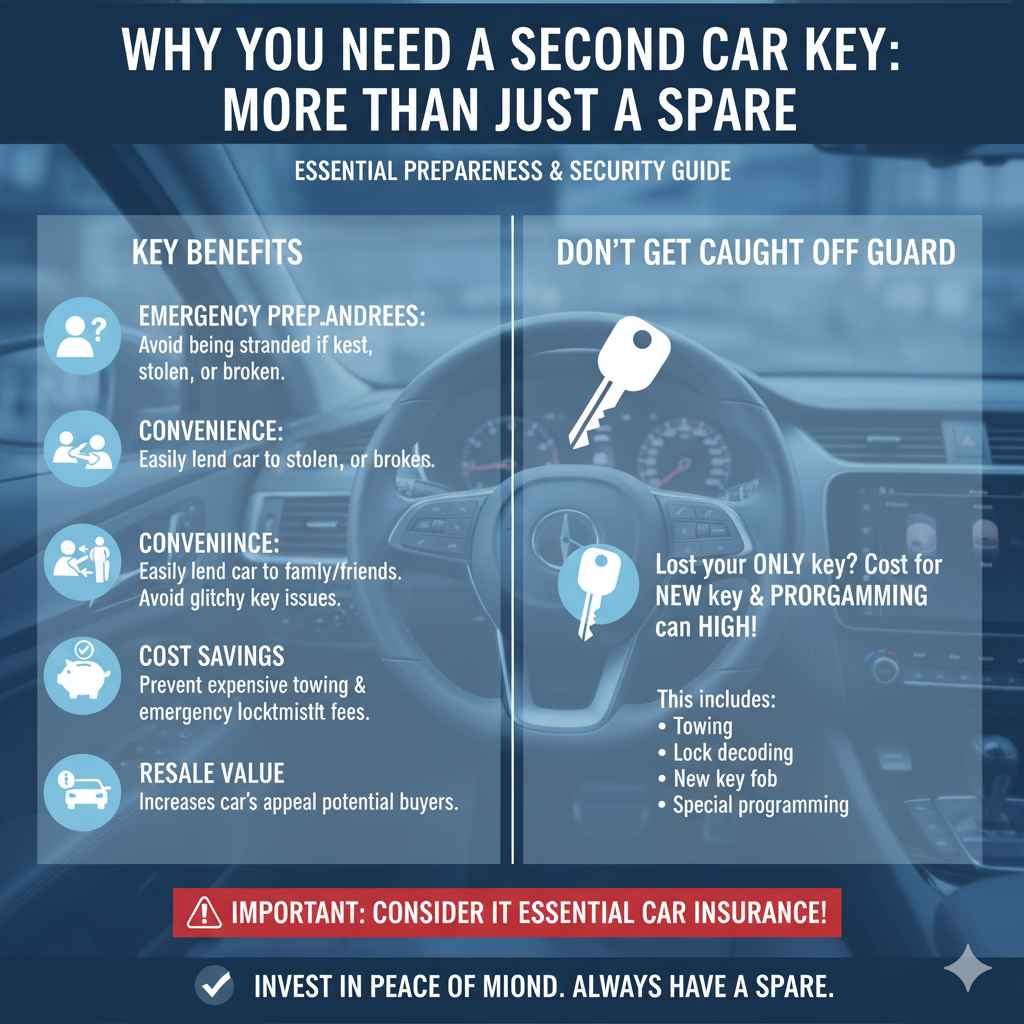
It might seem like an extra expense, but a second car key is an investment in convenience and security. Think of it as essential car insurance.
Emergency Preparedness: The most obvious reason is to avoid being stranded. If your primary key is lost, stolen, or breaks, a spare means you can still use your car without a lengthy and costly lockout situation.
Convenience: Need to lend your car to a family member or friend? A second key makes it easy. It also simplifies situations like breaking a key tip off in the lock or having a key that’s glitchy.
Cost Savings: Dealing with a lost key situation can be very expensive. You might need to pay for towing, emergency locksmith services, and a brand-new key, which can add up quickly. Having a spare eliminates these high, last-minute costs.
Resale Value: When selling your car, providing both original keys can increase its perceived value and appeal to potential buyers.
Understanding Different Types of Car Keys
Car keys have evolved significantly, and the type of key you have will determine the best way to make a duplicate.
Traditional Metal Keys
These are the simplest keys, made entirely of metal with no electronic components. They were common in older vehicles.
Transponder Keys
Most cars manufactured since the mid-1990s use transponder keys. These keys have a small chip embedded in the plastic head. This chip communicates with an immobilizer system in your car, preventing the engine from starting unless the correct key is detected. Duplicating these requires not just cutting the metal blade but also programming the chip.
Remote Keys (Key Fobs)
These keys often have buttons to lock/unlock doors, pop the trunk, or start the car remotely. They usually contain a transponder chip and a separate radio transmitter. Programming can be more complex.
Smart Keys (Proximity Keys)
Found in many newer vehicles, smart keys allow you to access and start your car without physically inserting a key. The car detects the smart key when you are nearby. These are typically the most expensive to duplicate.
How to Make a Second Car Key: Your Options Explained
There are several proven ways to get a second car key. Each has its pros and cons in terms of cost, convenience, and complexity.
Option 1: The Dealership
Your car dealership is often the go-to for duplicate keys, especially for newer or more complex key systems.
Process: You’ll typically need to provide proof of ownership (registration, ID) and your car’s Vehicle Identification Number (VIN). The dealership will order a key specifically for your car’s make, model, and year, and then program it to your vehicle.
Pros:
Guaranteed to get the correct, OEM (Original Equipment Manufacturer) key that is designed for your car.
Expert programming by technicians familiar with your vehicle.
Often the only option for highly complex or very new key systems.
Cons:
Usually the most expensive option.
Can take time to order and schedule an appointment.
May require you to bring your car to the dealership.
Option 2: Automotive Locksmiths
Many locksmiths now specialize in automotive keys and can be a great alternative to dealerships.
Process: Mobile locksmiths can often come to your location. Like dealerships, they will need proof of ownership. They possess specialized equipment to cut and program a wide range of transponder, remote, and smart keys.
Pros:
More affordable than dealerships, often by 20-50%.
Convenient, especially if they offer mobile services.
Can usually create a duplicate key much faster than a dealership.
Many can serve a wide variety of car makes and models.
Cons:
Quality can vary by locksmith, so choose a reputable one.
May not have the equipment for the very latest or most high-end car key systems.
Option 3: Online Key Retailers and DIY Programming
For certain types of keys, you can purchase a blank key online and even program it yourself.
Process: You identify your car’s key type and order a compatible blank key online. For some vehicles, the car’s owner manual or online resources may provide instructions for a DIY programming procedure. This often involves a sequence of turning the ignition on and off, opening and closing doors, etc.
Pros:
Can be the cheapest option, especially if DIY programming is possible.
Convenient to order from home.
Cons:
DIY programming is only possible for a limited number of vehicle models and key types. If your car requires specialized equipment, this won’t work.
You might still need a locksmith or dealership to cut the physical key if you don’t have access to a key cutting machine.
Risk of ordering the wrong key or attempting an incompatible programming method, which could damage your car’s system.
A common recommendation is to use websites that offer both the key and the cutting/programming service, often at a bundled rate. An example of a reputable resource for automotive key blanks and programming information is Remote Key, which provides detailed guides and products.
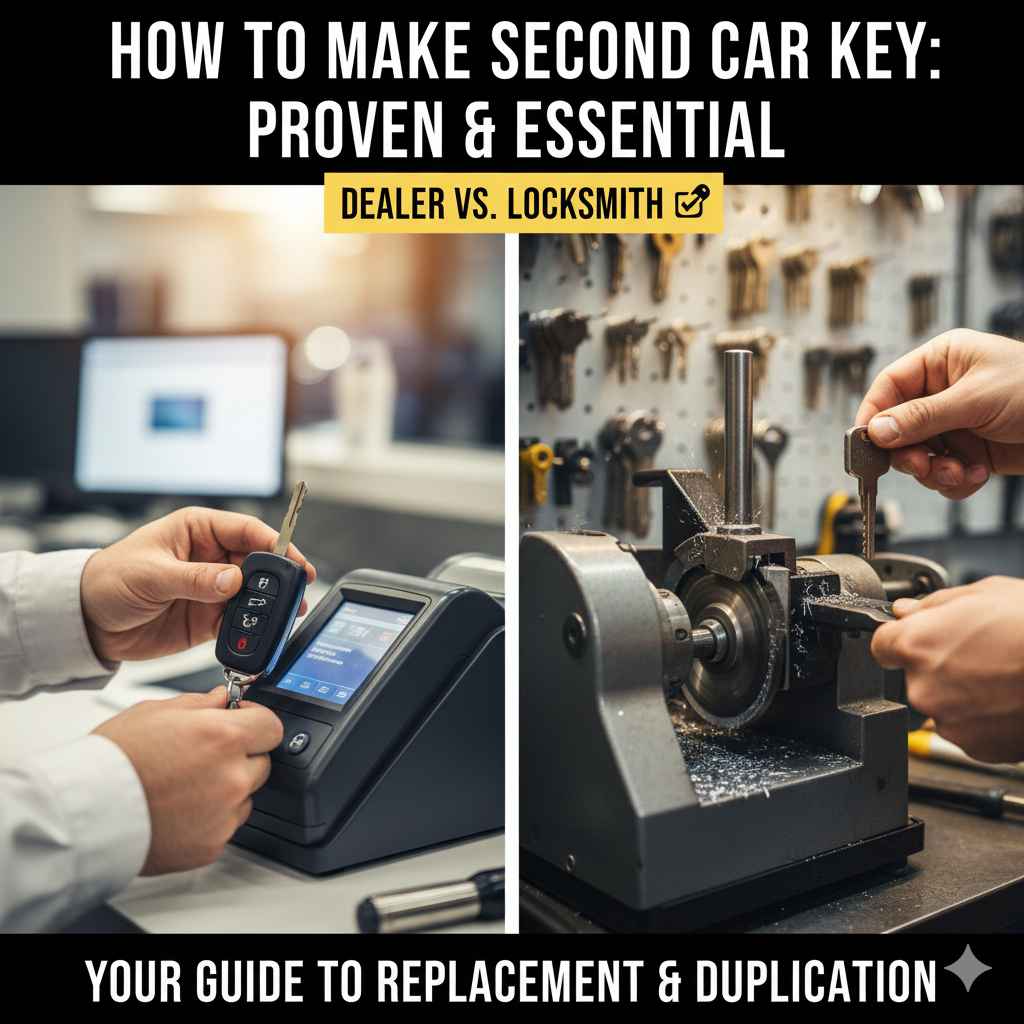
Option 4: Locksmith vs. Dealership: A Quick Comparison
To help you decide, here’s a table comparing the two most common professional options:
| Feature | Dealership | Automotive Locksmith |
|---|---|---|
| Cost | Highest | Moderate (often 20–50% less than dealership) |
| Convenience | Less (requires appointment, potential travel) | More (mobile services often available) |
| Speed | Slower (ordering and scheduling delays) | Faster (often same-day service) |
| Key Type | Handles all types | Handles most types, may vary |
| Expertise | Vehicle-specific specialists | Broad automotive key expertise |
| Guarantee | Usually includes OEM parts and warranty | Varies by provider — choose reputable ones |
What You’ll Need to Make a Second Car Key
Before you start the process, gather the necessary information and documents. This will make the process smoother and faster.
Your Vehicle’s VIN (Vehicle Identification Number): This is a unique 17-character code that identifies your specific car. You can find it on the driver’s side dashboard, on your insurance card, or in your vehicle registration documents.
Proof of Ownership: This typically includes your driver’s license and the vehicle’s registration or title. This is crucial for security so that only the rightful owner can get a new key made.
Your Existing Key (if you have one): This is incredibly helpful for locksmiths and dealerships as they can often copy the cut and program the chip directly from your working key. If you’ve lost all keys, the process is more involved and usually more expensive.
Car Make, Model, and Year: This information is essential for ordering the correct key.
Step-by-Step Guide: How to Get Your Second Key Made
Let’s walk through the typical process, whether you choose a dealership or a locksmith.
Step 1: Identify Your Key Type
As discussed earlier, knowing if you have a traditional key, transponder key, remote, or smart key is step one. Look at your current key: does it have plastic, or does it look like a regular metal house key? If it has a plastic head, it’s likely a transponder key or has remote functions.
Step 2: Gather Your Documents and Information
Have your VIN, driver’s license, and car registration ready. If you have a working key, keep it handy.
Step 3: Choose Your Provider
Dealership Route: Call your car dealership’s service department. Explain that you need a second key made and ask for a quote and appointment availability.
Locksmith Route: Search for reputable automotive locksmiths in your area. Check online reviews. Call a few to compare quotes and inquire about their services (e.g., mobile service, types of keys they can handle).
Step 4: Schedule the Service
Once you’ve chosen a provider:
Dealership: Schedule an appointment. Be prepared for the cost.
Locksmith: Arrange a time and location for them to meet you, or if they have a shop, plan to visit.
Step 5: Key Cutting and Programming
This is where the magic happens.
For Transponder/Remote/Smart Keys: The technician will use specialized equipment to:
1. Cut the Physical Key: This is done by matching the bitting (the cuts on the key blade) to your existing key or by code derived from your VIN. Some locksmiths can even cut keys by code from just the VIN, especially for older cars.
2. Program the Transponder Chip: This involves connecting to your car’s onboard diagnostic (OBD-II) port and using a programming tool to register the new key’s chip with your car’s immobilizer system. This is critical; without it, the car won’t start.
3. Program Remote/Smart Functions: If your key has remote features, these will also be programmed to your car’s central locking and alarm system. This might involve pressing specific button sequences on the remote itself.
For Simple Metal Keys: If you have a non-electronic key, a locksmith or hardware store can usually cut a duplicate from your existing key or by code, often while you wait.
Step 6: Test Your New Key
Before you leave the dealership or the locksmith, thoroughly test your new key.
Does it unlock and lock the car doors manually?
Does the ignition turn smoothly?
Does the engine start without any warning lights related to the immobilizer?
Do all remote functions (lock, unlock, trunk release) work correctly?
DIY Key Cutting and Programming? What You Need to Know
While DIY is appealing for saving money, it’s not always feasible or advisable.
When DIY Might Work:
Very Old Cars: Cars manufactured before the widespread adoption of transponder keys (pre-mid-1990s) often have simple metal keys that a local hardware store or locksmith can cut easily.
Some Basic Transponder Systems: A few car manufacturers designed their earlier transponder systems to be user-programmable. This usually involves a specific sequence of actions. You’d need to research if your particular car model supports this. Resources like Edmunds often provide helpful general advice on car key replacement.
What You’ll Likely Need for DIY (if possible):
Compatible Blank Key Fob: Purchased online. Ensure it’s the EXACT model for your car and year.
Key Cutting Services: You’ll still need to get the metal blade cut. Some online services offer key cutting by code and mail you the uncut blade, or you can take the blank to a locksmith or hardware store.
Programming Tool or Instructions: If your car supports DIY programming, you’ll need to follow a very specific sequence of steps. Sometimes, a simple OBD-II programmer tool might be required, which can cost upwards of $100.
Why DIY Can Be Risky:
Programming Errors: Misfiring on a programming sequence can sometimes lock up your car’s computer or immobilizer system, leading to more expensive repairs.
Wrong Key: Ordering the wrong key means wasted money and time.
Lack of Equipment: Without professional tools, you simply can’t program many modern keys.
If you’re unsure, it’s always safer to call a professional.
Estimated Costs: What to Expect
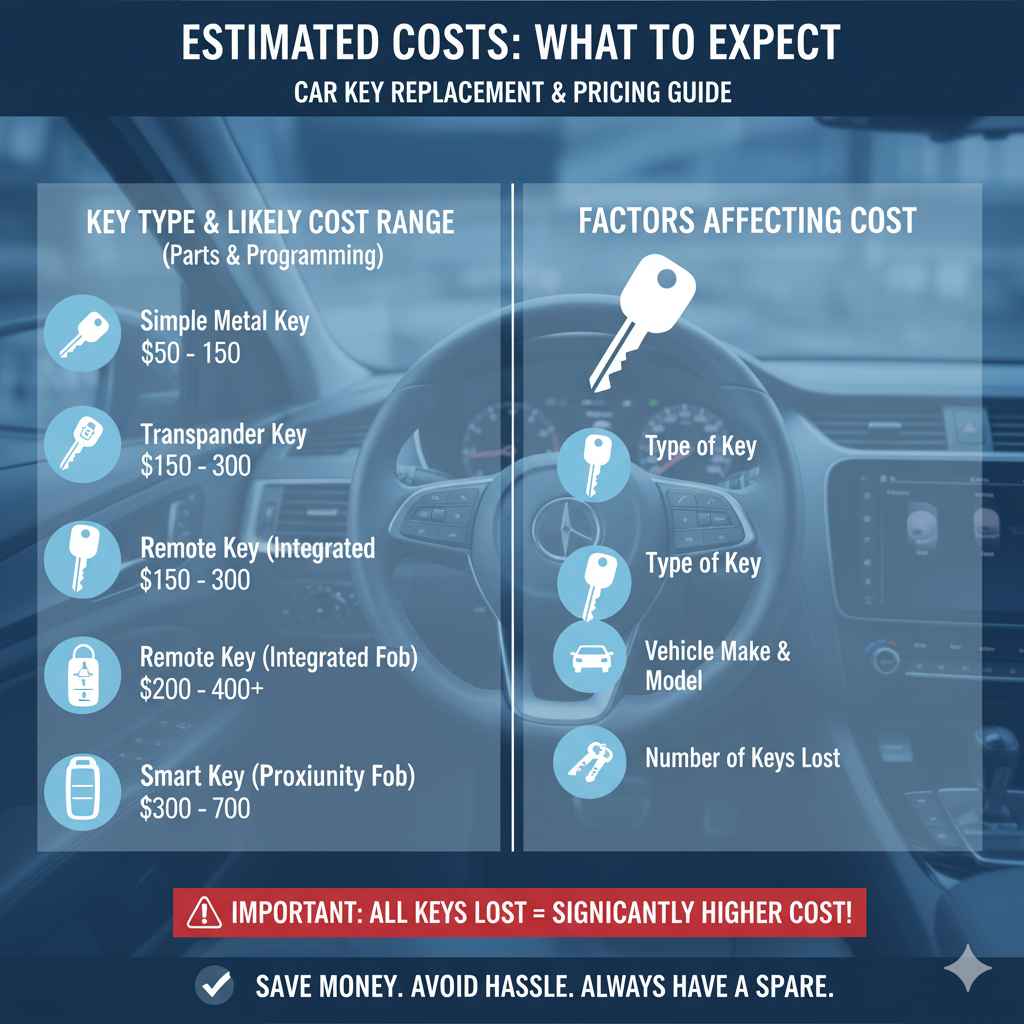
The price of a second car key can vary wildly depending on your car’s make, model, year, and the type of key it uses.
Simple Metal Key: $50 – $150 (includes cutting)
Transponder Key: $150 – $300 (includes key blank, cutting, and basic programming)
Remote Key (with integrated transponder): $200 – $400+
Smart Key (Proximity Key): $300 – $700+
These are ballpark figures. Dealerships are typically at the higher end of these ranges, while locksmiths and online services might be on the lower end.
Factors Affecting Cost:
Type of Key: Smart keys are the most complex and expensive.
Vehicle Make & Model: Luxury or high-end vehicles often have more expensive key fobs and programming.
Number of Keys Lost: If you’ve lost all keys to the vehicle, it’s significantly more expensive because the locksmith or dealer has to work from scratch, often by decoding the locks or ignition cylinder. This requires special tools and expertise.
* Location: Prices can vary based on your geographic location and local market rates.
A good resource for understanding the complexity and costs associated with vehicle security systems, including keys, is the National Highway Traffic Safety Administration (NHTSA). While they don’t price specific keys, they highlight the importance of vehicle safety systems. You can find general information on vehicle safety at NHTSA.gov.
Frequently Asked Questions (FAQ)
Here are some common questions about making a second car key:
Q1: Can I make a second car key without the original?
A1: Yes, but it’s more complex and costly. If you’ve lost all your keys, a dealership or locksmith will likely need to decode your car’s lock or ignition cylinder to create a new key and program it, which requires specialized tools and expertise.
Q2: How long does it take to make a second car key?
A2: For a simple metal key, it can take just a few minutes at a locksmith. For transponder or smart keys, expect anywhere from 30 minutes to a couple of hours, depending on the complexity and whether you have an appointment. Dealerships may require scheduling and could take longer if the key needs to be ordered.
Q3: Is a key from a locksmith as good as one from the dealership?
A3: Generally, yes. Reputable automotive locksmiths use the same quality key blanks and programming equipment as dealerships for most vehicles. Always choose a well-reviewed and certified locksmith.
Q4: What happens if my car has an immobilizer system?
A4: Your car won’t start without a properly programmed transponder chip. Any new key with a transponder chip needs to be programmed to your car’s immobilizer system to disarm it. Simply cutting the metal blade isn’t enough.
Q5: Can I buy a key online and have it cut and programmed locally?
A5: You can buy a key blank online, but you’ll still need a professional to cut and program it. Many locksmiths can work with keys you provide, but confirm this beforehand, as they may charge a fee or prefer to use their own supply.
Q6: How do I know if I have a transponder key?
A6: Look at the head of your key. If it has a significant amount of plastic (unlike a plain metal house key) and doesn’t have obvious buttons, it’s likely a transponder key. You can also check your car’s manual or search for your car model online.
Q7: If I lose all my keys, what’s the average cost?
A7: Losing all keys can range from $300 for older cars to well over $1000 for newer vehicles with complex smart key systems. This is why having a spare is so important!
Conclusion: Peace of Mind is Just a Key Away
Ensuring you have a second car key is one of the smartest, simplest, and most cost-effective actions you can take as a car owner. It protects you from inconvenient roadside lockouts, saves you from potentially astronomical emergency replacement costs, and simply makes life with your vehicle easier.
Whether you opt for the guaranteed specificity of a dealership, the convenience and often lower cost of a specialized automotive locksmith, or even the potentially budget-friendly DIY route for very basic keys, the process is more accessible than you might think. By gathering your vehicle information, understanding your key type, and choosing the right provider, you can secure that essential backup key with confidence. Don’t wait for the frustrating moment of a lost or broken key to strike; take proactive steps today to make a second car key and drive with peace of mind.