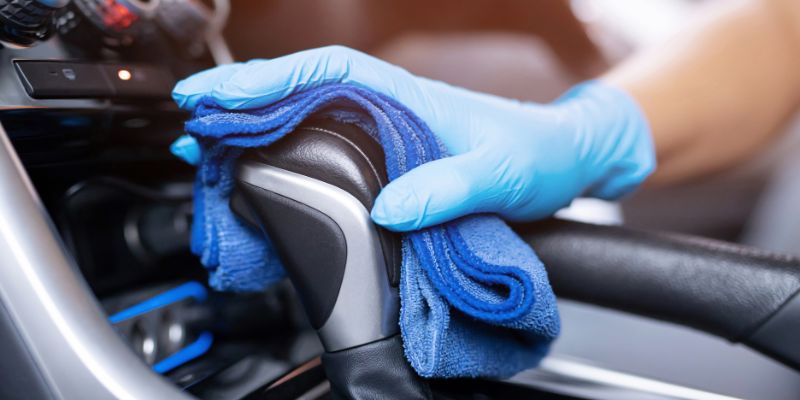
How to Wash Car Wash Towels: Detergent, Heat & Mesh Bag Tips
Wash car wash towels in warm water (around 104°F) with a mild, free-and-clear detergent — never fabric softener, dryer sheets, or high heat, which coat microfiber fibers and kill their absorbency. Get the routine wrong and a $10 towel turns into a lint-shedding, water-repelling rag in a few washes. This guide covers detergent choice, wash and dry settings, pre-treating wax and grease, and reviving stiff old towels.
Quick Answer
Wash car wash towels separately on a gentle cycle in warm water (about 104°F) with a small amount of mild, free-and-clear detergent. Skip fabric softener and dryer sheets entirely, then dry on low heat or air-dry — high heat and softener both coat microfiber and ruin its ability to absorb water.
Note to editor: this Table of Contents is auto-generated by the ez-toc plugin from the article’s headings. It will regenerate automatically on save/publish to include the new sections added below — no manual edit needed.
How to Wash Car Wash Towels: Quick Step-by-Step
Here’s the entire process in six steps — each one is covered in more detail further down this guide.
- Shake and sort the towels: Shake out loose dirt outside, then separate into general, polishing, and heavy-duty piles.
- Pre-treat heavy stains: Soak wax, tar, or grease-stained towels in warm water with 1/4 cup of white vinegar per gallon for 15-20 minutes.
- Load the washer on a gentle cycle: Wash in warm water (about 104°F) on a delicate cycle with a small amount of mild, free-and-clear detergent, without overloading the drum.
- Skip the fabric softener: Leave out fabric softener and dryer sheets entirely — they coat microfiber and kill its absorbency.
- Dry on low heat or air-dry: Use the lowest heat or air-fluff setting, or hang-dry in the sun — never use high heat.
- Store them bone-dry: Once fully dry, store towels in a clean, lidded bin sorted by type to prevent mildew and cross-contamination.
Why Cleaning Car Wash Towels Properly Matters
I can’t stress enough how important it is to keep your car wash towels in top shape. When I first started detailing my car, I didn’t think much about towel maintenance. I’d toss them in with my regular laundry and call it a day. Big mistake! Dirty towels can hold onto grime, wax, or polish residue, which can scratch your car’s paint or leave annoying streaks. Clean towels not only protect your car’s finish but also last longer, saving you money in the long run. Plus, there’s something satisfying about working with fresh, fluffy towels that make your car shine like it’s brand new.
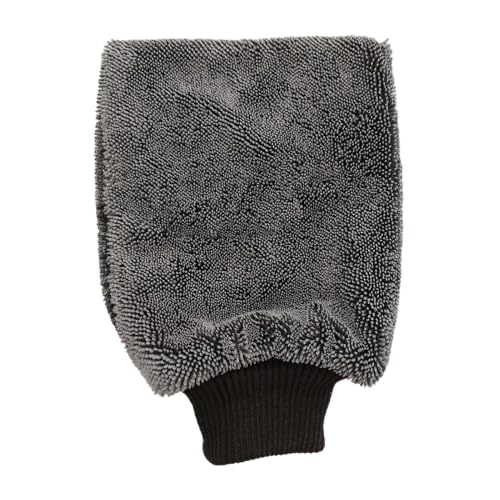
Proper care starts with understanding what makes car wash towels different from regular towels. Most of these towels are made from microfiber, a material designed to be gentle on your car’s surface while soaking up water and dirt. But microfiber is also a magnet for debris, so washing them the right way is key to keeping them effective. For a full rundown of everything else that goes into a proper wash, see our complete car detailing guide.
Choosing the Right Detergent for Microfiber Towels
When I wash my car wash towels, I’m picky about the detergent I use. Not all detergents are created equal, especially for microfiber. Harsh detergents with fragrances or fabric softeners can clog the fibers, making them less absorbent. I learned this the hard way when my towels started feeling stiff and waxy after a few washes.
Look for a mild, liquid detergent that’s free of dyes, perfumes, and softeners. I use a detergent specifically made for microfiber, but a gentle, free-and-clear laundry detergent works too. Avoid powder detergents—they can leave residue that sticks to the fibers. If you’re unsure, check the label for a low-sudsing formula, as too many suds can be tough to rinse out. This is different from what you’d reach for on the car’s paint itself — see our guide on what soap to use to wash a car if you’re stocking up on both at once.
Here’s a quick table to help you choose the right detergent:
| Detergent Type | Suitable for Microfiber? | Why? |
|---|---|---|
| Microfiber-specific | Yes | Designed to clean without clogging fibers |
| Free-and-clear liquid | Yes | Gentle, no dyes or perfumes |
| Regular scented liquid | No | Contains additives that reduce absorbency |
| Powder detergent | No | Leaves residue that’s hard to rinse out |
| Fabric softener | No | Coats fibers, making them less effective |
📊 A dedicated microfiber detergent only needs about 1–3 capfuls (roughly 1–2 oz) per small-to-medium load — far less than a standard laundry-detergent cap measure. Using more just leaves residue that stiffens the fibers. — Source: Chemical Guys, Microfiber Towel Cleaning Guide
Pro tip: I always keep a bottle of microfiber detergent in my garage for wash days. It’s a game-changer!
Best Microfiber Detergent Pick
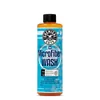
Chemical Guys Microfiber Wash & Towel Detergent (16 oz)
Purpose-built to strip wax, grease, and grime from microfiber without the dyes or softeners that clog fibers.
- Best for: anyone who washes detailing towels regularly and wants a formula matched to microfiber, not generic laundry soap
- Why we picked it: free of the fragrances, dyes, and softening agents this guide’s own detergent table flags as unsafe for microfiber
- Main drawback: pricier per load than a free-and-clear grocery-store detergent
Compare more towel-care options
 Option 1 OTraki 2-Pack Mesh Laundry Bags (16×20 in)
|
 Option 2 P&S Rags to Riches Microfiber Detergent
|
 Option 3 Chemical Guys Workhorse Towels (3-Pack)
|
As an Amazon Associate we earn from qualifying purchases.
Sorting Your Car Wash Towels
One of the first things I do before washing is sort my car wash towels. I used to mix them with my household laundry, but that was a disaster. Towels used for waxing or polishing often have residue that can transfer to other clothes, and lint from cotton towels can stick to microfiber, ruining its texture.
I separate my towels into three piles:
- General washing towels: These are used for soapy water or drying.
- Polishing towels: These have wax, sealant, or polish residue and need extra care.
- Heavy-duty towels: These are for wheels, tires, or greasy engine parts.
Sorting keeps your towels in great condition and prevents cross-contamination. For example, I once washed a wheel-cleaning towel with my drying towels, and the grease spread, leaving my car streaky. Lesson learned!
Pre-Treating Stains and Residue
Some car wash towels come out of a detailing session looking rough—grease, tar, or wax stains are common culprits. Before tossing them in the wash, I pre-treat them to loosen the grime. I fill a bucket with warm water and a splash of white vinegar (about 1/4 cup per gallon of water). Then, I let the towels soak for 15-20 minutes. Vinegar is amazing for breaking down wax and grease without damaging the microfiber. If the residue is from wax on the car’s paint itself rather than the towel, our guide on removing wax from a car without ruining the paint covers that separately.
For stubborn stains, I dab a bit of mild detergent directly onto the spot and gently rub it with my fingers. Don’t scrub too hard—you don’t want to damage the fibers. After pre-treating, I rinse the towels thoroughly to remove any loose dirt before they go into the washing machine.
Washing Machine Settings for Car Wash Towels
Now, let’s talk about the actual washing process. I’ve found that the right machine settings make all the difference. Here’s how I set up my wash:
- Cycle: Use a gentle or delicate cycle to avoid stressing the fibers.
- Water temperature: Warm water (around 90°F to 104°F, or 32°C to 40°C) works best to clean without shrinking the microfiber. Avoid hot water—it can damage the fibers over time.
- Spin speed: Low or medium spin to prevent fraying.
- Load size: Don’t overload the machine. I wash about 10-15 towels at a time to give them room to move.
📊 Commercial car-wash operators are advised to machine-wash microfiber at around 104°F (40°C) — hot enough to break down wax and road film without shrinking or melting the synthetic fibers. — Source: National Carwash Solutions, How to Wash Microfiber Towels
I also add about 1/4 to 1/2 cup of mild detergent, depending on the load size — though as the data point above shows, most microfiber-specific detergents are concentrated enough that a much smaller amount (closer to 1-3 capfuls) gets the job done without leaving residue. Too much detergent can leave residue, so less is more. If your towels are extra dirty, consider running a pre-wash cycle with just water to loosen debris.
One thing I never do? Mix car wash towels with other laundry. As I mentioned earlier, lint from cotton clothes can stick to microfiber, and that’s a nightmare to deal with.
To Use Fabric Softener or Not?
Let me be clear: fabric softener is the enemy of car wash towels. I made this mistake once, thinking it would make my towels softer. Instead, it coated the fibers, making them repel water instead of absorbing it. Fabric softeners leave a waxy residue that reduces the towel’s ability to pick up dirt and water. If you want soft, effective towels, skip the softener entirely.
“I made this mistake once, thinking fabric softener would make my towels softer. Instead it coated the fibers so badly they started repelling water instead of absorbing it — a full re-wash with vinegar was the only fix that brought them back.”
If your towels feel stiff after washing, it’s likely because of detergent buildup. I fix this by running an extra rinse cycle with a cup of white vinegar in the rinse compartment. It strips away residue and leaves the towels feeling like new.
Drying Your Car Wash Towels
Drying is where a lot of people go wrong. I used to toss my car wash towels in the dryer on high heat, thinking it would speed things up. Bad idea. High heat can melt or damage microfiber, reducing its lifespan. Now, I follow these steps:
- Air dry when possible: I hang my towels on a clothesline in the sun. Fresh air keeps them soft and odor-free.
- Low-heat tumble dry: If I’m in a rush, I use the lowest heat setting on my dryer (often called “air fluff” or “delicate”). I also toss in a few clean tennis balls to help fluff the towels.
- No dryer sheets: Like fabric softener, dryer sheets can coat the fibers and reduce absorbency.
Check your towels after drying. If they feel stiff or crunchy, it’s a sign of residue. Run them through another wash with vinegar to fix it.
Should You Wash Microfiber Towels in a Mesh Laundry Bag?
A mesh laundry bag isn’t required, but it helps — especially for towels used on wheels, tires, or wax pads. Zipping a batch into a mesh bag keeps them from wrapping around the agitator or drum paddles, which is where the worst fraying and snagged loops happen. It also stops the roughest, most heavily soiled towels from directly touching the drum walls other loads share.
The one thing to watch: don’t overstuff the bag. Towels still need room to move for the detergent and water to actually reach every fiber — a bag packed tight just holds soiled towels against each other instead of cleaning them. I use one bag per pile (general, polishing, heavy-duty) rather than cramming everything into a single bag.
Storing Your Clean Towels
Once my car wash towels are clean and dry, I store them properly to keep them ready for action. I use a clean, dry plastic bin with a lid to protect them from dust and garage grime. I also make sure they’re completely dry before storing to prevent mildew. Nobody wants a musty towel ruining their next car wash!
I organize my towels by type—drying, polishing, and heavy-duty—so I can grab what I need quickly. If you have limited space, vacuum-sealed bags work well too, but make sure the towels are bone-dry first.
How Often Should You Wash Car Wash Towels?
I wash my car wash towels after every use. It might sound like overkill, but even a single wash can leave behind dirt or wax that can scratch your car’s paint. If I’m doing a quick wash and the towels aren’t too dirty, I might rinse them thoroughly by hand and let them air dry for a light reuse. But for polishing or wheel-cleaning towels, they go straight to the wash. This is a separate question from how often you should wash the car itself — towels get dirtier per use since they’re doing the actual scrubbing.
If you detail cars regularly, consider keeping a large stock of towels so you’re never stuck using a dirty one. I have about 30 microfiber towels in rotation, and it’s a lifesaver during big detailing projects.
Reviving Old or Damaged Towels
Over time, even the best car wash towels can lose their magic. If your towels feel stiff or aren’t absorbing well, don’t toss them yet! I’ve revived many towels with a deep-cleaning method. Here’s what I do:
- Soak the towels in a bucket of warm water with 1/2 cup of white vinegar and 1/4 cup of baking soda for an hour.
- Run them through a wash cycle with a mild detergent and an extra rinse.
- Air dry or tumble dry on low heat.
This process strips away built-up residue and brings back the softness. If the towels are still underperforming after two or three revival attempts, that’s usually the fiber structure itself breaking down rather than residue — at that point it’s time to retire them to non-car tasks like scrubbing the garage floor and replace them, rather than keep pouring vinegar and detergent into a towel that won’t bounce back.
My Go-To Tips for Keeping Towels in Top Shape
After years of trial and error, I’ve picked up a few tricks that make washing car wash towels easier:
- Shake them out: Before washing, shake your towels outside to remove loose dirt and debris.
- Use a lint roller: If lint gets on your towels, a quick pass with a lint roller can save them.
- Wash regularly: Don’t let dirty towels pile up. The longer they sit, the harder it is to remove stains.
- Invest in quality: High-quality microfiber towels last longer and perform better. Look for towels with a high GSM (grams per square meter) for better absorbency.
Conclusion
Washing car wash towels might seem like a small detail, but it’s a game-changer for keeping your car looking its best. The routine that actually works comes down to a few non-negotiables: a mild, free-and-clear detergent in the right amount, warm — not hot — water, zero fabric softener, and low-heat or air drying. Get those right and clean towels mean a cleaner car, fewer scratches, and a much longer life out of every towel you own. For the rest of your detailing kit, our DIY car care guides cover everything else that goes into keeping a car looking new.
FAQs
How often should I wash my car wash towels?
You should wash your car wash towels after every use to prevent dirt or wax from scratching your car’s paint. For light use, a thorough rinse and air dry might work, but always wash towels used for waxing or wheels.
Can I use regular detergent for microfiber towels?
Regular detergent can work, but it’s best to use a mild, liquid detergent without dyes or perfumes. Harsh detergents can clog microfiber, making it less effective.
Is it okay to dry car wash towels in a dryer?
Yes, but use a low-heat or air-fluff setting to avoid damaging the fibers. Air drying is even better to keep your car wash towels soft and absorbent.
How do I remove wax from car wash towels?
Soak the towels in warm water with a splash of white vinegar for 15-20 minutes before washing. This helps break down wax and grease for a thorough clean.
Can I wash car wash towels with other laundry?
It’s best to wash car wash towels separately to avoid lint from cotton clothes or residue transfer. Sorting them by use (drying, polishing, wheels) also helps keep them in top shape.
Why do my microfiber car wash towels smell sour?
A sour smell almost always means bacteria growing in trapped moisture, usually made worse by detergent buildup or fabric softener clogging the fibers. Fix it by washing with a small amount of mild detergent plus a cup of white vinegar in the rinse, then make sure the towels are fully dry — not just damp — before you store them.
How much detergent should I use for microfiber towels?
Use about 1-3 capfuls (roughly 1-2 oz) of a microfiber-specific detergent for a small-to-medium load — considerably less than a regular laundry-detergent cap measure. Using too much is one of the most common causes of stiff, residue-coated towels.
Products related to this article
Sponsored / affiliate links. As an Amazon Associate I earn from qualifying purchases. I may earn additional commission from eligible campaigns.