How to Remove Sprinkler Water Spots From a Car (Without Damage)
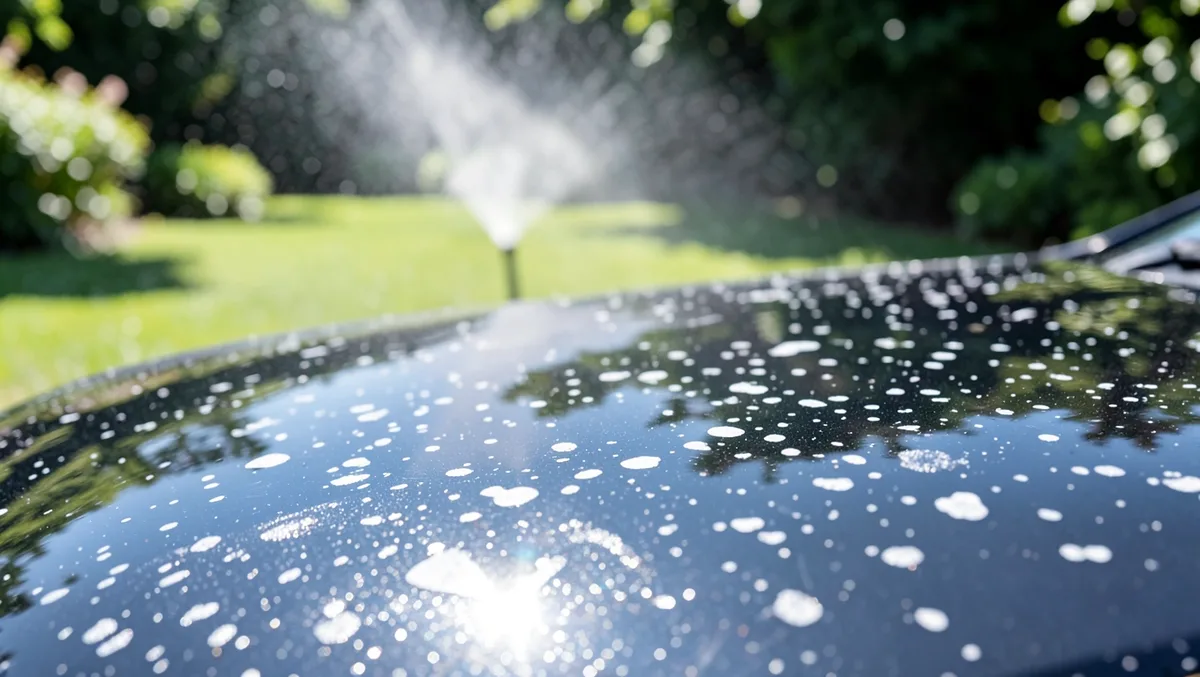
Sprinkler water spots are mineral deposits, mostly calcium and magnesium, left behind when hard water evaporates off your car’s paint, glass, or chrome. Most fresh spots lift with a 1:1 mix of white vinegar and water wiped on with a microfiber cloth, but spots left in the sun for several days can etch into the clear coat and need polishing instead of just cleaning. This guide covers the full removal process by surface type, a 30-second test to tell a surface spot from real etching, and how to stop sprinklers from hitting your car in the first place.
Understanding Sprinkler Water Spots
BEST FOR HARD WATER SPOT REMOVAL
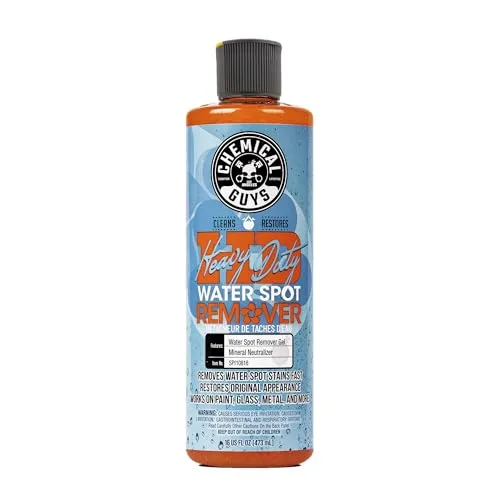 |
Chemical Guys Heavy Duty Water Spot Remover Gel (16 oz) – $19.97 This gel-based remover dissolves the calcium and magnesium deposits sprinklers leave behind, without the repeated scrubbing a vinegar rinse alone sometimes needs.
|
Once they’ve dried, sprinkler spots don’t rinse away with a garden hose the way fresh dirt does, because the minerals have already bonded to the surface. I found that out the hard way after parking near a neighbor’s lawn sprinkler for a week; a quick blast from the hose barely touched them.
These spots aren’t just a cosmetic issue. If left untreated, they can etch into your car’s clear coat, causing permanent damage. The longer they sit, the harder they are to remove. That’s why it pays to tackle them as soon as you spot them. Knowing what you’re dealing with is half the battle, so let’s talk about why these spots form before getting into how to remove them.
Why Sprinkler Water Spots Are Tricky
You might wonder why sprinkler water spots are tougher than regular watermarks. It’s all about the water’s mineral content. Sprinkler systems often draw on hard water, which is loaded with minerals. When that water dries on your car, it leaves behind tiny mineral deposits that bond to the surface. Unlike rainwater, which might just leave a light film, sprinkler water can be relentless.
Spots that sit for a week in direct sun bake into the paint, and what started as a quick fix can turn into a weekend project. The type of surface matters too: glass, paint, and chrome all react differently to these spots. Glass is more forgiving, but paint and chrome can suffer if you don’t act fast. Before you grab any tools, here’s a quick way to tell whether you’re dealing with a surface deposit or spots that have already etched into the clear coat.
Surface Spot or Etched Damage? How to Tell Before You Treat It
Not every white spot needs the same fix, and treating an etched spot like a surface deposit just wastes time. Surface spots look sharp-edged and fairly uniform, and they usually disappear the moment you mist them with water or glass cleaner and wipe. Etched spots look hazy, cloudy, or ghost-like with an irregular shape, and they stay put even after a wet wipe-down because the minerals have actually eaten into the clear coat.
The fastest way to tell them apart is the fingernail test: run a fingernail or the edge of a plastic bag lightly over the mark. If it feels smooth but the spot is still visible, you’re looking at etching, and a chemical cleaner alone won’t fix it, you’ll need to move to polishing (Step 5 below). If it feels rough or slightly gritty, it’s a surface deposit, and vinegar, a dedicated water spot remover, or a clay bar will lift it without any polishing at all.
Tools and Supplies You’ll Need
Before you start scrubbing, gather the right tools. Having everything ready makes the process so much smoother. Here’s what to keep on hand for dealing with water spots:
| Item | Purpose |
|---|---|
| Microfiber cloths | Soft, non-abrasive cloths for wiping without scratching your car’s surface. |
| White vinegar | Breaks down mineral deposits effectively and is safe for most car surfaces when diluted. |
| Car wash soap | Cleans the car and prepares the surface for spot removal. |
| Spray bottle | For applying diluted vinegar or water evenly. |
| Bucket | For mixing soap and water during washing. |
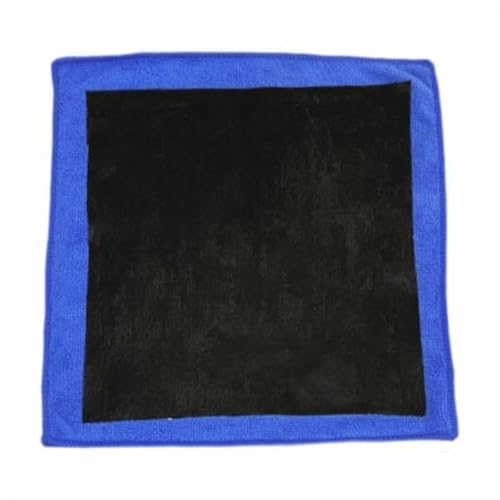
| Clay bar | Removes bonded contaminants that vinegar alone can’t handle. |
| Polishing compound | For stubborn spots that have etched into the paint. |
| Wax or sealant | Protects your car after cleaning to prevent future spots. |
| Hose or pressure washer | For rinsing the car thoroughly. |
| Glass cleaner | Specifically for tackling water spots on windows. |
Keep these items handy, since you never know when a sprinkler will sneak up on your car. Most of these are affordable and easy to find at auto stores or online. Now, let’s get to the step-by-step process of removing those spots.
Step-by-Step Guide to Removing Sprinkler Water Spots
This process works well and won’t harm your car if done carefully. Follow these steps, and your car will be spot-free in no time.
Step 1: Rinse the Car Thoroughly
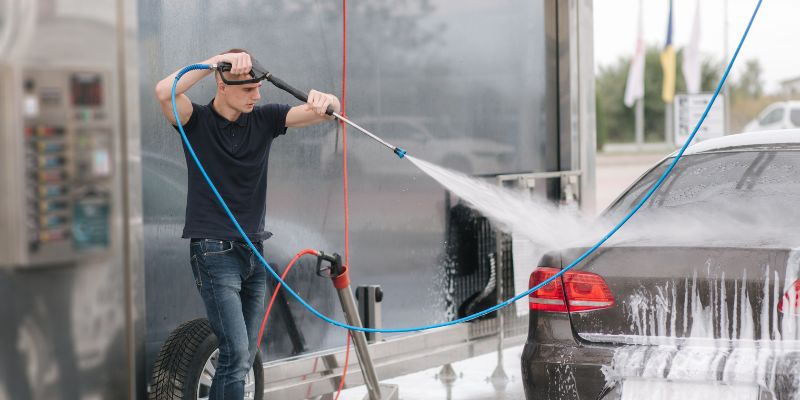
Start by giving your car a good rinse. A hose with a spray nozzle blasts away loose dirt and debris. This step is crucial because you don’t want to rub dirt into the paint while cleaning the spots. If you have a pressure washer, even better, just keep it on a low setting to avoid damaging the paint. Rinse the entire car, focusing on areas with visible water spots.
Step 2: Wash with Car Soap
Next, wash your car with a quality car wash soap. Mix the soap in a bucket with water and use a microfiber mitt to clean the surface. This removes any remaining dirt and loosens the water spots a bit. Pay extra attention to the spotted areas, but don’t scrub too hard yet. Rinse thoroughly and dry with a microfiber towel to prevent new water spots from forming.
Step 3: Use White Vinegar for Mild Spots
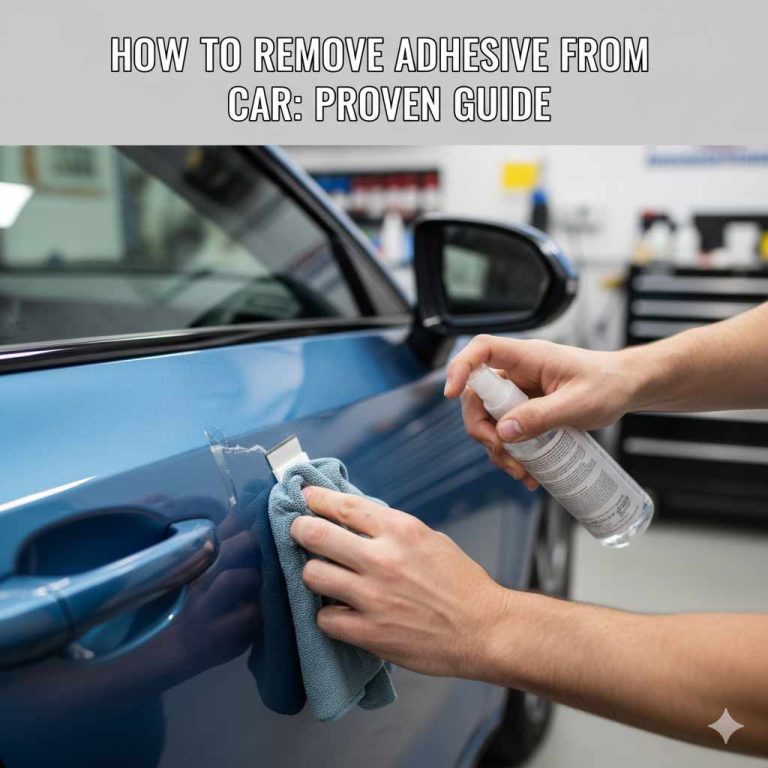
White vinegar is the go-to fix for most sprinkler water spots because it’s cheap and dissolves mineral deposits fast. Mix it 1:1 with distilled water rather than using it straight; full-strength vinegar sits more aggressively on paint and can dull wax or a ceramic coating faster than it needs to. Pour the mix into a spray bottle, mist it over the affected areas, and let it sit for 5 to 10 minutes to break down the minerals, then wipe gently with a microfiber cloth. For glass surfaces, this usually does the trick right away. On paint, you might need to repeat the process a couple of times, and you should never let the mixture sit for more than about 10 minutes on bare paint or a ceramic coating.
Step 4: Try a Clay Bar for Stubborn Spots
If vinegar doesn’t fully remove the spots, a clay bar is your next best friend. Spray a lubricant, like a quick detailer or soapy water, on the area, then gently rub the clay bar over the spots. It picks up bonded contaminants that vinegar can’t touch. Work in small sections and be patient. You’ll feel the surface getting smoother as the spots disappear.
Step 5: Polish for Etched Spots
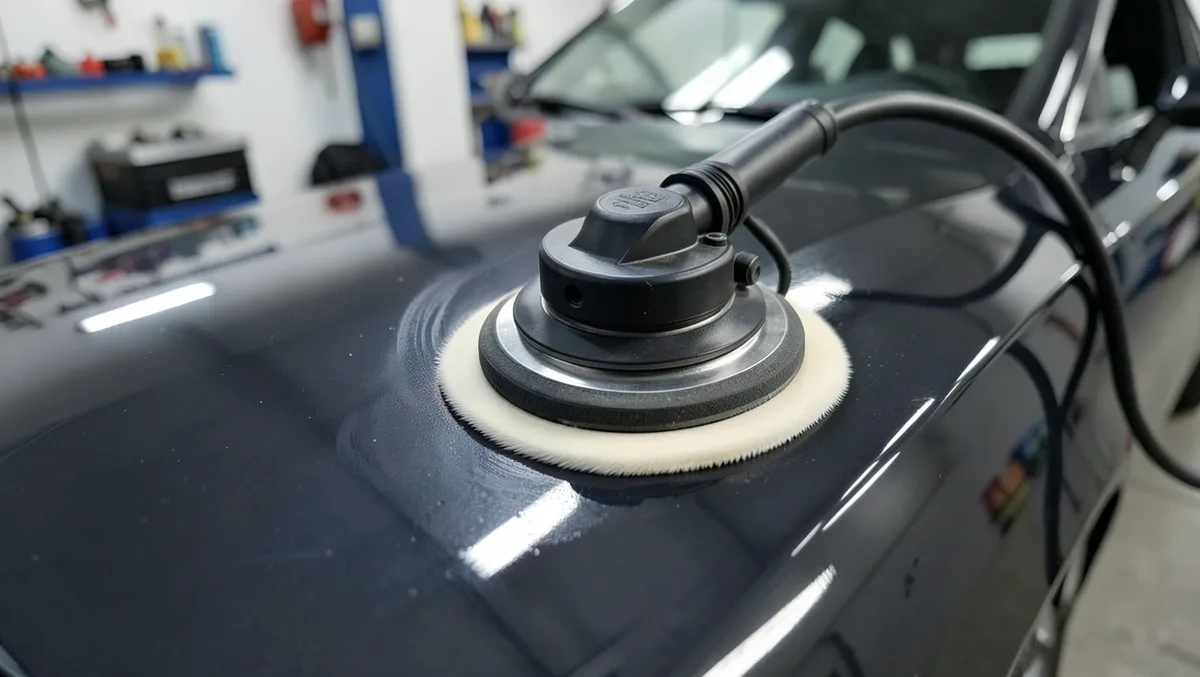
Sometimes water spots etch into the paint, leaving faint marks even after cleaning, especially after a particularly hot week. A mild polishing compound can help here. Apply a small amount to a microfiber applicator pad and work it into the affected area in circular motions. Don’t overdo it, too much polishing can wear down your clear coat. Wipe off the residue and check your progress. This step usually restores the shine.
Step 6: Wax or Seal Your Car
After removing the spots, protect your car with a layer of wax or sealant. Wax creates a barrier that makes it harder for minerals to stick. Apply it with a foam applicator pad, let it haze, and buff it off with a clean microfiber cloth. Your car will not only look great but also stay protected longer.
Tackling Water Spots on Different Surfaces
Not all car surfaces are the same, and each one requires a slightly different approach. Here’s how to handle water spots on various parts of your car.
Paint
Car paint is the trickiest surface because it’s prone to etching. Start with diluted vinegar and move to a clay bar if needed. For older spots, polishing is a must, but be gentle to avoid damaging the clear coat. Over-polishing one spot can leave a dull patch that’s harder to fix than the original water mark.
Glass
Glass is more forgiving. Vinegar usually removes spots easily, followed by a good glass cleaner for a streak-free finish. Use a dedicated glass microfiber cloth to avoid lint, and if the spots are stubborn, a little elbow grease with the clay bar works wonders. If your water spots are limited to the windows and windshield, our dedicated guide to water spots on car windows covers glass-specific tricks in more depth.
Chrome
Chrome surfaces, like trim or wheels, can show water spots prominently. Vinegar works well here too, but avoid abrasive tools like clay bars on chrome to prevent scratches. After cleaning, apply a chrome polish to restore the shine.
Preventing Sprinkler Water Spots
Prevention is easier than removal. After dealing with water spots multiple times, a few changes keep them at bay. Here are the top tips:
- Park Strategically: Avoid parking near sprinklers, especially during watering hours. If you can’t avoid it, try to move your car before the water dries.
- Use a Car Cover: A breathable car cover is a lifesaver if you park in a sprinkler-heavy area.
- Regular Waxing: Waxing every few months creates a protective layer, and cars waxed regularly tend to shed fewer spots over time.
- Rinse Immediately: If your car gets hit by a sprinkler, rinse it off as soon as possible. The sooner you act, the less likely the spots will set.
- Install a Water Softener: If you have sprinklers at home, consider a water softener for your irrigation system. It reduces mineral content, which means fewer spots.
Common Mistakes to Avoid
A few mistakes come up again and again when people try to remove water spots. Don’t use abrasive sponges or household cleaners, they can scratch your paint or strip wax. Avoid letting vinegar sit too long on chrome, it can dull the finish. And never skip drying your car after rinsing, new water spots can form if you let it air dry. Lastly, don’t ignore the spots and assume they’ll go away on their own. They won’t, and they’ll only get worse.
When to Call a Professional
Most water spots can be handled at home, but sometimes you need a pro. If the spots have deeply etched into the paint, or if you’re not confident using a clay bar or polisher, take your car to a detailer. A professional detailer using a machine polisher can restore heavily etched paint that a fingernail test confirms is beyond a simple cleaning. Expect to pay roughly $100 or more for this kind of correction work, depending on how much of the car needs attention.
Conclusion
Dealing with sprinkler water spots on your car can feel like a chore, but with the right tools and techniques, it’s manageable. By rinsing, washing, using diluted vinegar, clay bars, and polishing when needed, you can restore your car’s shine and keep it protected. A little prevention goes a long way too: park smart, wax regularly, and rinse quickly to avoid future headaches.
Frequently Asked Questions
Can I Use Household Vinegar to Remove Water Spots?
Yes, household white vinegar works well. Mix it 1:1 with distilled water in a spray bottle, mist it over the spot, and let it sit for 5 to 10 minutes before wiping it off with a microfiber cloth. It is safe for paint and glass, but do not let it sit too long on chrome, and never leave the mixture on bare paint or a ceramic coating for more than about 10 minutes.
How Often Should I Wax My Car to Prevent Water Spots?
Waxing every three to four months creates a protective layer that makes it harder for mineral deposits to bond to your paint. If you live in a hard water area or park near sprinklers often, waxing every six to eight weeks gives better protection.
Will Water Spots Damage My Car Permanently?
If you act quickly, most water spots will not cause permanent damage. But if they sit for too long, especially in direct sun, the minerals can etch into the clear coat. Once a spot has etched, cleaning alone will not remove it and the area needs polishing.
Can I Use a Clay Bar on Glass?
Absolutely. A clay bar works well on windows when vinegar alone is not enough. Use plenty of lubricant to avoid scratches, and it will leave the glass smooth and spot-free.
Is It Safe to Use a Pressure Washer on My Car?
Yes, but use a low-pressure setting. High pressure held too close to the paint can chip it or force water into seals and trim. Stick to a gentle, wide spray to rinse off dirt without harming the finish.
How Can I Tell if a Water Spot Has Etched My Car’s Paint?
Run a fingernail or the edge of a plastic bag lightly over the mark. If it feels smooth but the spot is still visible, the minerals have likely etched into the clear coat and you will need to polish the area rather than just clean it. If it feels rough or slightly gritty, it is a surface deposit that vinegar, a water spot remover, or a clay bar can lift without any polishing.
Products related to this article
Sponsored / affiliate links. As an Amazon Associate I earn from qualifying purchases. I may earn additional commission from eligible campaigns.