How to Make Your Car Air Conditioner Colder
Hey there! Picture this: it’s a scorching summer day, you’re stuck in traffic, and your car’s air conditioner is blowing lukewarm air. Frustrating, right? I’ve been there, sweating in my old Honda Civic, wishing for an icy blast to cool me down. As a car enthusiast who’s spent years tinkering with vehicles and battling the heat, I’ve learned a ton about making a car’s air conditioner colder. Whether you drive a beat-up sedan or a fancy SUV, a chilly AC can make all the difference. So, let’s sit down and chat about how to make your car air conditioner colder. I’ll share my personal tips, tricks, and experiences to help you stay cool on the road, no matter how hot it gets. Ready to turn your car into a frosty oasis? Let’s dive in!
Understanding How Your Car’s Air Conditioner Works
Before we get to the fixes, let’s talk about how your car’s AC works. I didn’t know much about this until I started digging into my Civic’s weak AC. The system uses a refrigerant, a compressor, a condenser, an evaporator, and an expansion valve. The compressor pumps the refrigerant, which absorbs heat from inside the car and releases it outside. The evaporator cools the air, and the blower fan pushes it through the vents.
If any part isn’t working right, your AC won’t blow cold. I learned this when my compressor clutch started acting up, making the air barely cool. Knowing the basics helps you figure out what’s wrong and how to fix it. Don’t worry if this sounds technical—I’ll keep it simple as we go through the steps.
Checking for Simple Fixes First
Sometimes, the problem is an easy fix. I always start with the basics before diving into bigger repairs. Here’s what I check:

Adjust the AC Settings
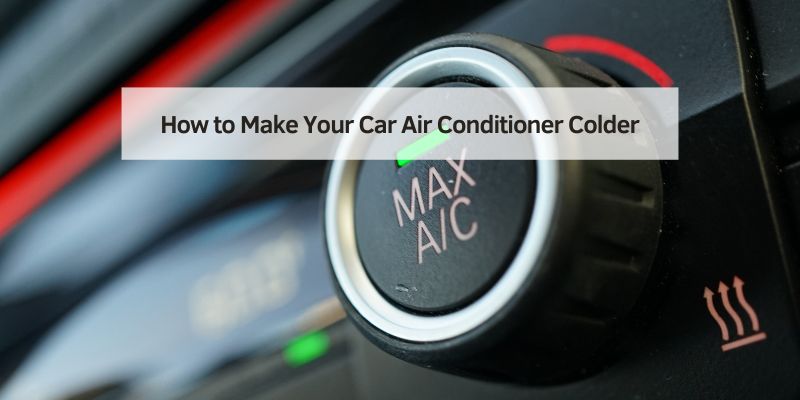
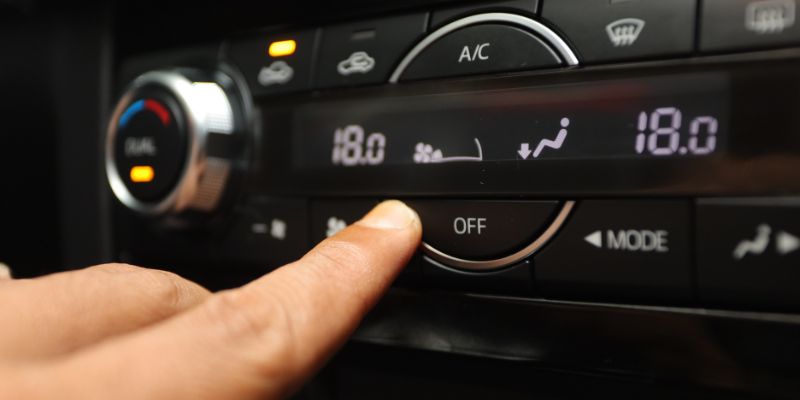
Make sure your AC is set to max cool with the fan on high. I once thought my AC was broken, but I’d accidentally left it on low. Also, turn off the recirculation mode if it’s been on for a while—fresh air can help the system work better. I keep my vents pointed at my face and chest for instant relief.
Clear the Vents
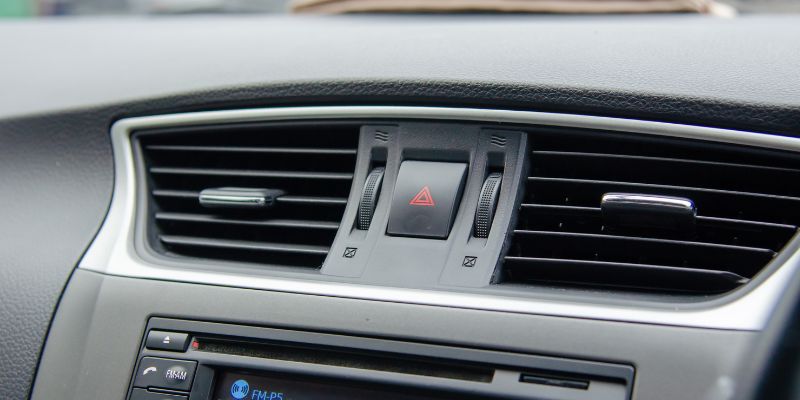
Blocked vents can weaken airflow. I found a pile of dust and pet hair clogging my Civic’s vents once. Use a soft brush or compressed air to clean them. I bought a $5 can of compressed air from an auto store, and it made a big difference in airflow.
Check the Cabin Air Filter
A dirty cabin air filter can choke your AC. I check mine every 12,000 miles or once a year. It’s usually behind the glovebox—pop it out and hold it to the light. If it’s gray or clogged, replace it. I paid $15 for a new filter, and my AC blew colder right away.
Inspecting the Refrigerant Level
Low refrigerant is a common reason for weak AC. I learned this when my Civic’s air went from cold to lukewarm overnight. Refrigerant can leak over time, reducing cooling power. Here’s how I handle it:
Look for Signs of Low Refrigerant
If your AC blows cool but not cold air, or takes forever to cool down, it might be low on refrigerant. I noticed my car’s AC cycled on and off rapidly, which was a clue. You might also see oily residue near AC lines, a sign of a leak.
Using a Recharge Kit
I bought a $30 AC recharge kit from AutoZone to top off my refrigerant. It comes with a can of R-134a (the most common refrigerant) and a pressure gauge. Follow the instructions carefully—connect the hose to the low-pressure port (check your manual for its location), and add refrigerant while the AC is running. I did this in my driveway, and it took 10 minutes. Don’t overfill; it can damage the system.
Watch for Leaks
After recharging, I check if the AC stays cold for a few weeks. If it warms up again, there’s a leak. I had a small leak in my condenser once, which a mechanic fixed for $200. If you suspect a leak, add a UV dye (included in some kits) to find it with a blacklight.
Maintaining the AC Compressor
The compressor is the heart of your AC system. I had a compressor clutch fail on my old Ford, and the AC stopped blowing cold entirely. Here’s how I keep it in check:
Listen for Noises
A healthy compressor makes a soft hum when the AC is on. If you hear grinding or rattling, like I did with my Ford, the compressor might be failing. I turn on the AC and listen under the hood to catch issues early.
Check the Clutch
The compressor clutch engages when the AC turns on. I had a friend rev the engine while I watched the clutch—it should spin with the belt. If it doesn’t, the clutch or compressor might need repair. My Ford’s clutch replacement cost $150 at a shop.
Keep the Belt Tight
The compressor runs off a serpentine belt. I check mine for cracks or looseness every oil change. A loose belt can weaken the compressor’s performance. I paid $50 to replace a worn belt, and my AC got colder instantly.
Cleaning the Condenser and Evaporator
The condenser and evaporator are key to cooling. I didn’t realize how dirty they could get until I peeked under my hood. Here’s how I clean them:
Inspect the Condenser
The condenser sits in front of the radiator and can get clogged with bugs, dirt, or leaves. I found a layer of grime on my Civic’s condenser after a road trip. Use a garden hose on low pressure to rinse it from behind, pushing debris out. I do this every spring, and it keeps the air cold.
Clean the Evaporator
The evaporator is harder to reach, usually under the dashboard. A clogged evaporator can reduce cooling and cause musty odors. I use a $10 evaporator cleaner spray from an auto store. Insert the nozzle into the AC drain tube (check your manual) and spray it in. It foams up and clears out gunk. My car smelled fresher, and the AC felt colder after this.
Insulating Your Car’s Interior
A cooler car interior helps your AC work less. I’ve picked up a few tricks to keep the heat out:
Use Window Tinting
I had my Civic’s windows tinted for $200, and it cut down on heat big time. Tinting blocks UV rays, keeping the cabin cooler. Check local laws—some states limit how dark you can go.
Add a Sunshade
A windshield sunshade is a cheap fix. I bought a $15 foldable one that fits my windshield perfectly. It keeps my steering wheel and seats from getting scalding hot, so the AC cools faster.
Park in the Shade
Whenever possible, I park under a tree or in a garage. My car stays 10-20 degrees cooler, and the AC doesn’t have to work as hard. If shade isn’t an option, I crack the windows slightly to let hot air escape.
Driving Habits to Boost AC Performance
How you drive can affect your AC. I’ve learned a few habits that make a difference:
‘Roll Down Windows First
On a hot day, I roll down the windows and drive for a minute to push out hot air. This helps the AC cool the car faster. I did this on a 90-degree day, and my cabin felt chilly in half the time.
Use Recirculation Mode
I switch to recirculation mode after the car cools down. It reuses the cold air inside, making the AC more efficient. I noticed my Civic’s AC got colder when I started doing this regularly.
Avoid Idling Too Long
Idling in traffic can weaken AC performance. I try to park and turn off the engine if I’m stopped for more than a minute. It saves gas and keeps the AC strong when I’m back on the road.
Regular AC Maintenance Tips
Preventive maintenance is key to a cold AC. I’ve built a routine to keep my system in top shape:
- Run the AC Weekly: Even in winter, I run the AC for 10 minutes a week. It keeps the seals lubricated and prevents leaks. I forgot to do this once, and my refrigerant leaked out.
- Check for Leaks Annually: I have a mechanic inspect my AC system every year during my oil change. It costs $50 but catches issues early.
- Replace the Cabin Filter Regularly: A new filter every 12,000 miles keeps airflow strong. I mark my calendar to stay on track.
- Clean the System: I spray evaporator cleaner every 6 months and rinse the condenser yearly. It’s quick and keeps the air cold and fresh.
Here’s a table of maintenance tasks I follow:
| Task | Frequency | Cost (Approx.) |
|---|---|---|
| Replace Cabin Air Filter | Every 12,000 miles | $15-$30 |
| Clean Condenser | Yearly | Free (DIY) |
| Spray Evaporator Cleaner | Every 6 months | $10-$15 |
| Professional AC Check | Yearly | $50-$100 |
When to Call a Professional
Sometimes, DIY fixes aren’t enough. I’ve had to call a mechanic a few times when my AC problems were beyond my skills. Here’s when I get help:
- Persistent Warm Air: If recharging doesn’t help, there might be a major leak or compressor issue. My Ford’s compressor needed a $400 repair after recharging failed.
- Strange Noises: Grinding or squealing from the AC means trouble. I had a shop fix a noisy compressor clutch for $150.
- Electrical Issues: If the AC doesn’t turn on at all, it could be a blown fuse or wiring problem. A mechanic diagnosed my Civic’s fuse issue for $75.
A professional AC service costs $100-$500, depending on the issue. I always get a quote first to avoid surprises.
My Personal Experience with Car AC
I’ll never forget the summer my Civic’s AC went from cold to hot in a week. I was miserable driving to work, sweating through my shirt. I started with the basics—checked the vents, replaced the cabin filter, and recharged the refrigerant. It helped, but the air wasn’t icy. A mechanic found a small leak in the condenser, which he fixed for $200. After that, I got serious about maintenance, cleaning the condenser and using a sunshade religiously. Now, my AC blows cold even on 100-degree days, and I feel like I’ve cracked the code.
Another time, my friend’s SUV had a musty AC smell. I suggested evaporator cleaner, and it worked like magic. These experiences taught me that a little effort goes a long way in keeping your AC chilly.
The Cost of Keeping Your AC Cold
Making your AC colder doesn’t have to break the bank. Here’s a breakdown of costs from my experience:
- Recharge kit: $30-$50
- Cabin air filter: $15-$30
- Evaporator cleaner: $10-$15
- Sunshade: $15-$30
- Window tinting: $100-$300
- Professional repair: $100-$500
I’ve spent about $300 total on AC fixes over the years, but regular maintenance keeps costs low. A $15 filter or $10 cleaner is way cheaper than a $400 compressor repair.
Why a Colder AC Matters
A cold AC isn’t just about comfort—it’s about safety. Driving in a hot car can make you drowsy or irritable, increasing accident risk. I felt this on a long drive when my AC was weak, and I had to pull over to cool off. A chilly cabin keeps you alert and makes driving enjoyable, especially with kids or pets in the car. Plus, a well-maintained AC saves gas, as the system runs more efficiently.
Troubleshooting Persistent AC Problems
If your AC still isn’t cold after trying these fixes, there might be a deeper issue. I’ve run into a few stubborn problems:
- Clogged Expansion Valve: This restricts refrigerant flow. A mechanic fixed mine for $200 when my AC stayed warm.
- Bad Blower Motor: If air barely comes out, the motor might be failing. I paid $150 to replace one in my Ford.
- Refrigerant Overfill: Too much refrigerant can reduce cooling. I had a shop drain and refill my system for $100 after I overfilled it.
If you’re stumped, a diagnostic at a shop costs $50-$100 and pinpoints the problem.
Environmental Considerations
Keeping your AC cold has an environmental impact. Refrigerant leaks contribute to greenhouse gases, so I always fix leaks promptly. I also use eco-friendly recharge kits with less harmful refrigerants when possible. Driving efficiently, like avoiding idling, reduces the AC’s workload and saves fuel. I’ve cut my gas use by parking in the shade and using a sunshade, which feels good for the planet.
Conclusion
Making your car air conditioner colder is totally doable, and trust me, it’s worth the effort. From my sweaty struggles with my Civic to my chilly drives now, I’ve learned that simple fixes—like checking the filter, recharging refrigerant, and cleaning the condenser—can transform your AC. Regular maintenance, smart driving habits, and a few bucks on tools like a sunshade or recharge kit keep your car frosty without breaking the bank. Whether you’re stuck in summer traffic or cruising on a road trip, a cold AC makes every drive safer and more enjoyable. So, grab that recharge kit, roll down those windows, and get ready to feel the chill. You’ve got this, and the cool road ahead is calling!
FAQs
Why is my car’s air conditioner not blowing cold air?
It could be low refrigerant, a dirty cabin filter, or a clogged condenser. I start by checking the filter and recharging the refrigerant.
Can I recharge my car’s AC myself?
Yes, with a $30-$50 recharge kit. Connect it to the low-pressure port and add R-134a while the AC runs. Follow the instructions to avoid overfilling.
How often should I replace my cabin air filter?
Every 12,000 miles or once a year. A dirty filter weakens airflow, making the AC less cold. I replace mine for $15.
What’s the cheapest way to make my AC colder?
Clean the vents, replace the cabin filter, and use a sunshade. These cost $15-$30 and boost cooling without major repairs.
How do I know if my AC has a leak?
If the AC gets warm again a few weeks after recharging, you likely have a leak. I use UV dye to find it or take it to a mechanic.
When should I call a mechanic for my AC?
If recharging, cleaning, or basic fixes don’t work, or you hear strange noises, get a professional. I paid $100 for a diagnostic when my compressor failed.