Do All Babies Have to Pass a Car Seat Test? Only Some Need It
No, not every baby has to pass a car seat test. Only infants born before 37 weeks, those under about 5.5 pounds, or babies with certain medical conditions are given this monitored hospital screening before discharge. Every baby still needs an approved, properly installed car seat to leave the hospital in all 50 states — the formal 90-to-120-minute test is a separate, narrower requirement on top of that. When my son was born six weeks early, the hospital ran this exact test on him, and I had no idea what to expect until a nurse walked me through it step by step. Here’s everything I learned, in plain language, along with what the research actually says.
What Is a Car Seat Test?
BEST FOR SMALL AND PREEMIE NEWBORNS
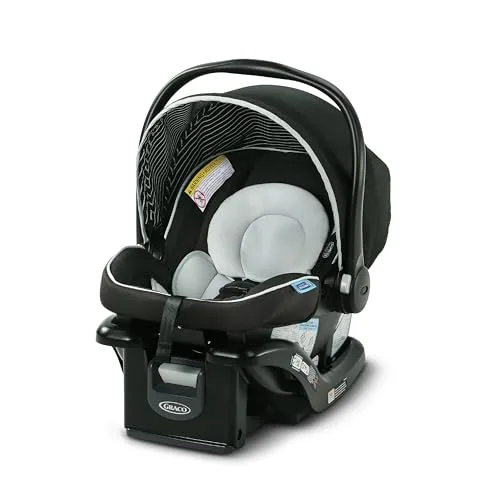 |
Graco SnugRide Lite LX Infant Car Seat – $139.99 Rated for babies as small as 4 pounds, which is the low-birth-weight range this test is designed to check.
|
A car seat test — also called the infant car seat challenge — checks whether a baby can sit safely in a car seat without their breathing or heart rate dropping. The American Academy of Pediatrics recommends it for every infant born before 37 weeks of gestation, since the semi-reclined position of a car seat (about 30-45 degrees) can be harder on a preterm baby’s airway than lying flat (HealthyChildren.org, AAP).
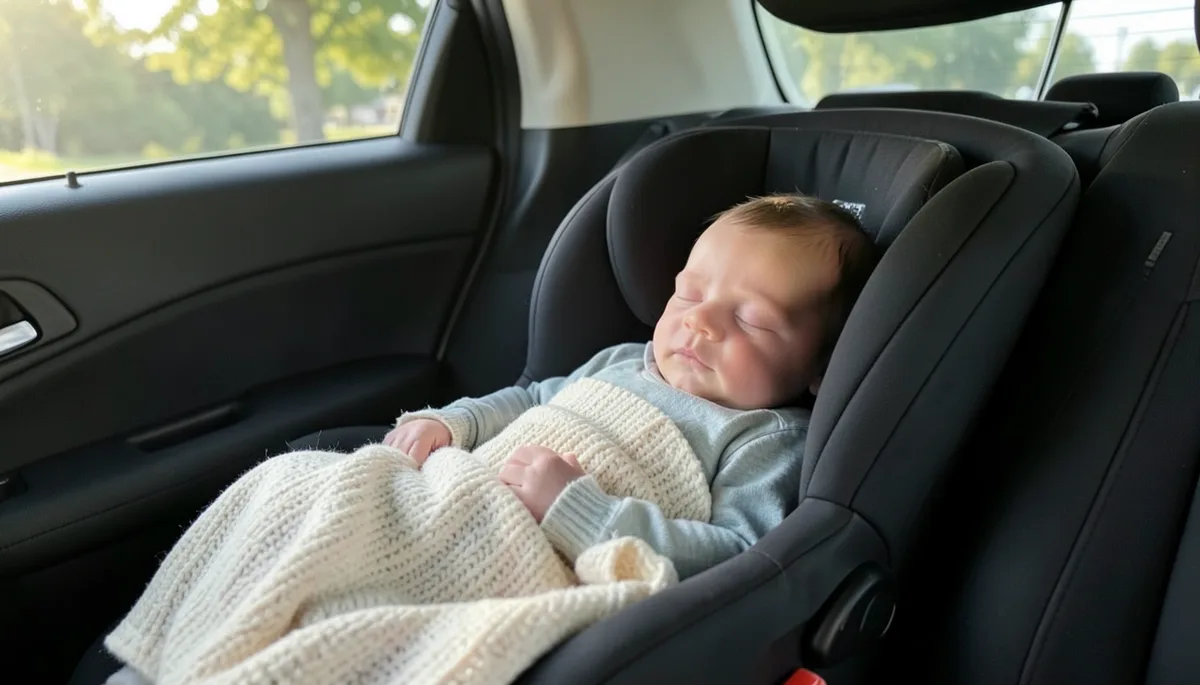
During the test, nurses buckle the baby into their own car seat and monitor their breathing, heart rate, and oxygen levels for 90-120 minutes, or as long as your drive home, whichever is longer. If their vitals stay normal, they pass. My son’s test took 90 minutes, and I was a nervous wreck, but the nurses were kind and explained everything as they went.
Why Does It Matter?
Car seats are a must for safe travel, but preterm babies or those with medical conditions like Down syndrome can have weaker airways. The semi-reclined position might make breathing trickier for them, so the test spots any issues before you hit the road. It gave me peace of mind knowing my son was ready for his first car ride.
Who Needs a Car Seat Test?
Do all babies have to pass a car seat test? No, not every baby needs it — only a specific group does. Here’s who typically gets tested:
- Preterm babies: Born before 37 weeks, as recommended by the AAP.
- Low birth weight babies: Usually under 5.5 pounds (about 2,500 grams), even if full-term.
- Babies with medical conditions: Like Down syndrome or breathing issues, which can affect airway stability (Cleveland Clinic).
My son needed the test because he was preterm. Full-term, healthy babies usually skip the monitored test since their airways are stronger — but they still need a rear-facing, correctly installed car seat to leave the hospital, just without the extra monitoring. If you’re unsure whether your baby qualifies, ask your hospital staff; they’ll know.
Are There Exceptions?
Some hospitals test every baby under a certain weight, like 5.5 pounds, even if full-term. Others might skip the test if a baby seems healthy but was born at 36 weeks. Policies vary by hospital, so check with yours. My hospital tested every preemie with no exceptions, which felt reassuring but also a bit overwhelming at the time.
Not Every Hospital Tests the Same Way
Even among doctors, the car seat test isn’t as settled as it sounds. The AAP has long acknowledged its own guidance is a “practical” recommendation rather than one proven to prevent problems after a baby goes home, and some hospital networks have scaled back routine testing for healthy, well preemies as a result. Other researchers push back, pointing out that nearly half of babies born at 34-37 weeks who fail the test turn out to have real apnea of prematurity that would otherwise go unnoticed (Journal of Pediatrics). In short: don’t be surprised if two hospitals handle this differently — ask your own NICU or nursery team what their specific protocol is.
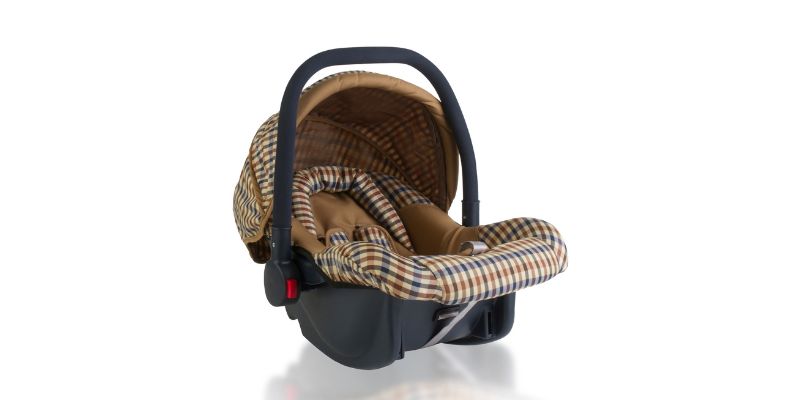
How Does the Car Seat Test Work?
The car seat test is straightforward, but it’s normal to feel nervous. Here’s how it goes, step by step:
- Bring your car seat: Take your baby’s car seat to the hospital a few days before discharge. Make sure it’s installed correctly in your car too.
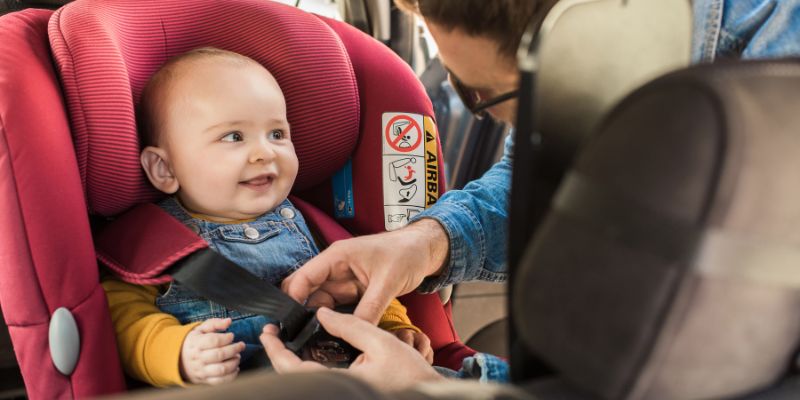
- Buckle baby in: Nurses secure your baby in the car seat, ensuring the harness is snug and at the right height (at or below the shoulders).
- Monitor vitals: A machine tracks heart rate, breathing, and oxygen levels for 90-120 minutes, or the length of your drive home.
- Check results: If vitals stay normal, your baby passes. If not, they may need a retest or a different car seat.
My first try was a flop because I hadn’t adjusted the harness right. A nurse showed me how to fix it, and we passed the next day. It’s a learning curve, but you’ll get the hang of it.
What If Your Baby Fails?
About 4-26% of preterm babies fail their first test due to low oxygen, slow breathing, or a low heart rate (NIH study). Don’t panic — here’s what happens next:
- Retest: Most babies pass a second test after a day or two. My son failed once but passed the next day after we adjusted the car seat angle.
- Try a different seat: Some “grow with you” car seats don’t fit preemies well. An infant-only seat might work better.
- Use a car bed: For babies who keep failing, a car bed lets them lie flat, which is safer for some (Cochrane review).
Talk to a Child Passenger Safety Technician (CPST) at the hospital for help — they’re like car seat superheroes. For a closer look at exactly what a failed test looks like and what nurses do about it, see how a baby fails a car seat test and what happens after a failed car seat test.
Tips to Help Your Baby Pass the Test
Here are some easy tips to make the car seat test go smoothly:
- Read the car seat manual: Check for infant insert rules or low-birth-weight settings. If your seat came with optional shoulder pads, check whether that kind of insert is actually safe to use before removing or adding anything — they can affect harness fit either way.
- Adjust the harness: Make sure it’s snug (you shouldn’t be able to pinch any slack) and at or below the baby’s shoulders.
- Check the angle: The car seat should sit at a 30-45 degree angle. Use a rolled towel under the base if needed, but confirm the fit with a CPST first.
- Practice at home: Set up the car seat in your car and practice buckling a doll to build confidence before the real test.
I wish I’d read the manual sooner — it would have saved me a lot of stress. Also, avoid adding extra padding or toys; anything not made for that specific seat can affect safety.
Common Mistakes to Avoid
New parents make these slip-ups all the time:
- Loose harness: It should be tight enough that you can’t pinch the straps.
- Wrong angle: Too upright or too flat can cause breathing issues.
- Skipping adjustments: Not setting the harness height or crotch buckle for a small baby can lead to a fail.
Comparing Car Seats for Preemies
Choosing the right car seat can make a big difference. Here’s a simple comparison of two popular options for preterm babies (for a broader look at how different infant seats are rated, see our safety ratings for infant car seats):
| Feature | Infant-Only Car Seat (e.g., Nuna Pipa RX) | Convertible Car Seat (e.g., Graco Extend2Fit) |
|---|---|---|
| Weight Range | 4-32 lbs | 4-50 lbs |
| Best for Preemies? | Yes, designed for small babies | May need inserts for preemies |
| Ease of Use | Lightweight, easy to carry | Heavier, stays in car |
| Cost | $300-$400 | $200-$300 |
Table 1: Comparing car seats for preterm babies. Infant-only seats are often better for preemies due to their snug fit.
Car Seat vs. Car Bed
For some babies, a car bed is safer. Here’s a quick comparison:
| Option | Pros | Cons |
|---|---|---|
| Car Seat | Widely available, easy to install | May not suit babies with breathing issues |
| Car Bed | Baby lies flat, better for some preemies | Harder to find, often hospital-provided |
Table 2: Car seat vs. car bed for preterm babies. Ask your hospital about car beds if your baby struggles with the test.
Safety Tips for Car Rides
Even if your baby passes the test, keep these safety tips in mind:
- Watch closely: Have someone sit in the back to check on your baby during drives.
- Take breaks: For long drives, stop every 1-2 hours to let your baby rest flat.
- No extra gear: Avoid loose blankets or toys in the car seat — they can be dangerous.
I always had my husband peek at our son during drives. It felt like overkill, but it made me less anxious.
My Personal Insights
As a new mom, I was terrified of the car seat test, but it taught me how important it is to get the fit right. My biggest tip? Ask for help from a CPST at the hospital. They’re trained to spot tiny mistakes you might miss. Also, don’t stress if your baby fails the first test — it’s common, and hospitals have solutions like retests or car beds. Patience is key.
Frequently Asked Questions
Do All Babies Have to Pass a Car Seat Test?
No, only preterm babies (born before 37 weeks), low birth weight babies (under 5.5 pounds), or those with medical conditions like Down syndrome typically need a car seat test. It checks whether they can breathe safely in a car seat’s semi-reclined position. Healthy, full-term babies usually don’t need the monitored test.
Do All Babies Still Need an Approved Car Seat, Even Without the Test?
Yes. Every U.S. state requires a properly installed, age-appropriate car seat for every newborn leaving the hospital, regardless of whether that baby is monitored for the formal car seat test. The test and the car-seat requirement are two separate things — nearly all babies need the seat, but only a smaller group needs the monitored screening.
How Long Does the Car Seat Test Take?
The test usually lasts 90-120 minutes, or as long as your drive home from the hospital, whichever is longer. Nurses monitor your baby’s heart rate, breathing, and oxygen levels to make sure they stay stable in the car seat.
What Happens If My Baby Fails the Test?
If your baby fails, they’ll likely get a retest in a day or two. Nurses may adjust the car seat or try a different one. In some cases, a car bed might be used to let the baby lie flat instead.
Can I Use Any Car Seat for the Test?
Most infant car seats work, but they must fit babies as small as 4 pounds. Check the manual for low-birth-weight settings. Convertible seats might need inserts to fit preemies properly (BabyGearLab).
How Do I Prepare for the Car Seat Test?
Bring your car seat to the hospital a few days early and read the manual. Adjust the harness to fit snugly and make sure the seat sits at a 30-45 degree angle. Ask a CPST for help if you’re unsure (Safe in the Seat).
Are Car Beds Better for Preemies?
Car beds can be safer for preemies who fail car seat tests, since they let babies lie flat instead of semi-reclined. They’re less common than car seats and are often provided by the hospital for babies with specific needs.
Is the Car Seat Test Required at Every Hospital?
No. The AAP recommends it for babies born before 37 weeks, but individual hospitals and NICUs set their own exact protocols, and a few have scaled back routine testing for healthy, well preemies as newer research is debated. Always ask your own hospital’s nursery or NICU staff what their specific policy is for your baby.
Where Can I Learn More About Car Seat Safety?
Check with a certified Child Passenger Safety Technician at your hospital or visit www.safekids.org for tips. Your local fire department or health department can also help with car seat checks (Nationwide Children’s).
Conclusion
The car seat test might sound scary, but it’s a simple way to keep a vulnerable baby safe on their first ride home. Whether your little one is preterm or has special needs, this test checks that they can travel without breathing issues — while every other newborn still just needs a correctly installed, rear-facing car seat to go home safely. Practice with your car seat at home, double-check the harness, and don’t be afraid to ask hospital staff for help. You’ve got this.
Products related to this article
Sponsored / affiliate links. As an Amazon Associate I earn from qualifying purchases. I may earn additional commission from eligible campaigns.