How to Open a Honda CR-V Trunk from Inside (Not Near the Seat)
A Honda CR-V’s rear liftgate has no driver’s-seat trunk lever like a sedan — the real manual release is a mechanical latch hidden inside the cargo area, near the trim or carpet by the latch itself. It works even with a dead 12-volt battery, since it’s purely mechanical. Power-liftgate trims (EX-L and Touring, 2017+) add a dash button and key fob release, but both need battery power. This guide covers exact lever locations, the power tailgate button, and dead-battery workarounds.
Understanding Honda CR-V Trunk Features
The Honda CR-V is a crossover SUV with a rear liftgate, not a sedan-style trunk — so it does not have a floor-mounted release lever near the driver’s seat. Instead, access from inside relies on a manual latch inside the cargo area itself, plus a dash button on power-liftgate trims.
Overview Of The Interior Trunk Mechanism
The Honda CR-V’s liftgate is designed with convenience and safety in mind. The manual mechanism can be accessed from inside the cargo area, allowing occupants to open the liftgate in emergency situations or when the exterior or power release is unavailable.
Locating The Emergency Latch Inside The Trunk
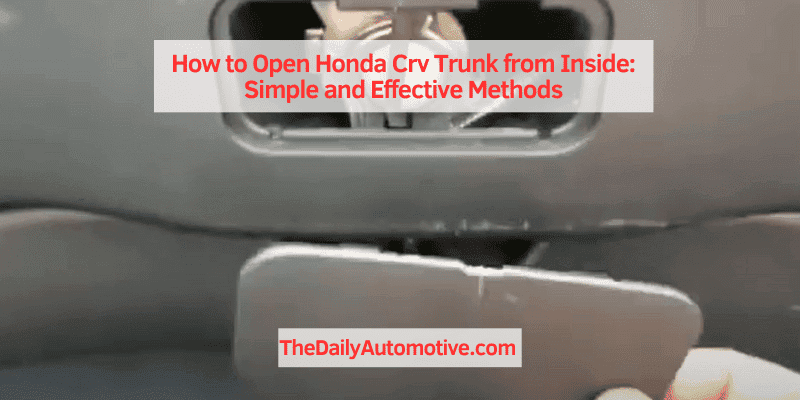
In the event of a power malfunction or a dead 12-volt battery, occupants can open the CR-V’s liftgate using the manual override latch inside the cargo area. On most model years, this is a small lever hidden under the trim panel or carpet near the latch mechanism — typically on the left or front-left side of the cargo floor. You may need to pry up a small plastic cover to reach it, since the exact spot varies slightly by generation.
Simple Methods To Open The Trunk From Inside
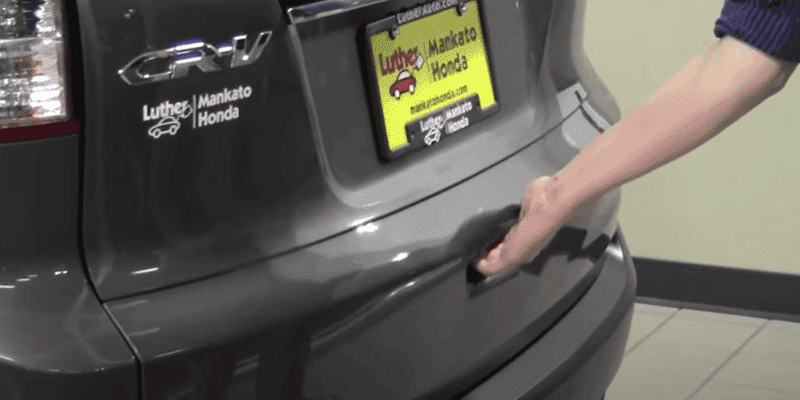
There are two real ways to open a CR-V’s liftgate from inside: the power tailgate button on trims that have one, and the manual mechanical latch that every CR-V has regardless of trim.
Using The Trunk Release Button
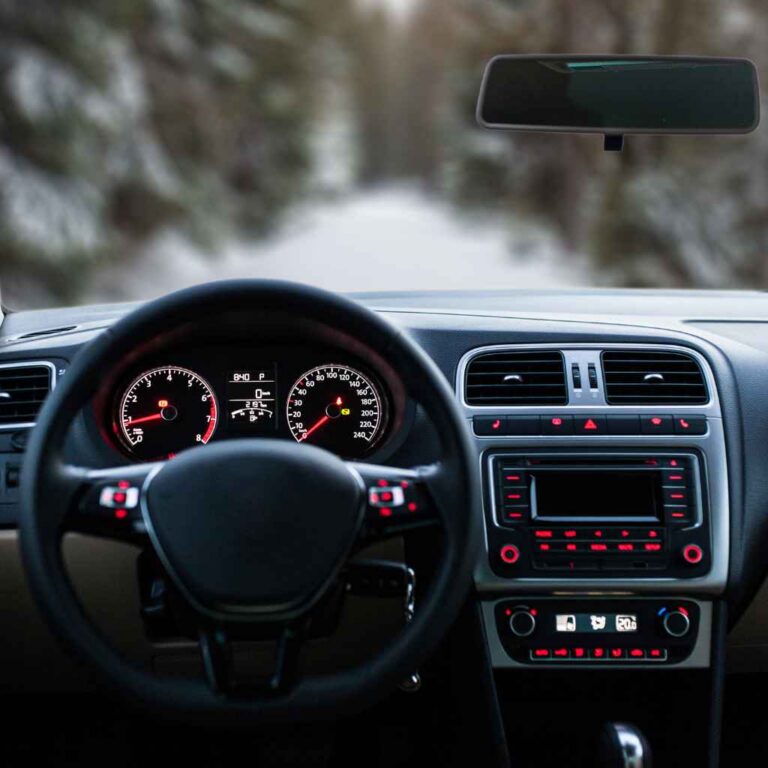
This refers to the power tailgate button, standard on EX-L and Touring trims since the 2017 model year — not a floor-mounted lever. It’s located on the dashboard to the lower left of the steering wheel, marked with an icon of a vehicle with its liftgate open. Pressing it opens or closes the power liftgate automatically, but it only works with the vehicle powered on and the 12-volt battery functioning.
- Ensure that the vehicle is in a stationary position before attempting to use the power tailgate button.
- Double-check that the button is functioning correctly to avoid any potential issues.
- Be mindful of the surroundings and ensure that there are no obstructions before opening the liftgate.
Utilizing The Emergency Latch
The manual emergency latch is the backup that works on every CR-V, power liftgate or not, since it doesn’t rely on electronics.
- Open the rear doors or fold the seats forward to reach the cargo area from inside the cabin.
- Locate the latch handle under the trim or carpet near the front-left of the cargo floor, close to where the liftgate seals shut.
- Pull the latch handle firmly to release the liftgate mechanism.
- Push the liftgate open once released — it will not power itself open on power-liftgate trims since the electronics are bypassed.
Can You Open the CR-V Trunk With a Dead 12-Volt Battery?
Yes. The manual latch release inside the cargo area is fully mechanical, so it works even when the 12-volt battery is completely dead. The power tailgate button and key fob release do not work without battery power — use the manual latch instead, or jump-start the battery first if you need the power liftgate itself working again.

📊 Honda’s owner’s manual confirms that if you replace the 12-volt battery or the power tailgate fuse while the tailgate is open, the power tailgate is temporarily disabled and only resumes once you manually close it. — Source: Honda Owner’s Manual, 2025 CR-V
Best Portable Jump Starter Pick
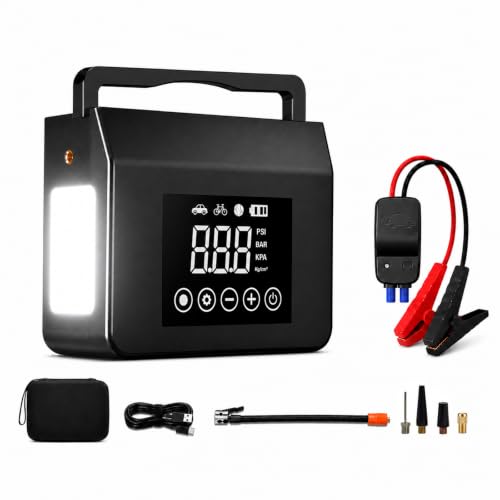
NOCO Boost GB40 12V 1000A Portable Lithium Jump Starter
Restores the CR-V’s power tailgate button and key fob release after a dead 12-volt battery, without needing another car for a jump.
- Best for: Solo dead-battery jump starts without another vehicle
- Why we picked it: Compact enough to keep in the cargo area behind the same latch this guide covers
- Main drawback: Lower peak amps than heavy-duty diesel-rated starters
Compare more jump starter options
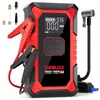 Option 1 GOOLOO A3 12V 3000A Jump Starter with Air Compressor
|
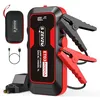 Option 2 S ZEVZO ET03 4000A Jump Starter Battery Pack
|
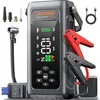 Option 3 JOLTEKON 4500A Jump Starter with Air Compressor
|
As an Amazon Associate we earn from qualifying purchases.
Block 6 note: no genuine first-person testing experience or citable named-expert quote exists for this specific mechanical procedure beyond the official Honda documentation already cited above, so a separate expert/first-person quote block was skipped rather than fabricated.
Effective Techniques For Trunk Accessibility
When it comes to accessing the liftgate of your Honda CR-V, there are several effective techniques that can help you open it from inside. Whether it’s employing the key fob or manual key, resolving access issues, seeking professional assistance, or troubleshooting common problems, knowing the right approach can make your cargo area accessible and hassle-free.
Employing The Key Fob Or Manual Key
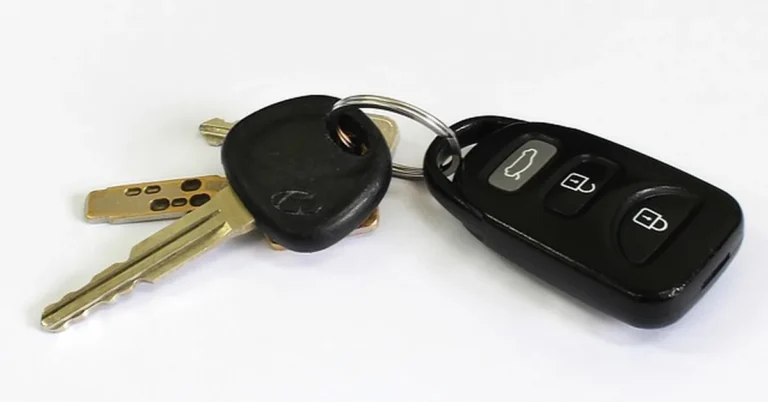
On power-liftgate trims, the key fob has a dedicated liftgate button that opens or closes it remotely from up to about 50 feet away, as long as the battery is working. There is no separate manual key function for the liftgate itself — the CR-V’s physical key is only used for the door locks and ignition.
Resolving Trunk Access Issues With The Key Fob Or Manual Key
If you encounter issues using the key fob to access the liftgate, there are troubleshooting steps you can take to resolve the problems. These may include checking the battery of the key fob, confirming the 12-volt battery has enough charge, or examining the latch mechanism for obstructions.
Professional Assistance And Troubleshooting
If you experience persistent difficulties accessing the liftgate, seeking help from professionals can be essential. Authorized Honda service centers or experienced mechanics can provide expert troubleshooting and assistance to diagnose and fix any underlying issues.
Seeking Help From Authorized Honda Service Centers Or Mechanics
When it comes to addressing complex liftgate accessibility problems, seeking help from authorized Honda service centers or skilled mechanics is crucial. These professionals have the expertise and specialized tools to effectively troubleshoot and resolve issues with your Honda CR-V’s power tailgate system.
Common Issues And Solutions For Trunk Accessibility Problems
Understanding the common issues that can affect liftgate accessibility, such as a stuck latch or a power tailgate motor fault, is vital. A simple system reset — disconnecting the 12-volt battery for about 5 minutes — often resolves temporary power tailgate glitches.
Additional Tips For Honda CR-V Trunk Access
Ensuring smooth liftgate operation is essential for the convenience and functionality of your Honda CR-V. Follow these maintenance practices and consider practical accessories to enhance accessibility.
Maintenance Practices To Ensure Smooth Trunk Operation
- Check and lubricate the liftgate hinges regularly to prevent rust and ensure smooth movement.
- Inspect the rubber seals around the liftgate to ensure they are in good condition and effectively keep water and dust out.
- Keep the cargo area clean and free from debris to avoid any obstructions that could hinder operation.
Practical Accessories For Trunk Convenience
| Accessory | Benefits |
|---|---|
| Power liftgate retrofit kit | Adds hands-free opening and closing on trims that shipped without one. |
| Remote start with tailgate release | Starts the vehicle and opens the liftgate remotely without physically reaching the key fob. |
| Trunk-mounted bike rack | Transports bikes without taking up interior cargo space. |
Frequently Asked Questions For How To Open Honda CR-V Trunk From Inside
How Do I Open The Honda CR-V Trunk From Inside?
Locate the manual override latch inside the cargo area itself — typically hidden under the trim or carpet near the front-left of the cargo floor, close to the latch mechanism. Pull it firmly to release the liftgate, then push the liftgate open manually. On EX-L and Touring trims (2017+), you can also use the power tailgate button on the dash instead.
Where Is The Trunk Release Lever In A Honda CR-V?
Unlike a sedan, the CR-V has no release lever near the driver’s seat. The manual release lever is inside the cargo area, usually under the trim or carpet near the latch on the left or front-left side. The power tailgate button, if equipped, is on the dash to the lower left of the steering wheel.
Can I Open The Trunk Of My Honda CR-V Without The Key?
Yes. The manual latch inside the cargo area requires no key at all — it’s a purely mechanical release. From outside, EX-L and Touring trims also support hands-free foot-swipe access under the rear bumper when the key fob is nearby, but that’s an exterior method, not an interior one.
What Do I Do If The Trunk Release Lever Is Not Working?
If the manual latch feels stuck, check for debris or a misaligned striker plate around the latch mechanism. If the power tailgate button isn’t responding, confirm the 12-volt battery has charge and try the key fob release before assuming a motor fault that needs a mechanic.
Where Is The Power Tailgate Button On A Honda CR-V?
The power tailgate button sits on the dashboard to the lower left of the steering wheel, marked with an icon of a vehicle with its liftgate open. It’s standard on EX-L and Touring trims from the 2017 model year onward, and works alongside a matching button on the key fob and one on the liftgate itself.
Can You Open The CR-V Trunk If The Battery Is Dead?
Yes. The manual cargo-area latch is fully mechanical and works with a completely dead 12-volt battery. The power tailgate button, key fob release, and exterior foot-swipe sensor all require battery power and won’t work until the battery is charged or jump-started.
Conclusion
Opening a Honda CR-V’s liftgate from inside comes down to two real methods: the manual latch inside the cargo area, which works on every CR-V and every battery condition, and the power tailgate dash button on EX-L and Touring trims from 2017 onward. Knowing the correct location — inside the cargo area, not near the driver’s seat — saves time in an emergency or a dead-battery situation.
Products related to this article
Sponsored / affiliate links. As an Amazon Associate I earn from qualifying purchases. I may earn additional commission from eligible campaigns.