How To Protect Your Assets After A Car Accident Now
Dealing with the aftermath of a car accident is tough. You’re likely feeling shaken, maybe a little sore. On top of that, you have to think about repairs, insurance, and making sure everyone is okay.
But there’s another important thing to consider: protecting your money and your possessions. This might seem like a lot right now. We’ll break it down step-by-step.
You’ll learn how to keep your financial future safe after a crash.
The best way to protect your assets after a car accident involves acting quickly. This means gathering information at the scene, reporting the accident properly, and understanding your insurance policy. It also includes consulting with legal and financial professionals when needed to safeguard your savings, home, and other valuable possessions from potential claims.
Understanding Asset Protection After a Crash
What does “protecting your assets” even mean in this context? It means safeguarding the things you own. This includes your bank accounts, your home, your car, and any investments you have.
After an accident, especially one with injuries or significant damage, there’s a risk someone might try to sue you. They might ask for money to cover their costs. If they win, they could try to take your possessions.
Think of your assets as your financial security. They are what you’ve worked hard for. You don’t want them to disappear because of an accident that wasn’t entirely your fault.
Or even if it was, you want to handle it in the best way possible. This is where proactive steps come in. These steps help build a shield around what you own.

Why Protecting Assets Matters So Much
Most people don’t think about asset protection until it’s too late. They figure insurance will handle everything. While insurance is crucial, it’s not always a perfect shield.
Sometimes, the costs of an accident can go beyond what insurance covers. This is especially true with serious injuries. Medical bills can stack up very high.
Lost wages can also add to the burden.
If a claim exceeds your insurance limits, you could be personally responsible for the rest. This is a scary thought. It means your personal savings, or even your house, could be on the line.
Taking steps to protect your assets is about preparing for these worst-case scenarios. It’s about peace of mind, knowing you’ve done all you can.
Immediate Steps After the Accident
The very first moments after a crash are critical. What you do right then and there can impact everything that follows. It’s about gathering evidence and ensuring your safety.
This groundwork is key to later asset protection.
Safety First
Your health is your most important asset. If you are injured, call for medical help immediately. Don’t worry about anything else until you are sure you and others are safe.
Move vehicles out of traffic if possible and safe to do so. Turn on hazard lights. If you cannot move the car, stay inside with your seatbelt on if it is safer than being outside.
Gathering Information
This is where the real evidence collection begins. You need details. Get the other driver’s name, address, and phone number.
Ask for their insurance company and policy number. Do this politely. Take pictures of their license and insurance card if they let you.
If they don’t, write down the information carefully.
Also, get information from any witnesses. Their accounts can be very helpful. Ask for their names and contact details.
Note the date, time, and exact location of the accident. Write down the weather and road conditions. Every little detail can be useful later.
Document Everything
Use your phone. Take lots of photos. Picture the damage to all vehicles involved.
Get shots of the accident scene from different angles. Include road signs, traffic signals, and any visible skid marks. If there are injuries, take pictures of them too, if appropriate and possible without causing distress.
These photos are powerful evidence.
Write down exactly what happened as soon as you can. Use your own words. This helps capture your memory before it fades.
Be factual and objective. Avoid guessing or assuming what happened. Just state what you saw and heard.
This personal log is invaluable.
Reporting the Accident Properly
Reporting the accident is not just a formality. It’s a legal requirement and a vital step for insurance. How you report it can also affect your asset protection strategy.
Notify the Police
In most U.S. states, you must report accidents that cause injury, death, or significant property damage. Call the police even if the other driver seems okay.
A police report creates an official record. This report often includes initial findings about who was at fault. It’s a neutral document that insurance companies rely on.
When the police arrive, be honest and calm. Stick to the facts. Don’t admit fault.
Let the police decide who they think is responsible based on the evidence at the scene. Get the police report number so you can retrieve the report later.
Inform Your Insurance Company
Contact your insurance agent or company right away. Tell them about the accident. Most policies require you to report accidents promptly.
Your insurance company will start an investigation. They will gather information from all parties involved. This includes witness statements and the police report.
Be truthful with your insurance company. They need accurate information to process your claim. Understand your policy limits.
Know what coverage you have, like liability, collision, and uninsured/underinsured motorist coverage. This knowledge is power. It tells you how much protection you already have.
Accident Scene Checklist
Key Actions to Take Immediately:
- Ensure everyone’s safety first.
- Call 911 for emergencies.
- Exchange contact and insurance details with other drivers.
- Take clear photos of all vehicle damage and the scene.
- Note down witness information.
- Do NOT admit fault at the scene.
This quick list helps you remember the most important things when under stress.
Understanding Insurance Coverage
Your insurance policy is your first line of defense for asset protection. Knowing what it covers is key.
Liability Coverage
This is the coverage that protects you if you cause an accident. It pays for damages and injuries to others. There are two main parts: bodily injury liability and property damage liability.
Bodily injury pays for medical expenses, lost wages, and pain and suffering for people injured. Property damage pays for repairs to other people’s cars or property.
The limits on your liability coverage are crucial. If the damages exceed your limits, you could be sued for the difference. This is why having adequate liability coverage is so important for asset protection.
Many people only carry the state minimum, which is often too low for serious accidents.
Collision and Comprehensive Coverage
Collision coverage pays for damage to your own car if you hit another vehicle or object. Comprehensive coverage pays for damage to your car from things like theft, vandalism, or weather. While these cover your car, they don’t protect your other assets if you’re found at fault for injuring someone else.
Uninsured/Underinsured Motorist Coverage (UM/UIM)
This coverage protects you if you are hit by a driver who has no insurance (uninsured) or not enough insurance (underinsured). It can cover your medical bills and sometimes damage to your car. This is a vital protection for your assets because it steps in when the at-fault party cannot pay.
Medical Payments (MedPay) or Personal Injury Protection (PIP)
These coverages can pay for your medical expenses regardless of fault. PIP is common in “no-fault” states. They help cover immediate medical costs without waiting for fault to be determined, which indirectly protects your assets by covering bills quickly.
Policy Limits Matter
Actionable Insight:
- Review your current policy limits.
- Understand what each coverage type does.
- Consider increasing liability limits if they are low.
- Ask about umbrella policies for extra protection.
Knowing your policy is the first step to using it as an asset shield.
The Role of Legal Counsel
Sometimes, the complexities of an accident and potential claims go beyond what you can handle alone. This is when a lawyer becomes a key ally for protecting your assets.
When to Hire a Lawyer
You should seriously consider hiring a lawyer if:
- There are serious injuries involved.
- The accident was complex or fault is disputed.
- The other party’s insurance company is being difficult.
- You receive a demand letter or are threatened with a lawsuit.
- Your insurance company denies your claim.
- The potential damages exceed your insurance policy limits.
A lawyer experienced in car accident cases can help negotiate with insurance companies. They can also represent you in court if a lawsuit is filed. They understand how to value claims and fight for fair compensation.
How a Lawyer Protects Your Assets
A lawyer acts as your advocate. They deal directly with the other party’s insurance adjusters and lawyers. This takes the pressure off you.
They know the legal strategies to protect you from unreasonable demands. They can help negotiate a settlement that is fair and doesn’t put your assets at undue risk.
If a lawsuit is filed, a lawyer will build a defense. They will gather evidence, depose witnesses, and present your case. Their expertise can often lead to a better outcome than you could achieve on your own.
This can mean a lower settlement amount or even dismissal of the case, directly saving your assets.
Strategies for Proactive Asset Protection
Beyond immediate post-accident actions, there are ongoing strategies to strengthen your asset protection.
Increase Your Insurance Coverage
This is the most straightforward way to protect your assets. Talk to your insurance agent about increasing your liability limits. Consider an umbrella policy.
This is an extra layer of liability protection that sits on top of your auto and homeowner policies. It can provide millions in additional coverage for a relatively low cost.
For example, if you have $300,000 in auto liability coverage, an umbrella policy might add $1 million or more. If you are sued for more than your auto policy can cover, the umbrella policy kicks in. This is a powerful tool for protecting your home and savings.
Umbrella Policy Explained
What It Is: An extra insurance policy for liability protection.
How It Works: It covers you if a claim exceeds your standard auto or home insurance limits.
Why It’s Key: Protects your savings, home, and other valuables from major lawsuits.
Cost: Often surprisingly affordable for the protection it offers.
Understand Your State’s Laws
Laws vary significantly by state. Some states have community property laws that affect how assets are divided. Others have specific rules about homestead exemptions, which protect your primary residence from creditors in certain situations.
Knowing these laws helps you understand what assets are more vulnerable. An attorney can explain these nuances specific to your situation. For instance, in some states, your wages can be garnished more easily than your home.
In others, it’s the reverse.
Consider Trusts and Other Legal Structures
For significant assets, more advanced strategies might be beneficial. This could include setting up trusts. Certain types of trusts can hold assets, making them less accessible to creditors in a lawsuit.
This is a more complex area and requires consultation with an estate planning attorney.
Other structures like limited liability companies (LLCs) can also offer some protection. If you own rental properties or run a business, these structures can separate your personal assets from business liabilities. This is proactive planning, not something you do after an accident, but it builds resilience.
Maintain Good Financial Records
Keep clear records of your income, expenses, and assets. This includes bank statements, property deeds, investment accounts, and loan documents. If a claim arises, having organized financial records can help you quickly assess your financial picture.
This also helps in demonstrating your financial standing to insurance adjusters or a court. It shows what you have to protect and can be used in negotiations or legal proceedings to establish your financial reality. Accurate records are fundamental to any asset protection plan.
Dealing with the Other Party’s Insurance Company
Interacting with the other driver’s insurance company can be tricky. They are not on your side; they are looking out for their company’s interests.
Be Cautious with Statements
When the other party’s insurer contacts you, be polite but brief. They may try to get you to make a statement that could be used against you. Avoid speculating or admitting any fault.
Stick to the facts you are certain about. It’s often best to have your lawyer handle these conversations.
If you don’t have a lawyer yet, you can tell them you are still gathering information. You are not obligated to give a recorded statement. You can also ask them to communicate through your own insurance company or your lawyer.
Understand Settlement Offers
If the other insurance company offers a settlement, do not accept it too quickly. They might offer a sum that seems reasonable at first, but it could be less than what you actually need, especially if injuries worsen or hidden damages appear later. Always consult with your lawyer before accepting any settlement offer.
A settlement offer typically includes a release. Once you sign it, you give up your right to sue for anything related to the accident. Make sure the settlement covers all current and future costs.
This includes medical bills, lost income, pain and suffering, and property damage.
Negotiating with Insurers
Key Advice:
- Let your lawyer communicate.
- Avoid recorded statements initially.
- Never admit fault.
- Be patient; don’t rush settlements.
- Ensure all potential costs are covered.
Playing it safe with insurance adjusters protects your financial future.
What If a Lawsuit Is Filed Against You?
Receiving legal papers can be alarming. This means someone is formally suing you. This is when asset protection becomes absolutely critical.
Notify Your Insurance Company Immediately
If you are served with a lawsuit, inform your insurance company right away. Your liability insurance is designed to cover legal defense costs and any judgment against you up to your policy limits. Your insurer will likely appoint a lawyer to defend you.
This is why timely reporting is essential. If you delay, your insurance company might deny coverage. This would leave you to pay for your own defense and any judgment, which could be devastating to your assets.
Cooperate with Your Defense Attorney
The lawyer appointed by your insurance company will guide you through the legal process. Cooperate fully with them. Provide all requested information honestly and promptly.
They need accurate details to build the best possible defense for you.
Understand that the lawyer’s primary duty is to protect you from financial loss. They will work to minimize damages awarded against you. They will also advise you on settlement possibilities.
If the claim exceeds your policy limits, they can help you understand your personal exposure and options.
Understanding Personal Liability
If the judgment against you is higher than your insurance coverage, you are personally responsible for the difference. This is where your proactive asset protection strategies pay off. If you have an umbrella policy, it will kick in to cover the excess.
If you don’t have adequate insurance or an umbrella policy, the plaintiff could pursue your assets. This might involve garnishing your wages, placing liens on your property, or seizing bank accounts. This is why increasing your coverage and considering other legal structures are so vital.
Real-World Scenarios
Let’s look at a couple of common situations to see how asset protection plays out.
Scenario 1: A Minor Fender Bender
You’re in a parking lot, and you accidentally back into another car. It’s a small dent on their bumper. You exchange information and report it to your insurance.
Your policy has good liability limits. Your insurance covers the repair cost. You pay your deductible.
Your assets are safe because your insurance handled it. No lawsuit, no threat to your home or savings.
Scenario 2: A Serious Injury Accident
You’re driving home, and another car runs a red light, hitting your car broadside. You suffer a broken leg and a concussion. The other driver also has significant injuries.
The accident is clearly the other driver’s fault. However, their medical bills and lost wages are enormous, far exceeding their own insurance limits.
They sue you for substantial damages. If you only had the minimum liability insurance, it wouldn’t even come close to covering their claim. This is where your umbrella policy is a lifesaver.
It covers the large settlement or judgment, protecting your savings account and your home from being taken. Without it, you could face financial ruin.
Common Misconceptions About Asset Protection
Many people misunderstand how asset protection works after an accident. Let’s clear up a few things.
Myth vs. Reality
Myth: My insurance will always cover everything.
Reality: Insurance has limits. Serious accidents can exceed these limits, leaving you personally liable.
Myth: I can protect my assets after an accident has happened.
Reality: True asset protection is proactive. Strategies like increased insurance and trusts are best put in place before an accident occurs.
Myth: Asset protection is only for the wealthy.
Reality: Anyone with assets to protect can benefit. Even modest savings or a home are worth safeguarding.
Steps to Take Now (Even If No Accident Has Occurred)
The best time to think about asset protection is now, long before any accident. Here’s what you can do:
1. Review Your Insurance Policies Annually
Don’t just set it and forget it. Every year, review your auto, home, and umbrella policies. Check your coverage limits.
Make sure they are still adequate for your financial situation and the cost of living. Inflation can make your current limits insufficient over time.
2. Consult an Insurance Professional
Talk to an independent insurance agent. They can help you assess your risks and recommend appropriate coverage levels. Ask specifically about umbrella policies and what they would cost for your situation.
They can explain options you might not be aware of.
3. Speak with an Attorney
Consider meeting with an estate planning or elder law attorney. They can discuss asset protection strategies that might be suitable for your long-term financial security. This could include trusts, prenuptial agreements, or other legal structures, depending on your circumstances and goals.
4. Organize Your Financial Documents
Keep all your important financial and legal documents in one safe, accessible place. This includes insurance policies, deeds, investment statements, and tax returns. Knowing where everything is will be a huge relief if you ever need it.
When Is It Normal, and When Should You Worry?
After an accident, it’s natural to feel a bit anxious about the financial implications. Here’s a guide to help you distinguish normal concerns from real worries.
Normal Concerns:
- Worrying about your car repair bills being covered.
- Concerned about your insurance premium increasing.
- Anxious about how long the claims process will take.
These are common feelings. Your insurance and a good repair shop usually handle these issues efficiently.
Real Worries (Indicating a Need for Action):
- You are seriously injured, and medical bills are piling up.
- The other party has an attorney and is demanding a large sum.
- You received a summons for a lawsuit.
- Your insurance company is questioning coverage or denying your claim.
- You know your insurance limits are too low for the potential damages.
If you experience any of these “real worries,” it’s time to seek professional advice immediately from a qualified attorney. Don’t wait.
Quick Tips for Managing the Aftermath
Here are some simple actions you can take to help manage the situation and protect yourself:
- Keep Detailed Records: Log all expenses related to the accident – repairs, medical bills, lost wages, travel.
- Communicate Prudently: Be careful what you say to insurance adjusters, especially from the other party’s company.
- Understand Your Policy: Read your insurance policy thoroughly. Know what’s covered and what’s not.
- Be Patient: The claims process can take time. Try not to rush into decisions.
- Prioritize Health: Focus on your recovery. Health is your most valuable asset.

Frequently Asked Questions
What if I can’t afford to pay for damages after my insurance runs out?
If your insurance limits are exhausted and you still owe money, the creditor can pursue your assets. This is why having higher liability limits and an umbrella policy is crucial. If you can’t afford to pay, consult with a consumer protection attorney.
They can explore options like debt management or bankruptcy, though these have their own consequences.
Can my home be taken away after a car accident?
Yes, in some situations, if you are found liable for damages that exceed your insurance coverage, a creditor can place a lien on your home or even force a sale to satisfy the debt. Homestead exemptions in some states offer protection, but these have limits. Increasing your liability coverage is the best prevention.
How long do I have to protect my assets after an accident?
The time to protect your assets is primarily before an accident occurs through adequate insurance and legal planning. After an accident, your immediate actions are critical for evidence gathering and reporting. If a lawsuit is filed, you must respond promptly within the legal deadlines to ensure your insurance company defends you.
What is the difference between liability coverage and comprehensive/collision coverage regarding asset protection?
Liability coverage protects your assets by paying for damages or injuries you cause to others. Comprehensive and collision coverage protect your own vehicle from damage. For protecting your personal wealth from claims, liability coverage is the most direct asset protection tool.
Should I ever talk to the other driver’s insurance company without a lawyer?
It is generally not recommended. The other driver’s insurance company is looking for ways to minimize their payout. Anything you say could be used against you.
It’s best to let your insurance company handle communication or, if there are injuries or complex issues, to have an attorney manage those conversations.
How can I protect my savings account after an accident?
Your savings account is vulnerable if a judgment against you exceeds your insurance limits. The best way to protect it is by having sufficient liability insurance, including an umbrella policy. This coverage can pay off the debt before creditors can access your savings.
Proactive legal structures like certain trusts can also offer protection.
Conclusion
A car accident is a stressful event. Thinking about your assets might feel overwhelming. But by taking smart steps, you can significantly protect your financial future.
Always prioritize your safety and the safety of others. Then, focus on gathering information and reporting the accident correctly. Reviewing your insurance coverage and considering higher limits or an umbrella policy are key proactive measures.
Don’t hesitate to seek legal advice. It’s an investment in your peace of mind and your assets.
Products related to this article
Sponsored / affiliate links. As an Amazon Associate I earn from qualifying purchases. I may earn additional commission from eligible campaigns.
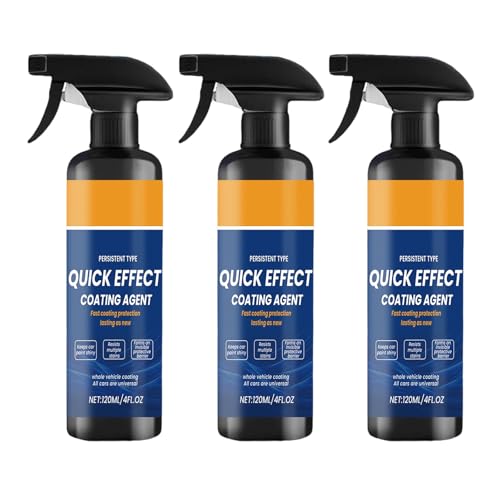 FIbpuzc Quick Effect Coating Agent for Car, 2026 New Advanced Quick Spray for & Protection, Waterless Wash Coat, Ceramic for Cars & Protection
 Auto Car Dent Repair Puller Head Paintless-Dent Repair Removal Kit for Slide Hammer Pulling Tab Adapter Pulling Tabs Car Aluminum-alloy Puller Head Adapter Screw Glue-tabs for Slide Hammer and