How to Get a Second Key for Your Car Easily
Getting a second key for your car can save you a lot of hassle if you ever lose your primary one or need a spare for a family member. Whether your car is new or used, having a backup key is a practical step towards peace of mind. This guide will walk you through the most effective methods to obtain a replacement car key, ensuring you can get back on the road without unnecessary stress — see our related guide, Can I Get a Remote Start Installed on My Car?.
In short, to get a second key for your car, you can visit your dealership, use an automotive locksmith, or sometimes purchase and program a key yourself if you have the VIN and a blank key.
Key Takeaways
- Getting a second key for your car is crucial for convenience and security.
- Dealerships offer OEM keys but are often the most expensive option.
- Automotive locksmiths provide a more affordable and often faster alternative.
- DIY key replacement is possible for some vehicles, requiring specific tools and knowledge.
- Always ensure your replacement key is compatible with your car’s make, model, and year.
What is a Car Key Replacement Process?
The process of obtaining a second car key involves several steps designed to ensure the new key is programmed correctly and securely to your vehicle. It’s not as simple as just cutting a piece of metal anymore; modern car keys often contain transponder chips that communicate with your car’s immobilizer system.
This electronic component is a crucial security feature. Without the correct programming, even a physically cut key will not start your engine. Therefore, obtaining a replacement key requires either specialized equipment or access to the vehicle’s unique codes, which are typically held by the manufacturer or authorized service providers.
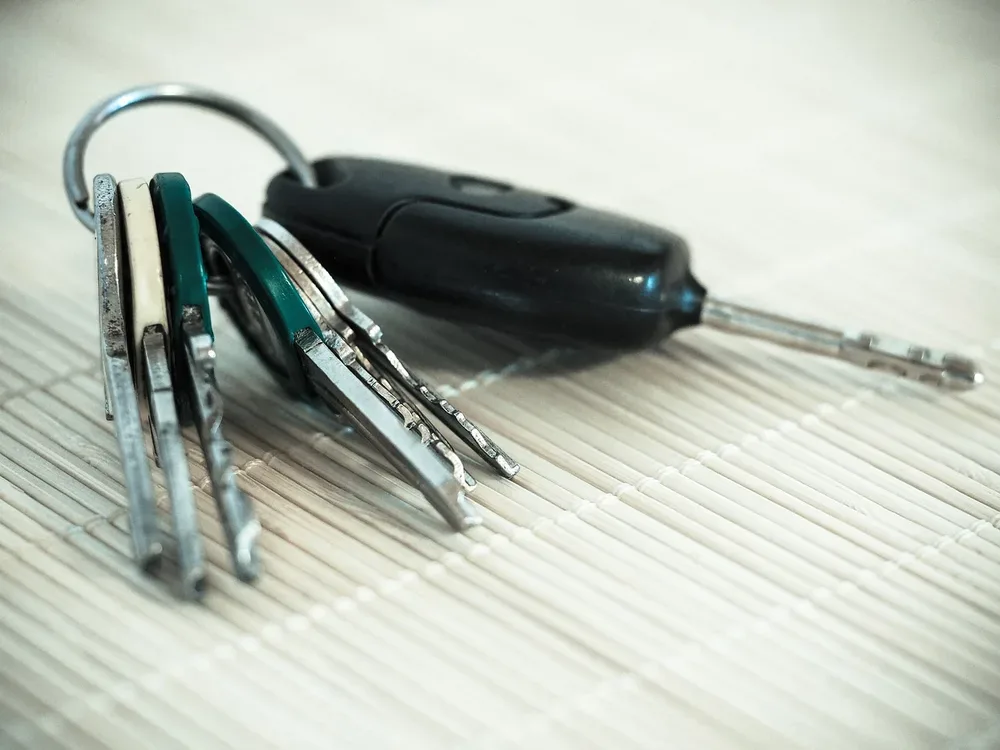
Understanding these components is key to choosing the right method for replacement. Whether you’re dealing with a basic key, a transponder key, a remote key fob, or a smart key, the procedure can vary significantly, impacting cost and complexity.
- Key Identification: Determining the exact type of key your car uses (e.g., standard, transponder, remote, smart key) is the first step.
- Code Retrieval: Accessing the vehicle’s unique key code or VIN-based programming information is essential for synchronization.
- Key Cutting/Programming: The physical key needs to be cut to match your ignition and locks, and the transponder chip or fob needs to be programmed to communicate with your car.
- Testing: After programming, the new key must be tested to ensure it unlocks doors and starts the engine reliably.
- Security Considerations: Ensuring the old key (if lost) is de-programmed from the system is vital to prevent unauthorized access.
Option 1: Visiting Your Car Dealership
Your car dealership is the most straightforward, albeit often the most expensive, route for obtaining a second car key. They have direct access to manufacturer databases, allowing them to cut and program keys that are guaranteed to be compatible with your specific make, model, and year.
This process usually involves providing your vehicle’s VIN (Vehicle Identification Number) to the dealership. They will then order the correct key blank, cut it to match your car’s specifications, and program the transponder chip or remote fob. The advantage here is absolute certainty regarding compatibility and the use of genuine OEM (Original Equipment Manufacturer) parts.
However, this convenience comes at a premium. Dealerships typically charge higher labor rates and mark up the cost of the key itself. The entire process can also take longer, sometimes requiring an appointment and a waiting period for the key to arrive and be programmed.
| Dealership Key Replacement | Details |
|---|---|
| Pros | Guaranteed OEM compatibility, uses manufacturer’s proprietary codes, often includes a warranty on the key and service. |
| Cons | Highest cost, potentially longer wait times, requires an appointment. |
| Typical Cost | $200 – $500+ depending on key type and vehicle. |
| Best For | Newer vehicles, luxury cars, or when absolute OEM assurance is required. |
When opting for a dealership, confirm they have your car’s specific key code on file, which can sometimes expedite the process.
Option 2: Hiring an Automotive Locksmith
Automotive locksmiths are specialized professionals who offer a compelling alternative to dealerships for getting a second car key. They possess advanced tools and knowledge to cut and program a wide range of car keys for various makes and models, often at a more competitive price point.
Locksmiths can usually come to your location, saving you the trouble of towing your car. They can often create a new key from scratch, even if you have no existing keys, by working directly with your car’s lock cylinders or by using your VIN to retrieve the necessary programming codes. This service is particularly valuable if you’ve lost all your car keys.
The range of services provided by automotive locksmiths can vary. Some are equipped to handle basic keys, transponder keys, remote fobs, and even smart keys. It’s advisable to confirm their capabilities for your specific vehicle before booking their services to ensure they can fulfill your needs efficiently.
- Mobile Service: Most locksmiths offer mobile services, coming to your home, office, or roadside.
- Cost-Effectiveness: Generally more affordable than dealerships for comparable services.
- Speed: Often provide faster service, with same-day appointments frequently available.
- Broader Compatibility: Can often service older and less common vehicle models that dealerships might not readily support.
- Emergency Services: Many offer 24/7 lockout and key replacement services.
When selecting an automotive locksmith, look for reputable companies with good reviews and proper licensing. This ensures you receive professional and reliable service for your car key replacement needs.
Option 3: The DIY Approach (If Possible)
For some vehicles, particularly older models or those with simpler key systems, a do-it-yourself (DIY) approach to obtaining a second car key might be feasible. This typically involves purchasing a blank key and then programming it yourself or having it programmed at a less specialized facility.
The feasibility of this option depends heavily on your car’s make and model. Newer vehicles with sophisticated anti-theft systems and complex transponder chips are generally not suitable for DIY programming. However, if your car uses a key with a simple transponder or a keyless entry fob that can be programmed through a sequence of ignition turns and button presses, it might be an option.
This method requires careful research into your specific vehicle’s requirements. You’ll need to source a compatible blank key or key fob, which can often be found online from various automotive parts suppliers. Then, you’ll need to follow a precise programming procedure.
Online forums and vehicle-specific communities can be invaluable resources for finding these instructions.
| DIY Key Replacement Considerations | Details |
|---|---|
| Vehicle Compatibility | Crucial to determine if your car supports DIY programming. Check online forums and owner manuals. |
| Key Blank Sourcing | Purchase compatible key blanks or fobs online from reputable suppliers. Match exact part numbers. |
| Programming Method | Follow specific DIY programming instructions for your car model precisely. Incorrect steps can lock the system. |
| Cutting Services | You’ll likely need a local hardware store or locksmith to cut the physical key blade. |
| Potential Risks | Incorrect programming can damage the car’s computer, void warranties, or render the key useless. |
If you’re not technically inclined or comfortable with the potential risks, it’s always safer to opt for a professional service like a dealership or locksmith.
Warning: Attempting to program a key incorrectly can potentially disable your vehicle’s starting system or even damage its onboard computer. If in doubt, always consult a professional.
What You Need for Key Replacement
Before embarking on the journey to get a second car key, having the right information and documentation ready will significantly streamline the process. Whether you choose a dealership or an automotive locksmith, certain details are almost always required.
The most critical piece of information you’ll need is your Vehicle Identification Number (VIN). This unique 17-character code acts as your car’s fingerprint and is essential for identifying the exact specifications of your vehicle, including the type of key system it uses. You can find your VIN on your driver’s side dashboard, in your insurance documents, or on your vehicle registration.
Having your proof of ownership is also paramount. Service providers need to verify that you are the rightful owner of the vehicle before they can create or program a new key. This is a security measure to prevent unauthorized duplication of keys.
- Vehicle Identification Number (VIN): This is the primary identifier for your car.
- Proof of Ownership: This can include your vehicle registration, title, or current insurance policy card.
- Your Driver’s License: To verify your identity against the proof of ownership.
- Existing Key (if available): If you have at least one working key, it can often simplify the programming process and potentially reduce costs, especially for locksmiths.
- Car Make, Model, and Year: Essential for identifying the correct key type and programming procedures.
- Information about the Key Type: Knowing if you have a standard key, transponder key, remote fob, or smart key can help service providers prepare.
Gathering these items beforehand will save time and ensure a smoother, more efficient experience when you contact your chosen service provider.
How Car Keys Are Programmed
The programming of modern car keys, especially those with transponder chips or integrated fobs, is a sophisticated process that links the key to your vehicle’s immobilizer system. This system prevents the engine from starting unless the correct, programmed key is detected.
For transponder keys, the process involves synchronizing a unique code stored on a microchip within the key to your car’s onboard computer. When you insert the key into the ignition and turn it, the car’s computer reads the chip. If the code matches, the immobilizer is deactivated, and the engine can start.
Remote key fobs and smart keys involve a similar principle but also incorporate radio frequency (RF) signals for locking/unlocking doors and starting the engine remotely. Programming these requires specific sequences of button presses or diagnostic tool connections to pair the fob with the car’s central locking and ignition modules.
| Key Programming Method | Description | Requires |
|---|---|---|
| Transponder Programming | Synchronizing a unique electronic code from the key’s chip to the car’s immobilizer system. | Programming tool/diagnostic scanner, car’s security codes. |
| Remote Fob Programming | Pairing the fob’s buttons to control the vehicle’s locks, alarm, and sometimes trunk. | Specific sequence of ignition/door actions or a diagnostic tool. |
| Smart Key Programming | Enables keyless entry and push-button start by wirelessly communicating with the vehicle. | Advanced diagnostic equipment, vehicle-specific software. |
| Key Cutting | Physically shaping the key blade to match the tumblers in the car’s locks and ignition. | Key cutting machine, key code or impressioning. |
The exact programming procedure can differ significantly between manufacturers and even between different models from the same manufacturer, underscoring the need for expert knowledge.
Important: If you have lost all of your car keys, the process of getting a new one made can be more complex and expensive, as the service provider will need to generate keys based solely on your VIN and potentially by dismantling lock mechanisms.
How to Choose the Right Service for Your Car Key
Deciding on the best way to get a second car key involves weighing factors like cost, speed, convenience, and the type of key you need. Each option—dealership, locksmith, and DIY—has its own set of advantages and disadvantages.
For those prioritizing absolute certainty and OEM parts, especially with newer or high-value vehicles, the dealership is the safest bet. Their specialized knowledge and genuine parts can offer peace of mind, though at a higher price point. If time is of the essence and you’re looking for a more budget-friendly solution, an automotive locksmith is often the superior choice.
The DIY approach is only recommended for individuals with a strong technical background and a clear understanding of their vehicle’s key system. For most car owners, entrusting this task to a professional is the most practical and reliable solution.
- Consider Your Vehicle: Newer cars with advanced security features are best handled by dealerships or specialized locksmiths. Older cars might be more amenable to locksmith services or even DIY.
- Budget Constraints: Locksmiths are generally the most cost-effective professional option, while dealerships are the most expensive. DIY, if successful, can be the cheapest.
- Urgency: If you need a key immediately, a mobile locksmith is often your fastest bet. Dealerships may require appointments and waiting times.
- Type of Key: Basic keys are simpler for all providers. Smart keys and complex transponder keys require more specialized equipment, usually found at dealerships and advanced locksmiths.
- Lost All Keys Scenario: If you’ve lost all your keys, a locksmith is often the most convenient and potentially quickest solution, as they can typically create a new key on-site.
- Warranty and Reliability: Dealerships offer manufacturer warranties, while reputable locksmiths provide their own service guarantees. Research reviews carefully for any provider.
Ultimately, the “right” service depends on your individual circumstances, vehicle, and priorities. Always get a quote upfront before agreeing to any service.
Frequently Asked Questions
How much does it cost to get a second car key?
The cost can range significantly, from $50-$100 for a basic key to $200-$500 or even more for transponder keys, remote fobs, or smart keys, especially when obtained from a dealership. Locksmiths are often more affordable than dealerships for comparable services.
Can I get a new car key if I lost all my original keys?
Yes, you absolutely can. This process is more complex and usually more expensive, as the locksmith or dealership will need to generate a new key based on your car’s VIN and potentially by dismantling lock mechanisms. It’s always best to have at least one working key as a backup.
How long does it take to get a second car key made?
It can vary. A basic key might be cut and programmed in under an hour by a locksmith. Transponder or smart keys can take anywhere from an hour to several hours, depending on the complexity and whether a special order is needed.
Dealerships might require an appointment and can take a day or more.
What is a transponder key?
A transponder key contains a small electronic chip that communicates with your car’s immobilizer system. This chip emits a unique code that the car’s computer must recognize for the engine to start, adding a layer of anti-theft security.
Can a locksmith program a smart key?
Many automotive locksmiths are equipped to program smart keys for a wide variety of vehicles. However, the complexity of smart key systems means it’s essential to verify the locksmith’s capabilities for your specific car make and model before booking their service.
Final Thoughts
Securing a second car key is an important step for any vehicle owner, offering vital backup and convenience. By understanding your options—whether it’s the dealership, a specialized automotive locksmith, or a potential DIY route—you can make an informed decision that fits your budget and timeline. Always ensure you have your VIN and proof of ownership ready to facilitate a smooth replacement process and enjoy the peace of mind that comes with having a spare key.
Products related to this article
Sponsored / affiliate links. As an Amazon Associate I earn from qualifying purchases. I may earn additional commission from eligible campaigns.