What Causes a Car Air Conditioner to Freeze Up (and How to Fix It)
A car AC most often freezes up from low refrigerant, restricted airflow (usually a dirty cabin filter), a stuck expansion valve, or trapped moisture in the system — each causes ice to form on the evaporator coils and blocks airflow, leaving you with warm or weak air instead of cold.
I’ve chased this exact problem down in my own vehicles more than once — a bug-caked condenser on a road trip through Texas, a clogged cabin filter that I’d forgotten to check for a year. Below is every real cause I’ve run into or researched, how to tell them apart, and what actually fixes each one.
Quick Answer
The most common causes are low refrigerant (usually from a leak), a dirty cabin air filter restricting airflow, a stuck-open expansion valve flooding the evaporator, or moisture trapped in the system. Turn the AC off and run the heater or fan for 30-60 minutes to thaw the ice, then check the cabin filter first — it’s the easiest fix.
Understanding How a Car Air Conditioner Works
Before we dive into why your AC is freezing up, let’s talk about how it works. Knowing the basics helps make sense of the problem. Your car’s air conditioner is like a mini fridge for your cabin. It uses a refrigerant—a special liquid—that cycles through a system of components to pull heat out of the air. The main players are the compressor, condenser, evaporator, and expansion valve.
The compressor, powered by your engine, squeezes the refrigerant into a high-pressure gas. This gas flows to the condenser, where it releases heat and turns into a liquid. Then, the liquid refrigerant moves to the evaporator, located near your dashboard. Here, it absorbs heat from the cabin air, cooling it down before blowing it through the vents. The expansion valve controls how much refrigerant flows, keeping everything balanced.
When this system gets out of whack, ice can form on the evaporator coils, blocking airflow and making your AC less effective. Let’s explore the main reasons this happens.
Low Refrigerant Levels
One of the most common reasons your car’s AC freezes up is low refrigerant. I learned this the hard way when my old sedan started blowing weak, frosty air. Refrigerant is the lifeblood of your AC system. If there’s not enough, the system works harder, and the evaporator coils get too cold, causing condensation to freeze.
Low refrigerant usually means there’s a leak somewhere. Hoses, seals, or even the compressor can develop tiny cracks over time. Driving over bumpy roads or exposing your car to harsh weather can speed up wear and tear. Sometimes, the leak is so small it’s hard to notice, but it still causes problems.
To check for low refrigerant, you’ll need a professional to test the system’s pressure with a gauge. If it’s low, they’ll find the leak, fix it, and recharge the system with the right amount of refrigerant. I once tried a DIY refrigerant refill kit, but trust me, it’s better to let a pro handle it to avoid overfilling or damaging the system.
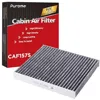
Puroma 1 Pack Cabin Air Filter with Activated Carbon, Replacement for CP157, CF12157, Sele
Best for: The single most common cause of a frozen AC — restricted airflow from a clogged cabin filter.
Why we picked it: Activated carbon traps odors too, and it’s a 5-minute swap behind the glovebox on most vehicles.
Main drawback: Won’t help if the freeze-up is caused by refrigerant, valve, or compressor issues — check fit for your exact make/model first.
View Our Pick on Amazon
 Robinair 18403 Fin Straightener, White Check on Amazon |
 AstroAI Digital Multimeter Tester 2000 Counts with DC AC Vol Check on Amazon |
 Vansky Air Conditioner Leak Detector: Professional Car Tool Check on Amazon |
Poor Airflow Over the Evaporator
Another big culprit is poor airflow over the evaporator coils. I noticed this when my car’s cabin filter got clogged with dust and leaves. The evaporator needs a steady flow of air to work properly. If airflow is restricted, the coils get too cold, and moisture in the air freezes on them.
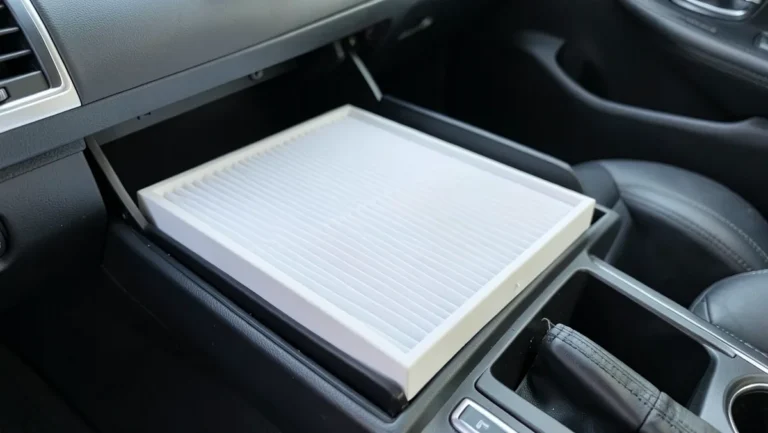
A dirty cabin air filter is often to blame. This filter sits between the outside air and your AC system, trapping dirt and debris. Over time, it can get so clogged that air barely passes through. I check my cabin filter every six months, especially if I drive in dusty areas. Replacing it is easy—most filters are behind the glovebox or under the hood, and it takes just a few minutes.
Blocked vents or a faulty blower motor can also reduce airflow. If your vents are covered with stuff like papers or bags, move them out of the way. A weak blower motor might need repair or replacement, which I’ll cover later.
Faulty Blower Motor or Fan
The blower motor is what pushes air through your vents. If it’s not working right, you’ll get weak airflow, and the evaporator can freeze. I had this issue in my truck a while back—the AC was freezing up because the blower was barely spinning. It turned out the motor was worn out from years of use.
Signs of a bad blower motor include weak air coming from the vents, strange noises like squealing, or no air at all. Sometimes, it’s just a loose connection or a blown fuse, which is an easy fix. Other times, the motor itself needs replacing. If you’re handy, you can test the motor with a multimeter to see if it’s getting power. If not, take it to a mechanic—they’ll diagnose whether it’s the motor, wiring, or something else.
Thermostat or Sensor Issues
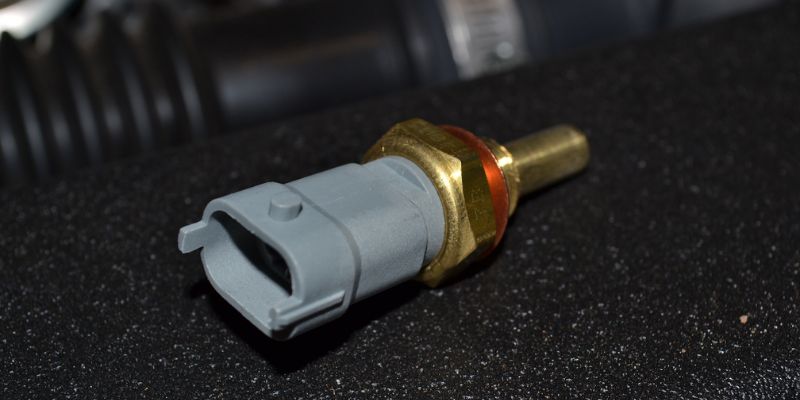
Your car’s AC system relies on sensors to keep the evaporator at the right temperature. If these sensors or the thermostat go haywire, the system might run too cold, causing ice to form. I ran into this with an older car where the evaporator temperature sensor was faulty, making the AC run nonstop.
The thermostat or sensor tells the compressor when to turn on or off. If it’s stuck in the “on” position, the evaporator gets too cold, and frost builds up. Checking sensors requires some technical know-how, so I recommend a professional diagnostic tool to pinpoint the issue. Replacing a sensor isn’t too expensive, but it’s crucial for keeping your AC balanced.
Excess Moisture in the System
Moisture is the enemy of your AC system. When water gets into the refrigerant lines, it can freeze inside the evaporator, causing ice buildup. I learned this after leaving my car parked in a humid garage for weeks. Moisture can sneak in through tiny leaks or if the system wasn’t properly vacuumed out during a recharge.
The AC system has a part called the receiver-drier or accumulator, which traps moisture. If it’s saturated or damaged, it can’t do its job, and water stays in the system. A mechanic can check the dryer and replace it if needed. They’ll also use a vacuum pump to remove moisture before recharging the system. This step is critical—don’t skip it if you’re getting the system serviced.
Overworked Compressor
The compressor is like the heart of your AC system. If it’s working too hard, it can cause the evaporator to get too cold, leading to freezing. I noticed this in my SUV when the AC was running nonstop on a hot day. An overworked compressor might be caused by low refrigerant, a clogged condenser, or even a stuck clutch.
The compressor clutch engages and disengages the compressor as needed. If it’s stuck in the “on” position, the system runs constantly, cooling the evaporator too much. You might hear a clicking noise when the clutch is faulty. A mechanic can test the clutch and compressor to see if they’re the issue. Sometimes, a simple adjustment fixes it; other times, you might need a new compressor, which can be pricey.
Stuck or Faulty Expansion Valve (Orifice Tube)
The expansion valve (or orifice tube on some systems) meters exactly how much refrigerant reaches the evaporator. If it sticks open, too much refrigerant floods the evaporator at once, and the coil surface gets so cold that frost forms even though refrigerant levels are technically fine. This is a different problem than low refrigerant, and it’s one of the most commonly missed causes because the symptoms — weak, icy air — look identical.
Valves can also get physically restricted by wax buildup from the wrong refrigerant oil, sludge from a compressor that’s failed internally, or moisture that freezes right at the metering device itself. Because diagnosing this requires pressure-testing the high and low sides while the AC runs, it’s not a DIY job — a shop with gauge sets can tell in a few minutes whether the valve, not the refrigerant charge, is the actual culprit.
Clogged Condenser
The condenser, usually located in front of your car’s radiator, helps release heat from the refrigerant. If it’s clogged with dirt, bugs, or debris, it can’t do its job, and the system gets out of balance. I’ve seen this happen after driving through a particularly buggy area—my condenser looked like a bug graveyard!
A clogged condenser forces the compressor to work harder, which can lead to the evaporator freezing. To check it, pop the hood and look at the condenser. If it’s dirty, you can clean it with a soft brush and some compressed air. Be gentle—you don’t want to bend the fins. For stubborn grime, a professional cleaning might be needed.
How to Diagnose a Frozen AC
Diagnosing a frozen AC is the first step to fixing it. Here’s how I approach it:
- Check the airflow: Turn on the AC and feel the vents. Weak or no air suggests a frozen evaporator or airflow issue.
- Look for frost: If you can access the evaporator (usually behind the dashboard), check for ice. A flashlight helps.
- Listen for noises: A struggling blower motor or clicking compressor clutch can give clues.
- Test the temperature: If the air starts cold but gets warm, the evaporator might be icing up, blocking airflow.
- Inspect the cabin filter: A dirty filter is an easy fix, so check it first.
If you’re not sure what’s wrong, a mechanic can use diagnostic tools to check refrigerant levels, sensor readings, and component health. I always start with the simple stuff, like the filter, before diving into more complex issues.
Fixing a Frozen AC: Step-by-Step
Once you know why your AC is freezing, here’s how to fix it. These steps have worked for me, depending on the issue:
- Turn off the AC: Let the system thaw by running the heater or just turning off the AC for 30-60 minutes. This melts any ice on the evaporator.
- Replace the cabin filter: If it’s dirty, swap it out. It’s cheap and easy.
- Check the blower motor: If airflow is weak, test the motor or have a mechanic check it.
- Clean the condenser: Remove debris with a brush or compressed air.
- Get a professional recharge: If refrigerant is low or moisture is in the system, a mechanic can fix leaks, vacuum the system, and recharge it.
- Test sensors: A faulty thermostat or sensor needs professional diagnosis and replacement.
For most fixes, you’ll need basic tools like a screwdriver, compressed air, and maybe a wrench. If you’re not comfortable, a trusted mechanic is your best bet.
Troubleshooting Table: Quick Reference Guide
Here’s a table I put together to help you pinpoint and fix the issue:
| Cause | Symptoms | Fix | Tools Needed | Difficulty |
|---|---|---|---|---|
| Low Refrigerant | Weak cooling, frost on vents | Find/fix leak, recharge system | Professional gauge, refrigerant | Hard |
| Poor Airflow | Weak air, warm cabin | Replace cabin filter, clear blocked vents | Screwdriver, new filter | Easy |
| Faulty Blower Motor | Noisy or weak airflow | Test/replace motor | Multimeter, wrench | Moderate |
| Thermostat/Sensor Issue | Constant cooling, ice buildup | Replace sensor | Diagnostic tool | Hard |
| Excess Moisture | Frost, inconsistent cooling | Replace drier, vacuum system | Professional vacuum pump | Hard |
| Overworked Compressor | Clicking noise, constant running | Test clutch, repair/replace | Wrench, diagnostic tool | Hard |
| Clogged Condenser | Weak cooling, hot air | Clean condenser | Brush, compressed air | Easy |
| Stuck Expansion Valve | Icy air despite full refrigerant charge | Pressure-test and replace valve/orifice tube | Manifold gauge set | Hard |
This table is my go-to when I’m troubleshooting. Keep it handy for quick fixes!
Preventing Future Freeze-Ups
Once your AC is back to normal, you’ll want to keep it that way. Here’s what I do to avoid another freeze-up:
- Check the cabin filter regularly: Replace it every 6-12 months or sooner if you drive in dusty areas.
- Keep the condenser clean: Rinse it with a hose or compressed air every few months.
- Avoid overusing the AC: Give it a break on mild days to reduce strain on the compressor.
- Schedule regular maintenance: Have a mechanic check your AC system annually, especially before summer.
- Store your car wisely: Park in a garage or shaded area to reduce moisture buildup.
These habits have saved me from countless AC headaches. A little upkeep goes a long way!
My Personal Experience with a Frozen AC
Let me share a quick story. Last summer, I was driving across Texas in my old SUV, and the AC started blowing warm air with a frosty smell. I pulled over, popped the hood, and found the condenser covered in bugs and dirt. After a quick clean with compressed air, the AC worked better, but it still froze up later. Turns out, the cabin filter was filthy, and the refrigerant was low. A trip to my mechanic fixed it up, and I learned to check those filters religiously. That experience taught me how small issues can add up, but they’re fixable with patience.
Conclusion: Keep Your Cool with a Healthy AC
A frozen car air conditioner is a bummer, especially when you’re sweating in the summer heat. But now you know what causes it—low refrigerant, poor airflow, faulty components, or excess moisture—and how to fix it. Start with simple checks like the cabin filter or condenser, and don’t be afraid to call a professional for trickier issues like leaks or sensor problems. By staying proactive with maintenance, you can keep your AC blowing cold and ice-free.
I hope my tips and personal experiences help you tackle this problem with confidence. There’s nothing better than a cool, comfortable drive, so let’s keep those AC systems running smoothly. Got any AC stories or tricks of your own? I’d love to hear them! Stay cool out there, and happy driving!
Frequently Asked Questions
Can the AC freeze up even if the refrigerant level is fine?
Yes. A stuck-open expansion valve or orifice tube can flood the evaporator with too much refrigerant, freezing the coil even with a full charge. This looks identical to a low-refrigerant freeze-up from the driver’s seat, so a shop needs to pressure-test the system to tell the two apart.
Why does my car’s AC blow warm air when it freezes up?
When the evaporator freezes, ice blocks airflow, so the cool air can’t reach the vents. You might get warm or weak air instead. Turn off the AC to let it thaw, and check for airflow issues like a dirty filter.
Can I fix the low refrigerant myself?
DIY refrigerant kits are available, but I don’t recommend them. Overfilling or missing a leak can damage the system. A mechanic can properly diagnose and recharge the system safely.
How often should I replace my cabin air filter?
Check it every 6 months and replace it every 6-12 months, depending on your driving conditions. Dusty areas or heavy use mean replacing it sooner.
Is a frozen AC dangerous for my car?
It’s not dangerous, but it can strain the compressor and reduce cooling efficiency. Fix it promptly to avoid bigger issues like a damaged compressor.
Can a frozen AC be caused by weather?
Yes, humid or hot weather can contribute. Moisture in the system or overworked components in extreme heat can lead to freezing. Park in a shaded area to help.
How much does it cost to fix a frozen AC?
Costs vary. A new cabin filter is $10-$30. A refrigerant recharge or sensor replacement might run $100-$300. Compressor repairs can be $500 or more. Get a quote from a trusted mechanic.
Products related to this article
Sponsored / affiliate links. As an Amazon Associate I earn from qualifying purchases. I may earn additional commission from eligible campaigns.