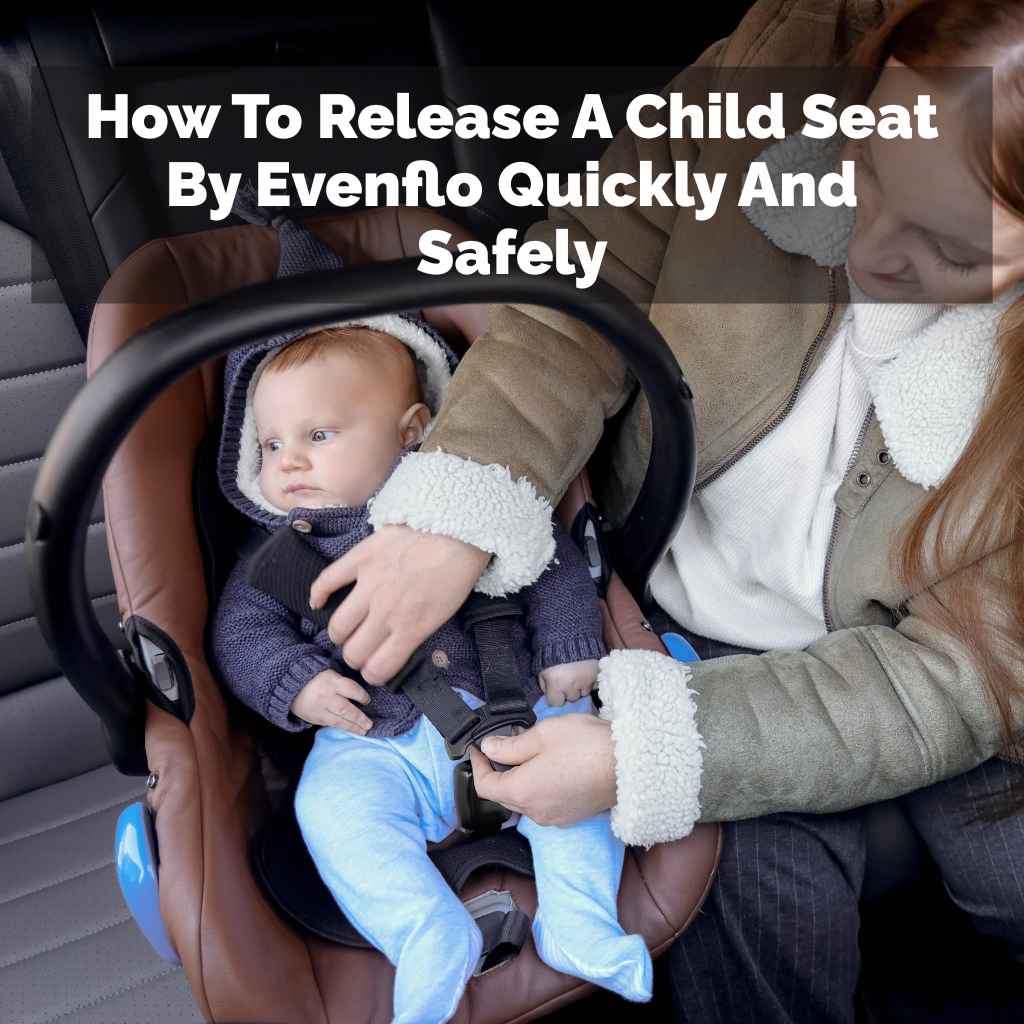
How To Release A Child Seat By Evenflo Quickly And Safely
Most Evenflo car seats release using a simple button or lever. However, sometimes straps can get twisted, or the buckle can snag. Gently wiggling the strap while pressing the release is often the quickest fix.
Always check your specific model’s manual for the exact location of the release.
Understanding Your Evenflo Car Seat Release
Evenflo makes a wide range of car seats. They all share a common goal: keeping your little ones safe. Because of this, they have built-in safety features.
These features are great for protection. But, they can sometimes make releasing the seat a bit tricky. Think of it like a good lock.
It keeps things secure. But you need the right key to open it easily.
Most seats have a central buckle. This is where the harness straps come together. There’s usually a button or a lever on this buckle.
This is the main release point. When you press this button, it should allow the buckle tongues to come apart. This lets you take your child out of the seat.
Other parts of the seat might also have release mechanisms. This can include how the seat attaches to the car’s LATCH system. Or how you adjust the harness height.
Knowing where these are is key. It helps you avoid frustration. It also makes sure you are using the seat correctly.
Safety always comes first.
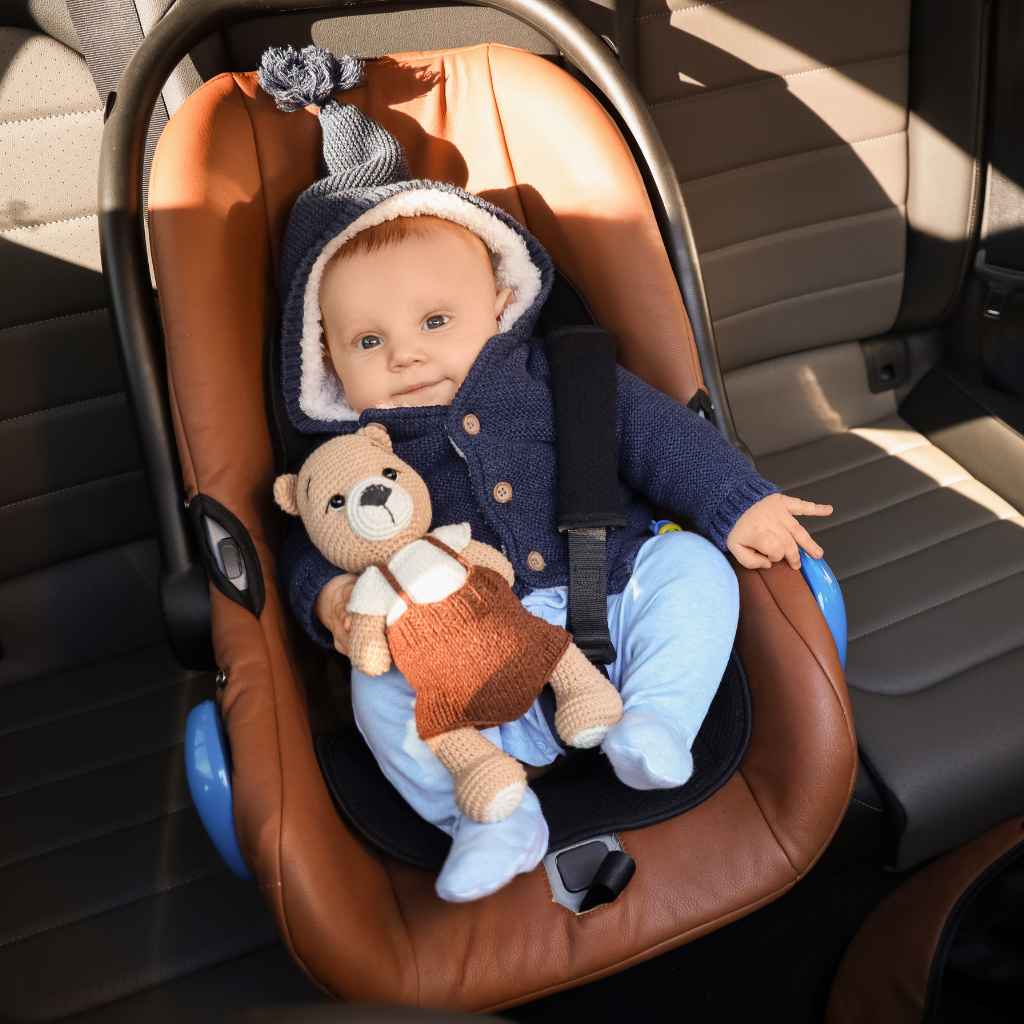
My Own Little Seat Struggle Story
I remember one sweltering summer afternoon. We were leaving the zoo, and my youngest, Leo, was sound asleep. He looked so peaceful.
I gently unbuckled his harness, or at least, I tried. The buckle just wouldn’t pop open. I pressed the button.
I wiggled it. Nothing. My heart started to beat a little faster.
Leo stirred. Panic set in.
I felt my cheeks get hot. Other parents were packing up their strollers nearby. I didn’t want to make a scene or have them see me struggling with a simple buckle.
I tried again, with more force. Still nothing. I could feel sweat dripping down my back.
Then, I looked closely. One of the harness straps had twisted underneath the buckle itself. It was jamming the release mechanism.
Taking a deep breath, I carefully pulled the strap sideways. I wiggled the buckle again while pressing the button. Click!
It opened. Leo blinked awake, totally unaware of my mini-crisis. I felt such a wave of relief.
It was a simple fix, but in that moment, it felt huge. It taught me to always look closely before forcing anything.
Common Places Where Car Seat Buckles Stick
The Button Itself: Sometimes, dirt or sticky residue can get into the button or lever. This can make it hard to press fully.
Twisted Straps: As I found out, a twisted harness strap can easily jam the buckle. It prevents the release mechanism from working.
Misaligned Buckle Tongues: If the two metal tongues of the buckle aren’t perfectly aligned, they might not release easily.
Harness Too Tight: If the harness is pulled very taut, it can put extra pressure on the buckle. This can make it stiff.
Why Release Mechanisms Can Get Tricky
It’s easy to get annoyed when a car seat buckle doesn’t release. But there are usually good reasons for this. Evenflo, like other companies, has to meet strict safety rules.
These rules help ensure the seat is secure in a crash. They also protect children from accidentally opening the buckle themselves.
Imagine a small child playing with the buckle. They might try to undo it. The design prevents this.
It requires a firm press of the button or lever. This is a safety feature. It keeps your child from unbuckling on their own while you’re driving.
So, a slightly stiff buckle can be a sign of good safety design.
Another factor is wear and tear. Over time, things can get a little grimy. Small bits of food or sand can get into the mechanism.
This is common. Most of us have experienced this with other everyday items. A clean seat works better.
Also, how the harness is adjusted can play a role. A harness that’s too loose might not put enough pressure for an easy release. Conversely, a harness pulled too tight can sometimes make the buckle stiff.
The material of the straps and buckle parts can also change slightly with temperature. On very hot days, plastics might be a bit more pliable. On very cold days, they can be stiffer.
This is normal. It’s just the nature of the materials used to keep your child safe in all sorts of weather.
Quick Checks Before You Push
- Look Closely: Is the strap twisted? Is anything stuck in the buckle?
- Feel the Button: Does it push in smoothly? Does it feel stuck?
- Check the Straps: Are they too tight? Try loosening them a tiny bit.
Finding the Release Button on Your Evenflo Seat
Evenflo has many different models. The exact look of the release can vary. But the basic idea is usually the same.
You are looking for a button or a lever on the central buckle. This buckle is where the two metal “tongues” of the harness insert.
Common Locations:
- Front-Facing Button: On many seats, the button is right on the front of the buckle. You press it straight in.
- Side Levers: Some models might have small levers on the sides of the buckle. You push these in or down.
- Top Release: Occasionally, the release might be on the top of the buckle.
Where to Find Your Manual: If you’re ever unsure, the best place to look is your Evenflo car seat’s manual. It will have pictures. It will show you exactly where the release is.
If you don’t have the paper copy, don’t worry. You can usually find a PDF version on the Evenflo website. Just search for your seat’s model number.
This is a great resource for all sorts of questions.
Emergency Tip: If you absolutely cannot find the release and are in a bind, look for a strap that can be loosened to relieve tension on the buckle. Sometimes, just easing the pressure makes the release work. But this should be rare.
With a little practice, you’ll know your seat’s release like the back of your hand.
Troubleshooting: When the Buckle Won’t Budge
So, you’ve found the button. You’ve pressed it. But the buckle just won’t open.
What now? Don’t panic. Most of the time, this is a fixable issue.
It just requires a little patience and a systematic approach.
First, take a deep breath. Stress makes it harder to think clearly. Look closely at the buckle.
Are the two metal parts of the buckle (the “tongues”) perfectly aligned? Sometimes, if they are at a slight angle, they can get stuck. Try wiggling them gently.
You can also try pushing them together slightly before pressing the release button.
Next, check the harness straps. Are any of them twisted? Is one caught under the buckle?
Gently try to untwist any straps. Pull them away from the buckle itself. This can often free up the mechanism.
Make sure the harness is not pulled super tight. Loosening it a little can reduce pressure on the buckle.
If you suspect dirt or debris, you can try cleaning it. Use a damp cloth. You can also try a dry toothbrush.
Gently brush around the button and the opening where the tongues go. Sometimes, a tiny bit of grit can cause problems. For very sticky buckles, a tiny drop of silicone lubricant (NOT oil-based) might help.
But use this sparingly and only if the manual allows. Always wipe away any excess.
If none of these steps work, it’s time to check the manual again. If the problem persists, or if the buckle feels broken, it might be time to contact Evenflo customer service. They can offer specific advice for your model or arrange for a repair or replacement if needed.
Safety is paramount, so don’t keep using a seat that seems faulty.
The “Gentle Wiggle” Technique
This is often the magic trick!
- Press the release button firmly.
- While holding the button, gently wiggle the buckle tongues back and forth.
- Try lifting them slightly or pushing them down.
- Sometimes, a small side-to-side motion helps.
The key is gentle pressure. Forcing it can damage the buckle.
Adjusting Harness Straps for Easy Release
The harness straps are what keep your child secure. But they can also influence how easily the buckle releases. There’s a balance to strike.
The harness needs to be snug enough for safety. But not so tight that it makes the buckle impossible to open.
The Pinch Test: A common way to check if the harness is adjusted correctly is the pinch test. After buckling your child in and tightening the harness, try to pinch the strap vertically between your thumb and forefinger. If you can pinch a fold of strap, it’s too loose.
You should not be able to pinch any slack.
Impact on Release: When the harness is extremely tight, it can put a lot of tension on the buckle mechanism. This tension can make the internal parts of the buckle stiff. It’s like trying to open a sticky jar lid when someone is holding it super tight.
Loosening the harness just a tiny bit can relieve this pressure. It often makes the release button much easier to press.
Finding the Sweet Spot: When you’re adjusting the harness, aim for that sweet spot. It should be snug against your child’s body. You shouldn’t be able to easily move it around.
But you also shouldn’t have to fight the buckle to get it to open. Spend a moment after buckling to ensure it’s secure but not overly strained.
Strap Positions: Remember that harness straps should always come from the shoulder slots that are at or slightly above your child’s shoulders for a rear-facing seat. For a forward-facing seat, they should be at or slightly below. This placement ensures proper safety and can also affect how the straps interact with the buckle.
When to Consider a Different Approach or Help
Most of the time, a stuck car seat buckle is a minor issue. It can be fixed with a few simple tricks. However, there are times when you might need to step back and consider other options.
Safety is the absolute priority. If you ever doubt the integrity of the car seat’s buckle or release mechanism, do not use it.
Visible Damage: If you see any cracks, bends, or broken pieces on the buckle itself or the release button, stop using the seat. These components are critical for safety. Damage could mean the buckle won’t function correctly in an accident.
Persistent Sticking: If the buckle is consistently hard to release, even after cleaning and checking for twists, it might be wearing out. Materials can degrade over time. This is especially true if the seat has been exposed to extreme temperatures or has been in a minor fender bender (even if the car seat wasn’t directly impacted, the forces can affect it).
Contacting Evenflo: Your first line of defense is always the manufacturer. Evenflo has a customer service department ready to help. They can guide you through specific troubleshooting for your model.
They can also tell you if the seat needs repair or replacement. Many seats have a lifespan of 6-10 years from the date of manufacture. Check your manual for this information.
Professional Inspection: In some areas, certified child passenger safety technicians (CPSTs) offer car seat checks. They can inspect your seat for damage and ensure it’s installed correctly. They can also demonstrate how to properly buckle and unbuckle your child.
You can often find local CPSTs through your local fire department, police department, or hospital.
Signs It Might Be Time to Replace or Repair
- Cracked or Broken Plastic: Anywhere on the buckle.
- Bent Metal Parts: On the buckle tongues or the release mechanism.
- Sticky or Gritty Feel: That won’t go away with cleaning.
- Difficulty Releasing: Every single time, even with simple checks.
- Seat is Expired: Check the manufacture date.
- Seat Has Been in an Accident: Even minor ones.
Real-World Scenarios: Buckle Woes
Let’s talk about some common situations you might face with an Evenflo car seat buckle.
Scenario 1: The “Sticky Summer Day” Buckle. It’s 95 degrees Fahrenheit out. You’ve been at a park for hours. Your child is hot and fussy.
You go to unbuckle them, and the buckle is incredibly stiff. The plastic feels soft. The release button is hard to push.
This is due to the heat affecting the plastic. Try to find some shade. Let the seat cool a bit.
Then, try the gentle wiggle technique. You might also need to loosen the harness slightly before it will pop.
Scenario 2: The “Crumbs and Cheerios” Buckle. Your child loves snacks. Unfortunately, crumbs and bits of food tend to find their way into every nook and cranny. After a few weeks of snacks, the buckle starts to feel gritty.
The release button doesn’t move smoothly. You might hear a slight grinding sound. This is when a good cleaning is needed.
Use a soft brush. Get into all the spaces. You might need to gently spray a tiny bit of water or cleaner onto a cloth, not directly into the buckle, and wipe it down.
Scenario 3: The “Twisted Strap” Surprise. You’re in a rush to get out of the grocery store. Your child has been fidgeting. You go to unbuckle them, and it’s stuck.
You press the button, but nothing happens. You look closer and see that one of the harness straps has somehow gotten itself twisted right under the buckle’s release lever. This jams the whole thing.
Gently pull the strap to the side. Untwist it. Then try the release again.
Scenario 4: The “Over-Tightened Harness” Problem. You just finished adjusting the harness and it feels super secure. You go to release it, and it’s really stiff. The harness is still so taut that it’s putting a lot of pressure on the buckle mechanism.
Try loosening the harness adjustment strap just a tiny bit. This often releases the tension. Then the buckle should release easily.
Remember to re-tighten it correctly before your next drive.
Quick Comparison: Normal vs. Concerning Buckle Behavior
| Normal Behavior | Concerning Behavior |
|---|---|
| Slightly stiff in extreme temperatures. | Completely stuck or requires excessive force. |
| Requires a firm, deliberate press of the button. | Button feels loose, broken, or won’t depress. |
| May need a gentle wiggle to release. | Metal buckle tongues are bent or deformed. |
| Works reliably after cleaning. | Continues to stick after thorough cleaning. |
What This Means For You: Peace of Mind
Understanding how to release your Evenflo car seat is more than just a convenience. It’s about empowering yourself as a parent. When you know how your seat works, you feel more in control.
This reduces stress during those busy moments.
When It’s Normal to Be a Little Stiff: As we’ve seen, a bit of stiffness on a very hot or very cold day is normal. A buckle that requires a firm press is a sign of a good safety mechanism. Also, if the harness is very tight, the buckle might feel a bit stiffer until that tension is released.
When to Start Worrying: You should worry if the release button feels broken. Or if you have to yank the strap hard to get it open. Any visible damage is a major red flag.
If the buckle won’t release after simple checks and cleaning, it’s time to investigate further.
Simple Checks to Do Regularly: Make it a habit to glance at the buckle. Does it look clean? Do the straps seem to be laying flat?
Before you put your child in the seat, a quick check can save you trouble later. Periodically, you can also test the release mechanism when the seat is empty. This way, you know how it should feel.
Having a car seat that releases easily means safer, quicker transitions. It means less fuss for you and your child. It means you can focus on the road ahead, confident that your child is safely secured and can be taken out without a struggle.
Quick Tips for a Smoother Release
Here are some handy tips to keep your Evenflo car seat buckle working smoothly. These are simple things you can do regularly.
- Keep it Clean: Regularly wipe down the buckle and release button with a damp cloth. Use a dry toothbrush to get into small spaces. Avoid harsh chemicals.
- Check for Twists: Before you buckle your child in, ensure the harness straps are not twisted. This is a common culprit for sticking buckles.
- Adjust Harness Smartly: Make sure the harness is snug but not excessively tight. This reduces pressure on the buckle.
- Inspect Regularly: Give the buckle a quick visual check every so often. Look for any obvious damage or debris.
- Know Your Manual: Keep your car seat manual handy or saved digitally. It’s your best resource for model-specific information.
- Practice Makes Perfect: Unbuckle the seat a few times when you’re not in a rush. This helps you get familiar with how it should feel.
- Gentle Wiggle: If it feels a little stiff, try the gentle wiggle technique while pressing the release.
Frequently Asked Questions About Evenflo Car Seat Release
How do I release the buckle on my Evenflo car seat?
Most Evenflo car seats have a release button on the front of the central buckle. You press this button firmly while separating the buckle tongues. Some models may have small levers on the sides.
Always refer to your specific Evenflo model’s manual for exact instructions.
My Evenflo car seat buckle is stuck. What should I do?
First, remain calm. Check if the harness straps are twisted or caught under the buckle. Gently wiggle the buckle tongues while pressing the release button.
Ensure the harness isn’t overly tight. If the problem persists, clean the buckle area and check your manual. Contact Evenflo customer service if needed.
Can heat make my Evenflo car seat buckle hard to release?
Yes, extreme heat can make the plastic components of the buckle and release mechanism more pliable and sometimes stiffer. On very hot days, the buckle might feel a bit harder to press. Allow the seat to cool slightly in the shade if possible.
The gentle wiggle technique often helps in these situations.
How do I clean my Evenflo car seat buckle?
Use a damp cloth to wipe down the buckle. For stubborn dirt or crumbs, use a dry toothbrush to gently scrub the release button and crevices. Avoid using soaps or harsh chemicals directly on the buckle, as they can damage the plastic or the mechanism.
Always let it air dry completely.
What if the release button on my Evenflo seat feels broken?
If the release button feels loose, does not depress, or appears cracked or damaged, do not use the seat. This indicates a potential safety issue. Contact Evenflo customer service immediately for guidance on repair or replacement.
How often should I check my Evenflo car seat buckle for issues?
It’s a good idea to do a quick visual check of the buckle and straps each time you buckle your child in. Periodically, especially after cleaning or if you notice stiffness, test the release mechanism when the seat is empty to ensure it’s working properly.
Wrapping Up: Easy Release for Peace of Mind
You’ve got this! Releasing your Evenflo car seat doesn’t have to be a struggle. By understanding your seat’s design and knowing a few simple troubleshooting tips, you can make this part of your day much smoother.
Remember that a little patience and careful observation go a long way. Your child’s safety is always the main focus, and an easily released seat contributes to that peace of mind.
Products related to this article
Sponsored / affiliate links. As an Amazon Associate I earn from qualifying purchases. I may earn additional commission from eligible campaigns.