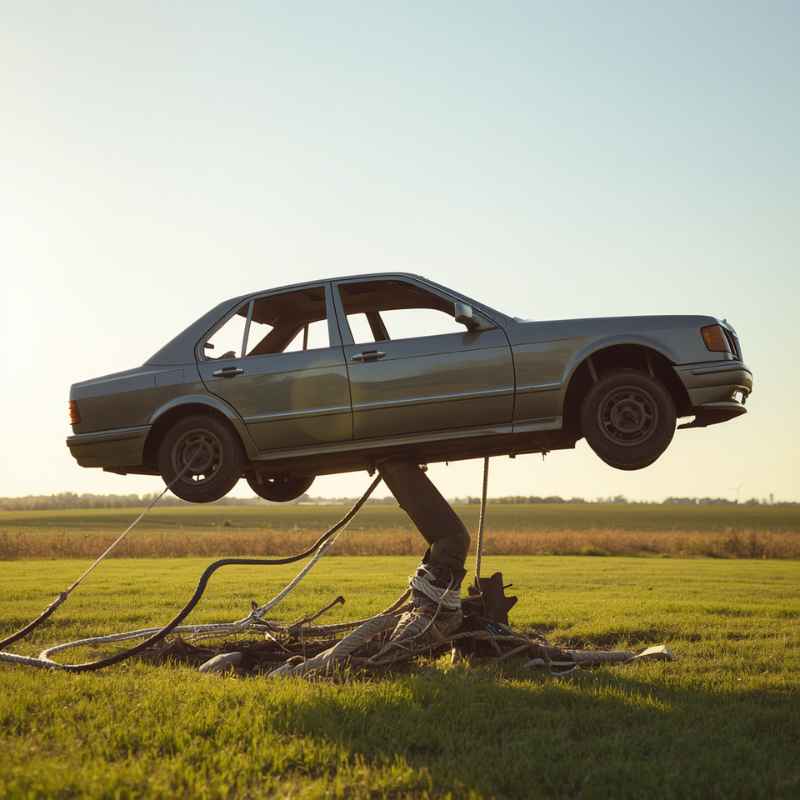
How To Move A Car With No Wheels (Without Damaging It)
Moving a car with no wheels requires special tools like car dollies or a flatbed truck. If you can’t lift the car, use a tow dolly or trailer. Always protect the vehicle’s body and frame during the move to prevent damage.
Understanding the Challenge of Moving a Wheel-less Car
When a car loses its wheels, it stops being a vehicle you can just drive. It becomes a heavy object that needs to be lifted or slid. Think of it like trying to push a dresser across a carpet.
It drags and catches. A car is much heavier and more complex. Its body, frame, and undercarriage are not designed to rest directly on the ground or slide on rough surfaces.
This is why special methods are needed. You need to support the car in ways that don’t put stress on the wrong parts.
The main problem is that the car’s weight is usually distributed through the wheels and tires. These act like cushions and allow smooth rolling. Without them, the full weight of the car presses down on whatever it’s resting on.
This can be the ground, a concrete surface, or even the bed of a truck. This direct pressure can bend metal, crack plastic, and ruin paint. You also lose the ability to steer or control the car’s direction easily.
It becomes an uncontrolled load.
So, the goal is to lift the car off its base. Then, you need a way for it to roll or slide smoothly. This usually involves specialized equipment.
You can’t just grab a few friends and heave it. That approach rarely works and often leads to injury or damage. We need a plan that uses the right tools for the job.
Safety for both people and the car is the top priority. Let’s explore what those tools are.
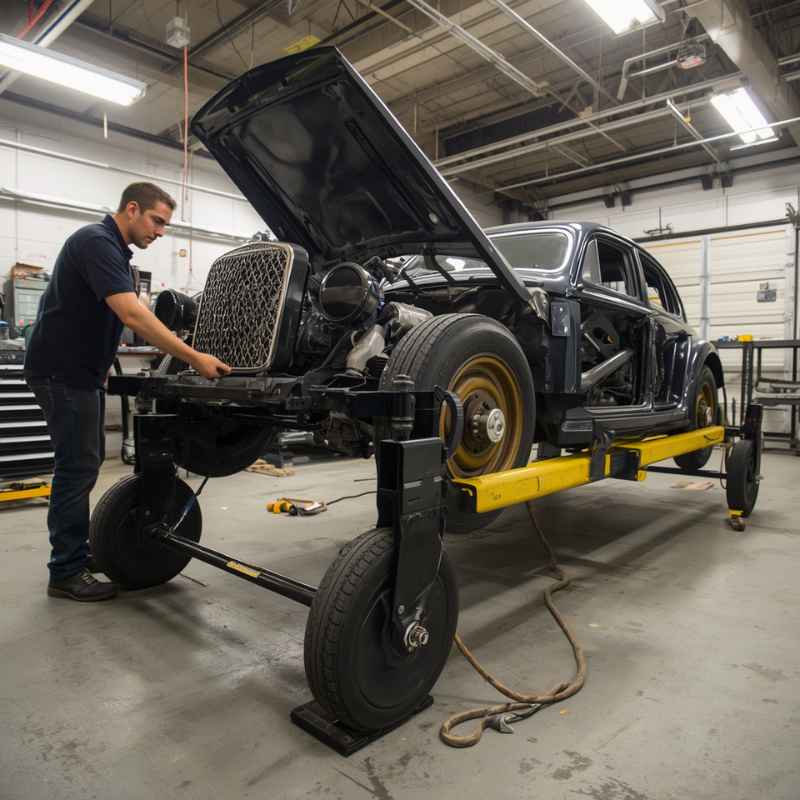
My Own Wheel-less Car Saga
I remember one particularly frustrating afternoon. I was helping a friend move. His old project car had a flat tire that refused to budge.
It wasn’t just flat; the sidewall had completely shredded. The wheel was basically sitting on the rim, digging into the asphalt. We needed to get it out of his driveway and onto a trailer.
The driveway was slightly sloped, and the car was awkwardly positioned.
We tried everything. We thought maybe we could just push it. That was a terrible idea.
The weight was immense. The rim dug in further, making horrible scraping sounds. I could feel the car resisting every tiny push.
My friend looked panicked. He’d already spent a fortune on this car and couldn’t bear the thought of scratching the paint or bending the frame. I felt that sinking feeling too.
It was hot, we were tired, and the car was stubborn.
That’s when I realized brute force wasn’t the answer. We needed a smarter approach. We ended up having to rent a specific piece of equipment.
It took time and cost a bit more than we planned. But seeing that car glide smoothly onto the trailer later, without a single new mark, was a huge relief. It taught me a valuable lesson: when dealing with a wheel-less car, use the right gear.
Don’t force it. It will save you headaches and money in the long run.
Key Equipment for Moving a Wheel-less Car
Car Dollies: These are like small, heavy-duty platforms with wheels. You place one under each wheel hub (or where the wheel used to be). They allow the car to roll freely, almost like a shopping cart.
You might need four dollies if all wheels are gone. They are great for short distances in a controlled area.
Skates or Sliders: Similar to dollies, but often lower profile. They are designed to slide the car smoothly. They can be very useful if you need to maneuver the car into a tight spot, like a garage, where a trailer might not fit.
They work well on smooth surfaces like concrete or asphalt.
Tow Dolly: This is a small trailer designed to lift the front or rear wheels of a car. You drive the car onto the dolly. The dolly then has its own wheels to be towed by another vehicle.
You’d still need to deal with the wheels that are on the ground, possibly with skates.
Flatbed Tow Truck: This is often the easiest and safest option. The entire car is winched onto the back of a flatbed truck. The truck then transports the car.
It’s ideal for longer distances and minimizes risk to the car’s body and frame.
Why Your Car Needs Specific Support
Cars are built to handle forces in specific ways. The frame is strong, but it’s designed to distribute weight and absorb shocks through the suspension and tires. When those wheels are gone, the frame is left to bear the brunt.
Imagine trying to carry a heavy table by only holding the very edge of its top surface. It would likely bend or break. The car’s frame can do the same if not supported correctly.
The undercarriage is also full of delicate parts. There are brake lines, fuel lines, exhaust pipes, and sensors. If the car is dragged on the ground, these can be easily ripped, crushed, or torn.
This would not only cost a lot to fix but could also be a safety hazard. A broken fuel line, for instance, is a fire risk. Damaged brake lines mean the car wouldn’t be safe to drive even after you fix the wheels.
Even the body panels can suffer. A slight misalignment when lifting or sliding can cause doors to jam, fenders to bend, or paint to chip. This is especially true for older cars or those with custom body kits.
The goal is to lift the car so that its weight is supported by strong points. These are usually the frame rails or the suspension mounting points. This prevents stress on weaker areas.
Lifting Points Matter
Frame Rails: These are the strongest parts of the car’s chassis. They run lengthwise under the car. Most heavy lifting and towing equipment will attach here.
Suspension Components: Sometimes, lifting points are integrated into the suspension. This is less common for moving a whole car without wheels, but it’s a point of reference.
Avoid: Never lift or drag a car by the oil pan, exhaust system, or plastic body parts. These are not designed for that kind of stress.
Methods for Moving a Car Without Wheels
Let’s break down the most effective ways to move your wheel-less vehicle. Each method has its pros and cons. The best choice depends on your situation, your tools, and the distance you need to move the car.
Using Car Dollies
Car dollies are often called wheel dollies or auto dollies. These are robust, caster-like devices. You slide one under each corner of the car where a wheel would normally be.
The car is then lifted slightly, and the dollies take the weight. This allows you to push or pull the car manually or with a winch.
How it works: You’ll need a way to lift each corner of the car. This could be a floor jack, a car lift, or even a high-lift jack if you’re on uneven ground. Once a corner is lifted enough, you slide the dolly underneath.
Repeat for all four corners. Then, carefully lower the car onto the dollies.
Pros:
- Allows for precise maneuvering in tight spaces.
- Relatively inexpensive if you rent them.
- Gives you direct control over movement.
Cons:
- Requires a lifting device (jack).
- Can be difficult for very heavy vehicles.
- Not suitable for long distances or rough terrain.
- You need to ensure the dollies are rated for the car’s weight.
In my friend’s case, this might have been an option if his driveway was perfectly flat and we only needed to move it a few feet. But the slope and the need to get it onto a trailer made it less practical.
Using Skates or Sliders
Skates are similar to dollies but often designed to slide rather than roll. Think of them as extremely low-friction pads that go under the car’s frame or suspension. You might use these in combination with a winch or a tow strap.
How it works: You place the skates under the car, usually near the frame rails or suspension points. Then, you use a winch or a strong tow strap attached to another vehicle to pull the car. The skates reduce friction, allowing the car to slide across the ground.
Pros:
- Can work on surfaces where dollies might get stuck.
- Good for getting cars into garages or workshops.
- Often lower profile than dollies.
Cons:
- Can be hard to control the direction precisely.
- Might still require lifting the car slightly to place them.
- Surface needs to be relatively smooth.
- Risk of scratching the undercarriage if not careful.
I’ve seen mechanics use these to slide wrecked cars around their shop. They’re handy for short, controlled movements. They’re not ideal for public roads or long distances because control is limited.
Using a Tow Dolly
A tow dolly is a small trailer that attaches to the back of another vehicle. It has ramps to drive the front wheels of the car onto it. The tow dolly then lifts the front of the car off the ground.
The car’s rear wheels remain on the ground and roll. This setup is often used for towing disabled vehicles.
How it works: You need a vehicle with a tow hitch capable of pulling the weight of the car and dolly. You back the tow dolly up to the car. Then, you drive the car’s front wheels onto the dolly’s ramps.
You secure the car to the dolly. The rear wheels will need to be able to roll freely. This means if your car has a flat in the rear, you’ll need to address that first, perhaps by putting it on dollies.
Pros:
- Allows you to tow a car with your own vehicle.
- Faster than dollies for moderate distances.
- Keeps the car’s drivetrain somewhat protected if the front is lifted.
Cons:
- Requires a powerful enough tow vehicle.
- You still need to deal with the wheels that are on the ground. If those are the ones with issues, this method won’t work directly.
- Can be challenging to maneuver, especially in reverse.
- Not ideal for very heavy trucks or SUVs.
This is a good option if one axle is the problem and the other is functional. For a car with no wheels at all, it means you’d likely need to put the rear on dollies while the front is on the tow dolly. That’s a lot of steps.
Using a Flatbed Tow Truck
This is the gold standard for moving a car with severe issues like no wheels. A flatbed tow truck has a large, flat platform that can be tilted and lowered to the ground. The car is then winched onto this platform.
How it works: You call a towing company. They send a flatbed truck. The driver positions the truck.
They tilt the bed and lower a ramp. They use a winch to pull your car onto the flatbed. The car is then secured for transport.
The entire vehicle is off the ground.
Pros:
- Safest method for the car.
- No stress on the frame or body.
- Suitable for any distance.
- Handles all types of vehicles and damage.
- No need for specialized lifting equipment on your end.
Cons:
- Can be the most expensive option.
- Requires scheduling with a towing service.
This is usually the go-to for anything beyond a very short, controlled move. If you’re not experienced with towing or lifting heavy objects, this is the way to go to avoid costly mistakes.
Quick Scan: Choosing Your Method
| Method | Best For | Difficulty | Cost |
|---|---|---|---|
| Car Dollies | Short, precise moves on flat surfaces. | Medium (requires lifting) | Low to Medium (rental) |
| Skates/Sliders | Sliding into tight spots, garages. | Medium (requires pulling/winching) | Low to Medium (rental) |
| Tow Dolly | Towing with your own vehicle (if one axle rolls). | Medium to High (requires towing skill) | Medium (rental) |
| Flatbed Truck | Any distance, maximum safety, severe damage. | Low (you just make a call) | High |
Preparing Your Car for the Move
Before you start lifting or sliding, take a moment to prepare. This step is crucial for preventing damage. Think of it like packing a fragile item before shipping it.
You want to protect the vulnerable parts.
Inspect for Hazards
Walk around the car. Look for anything loose or hanging. Are there any sharp edges from the damaged wheels or undercarriage?
You don’t want these snagging on your lifting equipment or the ground. If you have loose parts, you might need to temporarily secure them with tape or bungee cords. Be careful not to tape anything to painted surfaces if possible, as some tapes can damage paint.
Clear the Area
Make sure the path the car will take is clear. Remove any obstacles like garden tools, toys, or debris. If you’re moving it in a garage, clear out everything else.
This prevents accidental bumps and scrapes. For outdoor moves, ensure the ground is as smooth as possible. Remove stones or sharp objects that could further damage the car’s undercarriage.
Consider Weight Distribution
The car’s weight isn’t evenly distributed. The engine is usually in the front, making it heavier there. When lifting, try to lift from strong points.
Distribute the load evenly across your lifting equipment. If you’re using jacks, ensure they are placed on a solid base and are stable.
Safety First!
Wear Gloves: Protect your hands from grease, dirt, and sharp edges.
Sturdy Shoes: Always wear closed-toe, sturdy shoes. You don’t want to stub your toes or get your feet caught.
Eye Protection: When working under a car or with lifting equipment, safety glasses are a must.
Work with a Friend: Lifting and moving heavy objects is much safer with an extra pair of hands.
Know Your Limits: If a car is too heavy or the situation is too complex, don’t risk injury or damage. Call a professional.
Step-by-Step: Moving with Car Dollies
This is a common method for DIY moves in a controlled environment like a driveway or garage. Remember, this is for short distances only.
Step 1: Gather Your Equipment
You’ll need:
- Four car dollies rated for your car’s weight.
- A reliable floor jack or high-lift jack.
- Wheel chocks (to prevent rolling when lifting).
- Gloves and safety glasses.
- A friend to help.
Step 2: Position and Chock
Park the car on a level, solid surface. Place wheel chocks securely against the wheels that are NOT being lifted first. This prevents the car from rolling unexpectedly.
Step 3: Lift and Place the First Dolly
Using your jack, lift one corner of the car just enough to slide a dolly underneath. Position the dolly so its wheels are aligned to roll in the direction you want to move the car. Slowly lower the car onto the dolly.
Step 4: Repeat for Remaining Corners
Move to the opposite corner and repeat the lifting and dolly placement. Then, lift and place the other two dollies. You should now have all four corners of the car resting on dollies.
Step 5: Remove Chocks and Move
Once all dollies are in place and the car is resting on them, remove the wheel chocks. Now, you can carefully push or pull the car. A second person pushing or guiding is very helpful.
For heavier cars, a winch attached to another vehicle might be necessary.
It takes patience. You’re essentially pushing a very heavy, wheeled object. Go slow and steady.
If you feel a lot of resistance, stop and check that the dollies are positioned correctly and are not binding.
Infographic: Dolly Deployment Flow
Start: Car stationary on ground.
Action: Lift corner 1. Result: Place Dolly 1.
Action: Lift opposite corner 2. Result: Place Dolly 2.
Action: Lift corner 3. Result: Place Dolly 3.
Action: Lift corner 4. Result: Place Dolly 4.
Final: Car rests on 4 dollies. Move carefully.
Real-World Scenarios and Considerations
What if your car is in a tight spot? Or what if the ground isn’t perfectly smooth?
Scenario 1: Garage Move
Let’s say your car lost a wheel inside your garage. You need to get it out. Space is limited.
This is where car dollies or skates shine. You can use them to carefully maneuver the car out of its spot. The smooth concrete floor of a garage is ideal for these tools.
You’ll need to ensure there’s enough clearance for the car’s body panels. Measure your car and your garage openings. Sometimes, you might need to turn the car sideways to get it through a narrow doorway.
Scenario 2: Driveway Breakdown
If your car breaks down in the driveway and has no wheels, you might need to move it to a different spot or onto a trailer. If the driveway is sloped, this becomes trickier. Dollies can still work, but you need to be extra careful.
Use strong wheel chocks. Consider using a winch to control the descent or ascent. A flatbed tow truck is often the safest bet for sloped driveways to avoid the car rolling away or getting damaged.
Scenario 3: Public Road Emergency
If your car has no wheels on a public road, you absolutely need professional help. Trying to move it yourself with dollies or skates on a busy street is dangerous. You could block traffic, and your equipment might not be stable enough for the terrain.
Call a towing service immediately. They have the proper equipment and training to handle roadside emergencies safely.
Common Roadside Mistakes to Avoid
Trying to drag the car: This will severely damage the undercarriage and body.
Using inadequate jacks: Jacks not rated for the car’s weight can collapse.
Not securing the car: A car on dollies can roll away if not properly secured.
Ignoring the suspension: Pushing down on weak parts of the suspension can cause more damage.
Driving without wheels: This is obviously impossible and damaging.
What This Means for Your Car’s Health
When you move a car with no wheels, the stakes are high. The wrong approach can lead to expensive repairs and cosmetic damage.
When is it “Normal” Damage?
If you use proper equipment like dollies or a flatbed, the “damage” is minimal. You might get a few scuffs on the undercarriage if you’re not careful with dollies, but this is usually minor. The car’s frame and body should remain untouched.
The main goal is to get the car to a repair shop without further damage.
When Should You Worry?
You should worry if you notice:
- New dents or creases in the body panels.
- Scratches or gouges on the paintwork, especially on lower parts.
- The car is not sitting level on the dollies or trailer.
- Strange noises during the move (grinding, scraping).
- Anything feels loose or unstable.
These signs indicate that the car is not being supported correctly. It’s putting stress on the wrong parts. If you see these, stop immediately.
Re-assess your method or call a professional tow truck. It’s better to pay for a tow than for major body or frame repairs.
Simple Checks Before and After
Before the Move:
- Visually inspect the car for anything that could snag or drag.
- Check that your lifting equipment (jack, dollies) is in good condition and rated for the weight.
- Ensure the surface you’re moving on is clear and as smooth as possible.
After the Move:
- Do a quick walk-around inspection of the car. Look for any new marks or damage.
- Check under the car for any signs of dragging or scraped parts.
- If the car was moved onto a trailer or truck, ensure it’s secured properly before transport.
Quick Fixes and Preventative Tips
While there aren’t many “quick fixes” for a car with no wheels, prevention and smart choices are key.
1. Invest in Basic Safety Gear
If you do a lot of car maintenance or have an older vehicle prone to issues, consider having a set of sturdy car dollies or a good quality floor jack. Knowing you have the right tools can save you a lot of stress.
2. Regular Tire Maintenance
The best way to avoid this situation is to keep your tires in good condition. Check tire pressure regularly. Inspect them for wear and tear.
Replace them before they become a hazard. A blowout is a common reason for a car to lose a wheel suddenly.
3. Know Your Towing Options
Familiarize yourself with local towing companies. Have a few numbers saved in your phone. Understand their pricing for different types of tows (flatbed vs.
hook and chain). This knowledge is invaluable in an emergency.
4. Drive Carefully in Bad Conditions
Potholes, rough roads, and debris can all contribute to tire and wheel damage. Drive cautiously, especially in areas you know are poorly maintained.
Prevention Checklist
- Tire Pressure: Check monthly.
- Tread Depth: Inspect regularly for wear.
- Sidewall Condition: Look for cracks or bulges.
- Spare Tire: Ensure it’s inflated and ready.
- Jack & Tools: Know where they are and how they work.
Frequently Asked Questions About Moving Wheel-less Cars
Can I drag my car if it has no wheels?
No, you absolutely should not drag a car with no wheels. This will cause severe damage to the car’s body, frame, undercarriage, and possibly even the drivetrain. It can also create a dangerous situation if parts break off.
How much does it cost to tow a car with no wheels?
The cost varies greatly depending on your location, the towing company, and the distance. A local tow on a flatbed truck might range from $100 to $300 or more. Some companies charge by the mile, while others have a flat rate for basic towing.
What is the safest way to move a car with a blown tire?
If one tire is blown but the wheel is still intact, it’s possible to carefully drive a very short distance on the rim to a safer spot. However, for any significant distance or if the wheel is damaged, it’s best to use dollies or call a tow truck. If the wheel is completely off or severely damaged, a flatbed tow truck is the safest option.
Can I use a car jack to lift the entire car to put dollies under?
It is generally not safe or practical to lift an entire car with a single jack. Cars are designed to be lifted at specific points. Using a floor jack on frame rails to lift one corner at a time, and then placing dollies, is the standard procedure.
For complete lifting, professional equipment like a car lift is needed, which is not typically available for roadside use.
Do I need special dollies for the front or rear of the car?
Standard car dollies are usually designed to fit under most wheel hubs. You don’t typically need separate front or rear dollies. What matters most is that the dollies are rated for the weight of your car and are placed correctly under the suspension or frame points where the wheels would normally be attached.
What if the car is stuck in mud or on uneven ground without wheels?
If a car with no wheels is stuck in mud or on very uneven ground, it becomes a much more complex situation. Attempting to move it with dollies or skates can cause them to sink or get stuck. In such cases, professional towing services with specialized equipment (like winches capable of handling extreme angles or off-road recovery gear) are almost always necessary.
It’s usually not a DIY job.
Conclusion
Dealing with a car that has no wheels is a challenge. It requires careful planning and the right tools. Remember, your main goal is to move the car without causing further damage.
Always prioritize safety. For most situations involving a complete lack of wheels, especially for longer distances or less than ideal conditions, a flatbed tow truck is your best and safest bet. If you’re in a controlled environment for a very short move, dollies can work.
With the right knowledge and approach, you can navigate this frustrating situation successfully.
Products related to this article
Sponsored / affiliate links. As an Amazon Associate I earn from qualifying purchases. I may earn additional commission from eligible campaigns.