Best Car Cleaning Tools for Drivers (2026): We Compared
The best car cleaning tools for everyday drivers are microfiber towels, a wash mitt, a bucket with grit guard, interior cleaner, glass cleaner, and a wheel brush; if you want the shortest path from zero to covered, the Chemical Guys 17-piece kit is the broadest single buy.
Quick comparison
| Product | Badge | Best for | Price | ||
|---|---|---|---|---|---|
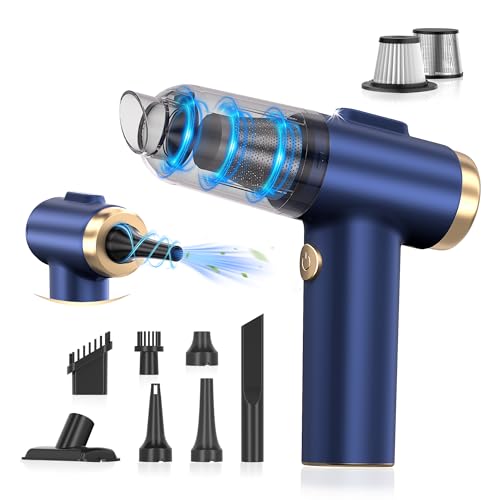 |
Car Vacuum Cleaner, 2-in-1 Portable Mini Car Vacuum CleanerRLCHFEI | Our pick | Cordless car vacuum · 21000Pa · 2-in-1 vacuum/blower | $25.99
Price as of 10 Nov 2026
|
View |
 |
BLACK+DECKER dustbuster AdvancedClean Handheld VacuumBLACK+DECKER | Also great | Cordless hand vacuum · compact · charging station | $49.99
Price as of 10 Nov 2026
|
View |
 |
Bissell Pet Hair Eraser Cordless Hand VacuumBissell | Also great | Cordless pet hand vacuum · home, auto, upholstery | $89.97
Price as of 10 Nov 2026
|
View |
 |
Chemical Guys 17-Piece Car Detailing KitChemical Guys | Pair with it | 17-piece detailing kit · interior, wheels, wash | $104.99
Price as of 10 Nov 2026
|
View |
Think in jobs, not shopping carts. A towel dries and wipes. A mitt protects paint during washing. Brushes reach vents, badges, wheels, and seams, and the right cleaner matches the surface that needs it, not the whole cabin.
The starter kit below ranks the common tools by first purchase, then shows where each one matters for pet owners, commuters, families, and lease returns.
How we chose
This guide uses manufacturer specs, listing details, and published buyer feedback, with attention to what fails first in real ownership: streaking glass, scratched paint, trapped grit, embedded pet hair, and brushes that are too soft or too large for the job.
The goal is not to buy everything. Buy the few tools that fit the mess you actually make, then add only when a specific task demands it.
Every pick here covers a common everyday driver job: wash, dry, wipe, dust, clean glass, clear wheels, or reach seams and vents without cross-contaminating surfaces.
Car cleaning tools table
| Tool | First purchase | Use case | Avoid if | Replacement cadence | Optional by driver type |
|---|---|---|---|---|---|
| Microfiber towels | Buy first | Lint-free drying, glass wiping, interior dusting, final touch-up | You only want disposable paper products or one towel for every surface | Wash and reuse; retire when fibers mat, edges fray, or they leave lint | Pet owners, commuters, families, lease returns |
| Wash mitt | Buy first | Safe contact wash for paint with microfiber or chenille fibers | You plan to use a sponge on clear coat | Wash after use; replace when fibers flatten or seams fail | Pet owners, families, lease returns |
| Bucket with grit guard | Buy first | Two-bucket wash method, grit separation, safer rinse cycle | You only rinse one mitt in the same water you wash with | Bucket lasts a long time; replace if cracked or lid threads fail | Commuters, families, lease returns |
| Car wash soap | Buy first | pH-balanced bucket washing that is safe for clear coat | You plan to use dish soap or household soap on exterior paint | Keep capped and stored properly; most cleaners and waxes should last at least a year | All drivers |
| Interior cleaner | Buy first | Plastic, vinyl, and trim cleanup with a matte or dressed finish choice | You need an exterior soap or a glass-only product | Keep capped and stored properly; most cleaners and waxes should last at least a year | Pet owners, commuters, families, lease returns |
| Glass cleaner | Buy first | Streak-free inside and outside glass cleaning | You are using a cleaner that is not safe for tinted glass | Keep capped and stored properly; most cleaners and waxes should last at least a year | Commuters, families, lease returns |
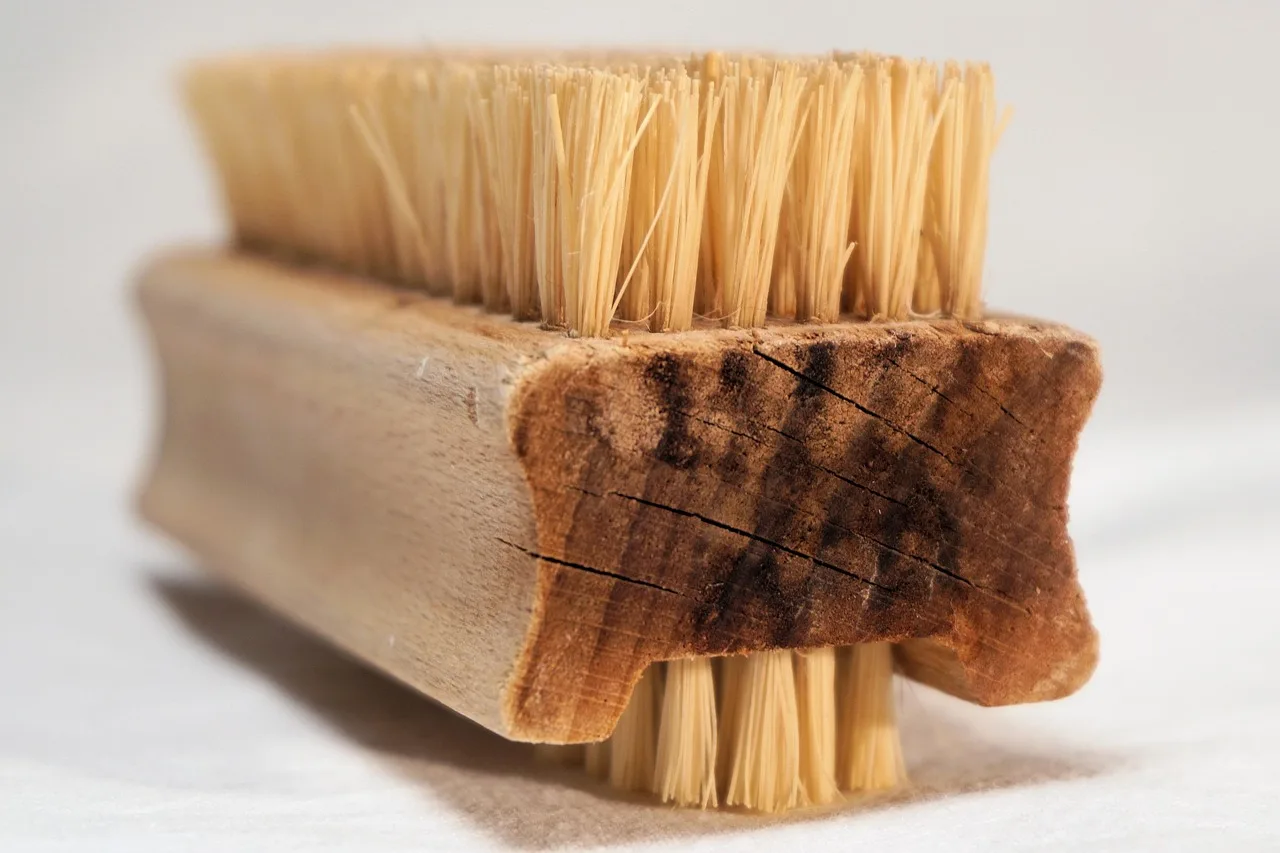
| Detailing brush set | Buy next | Vents, seams, badges, emblems, screens, and other tight crevices | You only need broad-surface wiping and never clean seams or vents | Wash after use; replace when bristles splay or shed | Pet owners, families, lease returns |
| Wheel brush | Buy next | Brake dust, barrels, spokes, and wheel faces | You rarely clean wheels by hand or your wheel design blocks access | Wash after use; replace when bristles stiffen, deform, or shed | Commuters, lease returns |
What should be in a basic car cleaning kit?
A basic car cleaning kit should cover four jobs: washing paint safely, drying without lint, cleaning the cabin, and clearing glass and wheels. Start with microfiber towels, a wash mitt, a bucket with grit guard, car wash soap, interior cleaner, detailing brushes, a wheel brush, and glass cleaner. Add a vacuum if crumbs, sand, or pet hair show up often.
Wash and dry tools: best for paint care
Paint is where bad habits cost the most. The safest starter setup uses a microfiber towel for drying and wipe-downs, a wash mitt for contact washing, and a bucket with grit guard so dirt falls away from the mitt instead of staying in the wash water.
Microfiber towels: best for wiping and drying
Microfiber towels are the workhorse here because they are lint-free for drying and wiping, and they are washable and reusable. Keep separate towels for glass, paint, and interior work, because a towel that touched wheel dust or greasy trim should not be used on a windshield.
GSM and thickness matter. Thicker towels usually hold more water and feel plusher on paint, while lighter towels can be better for glass and general interior dusting. A separate glass towel helps cut streaking, and a clean paint towel lowers the chance of dragging grit across clear coat.
Wash mitt and bucket with grit guard: best for safe contact washing
A wash mitt is safer than a sponge because microfiber or chenille construction and high-pile fibers help lift dirt away from paint during the wash. That does not make the mitt magic; it still needs a clean rinse cycle and a grit guard to separate debris from the water that is going back on the car.
The two-bucket wash method is simple: one bucket for soapy water, one for rinsing the mitt. About 3 to 5 gallons is a practical baseline for many drivers. Smaller buckets fill fast and leave less room for grit separation; much larger ones are awkward to handle and store.
Car wash soap: best for bucket washing and clear coat care
Use a specialized car wash soap rather than regular household soap. The goal is pH-balanced cleaning that works with bucket washing and stays safe for clear coat, so you remove road film without stripping protection as aggressively as a household cleaner can.
Quality wax still matters after washing, because wax helps protect the clear coat. The soap and the wax are different jobs. One removes grime. The other helps preserve the finish between washes.
Do you need separate interior and exterior tools?
Yes, in most cases you should keep interior and exterior tools separate. Sand, brake dust, pet hair, spilled drinks, and road film behave differently, and mixing those contaminants across surfaces is how you end up with scratched screens, cloudy trim, or dirt that keeps coming back.
Why contamination control matters
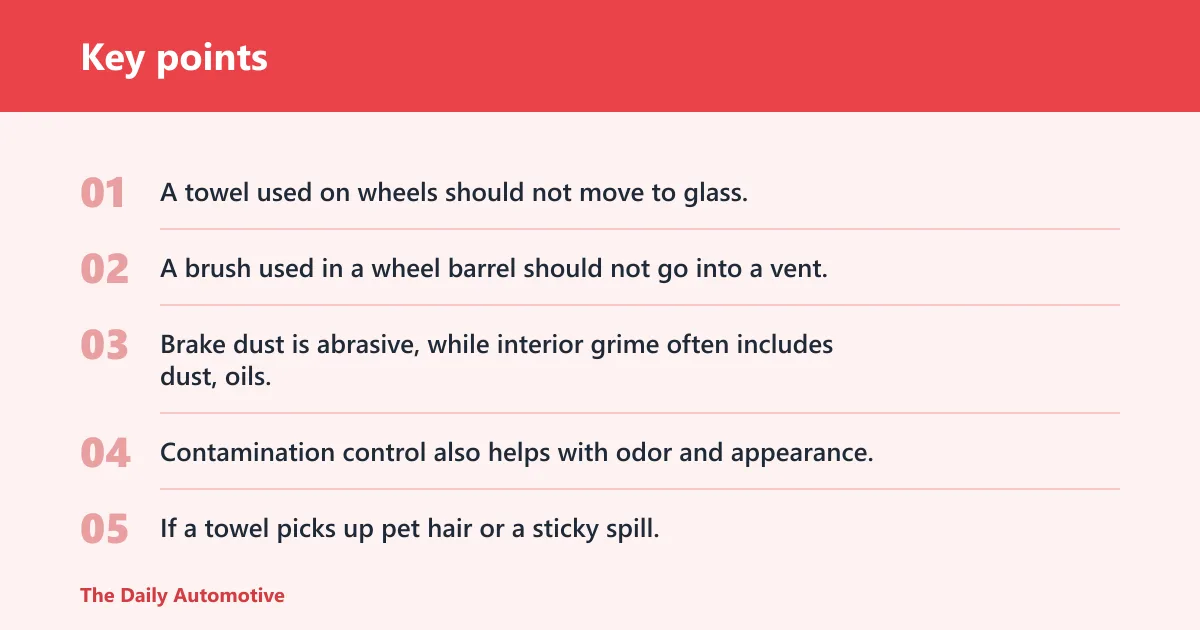
A towel used on wheels should not move to glass. A brush used in a wheel barrel should not go into a vent. Brake dust is abrasive, while interior grime often includes dust, oils, and residue that belong on cloth, not on paint or clear plastic.
Contamination control also helps with odor and appearance. If a towel picks up pet hair or a sticky spill, it can smear that material over the cabin instead of lifting it away.
What should never cross over?
Do not use a wheel brush on interior seams. Do not use one towel for both glass and greasy trim. Do not use the same wash mitt on the lower rocker panels and then on the hood without rinsing it in the clean bucket first.
When one tool can do more than one job
Some tools can pull double duty when they stay clean and are assigned carefully. A microfiber towel can dry paint, then wipe interior plastics, as long as it has not picked up heavy grime. A detailing brush set can cover both interior and exterior work if the soft-bristle brush stays on delicate cabin surfaces and the stiff-bristle brush stays on wheel detail only.
Suppose a compact sedan picks up spring pollen and dry road dust. A microfiber towel and glass cleaner handle the cabin windows, while the wash mitt and bucket cover the paint. The same general kit works, but the towel used for the windshield should not be the one that touched the lower door panels.
Interior tools: best for cabin cleanup
Interior cleaning needs surface-safe tools, not aggressive ones. For plastic, vinyl, and trim, an interior cleaner and a detailing brush set cover most of the mess everyday drivers see: dust in vents, fingerprints on trim, crumbs in seams, and light grime on touch points.
Interior cleaner: best for plastic, vinyl, and trim
Interior cleaner should be an all-purpose interior-safe formula meant for plastic, vinyl, and trim. The finish matters too: matte leaves a low-shine look, while a dressing finish adds more gloss. For many drivers, matte is the safer default because it avoids the shiny, slick look that can distract or feel greasy.
Do not treat a household cleaner as automatically safe on every interior surface. Some plastics, soft-touch panels, screens, and piano black trim need a product made for the cabin, not a kitchen spray that may leave residue or dull the surface.
Detailing brush set: best for vents, seams, badges, and screens
A detailing brush set should include soft-bristle and stiff-bristle variants. Soft bristles belong on vents, screens, piano black trim, and delicate interior edges. Stiff bristles are better for badges, emblems, and wheel work where embedded grime is tougher and the surface can take more agitation.
Buy brushes by job, not by bundle count. A brush that fits a narrow vent may be useless on a wheel spoke, and a wheel-safe brush may be too aggressive for a touchscreen bezel.
Wheel and glass tools: best for brake dust and streak-free windows
Wheels and windows need dedicated tools because the contamination is different. Brake dust is gritty and stubborn. Glass picks up haze, fingerprints, and water spots. If you want both clean, you need a wheel brush that reaches around the hardware and a glass cleaner that leaves no film behind.
Wheel brush: best for barrels, spokes, and brake dust
What is the best tool for cleaning car wheels and brake dust? A wheel brush with stiff bristles is the right starting point, especially when you need barrel and spoke access. Match the size of the brush to the wheel design so you can get behind the spokes without forcing the brush into a shape it cannot fit.
Wheel-specific cleaner is a distinct product category for a reason. Brake dust bonds differently than cabin dirt, so it should get its own cleaner and its own brush. Keep wheel tools separate from interior tools.
Glass cleaner: best for clear glass and tint-safe use
What tools do you need to clean car windows without streaks? An ammonia-free glass cleaner is the safer choice for tinted glass, and it should work on both the inside and outside of the glass. Pair it with a clean microfiber glass towel, then flip or replace the towel before it loads up with residue.
Picture a midsize SUV with morning condensation on the inside and road film outside. The same glass cleaner can handle both surfaces if it is tint-safe, but the towel should stay dedicated to glass so it does not leave lint or oily residue behind.
Which one should you buy first?
If you are starting from zero, buy by mess frequency. The first dollar should usually go to microfiber towels, a wash mitt, a bucket with grit guard, car wash soap, interior cleaner, and glass cleaner. If you have frequent wheel dust, add a wheel brush next. If the cabin collects crumbs or pet hair, add a vacuum after that.
Budget-first buying rules
Start with the tools that solve the most jobs. Towels and wash tools cover the exterior. Interior cleaner and a brush set cover the cabin. Glass cleaner fixes the most visible streaks quickly. A wheel brush is the first upgrade when your wheels stay dirty after normal washing.
What commuters should prioritize
Commuters usually see the most glass haze, dust, and wheel grime. That means glass cleaner, microfiber towels, and a wheel brush move up the list. If you park outside, a wash mitt and bucket setup should follow close behind because road film and pollen build up fast.
What pet owners, families, and lease returns should add next
Pet owners should add a vacuum early because hair and crumbs can bury themselves in seams and carpet. Families often need detailing brushes sooner because spills and snack debris hide in vents, cupholders, and seat tracks. Lease returns benefit from a tidy cabin first, then bright glass, then clean wheels if curb rash and dust are visible.
A common first-timer mistake is buying a large all-in-one kit and ignoring the actual problem. If the car has sand from the beach and a foggy windshield, a brush-heavy kit is less useful than towels, glass cleaner, and a wash setup that keeps grit out of the paint wash.
RLCHFEI cordless 2-in-1 vacuum: best for crumbs and loose debris
This RLCHFEI cordless vacuum is the right fit for drivers who want a compact cleanup tool for crumbs, dust, and quick pass-throughs in the cabin. The 2-in-1 vacuum and air duster setup, multiple nozzles, and built-in battery make it a practical first buy for small messes where a corded home vacuum is awkward.
The main drawback is scope. A handheld vacuum like this helps with loose debris, but it is not a full replacement for a dedicated detailing routine or a brush set that can loosen dirt from seams and vents first. It is best as a cleanup tool, not the whole system.
BLACK+DECKER dustbuster AdvancedClean: best for tight spaces and everyday cleanup
This BLACK+DECKER dustbuster fits drivers who want a familiar cordless handheld vacuum for home and car use. The rotating slim nozzle is the key detail here, because it helps reach around seat rails, console gaps, and other tight spaces that gather crumbs and dust quickly.
Its honest drawback is that it is still a handheld vacuum, so it works best for everyday cleanup rather than deep extraction. If pet hair is the main problem, a model with more help for embedded debris may be the better next step.
Bissell pet hair Eraser Cordless hand vacuum: best for pet hair
This Bissell unit is aimed squarely at pet owners. The motorized brush is the standout, because embedded hair on upholstery, carpet, and cargo liners is harder to lift than loose dust, and the included upholstery and crevice tools help cover the rest of the cabin.
The drawback is price. At $89.97, it costs more than a basic handheld vacuum, so it makes the most sense when pet hair is a regular problem rather than an occasional one.
Chemical Guys 17-piece detailing kit: best for a first full kit
This Chemical Guys kit is the best fit for a driver who wants one purchase that covers washing, wheel care, and interior cleanup together. The included soap, bucket, brushes, and wash accessories make it the broadest option here for someone starting from zero and wanting a bundled path into regular detailing.
The drawback is the same thing that makes it attractive: it is a bundle. If you already own good towels, a bucket, or a vacuum, part of the set may be redundant. Individual tools can be the better buy when you need one specific job solved first.
Frequently asked questions
What are the best car cleaning tools for everyday drivers?
The best tools are the ones that cover the most common jobs without cross-contaminating surfaces: microfiber towels, a wash mitt, a bucket with grit guard, car wash soap, interior cleaner, detailing brushes, glass cleaner, and a wheel brush. Add a vacuum when crumbs, pet hair, or sand are regular problems.
Do I need a separate tool for car interior cleaning and exterior cleaning?
Yes, in most cases. Interior dirt is usually dust, crumbs, oils, and spills, while exterior dirt includes road film, grit, brake dust, and water spots. Separate towels, brushes, and wash tools reduce the risk of scratching paint, dulling trim, or pushing wheel grime into the cabin.
What should be in a basic car cleaning kit for beginners?
A beginner kit should include microfiber towels, a wash mitt, a bucket with grit guard, pH-balanced car wash soap, interior cleaner, a detailing brush set, glass cleaner, and a wheel brush. If you have pets or heavy cabin debris, add a handheld vacuum next.
Which car cleaning tools are worth buying first?
Buy microfiber towels first, then a wash mitt and bucket setup, then glass cleaner and interior cleaner. Those tools solve the most visible problems fastest. After that, add a detailing brush set for vents and seams, then a wheel brush if brake dust stays behind after washing.
What tools do I need to clean car windows without streaks?
Use an ammonia-free glass cleaner and a dedicated microfiber glass towel. That combination helps with both inside and outside glass and is safer for tinted windows than a harsh general cleaner. Keep the towel clean and reserved for glass so it does not leave lint or residue.
How often should I clean my car with these tools?
Most drivers benefit from a quick interior wipe and glass clean every one to two weeks, with exterior washing based on weather, road salt, pollen, and parking conditions. Wheels usually need more frequent attention than paint. Replace or retire tools when they start leaving lint, streaks, or shed bristles.
Products related to this article
Sponsored / affiliate links. As an Amazon Associate I earn from qualifying purchases. I may earn additional commission from eligible campaigns.
 Car Vacuum Cleaner, Portable Handheld Mini Vacuum Cleaner, Portable Car Vacuum Cleaner with Inflator Function Light, Small Vacuum for Car, RV, Boats, Travel, DC12V 120W
 Zymothrix 15Pcs Car Detailing Brush Kit, Car Cleaning Tool Set for Interior and Exterior, Professional Auto Wash Brush with ABS Handle, Safe Scratches - Free Design for Cars Trucks Motorcycl