How to Report a Stolen Car Anonymously: Essential Guide
Reporting a stolen car anonymously is possible in many areas by using a designated tip line or online portal, allowing you to provide information without revealing your identity to law enforcement. This guide explains the steps to take to help recover your vehicle while protecting your privacy.
Losing your car to theft is a deeply unsettling experience. You might feel a mix of frustration, anger, and helplessness. One of your first thoughts might be to contact the police, but perhaps you have reasons why you want to remain anonymous. Maybe you fear reprisal, or you stumbled upon information and don’t want to get involved directly. Whatever your reason, it’s good to know that there are ways to report a stolen car while keeping your identity private. This guide will walk you through how to do just that, making the process clear and manageable.
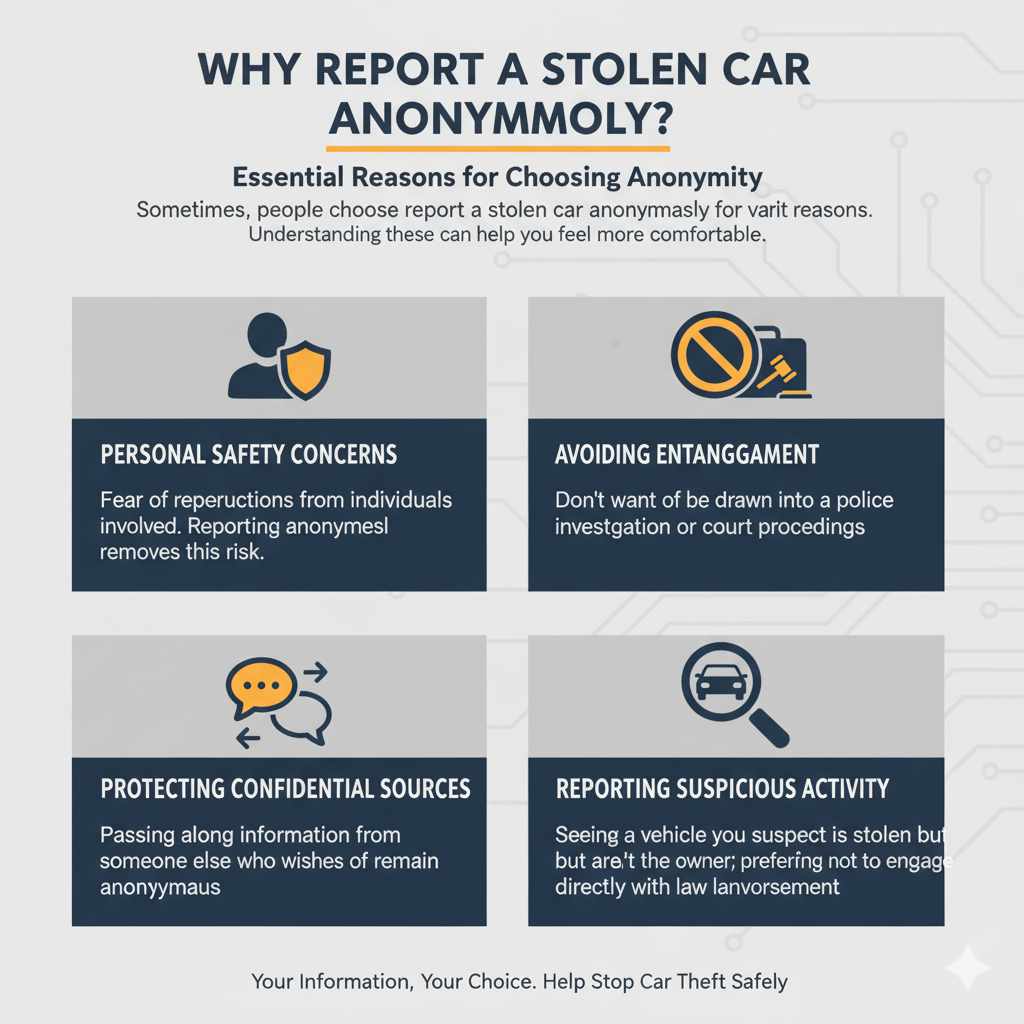
Why Report a Stolen Car Anonymously?
Sometimes, people choose to report a stolen car anonymously for a variety of reasons. Understanding these reasons can help you feel more comfortable with the process.
Personal Safety Concerns: You might have information about the theft but fear repercussions from the individuals involved. Reporting anonymously removes this risk.
Avoiding Entanglement: You may have overheard something or found a piece of evidence but don’t want to be drawn into a police investigation or court proceedings.
Protecting Confidential Sources: If you received information from someone else who wishes to remain anonymous, you can pass that along.
Reporting Suspicious Activity: You might see a vehicle you suspect is stolen but aren’t the owner, and you prefer not to engage directly with law enforcement.
Can You Really Report a Stolen Car Anonymously?
Yes, in most jurisdictions, you absolutely can report a stolen car anonymously. Law enforcement agencies understand that people may have valid reasons for not wanting to disclose their identity. They have systems in place, such as dedicated tip lines and online forms, specifically designed to receive anonymous tips. The primary goal is to gather information that can help recover the vehicle and apprehend the culprits, not necessarily to identify every informant.
Steps to Report a Stolen Car Anonymously
Reporting your stolen car anonymously involves a few key steps. While the exact process might vary slightly depending on your location, the general principles remain the same.
Step 1: Gather Essential Information
Before you report, collect as much detail as possible about your stolen vehicle. This will make your anonymous tip more valuable.
Vehicle Identification Number (VIN): This is a unique 17-character code that identifies your car. It’s crucial for law enforcement. You can usually find it on your registration documents, insurance policy, or on a plate on the dashboard or driver’s side doorjamb.
License Plate Number: The state and the plate number.
Make, Model, and Year: For example, a 2020 Honda Civic.
Color of the Vehicle: Be specific (e.g., “metallic gray”).
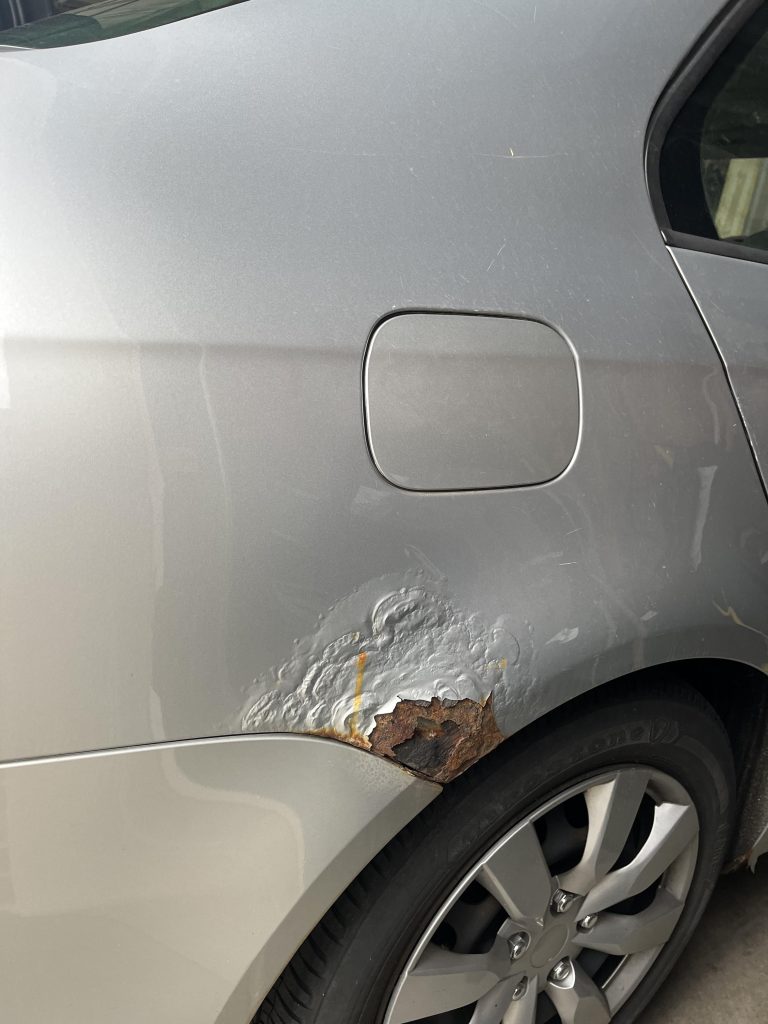
Distinguishing Features: Note any unique damage (dents, scratches), stickers, aftermarket parts (spoilers, rims), or modifications.
Location and Time of Theft: When and where did you last see your car, and when did you discover it was gone?
Any Suspect Information (if applicable): If you have any idea who might have taken it, but don’t wish to state your name, you can still provide descriptive details if you have them.
Step 2: Identify Your Local Anonymous Reporting Method
Most police departments and law enforcement agencies have specific channels for anonymous tips. These are designed to protect your identity.
Anonymous Tip Lines: Many police departments have dedicated phone numbers for anonymous tips. These might be separate from the main emergency line.
Online Tip Portals: Increasingly, police agencies use secure websites or online forms where you can submit information anonymously. These are often managed by third-party services that filter information before it reaches the police, further protecting your identity.
Crime Stoppers Programs: Organizations like Crime Stoppers are specifically set up to take anonymous tips about crimes and often offer rewards.
How to Find These Resources:
Search Online: Use search engines with terms like “[Your City/County] anonymous tip line,” “[Your City/County] police tip portal,” or “[Your State] Crime Stoppers.”
Check Your Local Police Website: Most police department websites will have a “Contact Us” or “Submit a Tip” section that details anonymous reporting options.
Non-Emergency Police Number: If you cannot find a specific anonymous line, call the non-emergency number for your local police department and ask if they have a way to accept anonymous information regarding a stolen vehicle.
Step 3: Make the Anonymous Report
Once you’ve identified the best method, gather your information and make the report.
By Phone (Tip Line):
Call the anonymous tip line.
Clearly state that you wish to remain anonymous.
Provide all the gathered information about your stolen car.
Listen carefully for any confirmation numbers or references they might provide, although this is less common with completely anonymous tips.
Do not give any personal details about yourself.
Online (Tip Portal/Website):
Navigate to the anonymous tip portal or form on the police or Crime Stoppers website.
Fill out the form with all the details you have.
Ensure you don’t inadvertently reveal identifying information in text fields (e.g., by mentioning a street you live on unless it’s relevant to the theft).
Submit the form. Some systems may provide a case number or reference ID for future follow-up (though again, this varies for anonymous reports).
Via Text Message (if available): Some services allow anonymous text tips. Follow the instructions on the relevant website.
Step 4: What Happens Next?
After you make your anonymous report, law enforcement will use the information you provided.
Information Review: The tip will be reviewed by relevant departments.
Investigation: If the information is credible and sufficient, they will add it to their investigation into your stolen vehicle. This might involve sending out alerts to patrol officers or checking surveillance footage.
Potential Recovery: The information you provided could be the key piece that leads to the recovery of your car or the apprehension of those responsible.
No Direct Follow-Up: Typically, you will not receive direct follow-up from the police if you reported completely anonymously. This is the trade-off for remaining unidentified.
Official Channels for Anonymous Reporting
Law enforcement agencies and specialized programs are set up to facilitate anonymous reporting to encourage citizens to come forward with vital information.
Local Police Departments
The first point of contact for reporting a stolen vehicle is always your local police department. Many departments have specific protocols for anonymous tips to ensure your privacy is maintained.
State and National Crime Stoppers Programs
Crime Stoppers is an international non-profit organization that operates in many communities. Its primary mission is to gather anonymous tips about crimes.
How it works: You can contact Crime Stoppers via phone, web, or mobile app. They will take your information and pass it to the appropriate law enforcement agency.
Anonymity Guarantee: Crime Stoppers is renowned for its commitment to protecting the identity of tipsters. They often shield tipsters from the legal process.
Rewards: In many cases, Crime Stoppers offers rewards for information that leads to an arrest or the recovery of stolen property. You can often collect this reward anonymously by using a code or alias.
You can typically find your local Crime Stoppers chapter by searching online for “Crime Stoppers [your city/county].”
FBI’s National Data Exchange (NDEX)
While not a direct anonymous reporting channel for the public, the FBI’s NDEX system is a national database that law enforcement agencies contribute to. When you report your car stolen to your local police, it gets entered into this system, which can help track vehicles across state lines. If an officer in another jurisdiction encounters your vehicle and checks it against the database, the theft report will appear.
Essential Information to Include in Your Anonymous Tip
To make your anonymous tip as valuable as possible, focus on providing actionable details.
Vehicle Description
Full VIN: This is non-negotiable.
License Plate: State and number.
Make, Model, Years: Brand, specific model, and manufacturing year.
Color: Primary and any secondary colors.
Condition: Mention any existing damage or unique features that would help identify it quickly if spotted.
Theft Circumstances
Date and Time: When you last saw it and when you noticed it missing.
Location: Where it was stolen from (address, parking lot, street name).
Witness Information (if any): If you saw anything suspicious around the time of the theft but don’t want to be identified as the witness.
Suspicious Activity or Clues
Surveillance Footage: If you know of any businesses or homes with cameras that might have captured the theft.
Witness Accounts: If someone else told you something about the theft or saw something relevant, and you are relaying that information anonymously.
Vehicles Involved: If you observed any other vehicles that seemed connected to the theft.
Known Suspects or Associates: If you have a strong suspicion about who took the car, you can provide descriptive details without naming yourself.
What Not to Do When Reporting Anonymously
There are a few common pitfalls to avoid when trying to report a stolen vehicle anonymously.
DO NOT Use Your Personal Phone/Email for Contact: Unless the anonymous system specifically provides a secure way to do so, avoid using personal devices or accounts that can be traced back to you.
DO NOT Give False Information: Providing inaccurate details can hinder the investigation and cause unnecessary strain on law enforcement resources.
DO NOT Expect Direct Police Contact: If you’ve truly made an anonymous report, the police won’t be able to contact you directly for follow-ups, updates, or to ask clarifying questions.
DO NOT Inadvertently Reveal Your Identity Online: Be careful of text fields that might prompt for personal information or location details beyond what’s necessary for the tip. For example, avoid phrases like “I saw this yesterday from my apartment window.”
DO NOT Wait Too Long: The sooner a stolen vehicle is reported, the higher the chance of recovery.
What if You’re NOT the Owner but Suspect a Car is Stolen?
If you are not the owner of the stolen vehicle but have information, you can still report it anonymously. The process is very similar.
1. Gather Information: Note the license plate, make, model, color, and any suspicious behavior you’re observing.
2. Use Anonymous Channels: Contact your local police department’s anonymous tip line or website, or a local Crime Stoppers program.
3. Provide Details: Explain clearly what you’ve seen and where. For instance, “I believe a stolen vehicle might be located at [address] or driving a specific route. The plates are [plate number], it’s a [color] [make] [model]. I saw it at [time] and it seemed out of place because [reason].”
The Importance of the VIN
The Vehicle Identification Number (VIN) is, without a doubt, the most critical piece of information you can provide when reporting a stolen car. It’s like a fingerprint for your vehicle.
Uniqueness: Each VIN is unique to a specific vehicle.
Tracking: Law enforcement uses VINs to track stolen vehicles through national databases.
Confirmation: Even if a thief changes the license plates, the VIN remains the same and can positively identify the car.
If you don’t have your VIN readily available, try checking your vehicle’s registration papers, insurance documents, or your purchase agreement. You may also find it on a small plate visible through the driver’s side of the dashboard (look from the outside) or on a sticker inside the driver’s side doorjamb.
Here’s a table showing where to commonly find your VIN:
| Location | Description |
|---|---|
| Dashboard (Driver’s Side) | Visible from outside the car, usually through the windshield. |
| Driver’s Side Doorjamb | On a sticker inside the frame where the door closes. |
| Vehicle Registration Documents | Printed on your official car registration papers. |
| Insurance Policy | Also listed on your car insurance policy documents. |
| Under the Hood | May be stamped on the engine block or firewall (less common for reporting). |
Dealing with Insurance After Reporting Anonymously
Reporting your car stolen anonymously does not prevent you from filing a stolen vehicle claim with your insurance company. You will still need to follow your insurer’s procedures.
Contact Your Insurer: Notify your insurance company as soon as possible after reporting the theft to the police.
Provide Police Report Information: Your insurance company will likely ask for the police report number. Even with an anonymous tip, if law enforcement files a report based on your information, there might be a reference number they can provide. If not, explain the anonymous nature of your tip.
Cooperate: Be prepared to provide all the necessary documentation and information the insurance company requires.
It’s important to note that your insurance company will likely require proof of the theft report. You may need to work with the police department to obtain whatever documentation they can provide, even if it doesn’t directly link back to your anonymous tip.
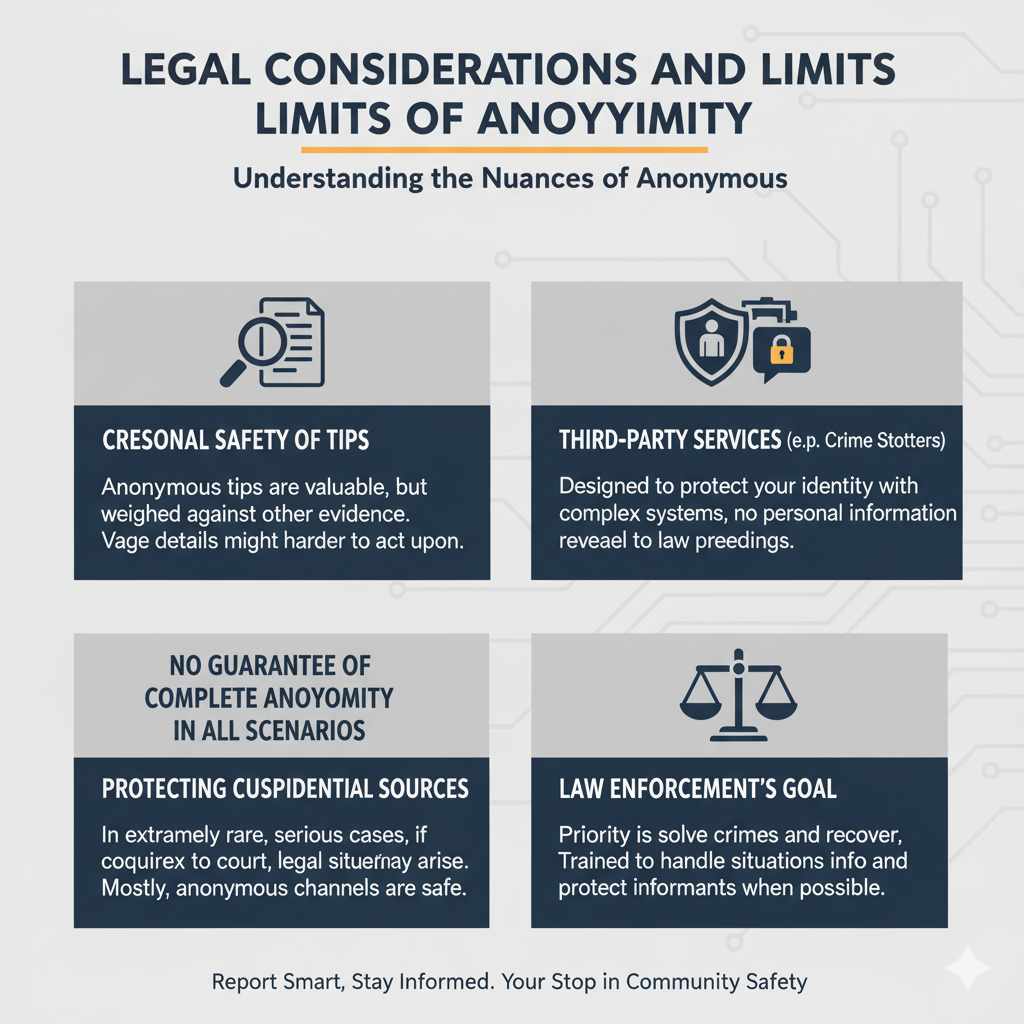
Legal Considerations and Limits of Anonymity
While law enforcement aims to facilitate anonymous reporting, it’s essential to understand the nuances.
Credibility of Tips: Anonymous tips are valuable, but they are often weighed against other evidence. A tip that is too vague or lacks verifiable details might be harder to act upon.
Third-Party Services (e.g., Crime Stoppers): These services are designed to be robust in protecting your identity. They often use complex systems to ensure no personal information is revealed to law enforcement.
No Guarantee of Complete Anonymity in All Scenarios: In extremely rare and serious cases, if your tip leads directly to a major criminal investigation and the court requires the source of information, there might be complex legal situations. However, for the vast majority of stolen car reports, anonymous channels are safe and effective.
Law Enforcement’s Goal: The priority for law enforcement is to solve crimes and recover property. They are trained to handle information from various sources, including anonymous ones, and to protect informants when necessary and possible.
Frequently Asked Questions (FAQs)
Q1: Can I get my car back if I report it anonymously?
A1: Yes, reporting a stolen car, even anonymously, increases the chances of recovery. Law enforcement uses the information to search for and identify your vehicle.
Q2: Will the police contact me for more information?
A2: If you report completely* anonymously through a secure tip line or portal, the police will generally not be able to contact you. They will act on the information they receive.
Q3: What if I can’t remember my car’s VIN for an anonymous tip?
A3: Try to find it on your car registration or insurance documents. If you can’t access these, provide as many other details as possible, but be aware the VIN is the most crucial piece of information.
Q4: What’s the difference between reporting anonymously to the police and to Crime Stoppers?
A4: Both aim to protect your identity. Crime Stoppers is a dedicated third-party service that specializes in anonymous tips and often offers rewards, while police departments have their own anonymous tip lines or online forms.
Q5: Is it safe to use online tip forms?
A5: Yes, reputable police departments and Crime Stoppers programs use secure, encrypted online forms. These are designed to protect your privacy.
Q6: What if the thief put fake plates on my car?
A6: The VIN is the key identifier. If law enforcement recovers a vehicle matching your car’s description and VIN, it will be identified as stolen, regardless of the license plates.
Conclusion
Losing a vehicle to theft is a stressful event, but you have options for getting help while maintaining your privacy. By understanding how to use anonymous tip lines, online portals, and programs like Crime Stoppers, you can provide law enforcement with crucial information to aid in the recovery of your stolen car. Remember to gather as many details as possible, especially your car’s VIN, and use the official channels designed for anonymous reporting in your area. Your willingness to share information, even anonymously, can make a significant difference in helping to solve crimes and reunite vehicles with their rightful owners.