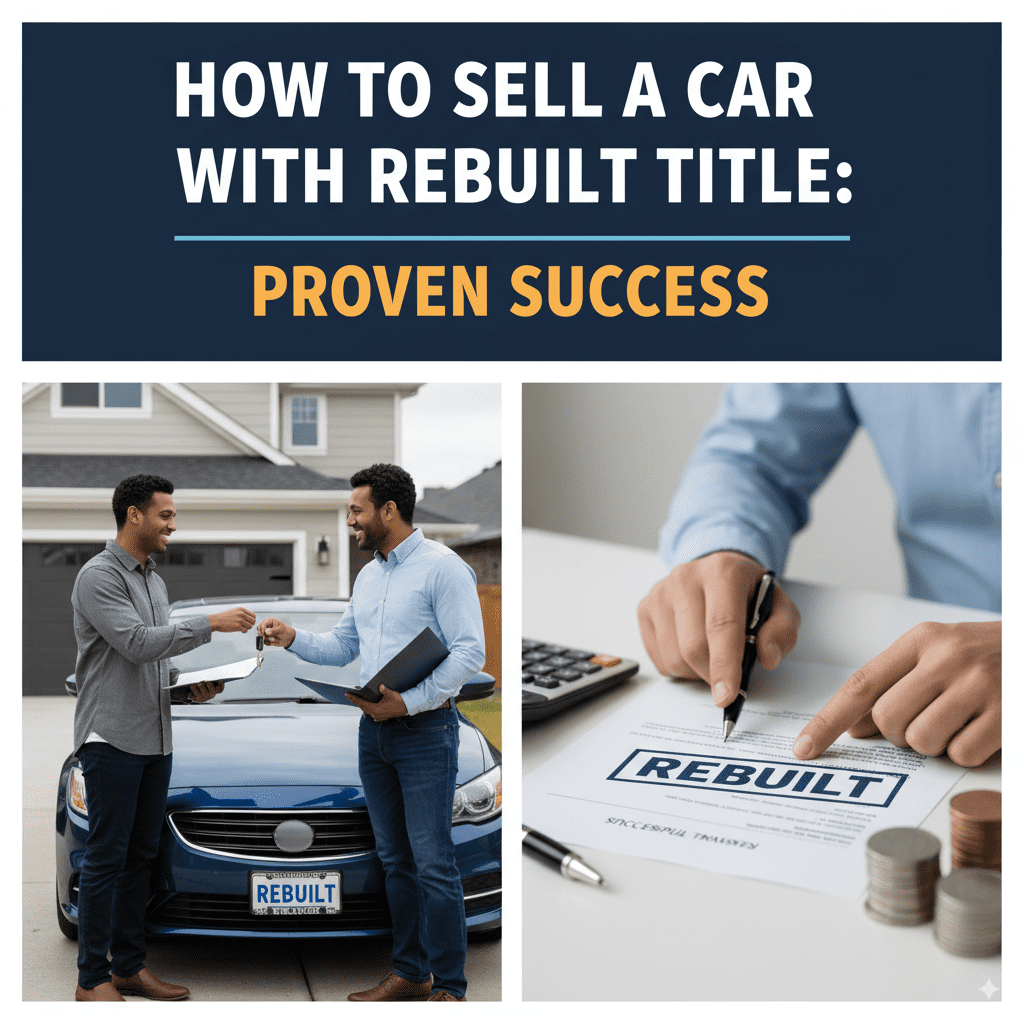
How To Sell A Car With Rebuilt Title: Proven Success
Selling a car with a rebuilt title is possible! Focus on honest marketing, highlighting repairs, using resources like specialized dealers, and pricing competitively. Transparency and proactive preparation are key to a successful sale.
Have you got a car with a “rebuilt” or “salvage” title and are wondering if you can even sell it, let alone get a good price? It’s a common question, and many car owners feel stuck. A rebuilt title can make potential buyers nervous, but don’t worry! With the right approach, you can absolutely sell your car successfully. This guide will walk you through everything you need to know, step-by-step, so you can confidently sell your car with a rebuilt title and get a fair deal. We’ll cover how to present your car, where to find buyers, and how to price it right, all in plain English.
Understanding a Rebuilt Title
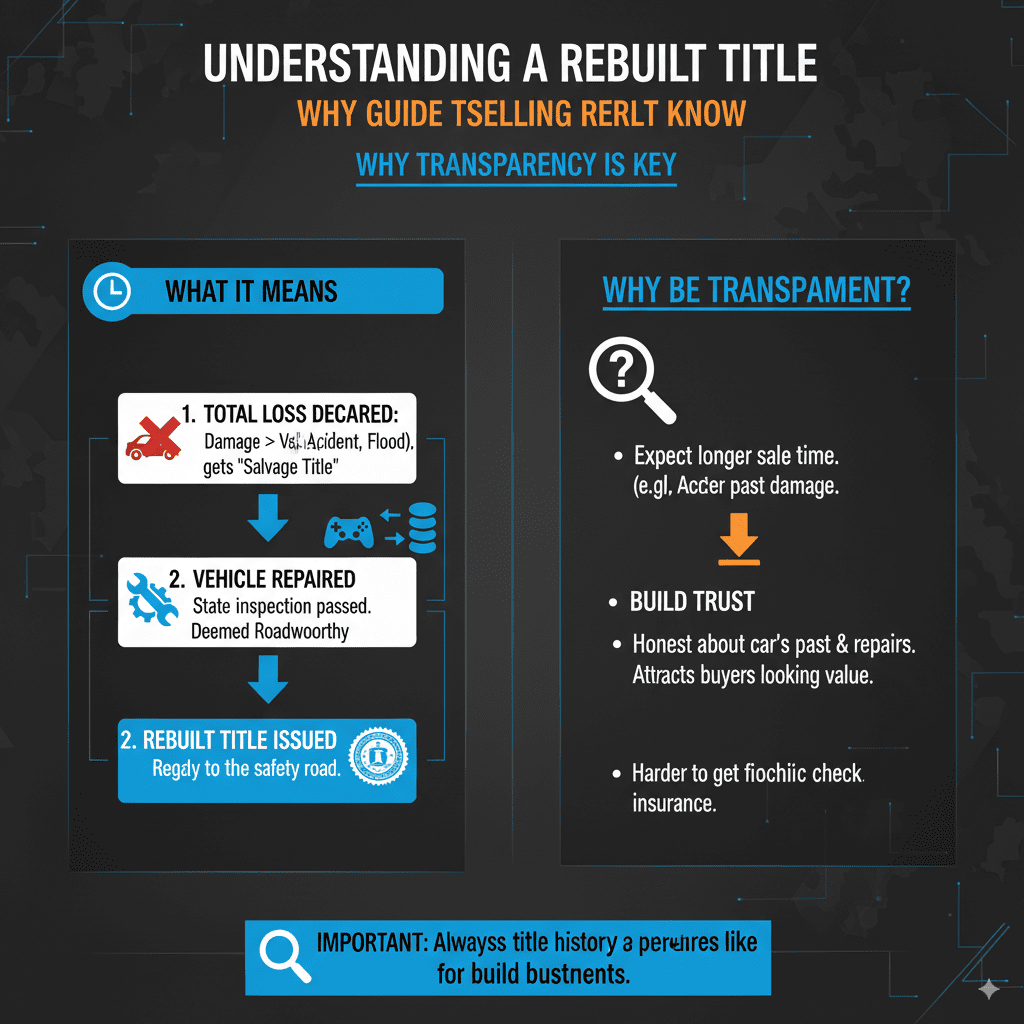
Before we dive into selling, let’s quickly clarify what a rebuilt title means. A car receives a rebuilt title when it has previously been declared a total loss by an insurance company due to damage (from an accident, flood, fire, etc.), but has since been repaired and passed a state inspection to be roadworthy again. It’s not the same as a clean title, and buyers know this. However, it doesn’t mean the car is unsafe or unfixable. Many cars with rebuilt titles are perfectly good vehicles.
Why Transparency is Key
The biggest hurdle when selling a car with a rebuilt title is building trust. Buyers are usually concerned about the car’s history and the quality of the repairs. By being upfront and honest about the title status from the beginning, you immediately set a positive tone. Hiding it will only lead to distrust and a failed sale. Think of it as setting expectations correctly, which is the first step to a smooth transaction.
Preparing Your Car for Sale
Just like selling any car, presentation matters. For a rebuilt title vehicle, it matters even more. You need to show potential buyers that this car is not only functional but also well-maintained and safe. This involves a few key steps:
1. Thorough Mechanical Inspection and Repairs
A rebuilt title implies past damage. The absolute first thing you should do is get a thorough inspection from a trusted, independent mechanic. They can identify any lingering issues from the original damage or assess the quality of previous repairs. Don’t try to cut corners here. Fixing any current problems proactively will:
- Increase buyer confidence.
- Potentially uncover hidden issues before a buyer does.
- Justify your asking price better.
Consider getting a written report from the mechanic detailing the inspection findings and any repairs made. This document can be a powerful selling tool.
2. Cosmetic Enhancements
Cleanliness is next to godliness when selling a car. A spotless interior and a gleaming exterior can make a huge difference.
- Deep Clean: Vacuum carpets and seats, clean all surfaces, and remove any personal items.
- Wash and Wax: Give the exterior a thorough wash and a good wax.
- Address Minor Flaws: Fix small dents, scratches, or touch up paint chips if possible.
- Tidy up the Engine Bay: A clean engine bay can impress knowledgeable buyers and shows you care about the car.
These steps don’t cost much but can significantly improve the car’s appeal.
3. Gather All Documentation
For a rebuilt title car, documentation is your best friend. It provides proof of the car’s history and your efforts to make it roadworthy.
- Previous repair receipts: If available, show records of the repairs that led to the rebuilt title being issued.
- Post-rebuild maintenance records: Any oil changes, tire rotations, or repairs done since you’ve owned it.
- Rebuilt title inspection report: The official document from your state that certified the car as safe to drive.
- Mechanic’s inspection report: The recent report from your independent mechanic.
- Vehicle history report: Consider getting a VINcheck report from the National Insurance Crime Bureau (NICB) to show it’s free of other major issues.
Having these documents readily available can preempt many buyer questions and build trust.
Pricing Your Car Correctly
This is where many sellers struggle. Cars with rebuilt titles are generally worth less than comparable cars with clean titles. You need to be realistic. Here’s how to approach pricing:
Researching Market Value
Use online resources to get an idea of your car’s worth.
- Kelley Blue Book (KBB): While KBB primarily focuses on clean titles, you can use their values as a starting point. They often have options to indicate significant damage or a branded title.
- NADA Guides: Similar to KBB, NADA provides vehicle valuations.
- Edmunds: Another reliable source for car valuations.
- Online Marketplaces: Look at similar cars with rebuilt titles for sale on sites like Craigslist, Facebook Marketplace, eBay Motors, and dedicated rebuilt title car sites. This gives you real-world pricing data.
When comparing, make sure you’re looking at cars with similar mileage, condition, and year.
Adjusting for the Rebuilt Title
A general rule of thumb is that a rebuilt title can reduce a car’s value by 20% to 50% compared to a clean title. The exact reduction depends heavily on:
- The severity of the original damage: Was it a minor fender-bender or a severe structural issue?
- The quality of the repairs: Were they professionally done?
- The current condition of the car: Does it run well? Does it look good?
- Your local market: Demand for certain vehicles can influence price.
Be prepared to justify your price based on the repairs and condition. You might need to be more flexible on your asking price for a quick sale.
Consider Trade-in Value
Trading in a car with a rebuilt title to a standard dealership is often difficult, as they may not accept it or will offer a very low amount. However, some dealerships specialize in or are more open to buying vehicles with rebuilt titles. If you go this route, the trade-in value will likely be significantly lower than what you could get selling privately.
Where to Sell Your Car with a Rebuilt Title
Your target audience for a rebuilt title car might be different from that of a clean title car. You’re looking for buyers who are more price-conscious, mechanically inclined, or simply understand that a rebuilt title doesn’t always mean a bad car. Here are your best options:
1. Private Sale Platforms
This is often your best bet for getting the most money. You have direct control over how you market the car and who you sell to.
- Online Classifieds: Websites like Craigslist, Facebook Marketplace, and OfferUp are popular and free to use. Be prepared for a higher volume of inquiries, not all of which will be serious.
- Specialized Car Forums/Groups: If your car is a specific make or model with an active online community, post it there. Members of these communities are often enthusiasts who understand cars well.
- Word of Mouth: Let friends, family, and colleagues know you’re selling. A personal recommendation can go a long way.
When listing online, be extremely thorough with your description and photos. Disclose the rebuilt title prominently in the listing title and description. More details and better photos lead to more serious buyers.
2. Specialized Dealers and Wholesalers
Some dealerships specifically cater to selling or buying cars with rebuilt titles, or they may have wholesale departments that are open to them. These buyers know the market for these vehicles and can offer a quicker sale, though typically at a lower price than a private sale.
- Search for “rebuilt title car dealerships” in your area.
- Contact local auto auction houses.
These buyers are equipped to handle the paperwork and have a customer base ready for these types of vehicles.
3. Car Flippers or DIY Enthusiasts
People who buy cars to fix them up and resell them, or those looking for a project car, are often interested in vehicles with rebuilt titles. They understand the risks and potential, and they know how to assess a car that’s been through severe damage.
- Market heavily on platforms frequented by these individuals.
- Be prepared for potential buyers to want to inspect the car thoroughly.
These buyers are often more forgiving of cosmetic imperfections if the mechanical aspects are sound and the price is right.
Important Note: Selling to an individual buyer is generally the most profitable route, but also the one that requires the most effort in marketing and dealing with potential buyers.
Marketing Your Rebuilt Title Car Effectively
Your marketing needs to be clear, honest, and informative. Don’t try to hide the title status; embrace it and explain it.
Crafting Your Listing Description
Here’s what to include:
- Headline: Be upfront. Something like “20XX [Make] [Model] – Rebuilt Title, Runs Great, Well-Maintained” works well.
- Disclosure: State clearly and early in the description that the car has a rebuilt title due to past [mention type of damage, e.g., collision, flood].
- History: Explain briefly the circumstances of the damage and what repairs were done. Mention if you have documentation.
- Current Condition: Detail recent maintenance, any new parts, and the overall mechanical and cosmetic state of the car. Be specific about any minor flaws.
- Why You’re Selling: Briefly stating your reason can add context (e.g., “bought a new car,” “don’t need it anymore”).
- Price: State your asking price and whether it’s firm or negotiable.
- Call to Action: How should interested buyers contact you?
Honesty builds trust and filters out buyers who aren’t looking for this type of vehicle, saving everyone time.
Taking Great Photos
Visuals are critical. Take high-quality photos in good lighting.
- Exterior: Show all sides, including the roof and undercarriage if possible. Close-ups of any minor flaws are better than hiding them.
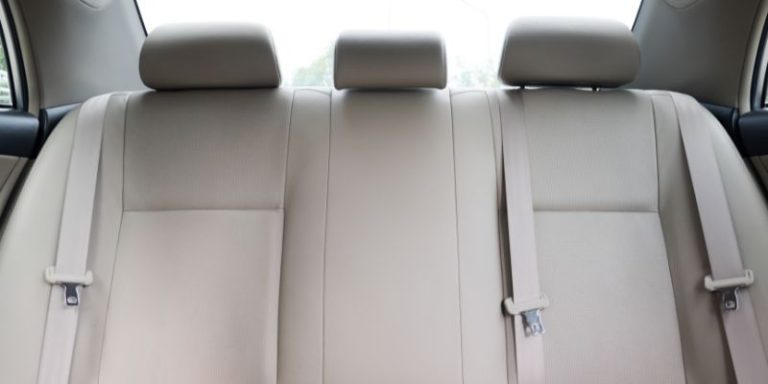
- Interior: Photograph the dashboard, front seats, back seats, trunk, and any unique features.
- Under the Hood: A clean engine bay photo is impressive.
- Documentation: You can even include photos of the rebuilt title inspection report or maintenance receipts.
The more comprehensive your photo set, the more legitimate your listing will appear.
Communicating with Buyers
Be prepared for questions. Potential buyers will likely ask about the accident, the repairs, and the inspection process.
- Be Patient: Answer all questions honestly and thoroughly.
- Provide Documentation: Offer to share your repair records and inspection reports.
- Encourage Test Drives: Let buyers drive the car. Consider going with them.
- Welcome Pre-Purchase Inspections: If a serious buyer wants to take the car to their mechanic for an inspection, this is a great sign of their interest and can alleviate their concerns. Agree to this if possible.
Your willingness to be transparent and accommodating can seal the deal.
The Sales Transaction: Paperwork and Legality
Once you find a buyer, you need to handle the sale properly to protect yourself and ensure the buyer gets a clear title transfer (even if it’s rebuilt).
Bill of Sale
A bill of sale is a crucial document for any private used-car transaction. It serves as proof of sale and purchase. It should include:
- Full names and addresses of both buyer and seller.
- Date of sale.
- Vehicle details: Year, Make, Model, VIN (Vehicle Identification Number).
- Odometer reading at the time of sale.
- Sale price.
- Any specific terms or conditions of the sale (e.g., “sold as-is”).
- Signatures of both buyer and seller.
It’s a good idea to create two copies, one for you and one for the buyer. Some states require a specific bill of sale form, so check your local DMV or motor vehicle agency website. You can find templates online, but ensure they are state-compliant.
Title Transfer
This is the most critical part of the transaction. You, as the seller, will sign over the ownership of the vehicle on the title document. Since the title is “rebuilt,” it should be clearly marked as such.
- Locate the Rebuilt Title: Ensure you have the physical title.
- Complete the Assignment of Title Section: Fill in the buyer’s name and address, the selling price, odometer reading, and date.
- Sign and Date: Sign where required.
The buyer will then take this signed title to their state’s Department of Motor Vehicles (DMV) or equivalent agency to register the vehicle and obtain a new title in their name. The new title issued will likely also be a rebuilt title, reflecting its history.
“As-Is” Sale
Most private used-car sales are conducted “as-is.” This means that once the sale is final, the buyer accepts the vehicle in its current condition, and you are not responsible for any repairs needed in the future. It’s wise to state this clearly on your bill of sale. This protects you from potential post-sale disputes. Buyers should always have the opportunity to inspect the car, and often, a pre-purchase inspection is recommended for them to take advantage of.
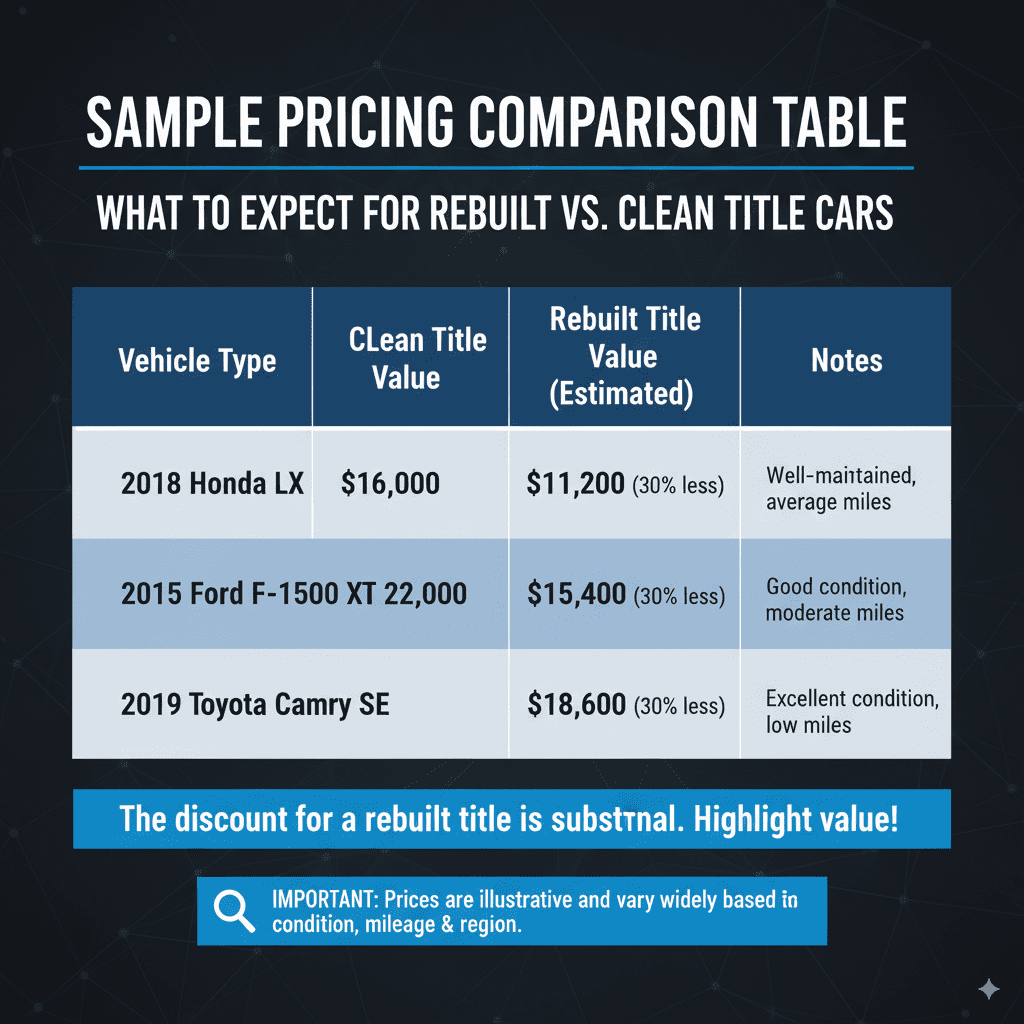
A Sample Pricing Comparison Table
To help illustrate the price difference, here’s a simplified comparison. (Values are illustrative and can vary greatly by region and vehicle condition).
| Vehicle Type | Clean Title Value | Rebuilt Title Value (Estimated) | Notes |
|---|---|---|---|
| 2018 Honda Civic LX | $16,000 | $11,200 (30% less) | Well-maintained, average miles |
| 2015 Ford F-150 XLT | $22,000 | $15,400 (30% less) | Good condition, moderate miles |
| 2019 Toyota Camry SE | $18,000 | $12,600 (30% less) | Excellent condition, low miles |
As you can see, the discount for a rebuilt title can be substantial. Your goal is to find a buyer who sees the value in the repaired car at a reduced price.
Frequently Asked Questions (FAQ)
Q1: Can I legally sell a car with a rebuilt title?
Yes, absolutely. As long as the vehicle has been inspected and certified as roadworthy by your state, it is legal to sell. You are required to disclose the rebuilt title status to the buyer.
Q2: How much less is a rebuilt title car worth?
Typically, a car with a rebuilt title can be worth 20% to 50% less than a comparable vehicle with a clean title. This percentage can vary based on the car’s condition, the severity of the original damage, and the quality of repairs.
Q3: Where is the best place to sell a rebuilt title car?
The best places are usually private sale platforms like Craigslist, Facebook Marketplace, or specialized car forums. You can also look for dealerships that specialize in rebuilt title vehicles. Selling privately often fetches a higher price.
Q4: What information do I need to disclose to a buyer?
You must disclose that the car has a rebuilt title. It’s also best practice to be honest about the car’s history, the damage it sustained, and the repairs that were performed. Providing repair documentation can build trust.
Q5: Will insurance companies cover a rebuilt title car?
Yes, most major insurance companies will offer comprehensive and collision coverage for vehicles with rebuilt titles. However, the coverage amounts may be based on the car’s current market value, which is lower than a clean title equivalent. Liability coverage is almost always available.
Q6: Can I get a loan to buy a rebuilt title car?
It can be more challenging to get a loan from traditional lenders for a car with a rebuilt title. Some banks or credit unions might offer specialty loans, or you may need to explore options with lenders who are more accustomed to financing vehicles with branded titles, potentially at higher interest rates.