Will Batteries Plus Replace Your Car Battery? A Comprehensive Guide
Batteries Plus can replace your car battery at many locations if the store has the correct battery in stock and your vehicle qualifies for installation. Buy the wrong size or skip the fit check, and you can waste time, pay extra, or leave with a car that still will not start. This guide explains when Batteries Plus installs a battery, when it only tests one, how to confirm the right group size and type, and what to ask about price before you go.
When a battery test leads to replacement


Yes, Batteries Plus replaces car batteries at many locations, and over 700 locations offer this service. The catch is simple: stock, installation rules, and eligible vehicles vary by store. In many cases, the store will test first, confirm the fit, then install the battery you buy if your vehicle and battery type are eligible.
What usually happens first
The normal flow starts with testing, not replacement. Batteries Plus offers free battery testing, and technicians can measure voltage, cold cranking amps, and overall condition. That helps separate a weak battery from a charging problem, a loose connection, or terminal corrosion that can look like battery failure.
When replacement is likely
Replacement becomes more likely when the battery tests weak or fails to hold enough power for starting. Car batteries typically last three to five years, so age matters too. Warning signs include slow engine crank and dim lights, but those symptoms still need a test before you buy a new battery. (AAA)
When testing is the better next step
Testing is the better next step if the car starts after a jump, if the battery is only a few years old, or if the issue appears on and off. A jump-start dependency can point to a weak battery, but it can also point to a charging-system issue. A battery swap alone will not fix that.
Battery decision checklist
Use this table to separate replacement from testing, charging, or a fit check. It keeps the decision tied to symptoms, test results, and the battery specs Batteries Plus needs to match before installation.
| Symptom | Test result | Likely next step | Battery type needed | What to confirm at Batteries Plus |
|---|---|---|---|---|
| Slow crank | Low voltage or weak cold cranking amps | Replace if the battery fails the test | Lead-acid or AGM, based on the vehicle | Group size, CCA, and whether the original battery was AGM |
| Jump-start dependence | Battery fails to hold charge after charging | Replace battery and check charging system | Lead-acid for many cars; AGM for higher-demand vehicles | Whether the car needs a specific AGM fit and any warranty option |
| Corrosion at the terminals | Battery may test okay | Clean terminals and inspect connections before replacement | Usually no new battery needed yet | Ask whether corrosion is causing the problem and whether installation includes cleaning |
| Vehicle requires AGM or a specific group size | Battery may be fine, but wrong fit or type | Replace only with the correct spec | AGM or exact group size match | Group size, amp-hours, CCA, and reserve capacity |
Slow crank example
Say your sedan takes longer to turn over on cold mornings, but starts normally after a short drive. A free test may show low cold cranking amps even if the voltage looks close to normal. In that case, replacement is more likely than a simple charge, but the store still needs the exact group size before installing anything.
Jump-start dependence example
Suppose your SUV needs a jump twice in one week. That can mean the battery is near the end of its life, but it can also mean the alternator is not charging it properly. Batteries Plus can test the battery first, then point you toward replacement only if the battery itself fails.
Corrosion example
A common first-timer mistake is assuming white or blue-green corrosion means the battery is dead. Corrosion can interrupt current flow and cause a no-start condition even when the battery itself is usable. Cleaning the terminals and checking the clamp tightness may solve the issue, or at least show whether replacement is actually needed.
AGM and group-size example
Picture a vehicle with start-stop technology that needs an AGM battery in a specific group size. A standard lead-acid battery may fit the tray but still be the wrong choice. That is why the store should confirm the vehicle’s battery type, group size, CCA, and reserve capacity before installation.
What Batteries Plus services include
Batteries Plus does more than sell a battery. Many locations test batteries free, install purchased batteries, recycle the old battery, and may offer mobile installation. The exact mix depends on the store, the vehicle, and the battery that fits the application.
Battery testing
Free battery testing can tell you whether the battery is weak, failed, or still serviceable. Technicians can measure voltage, cold cranking amps, and overall condition, which helps separate a true battery failure from a connection or charging issue. That test is the fastest way to avoid buying the wrong part.
Battery installation
Many locations offer installation with purchase, and the work is technician-installed rather than a self-service swap. Before the battery goes in, the store should check compatibility, including group size and the battery type required by the vehicle. That matters for fit, safety, and proper electrical performance.
Mobile installation
Some locations offer mobile installation at home or work. That can be useful if the car will not start or if you want to avoid a tow or a waiting room. Availability is store-specific, so confirm the service area, scheduling, and whether the installer brings the correct battery on site.
Battery recycling
Old battery recycling is part of the service at many stores. That keeps lead-acid batteries out of ordinary trash and supports proper disposal and processing. If you replace the battery, ask whether the old core is accepted at the same time as installation.
How much does replacement cost?
Batteries Plus battery replacement is typically between $100 and $200, but the final price depends on the battery type, the vehicle, and the store. Lead-acid batteries are generally less expensive than AGM batteries, so a high-demand vehicle or a premium fit can move the price higher.
What drives the price
Three things usually move the total: the battery itself, the vehicle fit, and the service path. A standard lead-acid battery is usually cheaper than an AGM battery. Installation may be included with purchase at many locations, but not every store prices the same way.
How lead-acid and AGM costs differ
Lead-acid batteries are the common automotive battery type and are typically more affordable. AGM batteries use absorbed glass mat construction and cost more, but they suit vehicles with higher electrical demand. If your vehicle calls for AGM, do not downgrade to save a little money.
What to ask before you buy
Ask the store to confirm the battery’s group size, CCA, reserve capacity, and warranty before you pay. Also ask whether installation is included, whether the old battery is accepted for recycling, and whether the store has same-day stock. Those answers can change the real cost more than the sticker price does.
What battery type do you need?
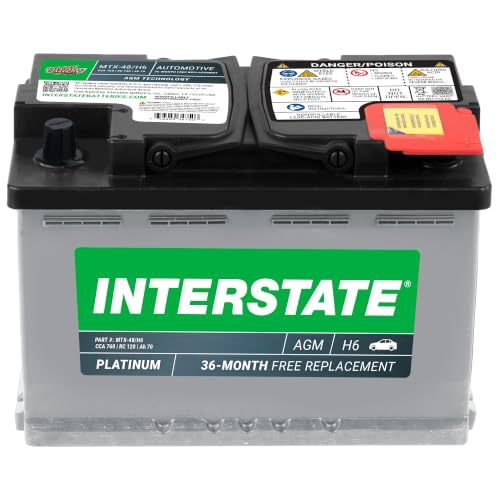
Battery type should follow the vehicle’s requirements, not the cheapest shelf option. Batteries Plus sells lead-acid and AGM batteries, and the right choice depends on how the vehicle is built, how much electrical demand it places on the battery, and what the manual calls for.
Lead-acid batteries
Lead-acid batteries are the most common automotive battery type and are generally less expensive. They fit many everyday vehicles and usually make sense when the original battery was standard lead-acid. Typical life is three to five years, though driving habits and climate can shorten that span.
AGM batteries
AGM batteries use absorbed glass mat construction and are built for higher demand. They often appear in vehicles with start-stop systems, more electronics, or specific factory requirements. They cost more than lead-acid batteries, but the higher price matches the construction and the application.
Group size and vehicle fit
Group size is the physical and terminal-layout match the vehicle needs. If the size is wrong, the battery may not secure properly or the cables may not reach the terminals correctly. Batteries Plus should verify the group size before installation, along with any vehicle-specific battery tray or terminal requirements.
What specs should you confirm?
Group size is only part of the match. You should also confirm amp-hours, cold cranking amps, and reserve capacity, especially if the vehicle has a lot of electrical load or the owner’s manual lists a specific battery spec. A correct fit with the wrong output can still cause problems.
Amp-hours and reserve capacity
Amp-hours, or Ah, describe how much energy the battery can store over time. Reserve capacity, or RC, describes how long it can support electrical loads if the charging system falls short. Both matter when the vehicle has higher accessory use or a demanding factory setup.
Cold cranking amps
Cold cranking amps, or CCA, tell you how well the battery can start the engine in cold conditions. A battery with the wrong CCA rating may fit but still struggle at startup. That is why the store should check CCA against the vehicle requirement, not guess from the case size alone.
Why compatibility matters
Compatibility affects starting power, fit, and service life. The manual should guide the battery type, and the store should confirm that the replacement meets the vehicle’s needs before installation. Follow the vehicle and product manual for battery work and jump-starting steps.
Will they install it at home or work?
Some Batteries Plus locations offer mobile installation at home or work, which can save a tow or a second trip. Availability varies by location, so confirm the service area, the appointment process, and whether the store can bring the exact battery and install it on site. That check prevents delays.
How mobile installation works
Mobile installation usually starts with a fit check and parts confirmation. The installer needs the correct battery type, group size, and vehicle information before arriving. If the vehicle has a special battery location or an unusual fitment, the store may still direct you to a shop visit instead.
What to confirm before booking
Ask whether the location serves your address, whether the battery is in stock, and whether the price includes installation and recycling. Confirm the warranty length too; coverage terms vary by location and product, and the range often falls between 24 to 48 months. Do not assume the same terms everywhere.
When a store visit still makes more sense
A store visit may be the better choice if the car needs deeper diagnosis, if the battery is hard to access, or if the store must compare multiple battery options. That route also helps if the issue might be corrosion, a charging fault, or a loose connection rather than the battery itself.
Frequently asked questions
Will Batteries Plus replace my car battery?
Yes, many Batteries Plus locations replace car batteries, and over 700 locations offer the service. The store still needs the right battery in stock and the vehicle must be eligible for installation. In many cases, the store will test first, then replace only if the battery fails or the fit confirms the correct part.
How much does Batteries Plus charge to replace a car battery?
The replacement cost is typically between $100 and $200. The exact total depends on the battery type, the vehicle, and the store. Lead-acid batteries are generally less expensive than AGM batteries, and installation terms can vary, so ask the local store what is included before you buy.
Does Batteries Plus install car batteries I buy there?
Many locations offer installation with purchase. The store should still confirm compatibility before the battery goes in, including group size and the correct battery type for the vehicle. If the application calls for AGM or a specific fit, the installer should match that spec rather than swapping in a similar-looking battery.
Does Batteries Plus test car batteries for free?
Yes, Batteries Plus offers free battery testing. Technicians can measure voltage, cold cranking amps, and overall condition. That test helps determine whether the battery is weak, whether the vehicle has a charging problem, or whether the issue is actually corrosion or a loose connection.
Can Batteries Plus replace my battery at home or work?
Some locations offer mobile installation at home or work. That convenience depends on the store’s service area and scheduling, so confirm availability before booking. You should also verify that the exact battery is available and that the vehicle is a suitable candidate for mobile service.
Does Batteries Plus recycle old car batteries?
Yes, many locations accept old car batteries for recycling. That is the proper disposal route for lead-acid batteries and helps keep them out of ordinary trash. If you are replacing the battery, ask whether the old one is collected during installation or at the counter.
Do I need an appointment for car battery replacement at Batteries Plus?
Appointment rules vary by location. Some stores may handle same-day service, while others may want you to call ahead so they can confirm stock, installation availability, and mobile service. Before you go, ask about the battery type, the group size, and whether the store can test the battery first.
How long do car batteries usually last?
Car batteries typically last three to five years. Heat, short trips, and high accessory use can shorten that range, while good charging habits can help the battery last longer. If your battery is near that age window and the car is slow to start, testing should come before replacement.
What types of car batteries does Batteries Plus sell?
Batteries Plus sells lead-acid and AGM batteries. Lead-acid is the common, lower-cost choice for many vehicles. AGM costs more and is better suited to higher-demand vehicles or models that require that construction from the factory. The right answer depends on the vehicle, not just the price tag.
Products related to this article
Sponsored / affiliate links. As an Amazon Associate I earn from qualifying purchases. I may earn additional commission from eligible campaigns.