How Does the Heater Work in an Electric Car?
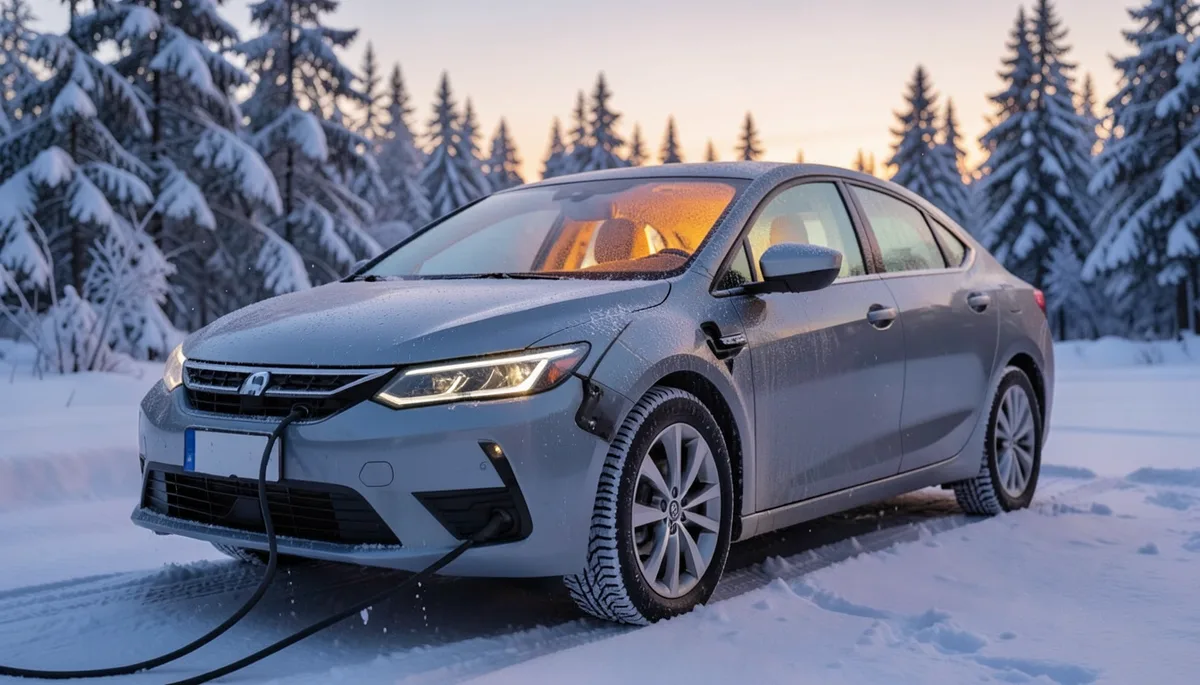
An electric car heater uses either a resistive heating element or a heat pump to warm the cabin, since EVs have no engine producing waste heat the way a gas car does. Older and lower-cost EVs typically rely on simple resistive heaters, while most new EVs now ship with heat pumps because they can move two to three units of heat into the cabin for every unit of electricity they use, instead of just one. Either way, the heater draws straight from the battery, and independent cold-weather testing has found EVs can lose anywhere from about 20 percent to nearly 40 percent of their range when the heater is working hard. Here is exactly how both systems work, and how to stay warm without giving up too many miles.
What Is an Electric Car Heater?
BEST FOR SAVING RANGE ON COLD DRIVES
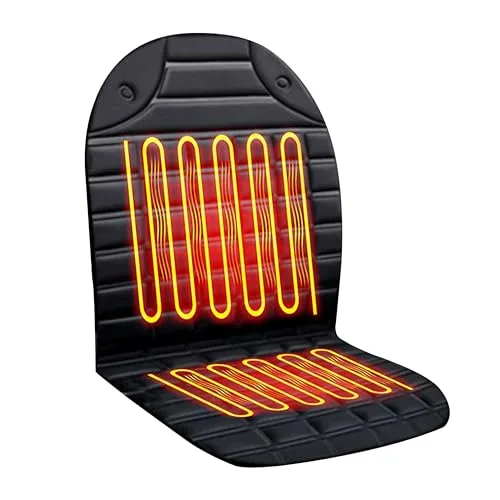 |
FOTN Heated Seat Cover (12V, UL Listed) – $32.90 A heated seat cover warms you directly instead of an entire cabin of air, so you can keep the thermostat lower and hold onto more of your EV’s range on cold mornings.
|
An electric car heater warms the cabin without any help from a combustion engine. A gas car captures heat that its engine is already producing just by running, so cabin heat is essentially free. An EV has no such waste heat, so every bit of warmth has to come from the battery instead. That is really the whole trade-off: EV heating is clean, quiet, and nearly instant, but it always costs some driving range. There are two systems in use today: resistive heaters and heat pumps, and it is worth understanding both since they behave very differently in cold weather.
Resistive Heaters: Like a Toaster in Your Car
Resistive heaters are the simplest option. Electricity runs through a metal heating element the same way it does in a toaster or a household space heater, and the element gets hot. A fan then blows air over that element and pushes the warmth into the cabin. Early EVs, including the first-generation Nissan Leaf, relied on resistive heaters because they are cheap to build and heat up almost instantly. Their downside is efficiency: a resistive heater has a coefficient of performance of 1, meaning it turns exactly one unit of electricity into one unit of heat, so it draws a lot of battery power for the warmth it delivers.
Heat Pumps: Like a Reverse Air Conditioner
Heat pumps are the more efficient option, and most new EVs use them today. Instead of creating heat from scratch, a heat pump works like an air conditioner running in reverse: a compressor pulls heat out of the outside air, even when that air is cold, and moves it into the cabin using refrigerant. Because a heat pump moves heat rather than generating it, it can deliver two to three units of cabin heat for every unit of electricity it consumes. Most EV makers now offer heat pumps as standard or optional equipment, though many still keep a small backup resistive heater on hand, since a heat pump’s efficiency drops sharply once temperatures fall well below freezing.
Step-by-Step: What Happens When You Turn On the Heater
Here is what actually happens inside the car the moment you turn the heater on:
- You turn on the heater: The climate control system draws power from the battery to get started.
- The heater activates: In a resistive system, the metal element gets hot. In a heat pump system, the compressor starts pulling heat out of the outside air.
- Warm air flows: A fan pushes air over the hot element or through the heat pump’s warm coils and sends it through the cabin vents.
- The temperature holds steady: The car’s climate control computer adjusts power automatically to keep the cabin at whatever temperature you set.
Most EVs also let you schedule the cabin to preheat through a phone app while the car is still plugged in. Because that energy comes from the charger rather than the battery, preheating before you unplug is one of the most effective ways to start a drive in a warm car without spending any range on it. Just make sure you are charging safely at home in the first place.
Tools and Parts in an EV Heater
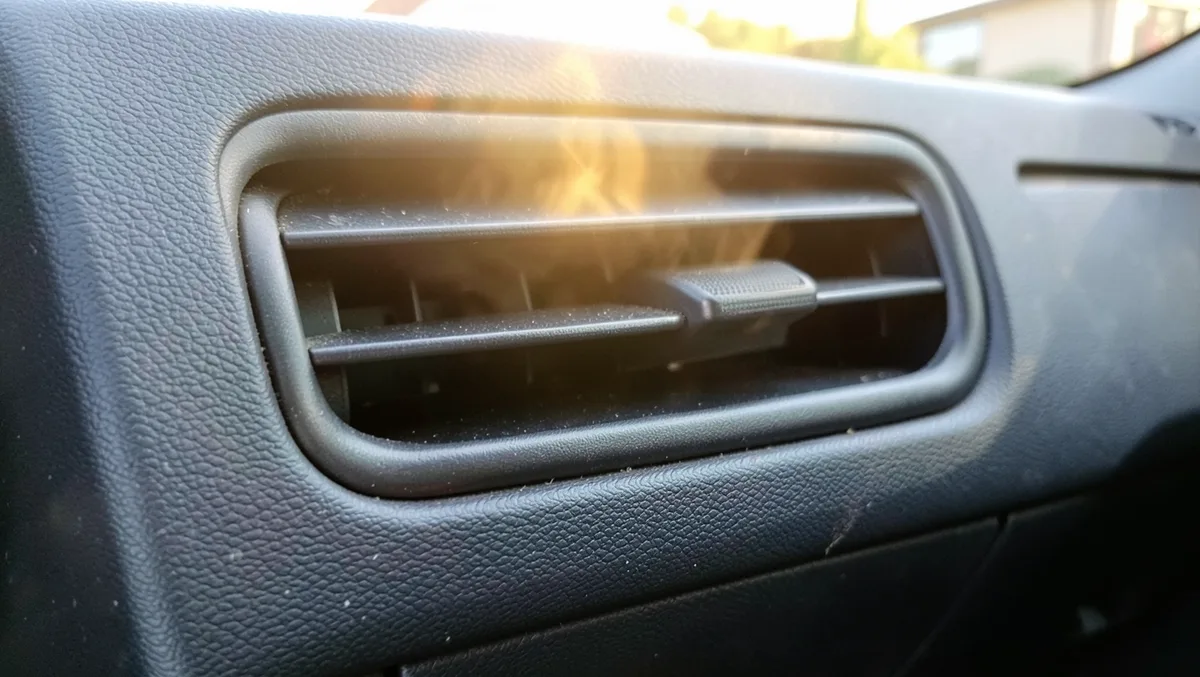
EV heaters do not need any special tools to use, but a handful of parts do all the work. Here is a simple look at what is involved:
| Part | What It Does | Example |
|---|---|---|
| Heating Element (Resistive) | Gets hot to warm the air | Works like a toaster coil |
| Compressor (Heat Pump) | Compresses refrigerant to move heat into the cabin | Found in the Tesla Model 3 and Model Y |
| Fan | Blows warm air into the cabin | Same basic part used in gas cars |
| Battery | Powers the whole heating system | Lithium-ion in nearly every EV |
What the data actually shows: AAA’s 2026 cold-weather testing found EVs lost an average of 39% of their range at 20°F with the cabin heater running to hold 72°F, compared with only a 12% loss when the heater stayed off. Separately, Recurrent’s analysis of more than 30,000 real-world EVs found range loss closer to 22% at freezing temperatures (32°F). The gap between those figures comes down to how hard the heater has to work and whether the car is running a heat pump or a resistive system.
Benefits and Drawbacks of EV Heaters
EV heaters have real advantages, but also a few tradeoffs worth knowing about:
Benefits
- Fast heat: Resistive heaters warm up in seconds, and heat pumps are not far behind.
- No engine needed: EVs do not depend on a gas engine, so heating is clean and quiet.
- Smart features: Many EVs let you preheat the cabin using an app, saving battery power for driving.
Drawbacks
- Range loss: Heaters draw straight from the battery. AAA’s testing found EVs can lose up to 39% of their range at 20°F with the heater running, and larger real-world data sets put typical cold-weather range loss closer to 20-25% at freezing temperatures, according to Edmunds.
- Cost: Heat pumps are more efficient, but they are also more expensive to install and repair than a basic resistive heater.
- Cold-weather limits: Heat pumps lose much of their efficiency advantage below about 14°F (-10°C), so many EVs switch on a backup resistive heater once it gets that cold.
| Heater Type | Efficiency | Cost | Best For |
|---|---|---|---|
| Resistive | Low (uses more battery) | Cheap | Budget EVs |
| Heat Pump | High (saves battery) | Expensive | Most modern EVs |
Tips to Stay Warm Without Losing Too Much Range
A few habits go a long way toward keeping an EV’s cabin warm without draining the battery:
- Preheat while plugged in: Use the EV’s app to warm the cabin while it is still charging, so the energy comes from the charger instead of the battery.
- Use seat and steering wheel heaters: These use far less power than the cabin heater because they only warm you directly instead of an entire volume of air. If you want to know more about how they work, see this guide to how car seat heaters work.
- Dress warm: A cozy jacket means you can rely less on the heater, which is a simple way to protect your range.
- Set a moderate temperature: Keeping the cabin at 68°F instead of 75°F saves power, and every degree adds up over a long drive.
Safety tip: Never plug a household space heater into an EV or run one inside the cabin. It is a real fire hazard and is not how these vehicles were designed to be heated; stick to the car’s built-in climate system, as Lifewire also warns.
Common Mistakes to Avoid
New EV owners tend to make a few avoidable mistakes with the cabin heater:
- Cranking the heat too high: Setting the heater to max drains the battery fast. A comfortable 68-70°F is usually plenty.
- Forgetting to preheat: Skip warming the car while it is plugged in and you will pay for that comfort with range on the road instead.
- Ignoring maintenance: Check the cabin air filter and heating system yearly. A clogged filter makes the heater work harder than it needs to.
Comparing EV Heaters to Gas Car Heaters
Gas cars use engine heat, which is essentially free but slow to arrive. EVs use battery power, which is instant but affects range. Here is a quick comparison:
| Feature | EV Heater | Gas Car Heater |
|---|---|---|
| Heat Source | Battery | Engine |
| Warm-Up Time | Instant | 5-15 minutes |
| Efficiency | Lower in cold weather | High (uses waste heat) |
| Cost to Run | Uses battery range | Free (engine heat) |

Getting the Most Out of Your EV’s Heater
Heat pumps have changed how much range a cold-weather drive actually costs, and pairing one with a few smart habits, like preheating while plugged in and leaning on seat heaters instead of the cabin heater, makes the biggest difference. None of this is complicated once you understand which system a given EV uses and how each one behaves as the temperature drops.
For more on EV heating, see these sources:
- Edmunds: How Do Heaters in Electric Cars Work?
- What Car?: Electric Car Heat Pumps Explained
- Charged EVs: Why Heat Pumps Are Dominating EV HVAC Systems
Frequently Asked Questions
How Does the Heater Work in an Electric Car?
It uses power from the battery to run either a resistive heating element, which works like a toaster coil, or a heat pump, which moves heat from the outside air the way an air conditioner does in reverse. A fan then pushes that warm air through the cabin vents.
Does the Heater Drain the Battery a Lot?
Yes. AAA’s 2026 testing found EVs lost an average of 39% of their range at 20°F with the heater running versus 12% with it off, and a Recurrent analysis of more than 30,000 vehicles found roughly 22% range loss at freezing temperatures. Heat pumps use less energy than resistive heaters, and preheating while still plugged in helps save battery for the drive.
Can I Preheat My EV’s Cabin?
Yes. Most EVs let you schedule cabin preheating through a phone app while the car is still plugged in. That draws power from the charger rather than the battery, so you arrive at a warm car without using any driving range.
Do Heat Pumps Work in Very Cold Weather?
They still work, but less efficiently as the temperature drops, and their advantage over resistive heaters shrinks in extreme cold. Most EVs with a heat pump also carry a small backup resistive heater that kicks in automatically once it is too cold for the heat pump to keep up on its own.
Are EV Heaters Safe?
Yes, when used the way they are designed to be used. They are built into the vehicle’s climate control system with the same safety monitoring as any other component. The one thing to avoid is plugging a household space heater into an EV or using one inside the cabin; that is a fire risk and is not how EV heaters are designed to work.
How Do I Save Battery While Heating?
Preheat while still plugged in, use the seat and steering wheel heaters instead of cranking the cabin temperature, set the thermostat closer to 68°F than 75°F, and dress warmly enough that you do not need to rely on the heater as much. Together, these habits meaningfully reduce how much range the heater eats into.
Can EV Heaters Also Cool the Car?
If the EV uses a heat pump, yes. The same system runs in reverse to cool the cabin in summer, working just like a traditional air conditioner. A resistive-only heater cannot cool anything, so those cars still need a separate air conditioning system for warm weather.
Conclusion
Electric car heaters trade the free waste heat of a gas engine for something faster and cleaner: a resistive element or a heat pump running off the battery. Either system will keep the cabin comfortable, but heat pumps do it with meaningfully less impact on range. Preheating while plugged in, using seat heaters, and keeping the thermostat closer to 68°F are the simplest ways to stay warm without losing too many miles on a cold-weather drive.
Products related to this article
Sponsored / affiliate links. As an Amazon Associate I earn from qualifying purchases. I may earn additional commission from eligible campaigns.