How to Sell a Car Online: The Complete 2026 Playbook
You’ve decided it’s time to part ways with your car. Maybe the repair bills are piling up, or you’ve got your eye on something newer. The old way meant washing it, parking it on a side street with a handwritten sign, and waiting for strangers to call. That still works, but it’s slow and limits you to people who happen to drive past.
Selling online changes the math. Instead of reaching a few hundred local drivers, your listing can reach thousands of buyers across the country. The trade-off is that you need to do more than snap a blurry photo and hope. This guide walks through the entire process, from figuring out what your car is actually worth to handing over the keys without getting burned. You’ll learn the exact steps, the common pitfalls, and the honest truth about which platforms work best for different situations.
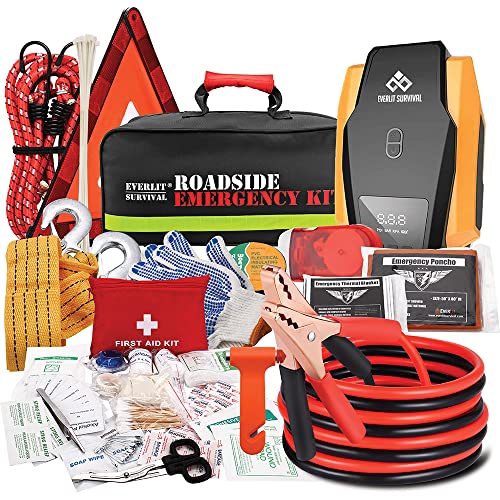
EVERLIT
Everlit Survival Car Emergency Kit, Roadside Safety…
- The Road Guardian- The portable roadside assistance kit is designed and hand picked by a group of experienced veterans and experts…
- Top-Notch Digital Auto Tire Inflator- lightweight and compact air compressor can inflate your standard vehicles tire in seconds. W…
- Copper-Clad Aluminum 12 Feet 8 Gauge Jumper Cable- A durable battery starter cable is a must-have for your trip. Unlike other kits…
Before you start photographing and listing, think about safety. You’ll be meeting strangers and letting them test drive your property. Having a roadside emergency kit in the trunk is a small investment that pays off if a test drive ends with a dead battery or a flat tire. It’s also a good habit to keep one in whatever car you buy next.
Step 1: Figure Out Your Car’s Real Value (Not What You Owe)
Most people start with a number in their head, usually what they paid or what they still owe. Neither matters to a buyer. The market sets the price, and you need to find it before you list.
Start with the big three valuation tools: Kelley Blue Book (KBB), Edmunds, and NADA Guides. Enter your VIN, mileage, trim level, and condition honestly. The private party value is your target, not the trade-in value. Trade-in is what a dealer pays you to take the car off your hands so they can resell it for profit. Private party is what an individual will pay because they’re skipping the dealer markup.
Here’s the part most guides skip: the valuation tools are usually 5-10% optimistic. They’re designed to make you feel good about your car. Cross-check their number against actual listings on sites like AutoTrader or Cars.com for the same year, make, model, and similar mileage in your region. If there are 15 similar cars listed and 12 of them have been sitting for 30 days, the market is soft. Price yours at the bottom of that range if you want to move it in a week, or the middle if you can wait a month.
One more thing: get a CarFax or AutoCheck report. It costs around $40, but you’ll need it anyway. Buyers will ask, and having it ready shows you’re serious. If the report shows an accident or a salvage title, disclose it upfront. Hiding it wastes everyone’s time and kills the deal when they run their own check.
Step 2: Prepare the Car for Online Photos (Yes, It Matters)
Online buyers only see what your photos show. A clean car photographs better, plain and simple. Spend two hours on this, not two days.
Wash the exterior, vacuum the interior, wipe down the dashboard, and clean the windows inside and out. Remove personal items from the glove box, trunk, and under the seats. A phone charger cord draped across the console makes the car look neglected. Remove the floor mats and shake them out. If the headlights are cloudy, a $15 polishing kit makes a noticeable difference in photos.
Take photos in daylight, not direct noon sun. Early morning or late afternoon gives softer light and fewer harsh shadows. Park in a clean, uncluttered area — an empty parking lot or a quiet street with no other cars in the frame. Shoot at eye level, not from above or below.
Here’s the photo checklist that gets the best response:
- Front angle (3/4 view, showing the front and one side)
- Rear angle (3/4 view)
- Front grille and headlights
- Dashboard with mileage visible
- Front seats and rear seats
- Trunk interior
- Each tire and wheel (show the tread condition)
- Engine bay (clean it first with a rag, don’t spray water)
- Any damage — a close-up of a scratch or dent builds trust
Take 20-30 photos. Post 15-20 of the best ones. Listings with more than 15 photos get significantly more inquiries than listings with 5. That’s not a guess, it’s a pattern across every major platform.
Step 3: Choose the Right Selling Platform
Not all platforms serve the same purpose. The right choice depends on how fast you need to sell and how much hassle you can tolerate. Here’s the honest breakdown.
| Platform | Best For | Typical Time to Sell | Fees | Main Drawback |
|---|---|---|---|---|
| Facebook Marketplace | Fast local sales, no fees | 3-10 days | Free | High number of tire-kickers and lowball offers |
| Craigslist | Direct cash sales, no fees | 5-14 days | Free ($5 for dealers) | More scams, need to filter aggressively |
| AutoTrader / Cars.com | Serious buyers, wider reach | 2-4 weeks | $30-$80 for a listing | Listing fees, buyers expect dealer-level presentation |
| Carvana / CarMax / Vroom | Instant offer, no meetings | 1-2 days for offer, 3-5 for pickup | None, but offer is lower | You leave money on the table (often 10-15%) |
| eBay Motors | Rare or enthusiast cars | 7-14 days (auction style) | Listing fee + final value fee (~10%) | Buyer can back out, shipping logistics are on you |
For most people, Facebook Marketplace is the best starting point. It’s free, reaches a huge local audience, and you can cross-post to local buy/sell groups. The downside is dealing with messages from people who ask “Is this available?” and then never respond. You’ll get used to it.
Craigslist still works, but it’s gotten worse over the years. The signal-to-noise ratio is lower, and you’ll need to be more careful about phishing texts. If you go this route, use a Google Voice number and never share your home address until you’ve vetted the buyer. For a deeper look, check this Craigslist car selling guide.
If you want zero hassle and are willing to take a lower offer, Carvana’s instant quote takes five minutes. You’ll get a real number, and they’ll pick up the car with a flatbed truck. It’s not the best price, but it is the easiest. For a more detailed comparison, see this car selling speed breakdown.
Step 4: Write a Listing That Actually Sells (Copy Matters)
Your title and description are your sales pitch. A lazy description tells buyers you don’t care about the car. A detailed one tells them you maintained it.
Title format: Year, Make, Model, Trim, Mileage, and one key selling point. For example: “2026 Honda Civic LX, 45k miles, Clean Title, One Owner.” That tells a buyer everything they need to know in five seconds.
In the description, use a short intro, then bullet points. Here’s a structure that works:
- First line: mileage, title status (clean/salvage), and whether it has any accidents.
- List recent maintenance (new tires at 40k, oil changes every 5k, brakes replaced last year).
- List any known issues honestly (“AC blows cold but needs a recharge every summer”).
- State your price and add “slightly negotiable” if you’re willing to move.
- Mention you have the CarFax report available.
A common mistake is writing “runs great” without any proof. Instead, write “just passed state inspection, new alternator installed in March.” Specifics build trust. Vague claims do nothing.
Set your price about 5% higher than your target. Buyers almost always negotiate down. If your target is $8,000, list at $8,400. You get your number, they feel like they got a deal. It’s a small psychological trick that works almost every time.
Step 5: Handle Inquiries and Test Drives Without Getting Scammed
Your phone will buzz. Some messages are real buyers, some are time-wasters, and a few are outright scams. Here’s how to sort them.
Scam red flags: someone offers to pay full price without seeing the car, wants to send a cashier’s check for more than your asking price and have you wire the difference, or asks for your vehicle’s VIN and a photo of your driver’s license before even asking about the car. Block these people. There is no legitimate reason for any of that.
For real buyers, meet in a public place. A police station parking lot with a designated “internet exchange” area is ideal. Many stations have them now. If not, use a busy shopping center parking lot. Bring a friend or family member. Do not go alone.
When they arrive, hand them the keys and let them start it. Walk them around the car and point out any flaws before they ask. This disarms them and makes you look honest. Let them take it for a test drive, but go with them. Take a photo of their driver’s license before you hand over the keys. That’s not paranoid, it’s basic protection.
Check their payment before handing over the title. Cash is cleanest. If they want to pay with a cashier’s check, go to the bank with them and watch the teller issue it. A certified check from a stranger is a common scam vector. Venmo or Zelle are fine for small deposits, but never for the full amount — those payments can be reversed in some fraud cases.
Step 6: Paperwork and Final Transfer (Get This Right)
Every state has different rules, but the core paperwork is similar. You need the title, a bill of sale, and a release of liability form.
Sign the title in front of the buyer. Fill in the odometer reading on the title exactly as it shows on the dashboard. Do not leave any fields blank. A blank field can be filled in later with a different number, and that becomes your problem.
Write a bill of sale with the date, both names and addresses, the VIN, the sale price, and “sold as-is” in bold. Both of you sign it. Keep a copy. This protects you if the buyer claims the car had a hidden defect.
File the release of liability form with your DMV immediately. In most states, you can do this online in under five minutes. This is the form that says “I no longer own this car.” If the buyer drives away and runs a red light, this form is what keeps the ticket from coming to you. Do not skip this step. Do not trust the buyer to file it. Do it yourself the same day.
Remove your license plates before the buyer drives away, unless your state requires plates to stay with the car (a few do). If you’re unsure, a quick search for your state’s DMV rules will clarify. Take the plates off, cancel your insurance on that vehicle, and you’re done.
Frequently Asked Questions
What is the fastest way to sell a car online?
Carvana and other instant-buyer services are the fastest. You get an offer in minutes and they pick up the car within a few days. The trade-off is a lower price, often 10-15% below what you’d get selling privately. If speed matters more than money, that’s your route.
Should I detail my car before taking photos?
Yes, but a $20 self-wash and vacuum is enough. A full professional detail costs $150-$300 and rarely adds that much to your final sale price. Buyers expect a clean car, not a showroom finish. Spend the money on a good CarFax report instead.
Is it safe to accept a cashier’s check for a car sale?
It can be safe, but only if you verify it with the issuing bank before handing over the keys. Call the bank directly (look up the number yourself, not one the buyer gives you) and confirm the check is valid. Better yet, meet at the buyer’s bank and watch them get it. Fake cashier’s checks are a classic scam.
Can I sell a car online if I still have a loan on it?
Yes, but it’s more complicated. You need to pay off the loan to get the title. Most lenders will provide a payoff quote and accept payment online. If the buyer pays you more than the payoff amount, you keep the difference. Some platforms like Carvana handle this for you by paying the lender directly. Just be honest in your listing that there’s a lien.
What should I do if a buyer asks to test drive the car alone?
Say no. You have no legal protection if they crash or disappear. Ride along in the passenger seat. If they insist on going alone, that’s a strong signal they’re not serious. A legitimate buyer understands why you’d want to be in the car.
Final Checklist Before You List
You’ve got the plan. Here’s the short version to keep on your phone while you work through it.
- Price with KBB/Edmunds, then cross-check against live listings in your area. Expect the tools to be 5-10% high.
- Wash the car inside and out. Take 20+ photos in soft daylight, including close-ups of any damage.
- Start on Facebook Marketplace for free local reach. Use Craigslist as a secondary option, and AutoTrader only if you’re willing to pay for a listing.
- Write a description with specific maintenance history, not vague claims. Disclose known issues.
- List 5% above your target price to leave room for negotiation.
- Meet in a public place, bring a friend, and photograph the buyer’s license before a test drive.
- Sign the title in front of the buyer, write a bill of sale, and file your state’s release of liability form the same day.
One last thought: if you’re also buying a new car, don’t trade in your old one without getting an online quote first. Dealers will lowball you, and having a competing offer from Carvana or a private buyer gives you leverage. You might be surprised how much more you get by selling privately. The process takes a weekend of effort, but it’s often worth an extra $1,000-$2,000 in your pocket.
Products related to this article
Sponsored / affiliate links. As an Amazon Associate I earn from qualifying purchases. I may earn additional commission from eligible campaigns.