How to Sell a Car on Craigslist Without Getting Scammed
You’ve seen the horror stories. A guy posts his truck on Craigslist, meets a buyer at a gas station, and watches him drive off with a fake cashier’s check. Or the seller who skipped the paperwork and got stuck with parking tickets for a car they no longer own. These stories are real, but they’re also avoidable.
Craigslist remains one of the best places to sell a used car privately because it’s free, local, and gets thousands of eyes on your listing. The trick is knowing how to filter out the noise. This guide walks you through the entire process — from pricing and photos to the paperwork that protects you after the sale. You’ll get exact scripts for rejecting lowballers, a photo order that works, and the one form most sellers forget that can save you a pile of money.
Venicor
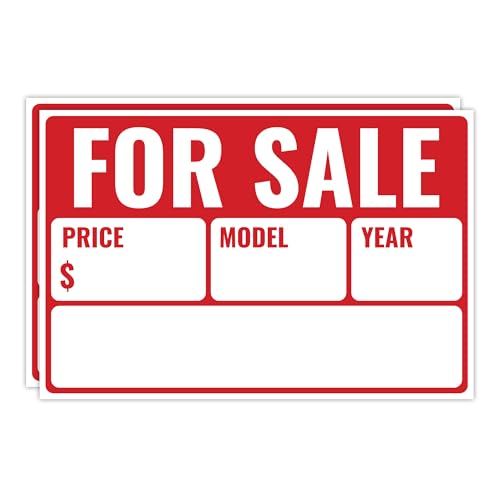
2PC For Sale Sign Car, 12 Inches…
- Set of two: Pack includes 2 For Sale Signs 12" x 8" each.
- Sturdy & Durable: Signs are 20 mil thick polystyrene plastic that can withstand the elements and can be used both indoors and outd…
- Vibrant colors: High quality, high resolution UV printing with striking colors that makes the sign visible from a distance.
Before you start snapping photos, grab a set of for sale signs to place in the windows. A visible sign catches drive-by buyers who aren’t searching online, and the 20 mil plastic holds up in rain and sun. It’s a cheap way to double your exposure.
Why Craigslist Still Works for Private Car Sales
Facebook Marketplace and CarGurus have taken a chunk of Craigslist’s traffic, but Craigslist still has one huge advantage: no seller fees. You can list a car for free, and the buyer pool is massive. In most metro areas, your listing will get a dozen responses in the first day.
The downside is the signal-to-noise ratio. You’ll get spam texts, lowball offers, and people who ask if the car is still available and never reply again. That’s normal. The process below is designed to filter those people out fast so you spend time only with serious buyers.
One thing to know upfront: Craigslist’s spam filter is aggressive. It blocks listings with certain words (like “low miles” combined with “warranty”) or too many links. Keep your listing text plain and avoid phone numbers in the body — the filter often pulls those. We’ll get into the exact formula later.
Step 1: Price It Right (and Leave Negotiation Room)
Pricing is where most sellers lose money or waste weeks. Price too high and your listing goes stale. Price too low and buyers assume something’s wrong. The sweet spot is 5-10% above what you’ll actually accept.
Start by checking three sources: Kelley Blue Book, Edmunds, and actual Craigslist listings for the same make, model, year, and mileage within 50 miles. Look at listings that have been up for more than two weeks — those are priced too high. Listings that disappeared within a few days were priced right.
Set your asking price about $500-$1,000 above your minimum acceptable number, depending on the car’s value. If you want $8,000, list at $8,500 or $8,900. Buyers expect to negotiate, and leaving that room makes them feel like they won. It also gives you space to drop the price later.
Craigslist has a price drop feature. After two weeks with no serious offers, drop the price by $300-$500. The listing shows a strikethrough on the original price, and that visual cue triggers interest. It signals urgency — “this seller is serious about selling.”
Step 2: Prep the Car for Photos and Test Drives
You don’t need a detailer, but you do need to clean the car. A dirty interior in photos screams neglect. Buyers assume that if you didn’t clean it, you didn’t maintain it either.
Spend an afternoon on this:
- Wash and dry the exterior, including the wheels and tires. Dress the tires — black, shiny tires make the whole car look newer.
- Vacuum the interior, wipe down all plastic and leather, and clean the windows inside and out.
- Remove personal items from the glovebox, trunk, and under seats. You don’t want a buyer finding your registration or an old receipt with your address.
- Clean the engine bay lightly. Don’t spray water everywhere — just wipe down the plastic covers and visible surfaces. A clean engine suggests the car was cared for.
- Top off fluids and check tire pressure. A test drive feels better when the steering wheel doesn’t vibrate.
Take care of any cheap fixes that affect first impressions. A burnt-out license plate bulb costs $5. A cracked mirror cover costs $30 on eBay. These small things give buyers reasons to lowball you.
Step 3: Write a Listing That Beats the Spam Filter
The Title Formula
Your title is the first thing buyers see in search results. It needs to hit the key terms without tripping the spam filter.
Use this structure: Year Make Model Trim – Mileage – Price – Condition.
Example: “2026 Honda Civic EX-L – 65k miles – $14,900 – Excellent”
Don’t use all caps, don’t write “MUST SELL” or “PRICE DROP” in the title. Craigslist’s filter flags those. Keep it clean and factual.
The Description Checklist
The description is where you sell the car’s story. Write it like you’re telling a friend about it. Be specific, but don’t write a novel. Aim for 300-500 words.
- Start with the basics: year, make, model, trim, mileage, VIN (last 4 digits only), and your asking price.
- List recent maintenance with dates and mileage. “New tires at 60,000 miles” is good. “New alternator, brake pads, and oil change at 62,000 miles” is better.
- Mention any accidents or damage honestly. “Clean title, no accidents” is a strong phrase. If it has a rebuilt title, say so upfront — hiding it wastes everyone’s time.
- Note the vehicle history report. Buyers will ask for it, so mention you have a Carfax or AutoCheck report available.
- State your preferred contact method. “Text or email only, no calls” cuts down on spam.
- Do not include your phone number in the listing. Craigslist’s spam filter often removes listings with phone numbers, and it attracts robocallers.
Here’s a quick template you can adapt:
“Selling my 2026 Honda Civic EX-L. 65,000 miles, clean title, no accidents. I’m the second owner; bought it in 2026 with 28,000 miles. All maintenance done at Honda of Seattle — records included. New tires at 60k, new battery at 58k. Interior is in great shape, small scratch on the rear bumper. Asking $14,900, negotiable. Text me at [your number] or reply via Craigslist email. No dealers, no trade-ins.”
That last line — “no dealers” — filters out a lot of flippers and wholesalers who’ll waste your time with lowball offers.
Step 4: Shoot Photos That Sell (Order Matters)
Listings with 15+ photos get far more serious responses than listings with 5 photos. Buyers want to see everything before they bother contacting you.
You don’t need a fancy camera. A modern phone in daylight works fine. The key is lighting and angles.
Shoot on a cloudy day or in the late afternoon. Harsh midday sun creates glare and harsh shadows. Overcast light makes the paint look even and hides swirl marks.
Here’s the exact order to shoot and upload:
- Front 45-degree angle — stand about 10 feet back, shoot from the front corner. This shows the car’s profile and front end together.
- Rear 45-degree angle — same distance, opposite corner.
- Full front and rear — straight-on shots.
- Both sides — stand perpendicular to the car, showing the full side profile.
- Interior dashboard — from the passenger side, showing the steering wheel, gauges, and center console.
- Front seats — from the rear door, showing seat condition.
- Rear seats — from the front door.
- Cargo area — with seats folded down if applicable.
- Engine bay — clean it first, then shoot straight down.
- All four wheels — close-up shots showing tire tread and wheel condition.
- Any damage — take a clear close-up of every scratch, ding, or stain. This builds trust and prevents surprises at the meetup.
- Odometer — a close-up showing the current mileage.
That’s 12-15 photos. Upload them in that order. The first photo is your thumbnail — make it the front 45-degree angle. That’s what shows up in search results, and it’s the one that gets clicks.
Step 5: Screen Buyers and Spot Scams Early
You’ll get responses within hours of posting. Most will be junk. Here’s how to sort through them.
Use the Craigslist app’s chat feature or email relay instead of giving out your phone number right away. The app’s chat gives you timestamps and keeps the conversation in one place. It’s also easier to ignore spam. Email works too, but it’s slower. Text is fastest, but only share your number after you’ve vetted the buyer.
Ask these three questions in your first reply:
- “Are you familiar with this make/model?” — serious buyers usually are.
- “Will you need financing?” — if yes, move on. Private party sales rarely work with bank loans because the buyer needs the title to secure the loan, and you need the money to release the title. It’s a chicken-and-egg problem.
- “Can you meet during daylight hours?” — if they push for a night meetup, that’s a red flag.
A serious buyer replies quickly and directly. A scammer sends vague messages like “Is this still available? What’s the lowest you’ll take?” without answering your questions.
Here are the classic Craigslist scams to watch for:
- The overpayment scam — buyer sends a check for more than the asking price and asks you to wire back the difference. The check bounces later. Never accept a check for more than the sale price.
- The shipping scam — buyer claims to be out of state, wants to send a “shipping agent” to pick up the car. They’ll send a fake cashier’s check and try to take the car before it clears.
- The third-party scam — buyer says their “cousin” or “assistant” will handle the transaction. Always deal with the person in front of you.
- VIN cloning — someone asks for a photo of the VIN plate and title. They might clone the VIN for a stolen car. Block out the last 4 digits of the VIN in photos and don’t send the full title until the sale.
If something feels off, trust your gut. There will be another buyer.
Step 6: The Safe Meetup and Test Drive Protocol
Never meet at your home. Meet in a public place with cameras — a police station parking lot, a bank parking lot, or a busy shopping center. Many police stations have designated “safe exchange zones.” Call your local precinct to find one.
Bring a friend or family member. They can take photos of the buyer and their license plate, and they can sit in the back during the test drive.
Before the test drive, do this:
- Check the buyer’s driver’s license. Take a photo of it. If they refuse, the sale is off.
- Take a photo of their license plate.
- Verify they have insurance — most states require it for a test drive.
- Collect your keys and registration before they drive. You hold the keys to your other car, and you keep the title in your pocket.
During the test drive, go with them. Sit in the back seat behind the passenger. Give them a route that includes highway on-ramps, a stop-and-go section, and a rough road. That’s how they’ll hear any weird noises. Keep the radio off.
After the test drive, expect negotiation. If they start lowballing, use this script:
“I appreciate the offer, but I’m at $14,500. The car needs nothing — new tires, new battery, all maintenance done. If you can meet me at $14,000, we can do the paperwork today. Otherwise, I have a couple other interested buyers.”
That does two things: it gives a small concession (the $500 drop) and it creates urgency. If they walk, let them walk. You’ll get another offer.
For lowballers who offer 30% below your price, don’t argue. Just say: “That’s lower than I can go. If your budget changes, let me know.” Then stop replying. They’re wasting your time.
Step 7: Payment Methods: What to Accept and What to Refuse
Cash is king, but it has a problem: $10,000 in cash is a lot of bills, and counterfeit bills exist. Meet at a bank and use the teller’s counterfeit pen or the currency counter. Most banks will verify cash for free if you have an account.
Cashier’s checks are fine if you verify them before handing over the keys. Meet at the buyer’s bank and have the teller confirm the check is valid. Or call the bank’s fraud department — not the number on the check, the number from the bank’s website — to verify.
Wire transfers work, but only for out-of-state buyers. The money must clear your account before you release the car.
Never accept:
- Personal checks
- Money orders (highly counterfeited)
- Venmo, Zelle, or PayPal (buyers can reverse these)
- Cryptocurrency
One note on cashier’s checks: scammers have gotten very good at making fake ones. If the buyer insists on a cashier’s check and won’t meet at their bank, walk away.
Step 8: Paperwork: Title, Bill of Sale, and Odometer
This is where the sale actually happens. Get it right and you’re protected. Get it wrong and you’re liable for whatever happens next.
You need three documents:
- The title — signed and dated. Fill out the odometer disclosure on the back. Most states require it for vehicles under 10 years old. The buyer’s name goes in the “buyer” section. Don’t leave it blank — that creates a “skip title” which can get both of you in trouble.
- The bill of sale — this is a separate document that records the transaction. Include the date, both names, the VIN, the odometer reading, the sale price, and the words “sold as-is, no warranty.” You can find free templates online for your state. Print two copies, sign both, and keep one.
- Release of liability form — some states have this as part of the title transfer. Others have a separate form. Check your state DMV website. This is the document that tells the state you no longer own the vehicle.
If there’s a lien on the car (you still owe money on it), you need a lien release from the lender. The lender must send the title to you or the buyer after the loan is paid. This adds a week or two to the process. Be upfront about it — some buyers won’t wait, but many will if the price is right.
Fill out the bill of sale together, not before the meetup. That way the buyer sees the odometer reading and the price at the same time. It prevents disputes later.
Step 9: Post-Sale Liability (The Step Everyone Skips)
You sold the car, got your money, and shook hands. You’re not done yet.
The buyer could drive off and rack up tolls, parking tickets, or worse — commit a crime. If the car is still registered in your name, you’ll get the letters. In some states, you can even be held liable for damages in an accident.
Here’s what to do within 24 hours of the sale:
- Log into your state DMV website and file the Notice of Sale or Release of Liability online. This is usually free and takes five minutes. It officially ends your responsibility for the vehicle.
- Remove the license plates if your state requires it. In most states, plates stay with the seller. Check your local rules. If plates stay with the car, at least file the notice of sale.
- Cancel your auto insurance on the vehicle. Call your agent, give them the date of sale, and ask for a prorated refund. Don’t cancel before the sale — you need coverage during the test drive.
- Keep your copy of the bill of sale and the title transfer receipt for at least three years. You may need it for tax purposes or if a dispute arises.
One more thing: take a photo of the buyer’s driver’s license and the signed bill of sale. Store it in your phone or email. It’s a small step that gives you a lot of peace of mind.
Frequently Asked Questions
Is it safe to sell a car on Craigslist?
Yes, if you follow the safety steps: meet in a public place, bring someone with you, verify the buyer’s ID, and never accept payment methods that can be reversed. Most Craigslist transactions go smoothly. The scams are predictable, and once you know them, they’re easy to spot.
How much does it cost to list a car on Craigslist?
Craigslist charges $5 for a car listing in most areas. That’s it. One flat fee, and your ad stays up for 30 days. You can renew it once. Compare that to eBay Motors or Autotrader which take a percentage of the sale.
Should I include my phone number in the listing?
No. Craigslist’s spam filter often removes listings with phone numbers, and it invites robocalls. Use the email relay or the app’s chat feature. Once you’ve vetted a buyer, you can share your number for faster communication.
What if the buyer wants to pay with a cashier’s check?
Cashier’s checks are fine, but verify them before handing over the keys. Meet at the buyer’s bank and have a teller confirm the check is valid. Or call the bank’s fraud department using a number from the bank’s website, not the number printed on the check.
Do I need a vehicle history report?
It helps. Buyers will ask for it, and providing a Carfax or AutoCheck report builds trust. It’s a $30-40 investment that can save you from endless back-and-forth. If the car has a clean history, the report sells the car for you.
Bottom Line: Is It Worth It?
Selling a car on Craigslist takes a few hours of work, but the payoff is real. You’ll typically get 10-20% more than a dealer trade-in offer, and you control the entire process.
Here’s what to remember:
- Price it 5-10% above your minimum to leave negotiation room.
- Clean the car thoroughly before taking photos.
- Shoot 12-15 photos in the exact order listed above.
- Write a plain-text description without phone numbers or spam-trigger words.
- Screen buyers with three questions before sharing your number.
- Meet at a police station or bank, bring a friend, and verify the buyer’s ID.
- Accept only cash or verified cashier’s checks.
- File the Notice of Sale with your DMV within 24 hours.
Craigslist isn’t perfect. You’ll sift through some garbage messages and maybe a few scammers. But with the right process, you’ll find a serious buyer, get a fair price, and walk away without a single headache. If you’re weighing other options, check out our guides on selling on CarGurus or selling a car for cash in Florida to compare. And if you need a quick sale, read about how fast you can realistically sell. Good luck — you’ve got this.
Products related to this article
Sponsored / affiliate links. As an Amazon Associate I earn from qualifying purchases. I may earn additional commission from eligible campaigns.
 Biugaaufai 2 Pack Black Car Ramps, Low Profile Car Service Ramp for Vehicle Maintenance, Heavy Duty Car Ramps for Oil Changes, Trucks & Cars
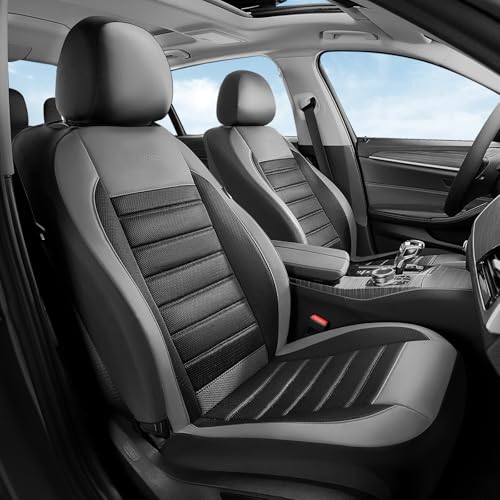 Coverado Car Seat Covers Front Seats, Luxury Leather Car Seat Covers, Automotive Mesh Seat Covers 2 Pack, Airbag-Compatible, Black Gray Seat Covers for SUV Sedan Truck