How to Start Stick Shift Car: Easy Steps for Beginners
Learning how to start a stick shift car can feel tricky at first. You might worry about stalling or jerking forward.
But once you get the hang of it, driving a manual transmission gives you full control and a fun, connected experience behind the wheel. This guide will walk you through every step, breaking it down into simple actions you can master quickly.
By the end, you’ll feel confident starting and driving your stick shift car smoothly, without stress or hesitation. Ready to take control? Let’s get started.
Preparing To Drive
Preparing to drive a stick shift car is the first step to a smooth start. It sets the foundation for a safe and confident drive. Before turning the key, you need to get ready properly. This means knowing your car’s controls and making sure you are comfortable behind the wheel.
Familiarize With The Gear Layout
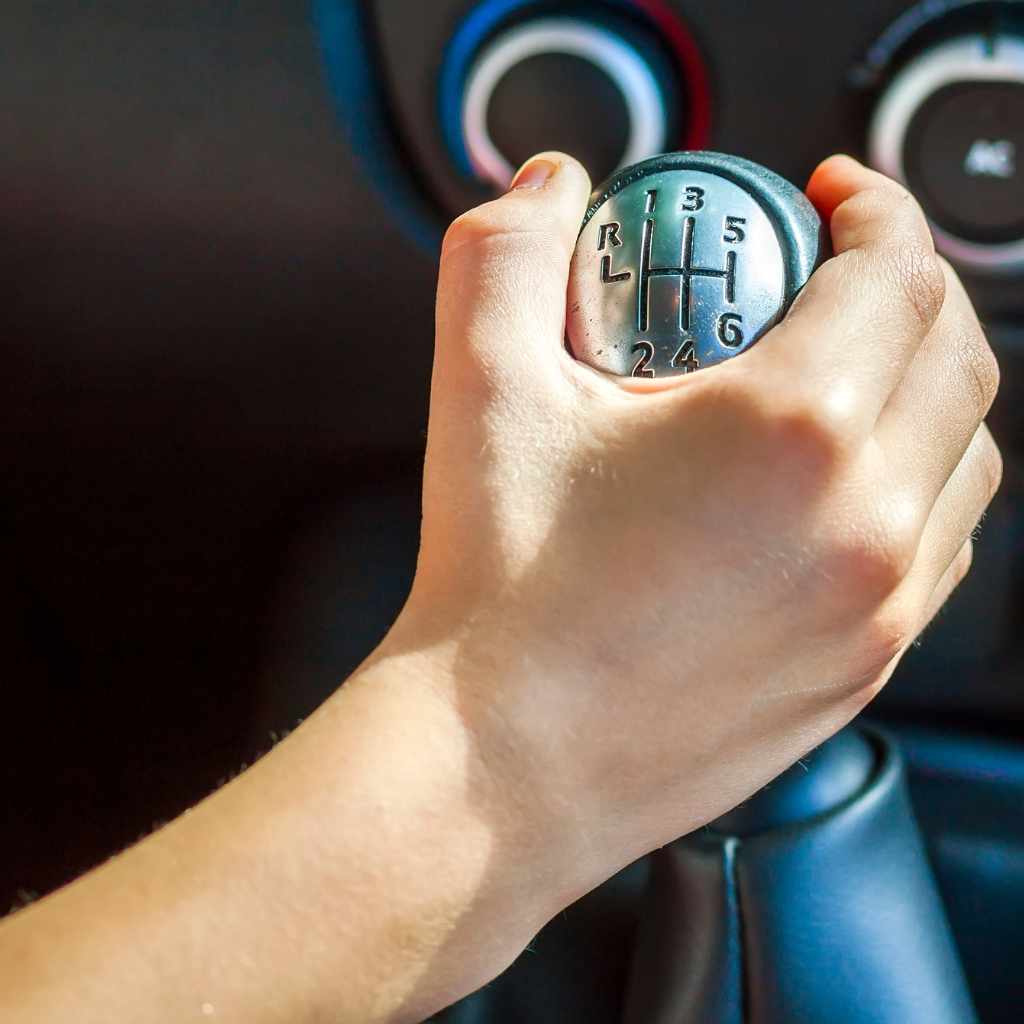
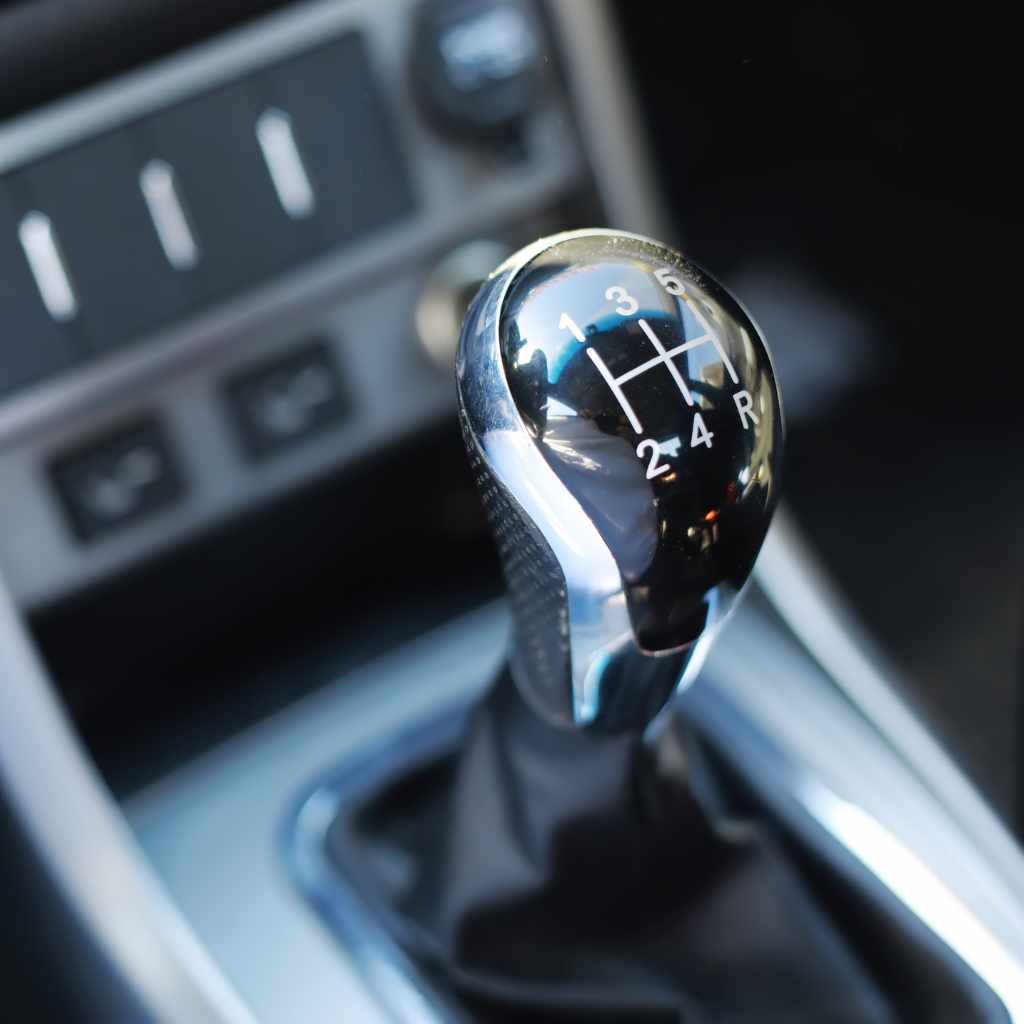
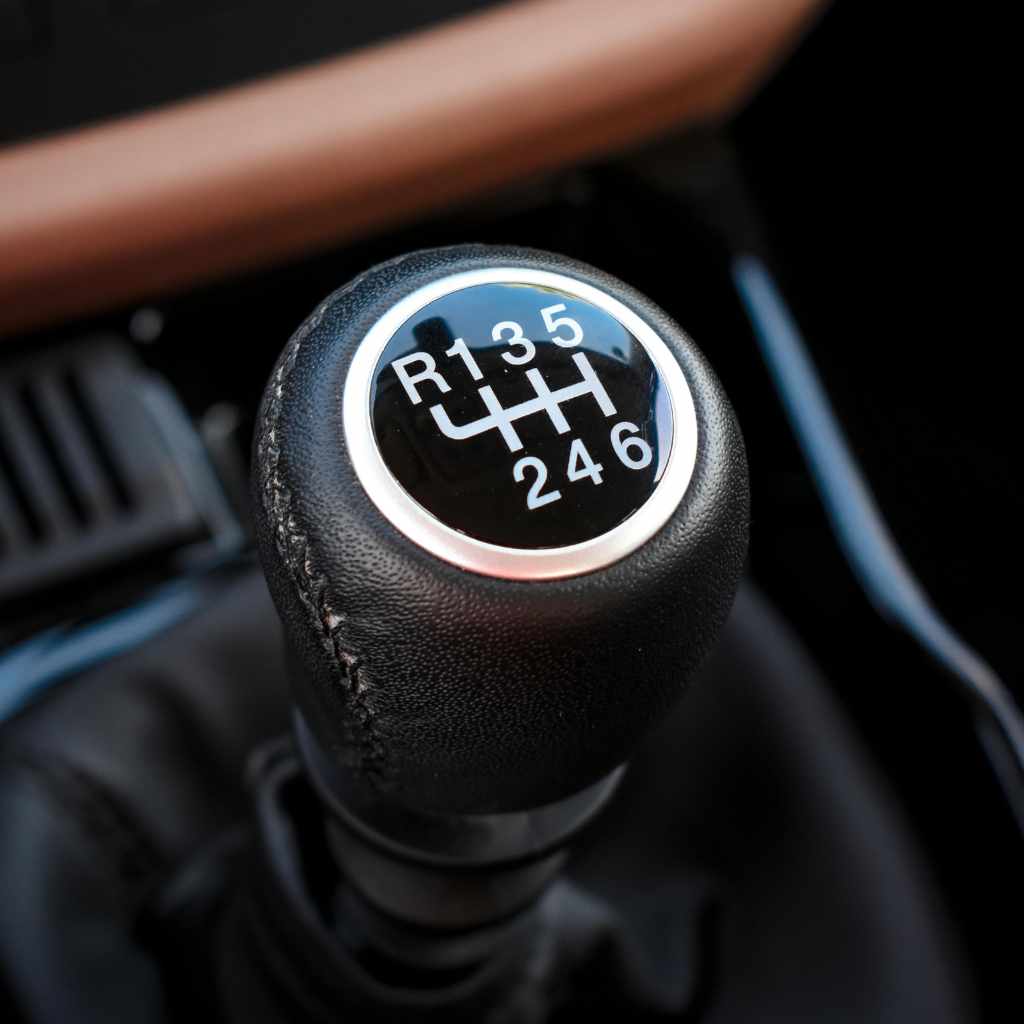
Every manual car has a gear pattern shown on the gear knob. This pattern tells you where each gear is located. Take a moment to study it closely. Practice moving the gear stick through the gears while the engine is off. This helps you remember the positions and avoid confusion later. Knowing the gear layout well makes shifting easier and smoother.
Adjust Seat And Mirrors
Adjust your seat so you can reach all pedals comfortably. Your knees should bend slightly when pressing the clutch. Sit upright with a clear view of the road. Adjust the rearview and side mirrors to remove blind spots. Proper seat and mirror settings improve your control and awareness. This is key for safe driving.
Understand The Clutch Pedal
The clutch pedal is essential in a stick shift car. It is located to the left of the brake pedal. Pressing the clutch disconnects the engine from the wheels. This allows you to change gears without damaging the car. Practice pressing and releasing the clutch slowly. Feel how it engages and disengages. This helps you avoid stalling or jerking when driving.
Starting The Car
Starting a stick shift car can feel tricky at first. The key is to follow a few simple steps carefully. This helps the car start smoothly and safely. Understanding these steps builds confidence for driving a manual transmission vehicle.
Press The Clutch Fully
Push the clutch pedal all the way down with your left foot. This disconnects the engine from the wheels. It prevents the car from moving when you start the engine.
Turn The Ignition Key
Insert the key into the ignition. Turn it to start the engine. Keep the key turned until the engine runs smoothly. Release the key once the engine is on.
Check For Neutral Gear
Before starting, make sure the gear shift is in neutral. This means the car is not in any gear. The gear stick should move freely side to side. This prevents the car from lurching forward or backward.
Moving The Car
Moving a stick shift car needs control and smooth actions. Start slow to avoid stalling or jerking. Focus on the clutch, gear, and gas pedals. Each part works together to get the car rolling safely.
Shift To First Gear
Press the clutch pedal fully to the floor. Move the gear stick into first gear. Make sure the car is completely stopped before shifting. This step sets the car ready to move forward.
Slowly Release The Clutch
Lift your foot off the clutch pedal slowly. Feel the car start to engage and move. Avoid letting the clutch go too fast. A smooth release prevents the engine from stalling.
Apply Gas Gently
Press the gas pedal lightly while releasing the clutch. Add more gas if the car feels like it will stall. Keep your movements slow and steady. This helps the car move forward smoothly and safely.
Shifting Gears Smoothly
Shifting gears smoothly is key to driving a stick shift car with confidence. It keeps the ride comfortable and helps the car last longer. Learning when and how to shift gears makes driving easier and safer. Practice will improve your control and timing. Focus on the feel of the car and listen to the engine’s sound.
When To Shift Up
Shift up to a higher gear as the engine speed rises. Usually, this happens around 2,500 to 3,000 RPM. The engine will sound louder and faster. The car will push forward with less effort. Shifting too early can cause the car to stall. Shifting too late wastes fuel and strains the engine. Watch your speed and engine sound to find the right moment.
How To Shift Down
Shift down to a lower gear when slowing down or climbing hills. This gives the car more power and control. Press the clutch before moving the gear stick to the lower gear. Release the clutch slowly to avoid jerking. Downshifting helps the engine brake, reducing wear on brakes. Pay attention to engine noise and speed while downshifting.
Using The Clutch Correctly
The clutch connects and disconnects the engine from the wheels. Press it fully when changing gears to avoid damage. Release it slowly to allow a smooth connection. Do not keep the clutch pressed while driving; it wears out faster. Practice smooth clutch use to avoid stalling and jerking. The right clutch control feels natural with time and practice.
Stopping The Car
Stopping a stick shift car smoothly is important for safety and control. Knowing the right steps helps avoid engine stalls and keeps the car steady. Follow these simple actions to stop your car correctly.
Press The Clutch And Brake
First, press the clutch pedal all the way down. This stops the engine from working with the wheels. At the same time, gently press the brake pedal to slow the car. Pressing both pedals helps the car stop without jerking or stalling.
Shift To Neutral
After the car has slowed, move the gear stick to neutral. This frees the engine from the wheels completely. Keeping the car in neutral stops the engine from stalling as you come to a full stop. It also prepares the car for parking or starting again.
Use The Handbrake
Once stopped, pull the handbrake up to secure the car. The handbrake holds the car in place on hills or flat ground. Using it prevents the car from rolling. Always use the handbrake before you take your foot off the brake pedal.
Common Mistakes To Avoid
Starting a stick shift car can be tricky. Many new drivers make common mistakes that slow learning. Avoiding these errors helps you drive smoothly and safely. Focus on the basics and practice often.
Riding The Clutch
Riding the clutch means keeping your foot on the clutch pedal too long. This wears out the clutch faster and can cause damage. Press the clutch fully when shifting gears. Release it smoothly once the gear is engaged.
Shifting Without Clutch
Shifting without using the clutch can harm the transmission. The clutch allows gears to change without grinding. Always press the clutch pedal before moving the gear stick. This prevents costly repairs and keeps the car running well.
Starting On An Incline
Starting on a hill is hard for new drivers. The car can roll backward if you release the brake too soon. Use the handbrake to hold the car. Slowly release the clutch while pressing the gas and lowering the handbrake.
Tips For Practice
Practice is key to learning how to drive a stick shift car. It helps you get used to the clutch and gears. Start slowly and build your confidence step by step. Here are some useful tips for your practice sessions.
Choose A Safe Location
Pick a quiet place with little traffic. Empty parking lots or wide open roads work well. This reduces pressure and lets you focus on driving. Avoid busy streets until you feel ready.
Practice Smooth Gear Changes
Shift gears slowly and gently. Press the clutch all the way down before changing gears. Release the clutch smoothly to avoid jerks. Practice moving from first to second gear repeatedly. This builds muscle memory and control.
Stay Calm And Patient
It takes time to learn stick shift driving. Do not rush the process or get frustrated. Take breaks if you feel stressed. Patience helps you improve and enjoy driving more.
Frequently Asked Questions
How Do I Start A Stick Shift Car Smoothly?
To start a stick shift car smoothly, press the clutch fully, shift into first gear, and gently release the clutch while pressing the gas. Avoid sudden movements to prevent stalling and ensure a smooth takeoff.
What Is The Role Of The Clutch In Stick Shift Cars?
The clutch connects and disconnects the engine from the wheels. It allows you to change gears without damaging the transmission. Pressing the clutch pedal disengages the engine so you can shift gears smoothly.
When Should I Shift Gears In A Manual Car?
Shift gears when the engine RPM reaches around 2,500 to 3,000. Listen to the engine sound and feel the car’s speed to know the right moment to shift for smooth driving.
How Can I Avoid Stalling When Starting A Stick Shift?
To avoid stalling, fully press the clutch before starting, engage first gear, and slowly release the clutch while gently pressing the gas. Practice controlling the clutch and gas pedals together.
Conclusion
Starting a stick shift car may seem hard at first. Practice helps build your confidence and skill. Focus on smooth clutch control and gentle gas. Don’t rush; take your time to feel the car. Soon, shifting gears will become natural and easy.
Enjoy the experience of driving a manual car. Keep practicing regularly to improve your technique. Stick shift driving can be fun and rewarding. Stay patient and keep learning step by step.