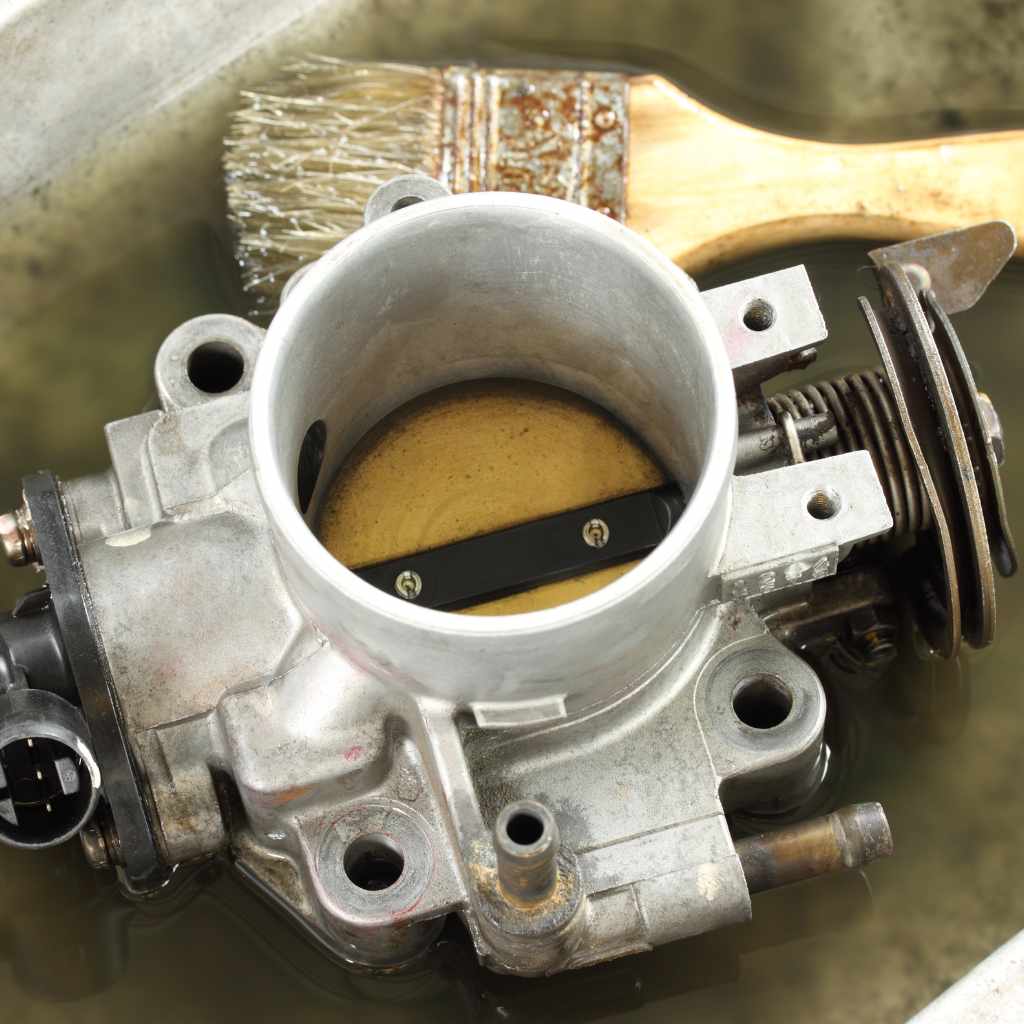
How To Tune Carburetor More Power Simple Guide
Getting your engine to run its best can seem tricky, especially when it comes to tuning the carburetor. Many people find this a bit challenging at first because there are several parts to adjust. You might worry about making things worse instead of better.
But don’t fret! We’ve got a simple, step-by-step guide to help you learn How to Tune a Carburetor for More Power (Simple Guide). This will help you get more zip out of your ride.
Let’s get started on making your engine sing!
Why Carburetor Tuning Matters for Power
A carburetor is like the engine’s fuel mixer. It takes air and fuel and blends them just right for combustion. When this mix is off, your engine won’t perform as well as it could.
It might feel sluggish, hesitate, or even sputter. Proper tuning ensures the engine gets the optimal amount of fuel for the amount of air it’s taking in. This perfect balance is key to unlocking more horsepower and a smoother running engine.
Think of it like giving your engine the perfect meal – it will have more energy and operate much more efficiently.
Understanding Your Carburetor Basics
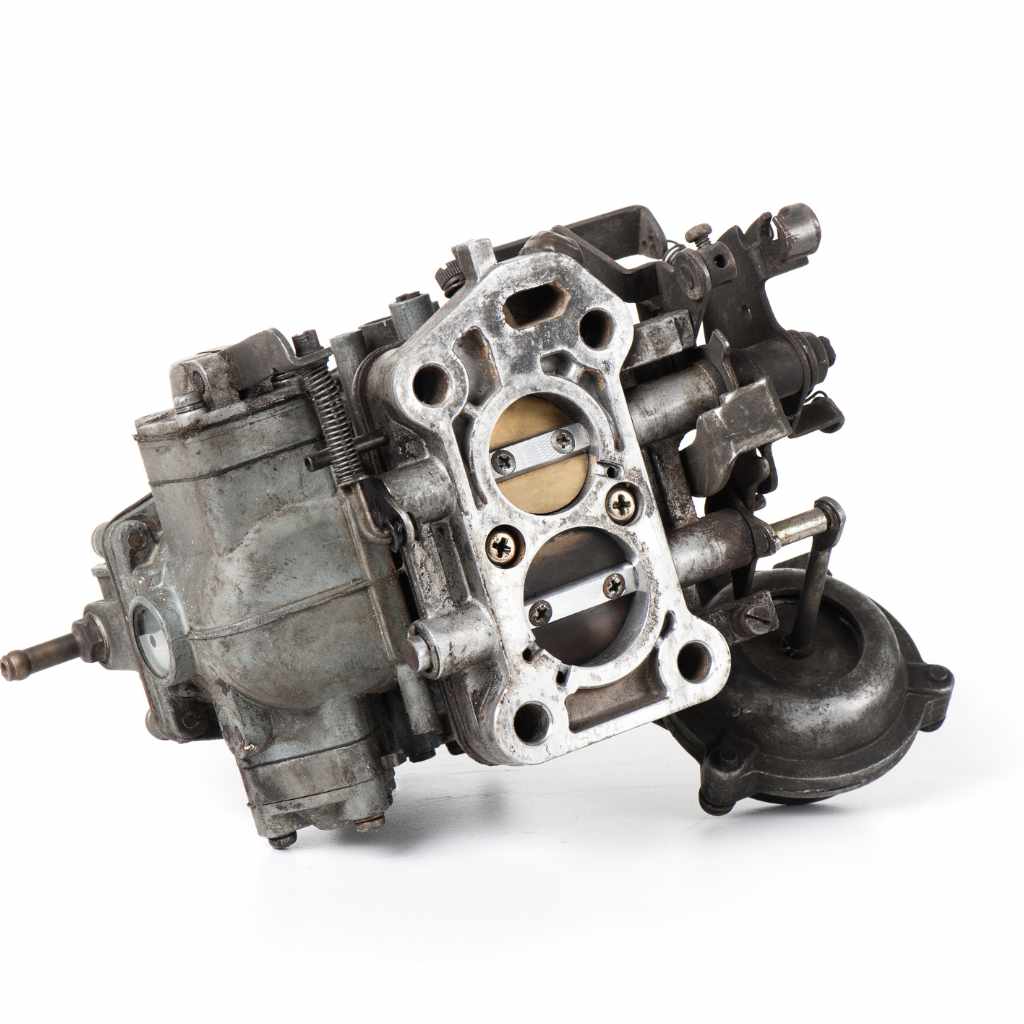
Before you start adjusting anything, it’s good to know what you’re looking at. Carburetors come in different types and sizes, but most share a few common parts that affect performance. The main ones we’ll focus on for power tuning are the idle mixture screw and the main jet.
The Idle Mixture Screw
This screw controls how much fuel is mixed with air when the engine is at idle (when it’s running but not moving). Turning it in (clockwise) generally leans out the mixture (less fuel), and turning it out (counter-clockwise) enriches it (more fuel). Getting the idle mixture right is a foundational step for overall tuning.
The Main Jet
The main jet is like a small nozzle that controls the fuel flow at higher engine speeds, when you’re actually using the power. If your main jet is too small, the engine might run lean (not enough fuel) at speed, leading to power loss and potential overheating. If it’s too big, it might run too rich (too much fuel), wasting gas and potentially fouling spark plugs.
Tools You’ll Need
Gathering the right tools makes the job much easier and helps prevent damage. You don’t need a whole workshop, just a few basic items.
- Screwdrivers (flathead and Phillips, various sizes)
- Socket wrench set
- Gauges (optional but helpful for precise settings, like a vacuum gauge or a tachometer)
- Shop rags
- Safety glasses
- Gloves
- A clean workspace
Step-by-Step Carburetor Tuning for More Power
This guide will walk you through the process of adjusting your carburetor to get more performance. Remember to work in a well-ventilated area and take your time. Safety first!
Step 1 Prepare Your Vehicle
First, make sure your vehicle is in good working order. Check your spark plugs. If they are old, fouled, or worn, replace them.
A good spark is essential for clean combustion. Also, ensure your air filter is clean; a dirty filter chokes the engine and starves it of air, regardless of carburetor tuning.
Step 2 Warm Up the Engine
Carburetors are sensitive to temperature. You need to tune a warm engine. Start your vehicle and let it run for about 10-15 minutes.
This allows the engine and carburetor to reach their normal operating temperature, which is when tuning adjustments will be most effective.
Step 3 Adjusting the Idle Mixture Screw
This is often the first adjustment people make. With the engine warm and idling, locate the idle mixture screw.
- Turn the screw in slowly until you feel it seat lightly. Do not overtighten, as this can damage the carburetor.
- Now, slowly turn it back out (counter-clockwise). As you turn it out, listen to the engine speed. You want to find the point where the engine idles smoothest and at its highest RPM.
- Once you find that peak RPM, turn the screw in just a little bit (about a quarter to a half turn) until the RPM starts to drop slightly. This is the ideal mixture for a smooth idle.
- Some people use a vacuum gauge here. You’d adjust the screw to get the highest possible vacuum reading.
- If your vehicle has an idle speed screw (which controls how fast the engine idles), you might need to adjust that after finding the best mixture. You want a stable idle speed that doesn’t stall the engine but isn’t too high.
The goal here is to get the best possible idle for your engine. A good idle is the foundation for good performance at all speeds.
Step 4 Checking and Adjusting the Main Jet
The main jet is usually harder to access and adjust without disassembly. For significant power gains or if you suspect the main jet is incorrect, you might need to replace it.
If you are experiencing a lack of power at higher RPMs, especially when accelerating hard or going uphill, it often means the main jet is too small (lean condition). If your engine sputters, hesitates, or feels like it’s choking under load, the main jet might be too large (rich condition), though this is less common for power gains and more for poor economy and fouling.
To change the main jet:
- Turn off the engine and let it cool down.
- Locate the float bowl. This is usually a round or square metal part at the bottom of the carburetor.
- You’ll need to remove the float bowl to access the main jet. This usually involves unscrewing a few bolts. Be prepared for some fuel to drain out, so have rags ready.
- Inside, you’ll see a small brass screw with a hole in it. This is the main jet.
- Unscrew the old main jet and screw in the new one. You can buy main jets in different sizes. If you’re unsure, start with a slightly larger size if you suspect lean conditions, or a slightly smaller size if you suspect rich conditions.
- Reassemble the float bowl, making sure all gaskets are properly seated.
- Restart the engine and test for power improvements.
Choosing the right main jet size is critical and often requires some trial and error or consulting a manual specific to your vehicle. The goal is to provide enough fuel for maximum power without making the mixture excessively rich.
Step 5 Adjusting the Accelerator Pump (If Applicable)
Some carburetors have an accelerator pump. This device squirts a little extra fuel into the carburetor when you quickly open the throttle. This helps prevent a momentary hesitation or stumble.
If your engine hesitates when you hit the gas, you might need to adjust or inspect this system.
Adjustments here can vary greatly by carburetor model. Some have adjustable linkages, while others might have replaceable internal parts. Consult your carburetor’s service manual for specifics.
A properly functioning accelerator pump provides a crisp throttle response, which contributes to the feeling of increased power.
Step 6 Testing and Fine-Tuning
After making adjustments, you need to test the results.
- Drive your vehicle under various conditions.
- Pay attention to how the engine accelerates, cruises, and handles load (like going uphill).
- Listen for any unusual noises, sputtering, or hesitation.
- Check your spark plugs after a good drive. The color of the spark plug’s insulator can tell you a lot about your fuel mixture. A healthy plug will have a light tan or grayish-brown color. Black and sooty means too rich; white and possibly blistered means too lean.
If you’re still not satisfied, you may need to make further small adjustments or try a different main jet size. Remember, tuning is often a process of refinement.
Troubleshooting Common Carburetor Issues
Even with careful tuning, you might run into problems. Here are a few common ones and how to address them.
Hesitation on Acceleration
This can be caused by several things:
- Lean condition: The main jet might be too small, or there’s an air leak in the intake manifold or carburetor gaskets.
- Accelerator pump issue: The pump might not be delivering enough fuel, or it might be worn out.
- Timing issues: While not directly carburetor related, incorrect ignition timing can mimic carburetor problems.
Rough Idle
This often points to issues with the idle mixture screw, vacuum leaks, or problems with spark plugs or ignition. Ensure you’ve properly set the idle mixture screw and checked for any air leaks.
Engine Surging
Surging, where the engine speed fluctuates up and down on its own, can be a sign of a fuel delivery problem or an air leak. It might mean the fuel level in the float bowl is too low or too high, or that there’s an air leak somewhere.
Poor Fuel Economy
While tuning for power, you might sacrifice some fuel economy. However, if your economy is drastically worse, the mixture might be too rich, or there might be an underlying issue like a stuck choke.
Comparison of Tuning Goals
It’s helpful to see how different tuning goals affect your carburetor settings.
| Tuning Goal | Primary Adjustment | Expected Outcome |
|---|---|---|
| Smooth Idle | Idle Mixture Screw | Stable, quiet engine at idle. |
| Maximum Power | Main Jet Size, Accelerator Pump | Strong acceleration and top-end performance. |
| Best Fuel Economy | Idle Mixture Screw, Main Jet Size | More miles per gallon, less efficient power. |
Frequently Asked Questions
Question: How often should I tune my carburetor for more power?
Answer: You don’t need to tune your carburetor for more power constantly. Tuning is typically done when you notice performance issues, after making other engine modifications, or as part of regular maintenance if you’re looking for peak performance. For most daily drivers, a good tune-up every year or two is sufficient unless problems arise.
Question: Can I tune a carburetor on a brand new engine?
Answer: A new engine’s carburetor might be factory-set. While it should run well, you might be able to optimize it further for slightly better performance or fuel economy once the engine is broken in. However, major tuning is usually more beneficial on older or modified engines.
Question: What is a “lean” or “rich” fuel mixture?
Answer: A lean mixture means there’s too much air and not enough fuel. This can cause the engine to run hot and lose power. A rich mixture means there’s too much fuel and not enough air.
This can cause the engine to run rough, waste fuel, and foul spark plugs.
Question: Will tuning my carburetor affect emissions?
Answer: Yes, tuning can affect emissions. Tuning for maximum power often results in a slightly richer mixture, which can increase emissions. Conversely, tuning for economy or a very lean mixture can sometimes lead to increased emissions of certain pollutants, like nitrogen oxides.
Question: Is it easier to tune a single-barrel or a multi-barrel carburetor?
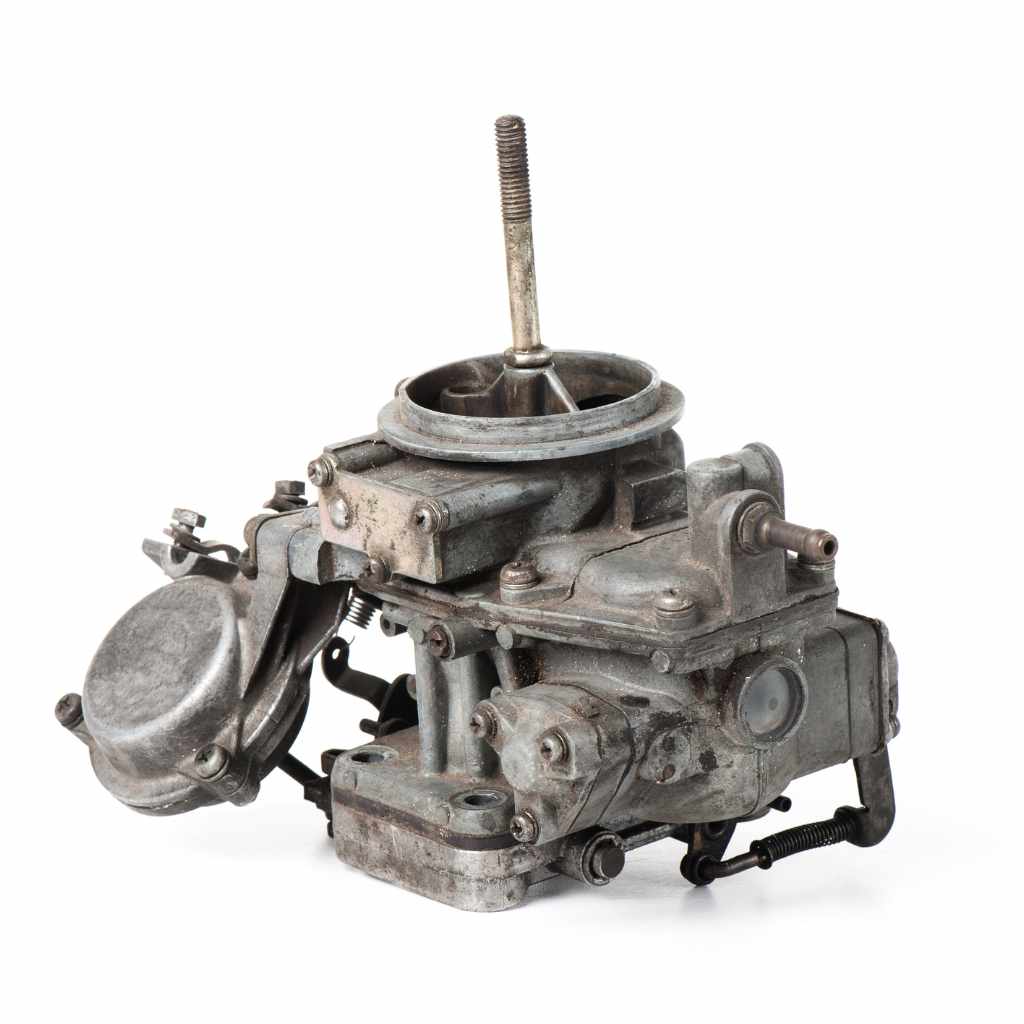
Answer: Generally, single-barrel carburetors are simpler to tune because they have fewer adjustments and less complexity. Multi-barrel carburetors, especially four-barrel ones, have multiple circuits and can be more challenging to get perfectly dialed in for all operating conditions.
Final Thoughts
Learning How to Tune a Carburetor for More Power (Simple Guide) puts you in control of your engine’s performance. It’s about making sure your engine gets the right blend of air and fuel for every situation, from idling at a stoplight to roaring down the highway. By understanding the basic adjustments like the idle mixture screw and the main jet, you can make noticeable improvements.
Don’t be afraid to experiment a little, but always remember to make small changes and test the results. Listening to your engine and paying attention to how it feels and sounds are your best guides. With a bit of patience and practice, you can get your carburetor working efficiently to deliver the power you want.
Keep those spark plugs clean, check for air leaks, and enjoy the drive!