If You Default on a Car Loan What Happens: Essential Consequences
Defaulting on a car loan can have serious consequences. Your credit score will drop, and you may lose your car.
Failing to make car loan payments can lead to financial troubles. When you miss payments, lenders take action to protect their money. This can result in repossession, where the lender takes back your car. Your credit score will suffer, making future loans hard to get.
You might face legal issues if the lender sues for the remaining balance. Understanding these consequences can help you manage your loan better. This blog will explore what happens if you default on a car loan, offering insights to avoid such situations. It’s crucial to stay informed and make timely payments to protect your financial health.
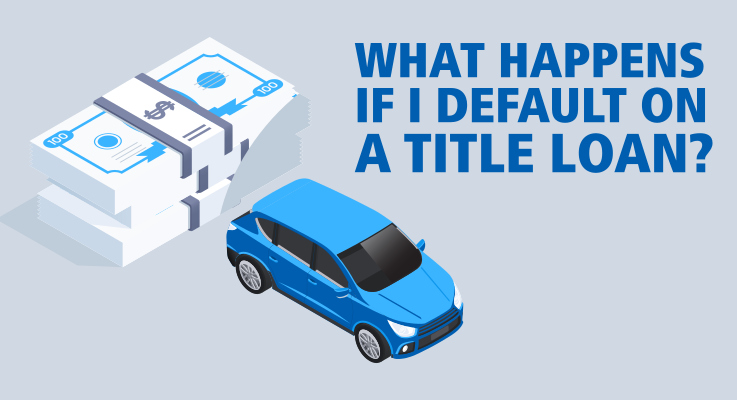
Credit: www.cash1loans.com
Immediate Impacts
Miss a car loan payment. The lender will notice. They might call you. They might send letters. These notices will remind you. Pay soon or face trouble.
A missed payment can hurt your credit score. Lenders report it. Your score drops. This makes loans harder to get. Interest rates will be higher. A low score affects many things. Better to avoid it.
:max_bytes(150000):strip_icc()/carloan-15ec848fced74dd4b4dae006b32bfc2f.jpg)
Credit: www.investopedia.com
Repossession Process
The lender has the right to take your car. This happens if you stop paying. They can do this without court orders. They can take it from your home or work. They must follow the law. They cannot break any property or use force. Usually, they will hire a repossession company. This company will collect your car. Then, the car gets sold at auction.
Repossession can happen quickly. You will get a notice first. This notice tells you to pay or return the car. If you do not act, they will take your car. The process can happen at any time. Often, it happens late at night. You may not even see it happen. Your car is then taken to a storage lot. From there, it goes to auction.
Legal Ramifications
Failing to pay your car loan can lead to serious issues. One major issue is a deficiency judgment. This happens if your car is repossessed and sold. The sale amount might not cover your entire loan. You still owe the difference. This remaining amount is called the deficiency balance. The lender can sue you for this amount. You might have to pay this money back. This can hurt your finances a lot.
Once you miss payments, you might get legal notices. These notices warn you about the missed payments. They can also inform you about possible repossession. It’s important to read these notices carefully. They explain your rights and what you can do next. Ignoring these notices can make things worse. Always respond to them on time. This can help you avoid bigger problems later.
Financial Consequences
Defaulting on a car loan leads to higher debt. This is because of late fees. The lender may hire collection agencies. Collection agencies charge extra fees. These fees add to your total debt.
Debt collectors can be persistent. You may get many calls. There can be constant reminders. This can cause stress. Higher debt means you owe more money. Your financial situation gets worse.
Impact On Future Loans
Defaulting on a car loan can hurt your credit score. Lenders see this as a risk. They might deny future loan applications. It becomes harder to borrow money. Bad credit follows you for years. This can affect many parts of life.
Even if approved, loans will cost more. Lenders charge higher interest rates. This means you pay more over time. Bad credit means higher costs. It affects your budget. Paying back loans becomes even harder.
Steps To Avoid Default
Talk to your lender as soon as possible. Explain your situation honestly. Many lenders offer solutions. For example, they can delay payments or reduce monthly amounts. This can help you avoid default. Early communication shows your responsibility. It can also protect your credit score. Do not wait until it’s too late.
Loan modification can change your loan terms. It can make payments easier. Some options include lower interest rates or extended loan terms. This can help if you are having financial difficulties. Ask your lender about these options. They might adjust the loan to help you. This can prevent default and repossession.
Recovery After Default
Failing to pay a car loan can lead to repossession. This affects your credit score. Recovery options include negotiating payment plans.
Rebuilding Credit
After a car loan default, it’s crucial to rebuild your credit. Start by paying all your bills on time. Consistent payments show you are responsible. Consider getting a secured credit card. This card requires a deposit but helps improve your score. Keep balances low and pay off monthly. Avoid new large debts. Monitor your credit report for errors. Dispute any mistakes you find. Over time, your score will improve.
Debt Management Plans
Debt management plans can help after defaulting. They offer structured ways to repay debts. Credit counselors can assist you. They negotiate with creditors for better terms. These plans may lower interest rates. Monthly payments become more manageable. It helps avoid further defaults. Stick to the plan strictly. Pay your agreed amount every month. It brings relief from debt stress. Gradually, your financial health recovers.
Alternative Solutions
Refinancing can help lower your monthly car payments. It can give you more time to pay off the loan. A new loan with better terms can make it easier to manage. Always check if there are fees. Sometimes, refinancing can save you money in the long run.
Voluntary repossession means returning your car to the lender. It can lessen the damage to your credit score. This option shows you are taking responsibility. Be aware of any extra costs. The lender might still ask for more money if the car’s value is less than the loan balance.

Credit: www.experian.com
Frequently Asked Questions
What Happens If Your Car Loan Goes Into Default?
Your car may be repossessed. Your credit score will drop. You’ll owe remaining loan balance. Legal action may follow.
What Happens If You Walk Away From A Car Loan?
Walking away from a car loan damages your credit score. The lender may repossess the vehicle and pursue legal action for the remaining balance.
What Happens If You Never Pay Off Your Car Loan?
Failing to pay off your car loan can lead to repossession. Your credit score will drop significantly. Lenders may sue for the remaining balance. You could face wage garnishment. Financial stress and limited future borrowing options are likely.
What Consequences Would Happen If A Person Defaults Too Long On An Auto Loan?
Defaulting too long on an auto loan can lead to repossession. It negatively impacts your credit score, making future loans difficult.
Conclusion
Missing payments on a car loan can cause big problems. Repossession is a serious risk. It can harm your credit score. Try to talk to your lender. They may offer help. Stay informed about your loan terms. Know your rights.
This can help you avoid further issues. Always make your car payments a priority. Stay proactive to protect your financial health.