Can You End a Car Lease Early? Options, Costs and Credit Impact
Yes, you can end a car lease early — the question is what it costs you. Depending on the route you take, exiting a lease before its term is up can run anywhere from a $300 transfer fee to a bill of $2,000 to $10,000 or more if the leasing company bills you for the full early termination charge.
Life changes faster than a 36-month contract. A job relocation, a new baby, a total loss accident, or simply a car you no longer want can all push you toward breaking a lease early. The leasing company still expects to be paid for the value it’s losing, so every exit path has a price tag attached — the trick is picking the one that costs you the least.
This guide walks through the five realistic ways to end a car lease early, what each one actually costs, how an early exit affects your credit score, and when it’s worth calling your leasing company to negotiate before you sign anything.
Your 5 Ways To End A Car Lease Early, Compared
Before picking a path, it helps to see all five side by side. Costs below are typical ranges — your exact number depends on the lease terms, months remaining, and the vehicle’s current market value versus its residual value.
| Exit Method | Typical Cost | Credit Impact | Best For |
|---|---|---|---|
| Lease transfer | $300–$550 transfer fee (often paid by the new lessee) | None, if payments stay current | Anyone who can find a qualified new lessee |
| Early termination (return the car) | $2,000–$10,000+ total | Can drop your score if unpaid or reported late | Last resort when no other option works |
| Lease buyout | Residual value + fees (financed with a loan or cash) | Neutral to positive if financed and paid on time | Drivers who want to keep the car |
| Trade-in or sale | $0 out of pocket if equity covers the payoff; you owe the gap if not | Neutral, since the lease is paid off in full | Cars currently worth more than the payoff amount |
| Military clause (SCRA) | $0 — no early termination penalty | None | Active-duty service members with PCS or deployment orders |
KEEP YOUR LEASE PAPERWORK ORGANIZED
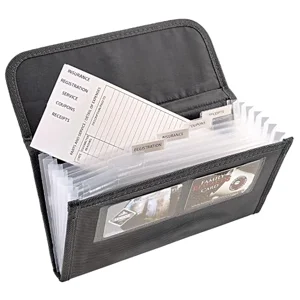 |
High Road Glove Box Organizer and Car Registration and Insurance Holder – $12.99 Whichever exit route you choose, you’ll need your lease contract, insurance card, and registration on hand for the leasing company and the DMV — this keeps all three in one spot instead of loose in the glove box.
|
Lease Transfer: Let Someone Else Take Over Your Payments
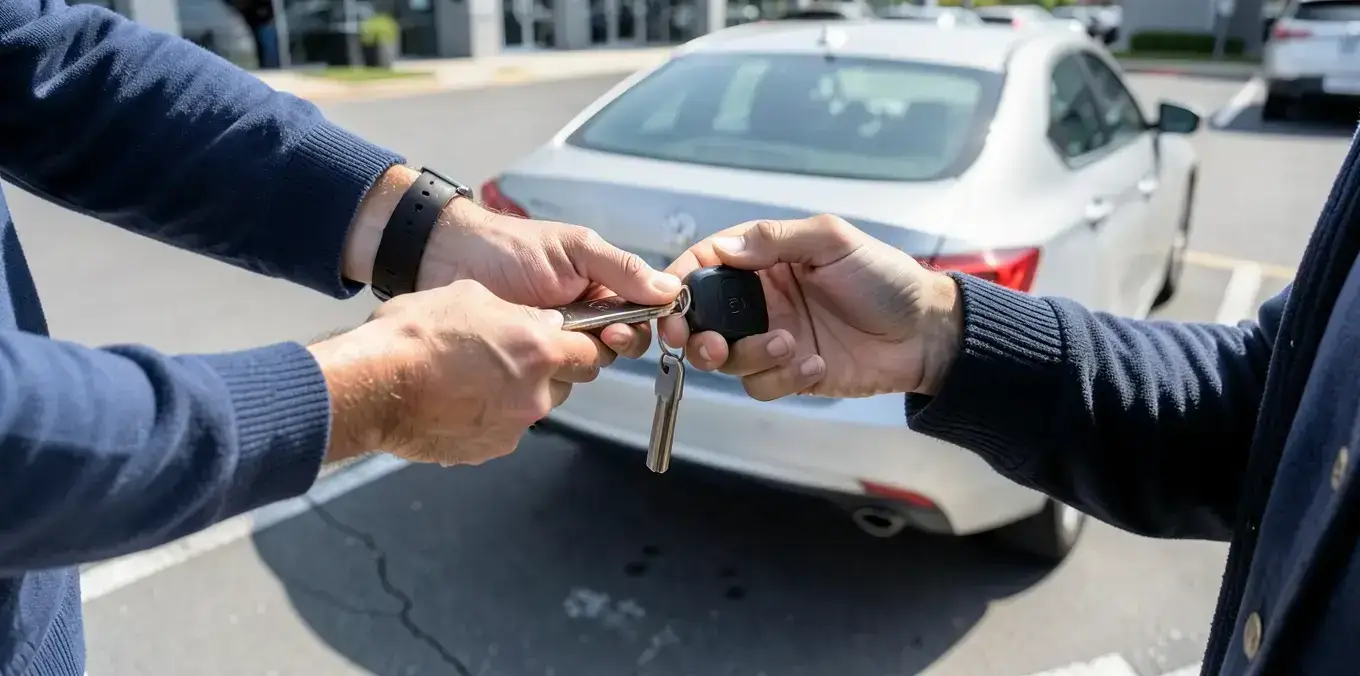
A lease transfer is usually the cheapest way out. You find someone willing to take over your remaining payments and the car, and the leasing company reassigns the contract to them. Marketplaces like Swapalease and LeaseTrader handle the listing, credit screening, and paperwork for a fee, typically $300 to $550, which the incoming lessee often pays rather than you.
Not every leasing company allows transfers. Check your contract or call the lessor before you list the car, since a handful of brands (Toyota Financial Services and Honda Financial Services have historically restricted this) don’t permit it at all. The person taking over the lease has to qualify with their own credit application, the same way you did when you signed.

Once the transfer is approved, your name comes off the lease and your credit obligation ends. If a payment is missed afterward, it’s the new lessee’s problem, not yours — but confirm in writing that the leasing company has formally released you before you stop checking on it.
Early Termination And Lease Buyout: What You Actually Pay
If you simply return the car and walk away, the leasing company calculates an early termination bill. That bill generally adds up three things: the remaining monthly payments left on the contract, the gap between the car’s current market value and its contractual residual value (if the car is worth less), and a flat early termination administrative fee, usually $200 to $500. Add a disposition fee of $300 to $400 and any excess-mileage or wear-and-tear charges, and the total early termination cost commonly lands between $2,000 and $10,000, and it’s federally disclosed as potentially running into “several thousand dollars” the earlier you exit.
A lease buyout works differently, and it’s usually cheaper if you actually want to keep driving the car. The buyout price is the residual value written into your contract, plus any remaining fees, minus what you’ve already paid down. Compare that number to the car’s real market value first: if the residual value is lower than what the car is worth on the used market, buying it out and either keeping it or reselling it can put money back in your pocket instead of costing you.
How To Estimate Your Buyout Amount
- Find the “residual value” or “purchase option price” printed in your lease contract
- Add any documented early buyout or purchase option fee (often $300–$600)
- Check the car’s current private-party value on a site like Kelley Blue Book or Edmunds
- If the market value is higher than the buyout price, you have positive equity worth pursuing
- Get pre-approved for an auto loan or lease-buyout loan before you commit, so you’re not stuck financing through the lessor at a worse rate
You can pay a buyout with cash, a bank auto loan, or a personal loan. Shop rates with your own bank or credit union first — many lessors quote a buyout financing rate that’s higher than what you can get elsewhere.

For a full breakdown of dollar-by-dollar math and negotiation scripts for each exit method, see our companion guide on how to get out of a car lease early without destroying your finances.
Trading In Or Selling The Leased Car Instead
If your leased car is currently worth more on the used market than its lease payoff amount, you’re sitting on positive equity — and a dealer can pay off the lease and hand you the difference, or apply it toward a new vehicle. This has been common since used-car values climbed, and it can be the least stressful way to end a lease early because the dealer handles the payoff directly with the leasing company.
The reverse is also possible: if the payoff amount is higher than the car’s market value, you owe the difference out of pocket (or roll it into a new loan, which isn’t ideal). Get a real cash offer from a dealer, CarMax, or an online buyer before you decide — don’t rely on your own guess at the car’s value.
Active-Duty Military: The SCRA Lets You Exit Penalty-Free
Federal law — the Servicemembers Civil Relief Act (SCRA) — lets active-duty service members end a car lease early with no termination penalty when they receive military orders for a permanent change of station (PCS) or a deployment of 180 days or more. National Guard and reserve members qualify too, once called to active duty for at least 180 days.
To use this protection, you have to submit written notice along with a copy of your official orders to the leasing company within 90 days of receiving them. The lease legally terminates 30 days after your next scheduled payment following that notice. This is a federal right the lessor can’t refuse if you meet the qualifying conditions, so keep a copy of your orders and send the notice by a method you can prove was delivered.
How Ending A Lease Early Affects Your Credit Score
A lease transfer, buyout, or SCRA termination that’s handled correctly doesn’t hurt your credit at all, since the account closes in good standing. What does damage your score is falling behind on payments while you sort out an exit, or ending up with a termination bill you don’t pay — that can be sent to collections and reported as a derogatory mark, which can knock your score down significantly and stay on your credit report for up to seven years.
If you can’t avoid an early termination charge, ask about a payment plan before you default. Paying it off over time, even slowly, is far better for your credit than letting it go to collections.
Negotiating With Your Leasing Company
Before you commit to any exit method, call the leasing company and explain your situation. Many lessors have discretionary hardship programs for documented job loss, disability, or a major medical event, and some will waive part of the early termination fee rather than risk a defaulted account. It costs nothing to ask, and having your paperwork (income documentation, medical records, or separation papers) ready when you call makes the conversation faster.
Also ask directly whether they’ll approve a lease transfer or a reduced buyout figure instead of the full termination bill — leasing companies would generally rather collect a smaller amount from a working arrangement than chase a defaulted account through collections. Take notes on every call: the representative’s name, the date, and exactly what was offered, in case you need to reference it later.
Frequently Asked Questions
Can You Ever Get Out Of A Car Lease Early?
Yes. The realistic options are a lease transfer, an early termination (returning the car and paying the bill), a lease buyout, a trade-in or sale, or, for active-duty service members with qualifying orders, an SCRA termination with no penalty at all.
Does Ending A Car Lease Early Affect Credit?
Not by itself. A transfer, buyout, or SCRA exit that’s completed properly closes the account without any negative mark. Credit damage happens when payments are missed or an unpaid termination bill is sent to collections, which can lower your score and stay on your report for years.
What Is The Earliest You Can Return A Leased Car?
There’s no fixed minimum term. You can technically return a leased car the day after you drive it off the lot, but you’ll owe the full early termination bill, since almost no lease contract has a grace period that waives it.
How Much Does It Cost To End A Car Lease Early?
It depends heavily on the method. A lease transfer usually runs $300 to $550 in fees. A full early termination, where you return the car outright, commonly totals $2,000 to $10,000 once remaining payments, the depreciation gap, and administrative and disposition fees are added up. Read your specific contract for the exact formula.
Can Military Members Get Out Of A Car Lease Early Without A Penalty?
Yes. Under the Servicemembers Civil Relief Act, active-duty personnel (and Guard or reserve members called up for 180+ days) can terminate a car lease with no penalty after a PCS or deployment order of 180 days or more, as long as written notice and a copy of the orders are submitted within 90 days of receiving them.
Is It Cheaper To Transfer A Lease Or Buy It Out?
A transfer is almost always cheaper if you don’t want the car anymore, since the fee is a few hundred dollars and someone else takes on the payments. A buyout only makes financial sense if the car’s market value is close to or higher than the contract’s residual value, since you’re financing the full remaining value of the vehicle either way.
Conclusion
Ending a car lease early is almost always possible, but it’s never automatically free. Start by reading your contract for the exact early termination formula, then compare a transfer, a buyout, a trade-in, and — if you qualify — the SCRA military exemption before you commit. Call your leasing company before you decide anything; a hardship waiver or an approved transfer can save you hundreds or thousands of dollars over simply walking away.
Whichever path fits your situation, keep every document — your contract, buyout quote, and any written approval — until the account shows as closed on your credit report.
Products related to this article
Sponsored / affiliate links. As an Amazon Associate I earn from qualifying purchases. I may earn additional commission from eligible campaigns.