Is an Electric Car Worth It in 2026? Real Costs After the Tax Credit Ended
Yes, an electric car is still worth it for most drivers in 2026, but the math changed. The federal $7,500 new-EV and $4,000 used-EV tax credits expired on September 30, 2025, so you can no longer count on that upfront discount. What still makes EVs pay off is lower fuel and maintenance costs over time, not a government check at the dealership.
If you last read about electric car economics before late 2025, the numbers in that article are out of date. This guide walks through what actually changed, what an EV realistically costs to own in 2026, and where the incentives went so you can decide if one still makes sense for your driving.
The Federal EV Tax Credit Is Gone. Here Is What Changed for 2026 Buyers
Congress ended the federal EV tax credit program as part of the 2025 tax law. Both the up to $7,500 credit for new electric vehicles and the up to $4,000 credit for used ones stopped applying to any vehicle purchased after September 30, 2025. If a car was delivered on or before that date, the buyer could still claim it. Anyone buying now cannot.
A second, smaller incentive also disappeared: the Section 30C federal tax credit that covered part of the cost of installing a home EV charger expired on June 30, 2026. Between the two changes, the federal government no longer subsidizes either the car or the charger.
With the federal credit gone, state programs are now the main source of EV purchase help, and most of the meaningful ones are income-qualified rather than open to everyone. Check your state energy office or utility company directly, since these programs change often and vary widely by state.
One unrelated deduction is sometimes confused with an EV incentive: a new federal deduction lets buyers write off up to $10,000 a year in interest on a new car loan, for loans taken out from 2025 through 2028, as long as the vehicle was assembled in the United States. This is not an EV-specific benefit – it applies equally to a gas truck built in the U.S. – and it phases out for higher earners (above $100,000 modified adjusted gross income on a single return, $200,000 on a joint one). Do not count it as EV-only savings when comparing costs.
IF YOU CHARGE AT HOME: LEVEL 2 CHARGER
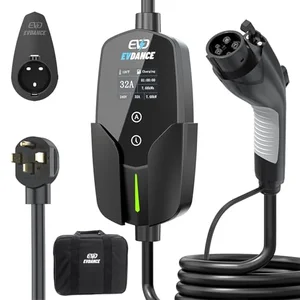 |
EVDANCE Level 2 EV Charger (32 Amp, 240V, NEMA 14-50P) – $159.98 A big share of an EV’s real-world savings comes from charging at home overnight instead of paying at a public station – this plug-in Level 2 charger cuts a typical home charge from all night to a few hours.
|
Environmental Impact
Electric cars still produce meaningfully less lifecycle pollution than gas cars, even accounting for how the electricity is generated. This part of the equation has not changed.
Lower Tailpipe Emissions
An EV has no tailpipe, so it produces zero direct emissions while driving. A gas car burns fuel continuously and releases carbon dioxide and other pollutants with every mile. Even in regions where the electric grid still relies partly on fossil fuels, an EV typically causes less total pollution over its life than a comparable gas car, because power plants are generally cleaner and more efficient than a small internal combustion engine.
Charging With Renewable Energy
If your utility offers a renewable energy plan, or you have home solar panels, you can charge your EV using clean electricity directly. This is not possible with a gas car under any circumstance, since gasoline itself is a fossil fuel no matter where you buy it.
2026 Cost of Ownership: What EVs Actually Save You
With the purchase credit gone, ongoing running costs are what determine whether an EV pays off. Multiple 2026 cost-of-ownership studies find that EV owners save roughly $700 a year on fuel and close to $950 a year on maintenance compared to a similar gas car – a combined advantage of about $1,000 to $1,500 a year, even without any purchase incentive.
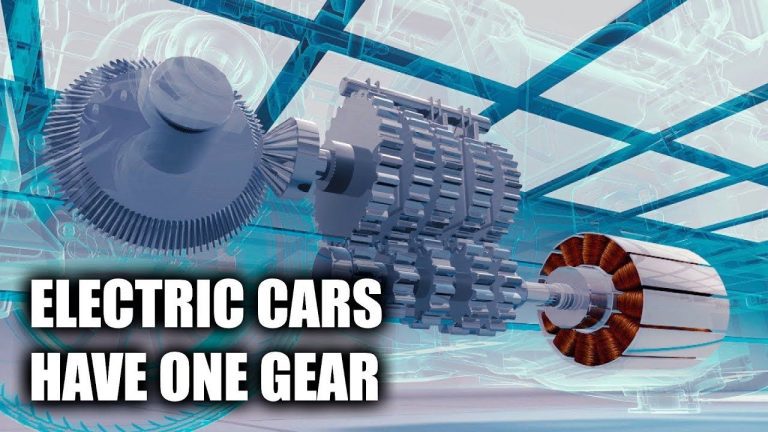
The maintenance savings come from having fewer moving parts to service: no oil changes, no exhaust system, and less brake wear thanks to regenerative braking, which uses the electric motor to slow the car and recover energy instead of relying on brake pads alone.
That said, the payoff is not automatic for every buyer. Analyses that model specific vehicles without the credit show a wide range – some EVs, like the Chevrolet Equinox EV and the Tesla Model Y, still beat their gas equivalents on total cost over seven years, while others lose most or all of their advantage once the credit and any new state EV registration fees are factored in. The result depends heavily on how many miles you drive, whether you can charge at home, and how long you keep the car.
Performance, Range, and Battery Life
Most new EVs sold today offer well over 200 miles of range on a full charge, and several popular models now exceed 300 miles. Battery packs are also holding up better than early EV skeptics expected – most manufacturers warranty the battery for 8 years or 100,000 miles, and real-world data shows the typical EV battery retains around 90% of its original capacity even after 100,000 miles of driving.
To keep a battery healthy longer, avoid routinely charging to 100% or letting it sit near empty for extended periods, and use a DC fast charger only when you actually need the speed – frequent fast charging generates more heat and can accelerate long-term battery wear compared to slower Level 2 charging at home.
Charging Infrastructure: What Is Still a Real Challenge in 2026
Charging access remains the most legitimate downside of EV ownership, and it has not fully caught up with gas station convenience. Cities and highway corridors have far more public chargers than they did a few years ago, but rural areas and older apartment buildings still lag behind.
Home Charging Is Still the Easiest Option
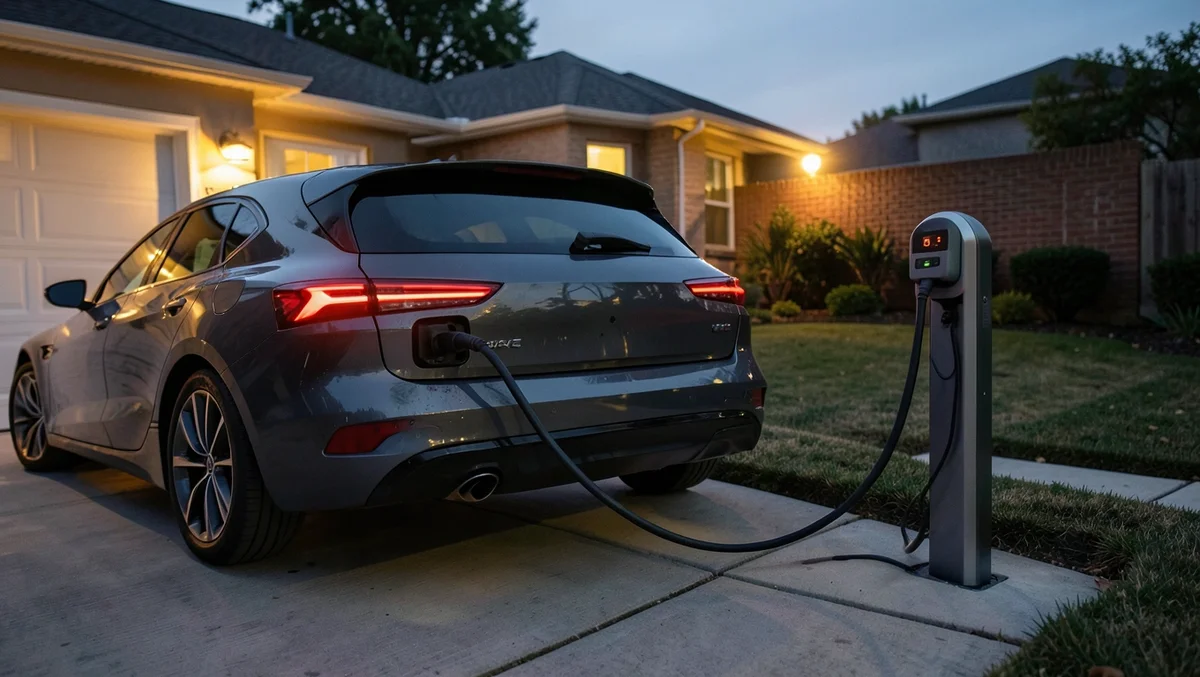
If you can install a charger where you park overnight, charging is effectively invisible – you plug in when you get home and start each day full, the same way you would charge a phone. This is the scenario where EV ownership tends to work best financially and practically.
Long Trips Take More Planning
On a road trip, you will need to plan around fast-charging stops, which typically take 20 to 45 minutes depending on the car and charger, compared to a five-minute gas fill-up. Renters and apartment dwellers without dedicated parking face the biggest hurdle, since they often have to rely entirely on public charging.
Upfront Price: Is the Gap Closing?
Electric cars still generally cost more upfront than a comparable gas model, though the gap has narrowed as battery costs have come down and more affordable EVs have reached the market. Without the federal credit, that upfront gap is more noticeable than it was in 2024 and early 2025, which is why the ongoing fuel and maintenance savings now carry more of the financial argument than the purchase price does.
Used EVs are worth a closer look for budget-conscious buyers. Battery degradation on well-maintained used EVs has proven milder than early adopters feared, and used EV prices have fallen faster than used gas car prices over the past two years, since the used-EV federal credit is also gone and no longer propping up resale demand the way it briefly did.
EV or Hybrid? How to Decide
A full electric car makes the most sense if you can charge at home or work, your daily driving is well within your car’s range, and you want the lowest possible running costs and emissions. A hybrid makes more sense if you frequently drive long distances without reliable charging access, live somewhere with sparse charging infrastructure, or want a lower upfront price with better fuel economy than a traditional gas car without changing how you refuel.
Frequently Asked Questions
Is it still worth getting an electric car now that the tax credit is gone?
For most drivers who can charge at home, yes. You lose the upfront $7,500 discount, but you still save roughly $1,000 to $1,500 a year on fuel and maintenance compared to a similar gas car, which adds up over several years of ownership.
What are the biggest disadvantages of an electric car?
The main downsides are a higher upfront price than a comparable gas car, longer charging stops on road trips compared to a five-minute gas fill-up, and uneven public charging access depending on where you live.
Do electric cars actually save you money without the federal tax credit?
Yes, mainly through lower fuel and maintenance costs over time rather than the purchase price itself. The exact payoff period varies by vehicle, how many miles you drive, and whether you have access to cheap home charging.
Is it better to get a hybrid or a fully electric car?
A full EV is better if you can charge at home and your daily driving fits comfortably within its range. A hybrid is better if you drive long distances often or do not have reliable charging access, since it refuels like a normal gas car.
Are there still any tax incentives for buying an electric car in 2026?
The federal purchase credit and the federal home charger installation credit have both expired. Some state governments still offer their own EV incentives, usually income-qualified, so check your state energy office directly. A separate federal deduction for new car loan interest exists, but it applies to any U.S.-assembled vehicle, not just EVs.
How long does it take an EV to pay for itself compared to a gas car?
It depends heavily on the specific model. Some EVs, like the Chevrolet Equinox EV and Tesla Model Y, still come out ahead of a comparable gas car within about seven years even without the credit, while others take much longer or may not catch up at all, depending on mileage and local electricity costs.
The Bottom Line
An electric car is still a smart financial move for a lot of drivers in 2026, but it is no longer an easy yes for everyone the way it was when a $7,500 federal credit was covering part of the gap. Run the numbers for your own situation: how many miles you drive, whether you can charge at home, and how long you plan to keep the car. If those line up in your favor, the ongoing fuel and maintenance savings will likely outweigh the higher sticker price within a few years, even without any government check at the dealership.
Products related to this article
Sponsored / affiliate links. As an Amazon Associate I earn from qualifying purchases. I may earn additional commission from eligible campaigns.
 RVS Technology G6 Engine oil Treatment; For Gasoline Engines with a Motor oil capacity up to 6 quarts; Save fuel, Boost Power and Safely Restore and protect your Car, Truck, and all other engines
 4G GPS Tracker Car Anti-Theft Long Battery Life 20000mAh Real Time GPS Tracking Device Magnet No Geographic Restriction Car Tracker with Alerts, Geo Fence, History Playback TK905C