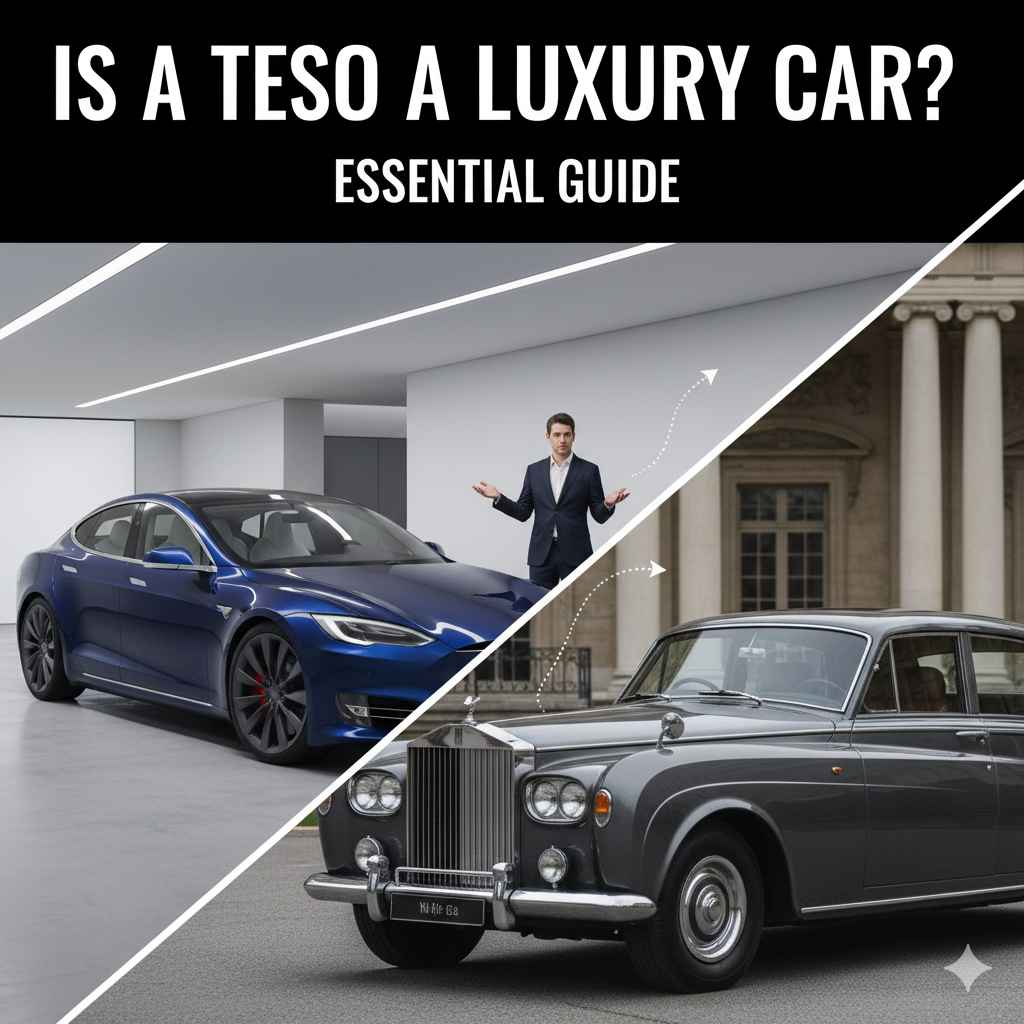
Is A Tesla A Luxury Car? Essential Guide
Is a Tesla a luxury car? Yes, generally considered a premium or luxury brand due to its advanced technology, high performance, sleek design, and premium pricing, though its innovative approach to electric vehicles blurs traditional luxury lines.
Have you ever wondered if that sleek Tesla zipping by is considered a luxury car? It’s a question many car lovers and everyday drivers ponder. With their futuristic looks and cutting-edge features, Teslas certainly stand out. Figuring out where they fit in the automotive world can be a bit confusing, especially if you’re new to cars or looking to understand the market better. Don’t worry, I’m here to break it down in a way that’s easy to understand. We’ll explore what makes a car “luxury” and see how Teslas measure up, helping you feel more confident about your automotive knowledge.
Understanding the “Luxury Car” Label
What exactly makes a car “luxury”? It’s not just about the price tag, though that’s a big part of it. Luxury cars tend to offer a combination of things that go above and beyond what you’d find in a standard vehicle. Think about superior craftsmanship, premium materials inside and out, advanced comfort features, cutting-edge technology, and often, a higher level of performance and exclusivity.
For decades, traditional luxury brands like Mercedes-Benz, BMW, and Lexus have defined this segment. They built reputations on smooth rides, quiet cabins, plush interiors, and sophisticated styling. They also often come with a higher starting price and more expensive options. These cars aim to provide an elevated driving experience, making you feel special behind the wheel.
However, the automotive landscape is changing rapidly, especially with the rise of electric vehicles (EVs). New players are emerging, and they’re redefining what luxury means. This is where Tesla comes in, challenging the old guard with its unique vision.
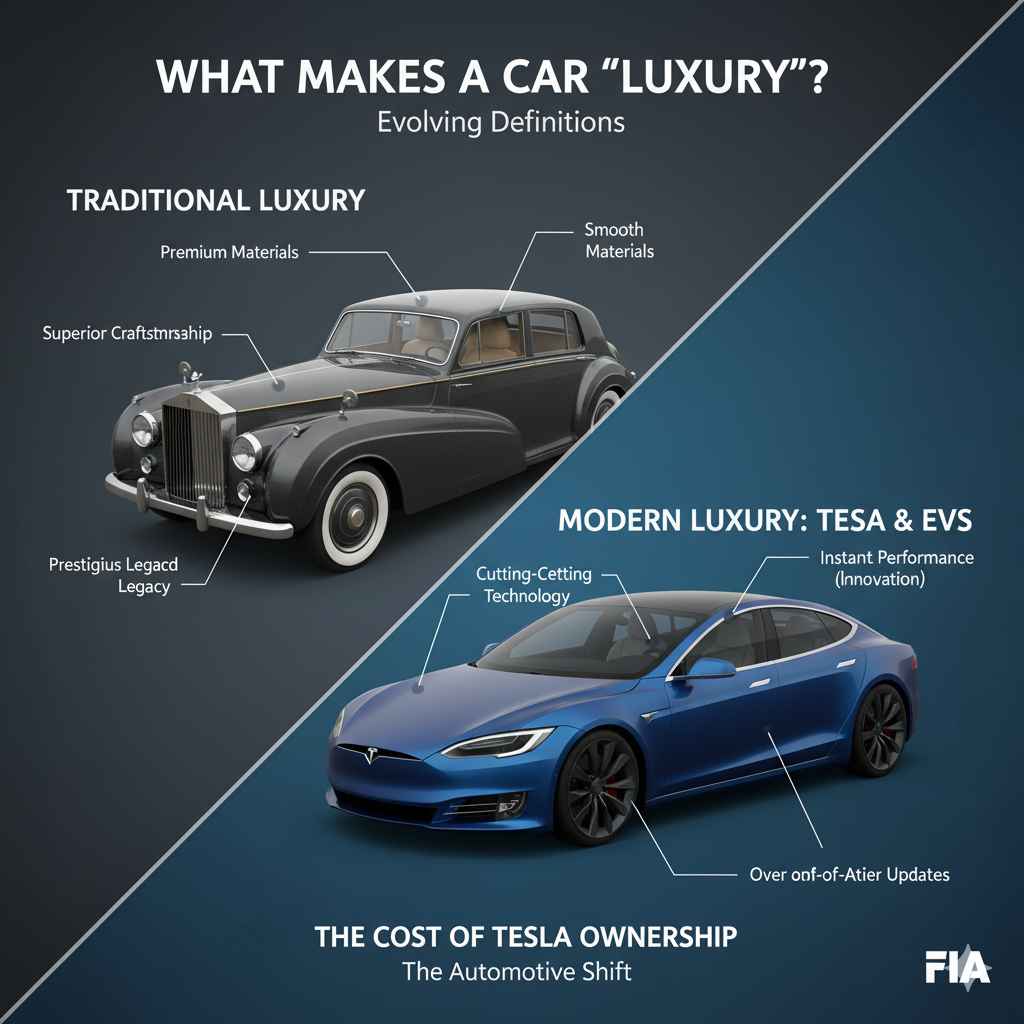
Tesla: A New Kind of Luxury?
When Tesla first hit the scene, it wasn’t just another car company; it was a revolution on wheels. Elon Musk’s vision was to create desirable electric cars that people would actually want to drive and be proud to own. This approach has led to a lot of debate about whether Teslas are true luxury cars or something else entirely.
Let’s break down the key aspects that contribute to Tesla’s positioning in the market:
1. Design and Aesthetics
Teslas are instantly recognizable. They boast minimalist, sleek designs with smooth lines and a distinctive silhouette. The exterior often features frameless doors, hidden door handles, and panoramic glass roofs, all contributing to a modern, almost futuristic look. This focus on clean aesthetics appeals to buyers seeking a sophisticated and contemporary style, a hallmark often associated with luxury.
Inside, the minimalism continues. The dashboard is typically dominated by a large central touchscreen, which controls most of the car’s functions. While some appreciate the clean look, others find it a departure from the more tactile, button-heavy interiors of traditional luxury vehicles. However, the use of premium materials, such as vegan leather, wood trim, and high-quality plastics, certainly adds to the upscale feel.
2. Performance and Driving Experience
Performance is where Teslas truly shine and vie for a spot in the luxury category. Electric motors provide instant torque, meaning acceleration is incredibly quick and smooth. Models like the Model S Plaid can go from 0 to 60 mph in under 2 seconds, rivaling or even surpassing many high-performance supercars. This exhilarating performance is a common trait found in luxury and sports cars.
Beyond raw speed, Teslas offer a refined driving experience. The electric powertrain is naturally quiet, contributing to a serene cabin environment, which is a key luxury feature. The low center of gravity, due to the battery placement, also provides excellent handling and a stable ride.
3. Technology and Innovation
Technology is arguably Tesla’s strongest suit and a major differentiator from traditional automakers, luxury or otherwise. The central touchscreen acts as an infotainment hub, controlling everything from navigation and climate to entertainment and vehicle settings. Over-the-air software updates mean your car can improve over time, gaining new features and performance enhancements, much like a smartphone.
Autopilot and Full Self-Driving (FSD) capabilities, though still requiring driver supervision, represent a significant technological leap. These advanced driver-assistance systems (ADAS) push the boundaries of automotive innovation, offering features that are often found in the highest tiers of luxury vehicles, and sometimes even more advanced. The Supercharger network, Tesla’s proprietary fast-charging infrastructure, also adds a layer of convenience often associated with premium ownership experiences.
4. Price Point
Teslas are not inexpensive. Even their most affordable models, like the Model 3, are priced above the average mainstream sedan. Higher trim levels and longer-range variants, like the Model S and Model X, easily cross into the traditional luxury car price bracket. This premium pricing is a significant factor in classifying them as such. For example, the base price for a Tesla Model 3 often starts in the range where you might find entry-level luxury sedans from other brands.
When compared to established luxury brands like BMW, Audi, or Mercedes-Benz, Tesla’s pricing often aligns, particularly for their higher-end models. This price point signals a certain level of exclusivity and premium offering.
5. Brand Perception and Exclusivity
Tesla has cultivated a brand image that is perceived as innovative, forward-thinking, and desirable. Owning a Tesla is often seen as a statement, signifying an interest in technology and sustainability. This aspirational appeal is common among luxury brands. While Teslas are becoming more common, they still possess a certain level of cachet that sets them apart from mass-market vehicles.
The direct-to-consumer sales model and the focus on a seamless digital experience also contribute to Tesla’s unique brand identity, setting it apart from the traditional dealership experience often associated with luxury car purchases.
Tesla vs. Traditional Luxury Cars: A Comparison
To truly understand if a Tesla is a luxury car, it’s helpful to compare it directly with vehicles from established luxury brands. Let’s look at a few key areas:
Interior Materials and Craftsmanship
Traditional luxury brands have spent decades perfecting their interior finishes. Think about the supple leather, real wood or metal trim, and the intricate stitching you find in a Mercedes S-Class or an Audi A8. The build quality and attention to detail in these cabins are often exceptional, creating a tangible sense of opulence.
Teslas, while using high-quality materials like vegan leather and offering elegant wood accents, often adopt a more minimalist approach. Some critics point out that the fit and finish, while improved over the years, may not always match the meticulous standards of established German luxury marques. However, Tesla’s use of sustainable materials and its distinct design language appeal to a different kind of luxury consumer.
Ride Comfort and Noise Insulation
Luxury cars are synonymous with a smooth, comfortable ride that glides over imperfections in the road. They also excel at isolating the cabin from external noise, creating a tranquil sanctuary. Traditional luxury sedans often employ advanced suspension systems and extensive sound-deadening materials to achieve this.
Teslas, with their stiff chassis and sporty suspension tuning (especially on performance models), can sometimes offer a firmer ride than some traditional luxury cars. While the electric powertrain is inherently quiet, road and wind noise can be more noticeable at higher speeds than in some competitors. However, newer models and suspension upgrades have addressed these concerns significantly.
Dealer Network and Service Experience
Established luxury brands typically have extensive networks of dealerships offering a full-service experience, from sales to maintenance and repairs. This traditional model often includes amenities like loaner cars, concierge services, and a dedicated service advisor.
Tesla’s approach is different. They operate a direct sales model with fewer physical locations, often referred to as “galleries” or “showrooms,” and they handle sales online. Service is provided through dedicated Tesla Service Centers or mobile service vans. While convenient in some ways, the smaller network can sometimes lead to longer wait times for appointments or parts. This is a key area where Tesla’s model diverges from the traditional luxury ownership experience.
Customization Options
Luxury car buyers often expect a high degree of personalization. Traditional brands like Porsche or Rolls-Royce offer extensive customization programs, allowing owners to select specific paint colors, interior materials, stitching, badging, and more – creating a truly unique vehicle.
Tesla offers fewer extensive customization options. While buyers can choose from a limited palette of exterior colors, interior themes, wheel designs, and software features, the level of bespoke personalization is significantly less than what’s available from ultra-luxury manufacturers. Tesla focuses on offering well-configured packages rather than deep customization.
Who is a Tesla For?
Given these points, who is a Tesla really for? They appeal strongly to:
- Tech Enthusiasts: Those who love cutting-edge technology, large touchscreens, and the idea of a car that updates like a smartphone.
- Performance Seekers: Drivers who crave the thrilling acceleration and sporty handling that electric powertrains provide.
- Environmentally Conscious Buyers: Individuals looking to reduce their carbon footprint while still enjoying a premium driving experience.
- Early Adopters: People who want to be at the forefront of automotive innovation and are comfortable with a company that is still evolving.
- Minimalist Design Appreciators: Buyers who prefer a clean, uncluttered interior and exterior aesthetic.
While they share many characteristics with luxury cars, Teslas represent a modern interpretation of what automotive luxury can be. They prioritize innovation, performance, and a seamless digital experience over some of the traditional hallmarks like elaborate interiors or extensive bespoke options.
Key Differences Summarized
To make it even clearer, let’s put some of the key differences into a table. This can help you visualize how Teslas fit into the broader picture of automotive luxury.
| Feature | Tesla | Traditional Luxury Cars (e.g., Mercedes, BMW, Lexus) | Luxury EV Competitors (e.g., Porsche Taycan, Lucid Air) |
|---|---|---|---|
| Performance | Exceptional instant acceleration, sporty handling. | Often powerful engines, refined performance, smooth acceleration. | Comparable or exceeding Tesla in performance and handling. |
| Interior Design | Minimalist, tech-focused touchscreen dominant, high-quality sustainable materials. | Opulent, tactile controls, rich leather, wood/metal accents, complex dashboards. | Blend of minimalist and traditional luxury; high-end materials, advanced tech. |
| Technology | Industry-leading ADAS (Autopilot/FSD), over-the-air updates, integrated ecosystem. | Advanced infotainment, sophisticated driver aids, but often slower updates. | Cutting-edge tech, competitive driver aids, integrated but may differ in philosophy. |
| Ride Comfort | Can be firmer, focused on handling; improving with newer models. | Prioritizes smooth, quiet ride with advanced suspension and sound deadening. | Generally very comfortable and quiet, often balancing luxury and sport. |
| Service & Sales | Direct sales, smaller service network, mobile service. | Extensive dealership network, traditional sales and service experience. | Mixed – some have established dealer networks, others are newer models with varying service approaches. |
| Price Point | Premium pricing, especially for higher trims. | Wide range, from entry-level luxury to ultra-luxury price points. | Generally premium to ultra-luxury pricing. |
| Brand Image | Innovative, tech-forward, sustainable, disruptive. | Established prestige, heritage, craftsmanship, sophistication. | Performance-oriented luxury, sustainable innovation, cutting-edge design. |
Are Teslas More Luxury Than Performance Cars?
This is a great question that gets to the heart of Tesla’s identity. While Teslas are undeniably fast and offer exhilarating performance, they also push boundaries in technology and design in ways that are characteristic of luxury. Traditional performance cars, like a Porsche 911 or a Chevrolet Corvette, are primarily built for the thrill of driving, often with less emphasis on opulent interiors or advanced infotainment systems beyond what’s needed for the driving experience.
Teslas strike a balance. They offer supercar-level acceleration and sharp handling, but pair it with a sophisticated, minimalist interior packed with technology. This blend means they appeal to people who want both speed and a high-tech, premium environment. So, while they compete fiercely in the performance realm, their overall package often leans more toward the luxury segment due to the emphasis on comfort, technology, and a refined, futuristic experience.
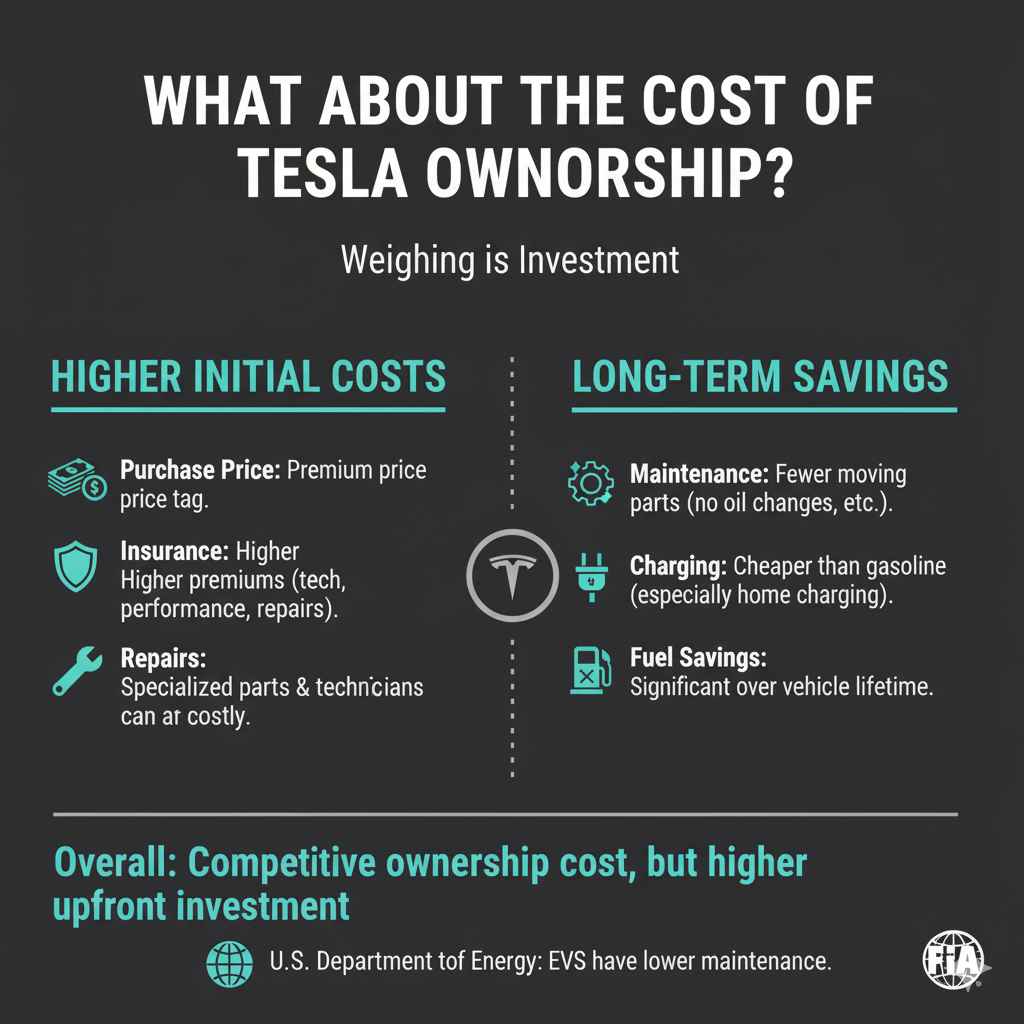
What About the Cost of Tesla Ownership?
When considering if a car is luxury, the cost of ownership is always a factor. Teslas, like many luxury vehicles, can have higher costs associated with them compared to mainstream cars, although they also offer savings in other areas.
- Purchase Price: As mentioned, Teslas carry a premium price tag.
- Maintenance: EVs generally have fewer moving parts than gasoline cars, meaning less routine maintenance (no oil changes, spark plugs, etc.). This can lead to lower maintenance costs over time. Learn more about EV maintenance from the U.S. Department of Energy.
- Insurance: Insurance premiums for Teslas can be higher due to their technology, performance, and repair costs, a common trait for luxury and electric vehicles.
- Repairs: While less frequent, Tesla-specific parts and specialized technicians can sometimes lead to higher repair costs if something does go wrong outside of warranty.
- Charging: Home charging is significantly cheaper than gasoline, but public charging with extensive Supercharger use can add up.
The overall ownership cost can be competitive when factoring in fuel savings and reduced maintenance, but the initial investment and potential for higher repair bills are points to consider.
The “Luxury” Debate: Tesla’s Unique Niche
The debate over whether Tesla is a luxury car will likely continue. It breaks some traditional molds while embracing others. It doesn’t quite fit the opulent comfort of a Rolls-Royce, nor the raw, analog feel of a classic sports car. Instead, Tesla has carved out its own space.
They offer a brand of luxury that is defined by innovation, digital integration, and a bold vision for the future of transportation. This type of luxury appeals to a modern consumer who values technology, performance, and sustainability. While traditional luxury brands are now rapidly developing their own EVs, Tesla remains at the forefront, often setting the benchmark for what an electric luxury car can be.
Think of it this way: Is a high-end smartphone a “luxury item” or primarily a “communication device”? It transcends its basic function to offer an advanced, desirable experience. Tesla does something similar for cars.
FAQ: Your Tesla Questions Answered
Here are some common questions beginner car enthusiasts have about Tesla and luxury cars:
Q1: Do Teslas require special maintenance like luxury cars?
A1: Teslas have fewer moving parts than gasoline cars, so they don’t need things like oil changes. However, they do require tire rotations, brake checks, and cabin air filter replacements. Some specialized repairs might be more costly, similar to other premium vehicles.
Q2: Is the Tesla Model 3 considered a luxury car?
A2: Yes, the Model 3 is generally considered an entry-level luxury sedan or a premium vehicle. It offers advanced technology, impressive performance, and a minimalist design that places it above mainstream sedans, though it competes with luxury compacts from other brands.
Q3: Are Teslas more expensive to insure than regular cars?
A3: Yes, Teslas typically have higher insurance costs. This is due to factors like their advanced technology, high repair costs if involved in an accident, and performance capabilities. You can learn more about car insurance basics from resources like The Insurance Information Institute.
Q4: Do Teslas depreciate faster than other luxury cars?
A4: Historically, Tesla depreciation has varied. While early models or less popular configurations might have seen steeper drops, Tesla’s strong demand and unique position have sometimes led to better-than-average resale values compared to some traditional luxury cars, especially in recent years.
Q5: Are Teslas considered ‘drivers’ cars‘ like BMWs?
A5: Teslas offer exhilarating acceleration and quick steering which many drivers enjoy. While they prioritize performance, the driving feel is often described as more tech-focused and futuristic rather than pure, raw analog feedback like some traditional sports sedans. They’re definitely fun to drive, but in a distinctly modern way.