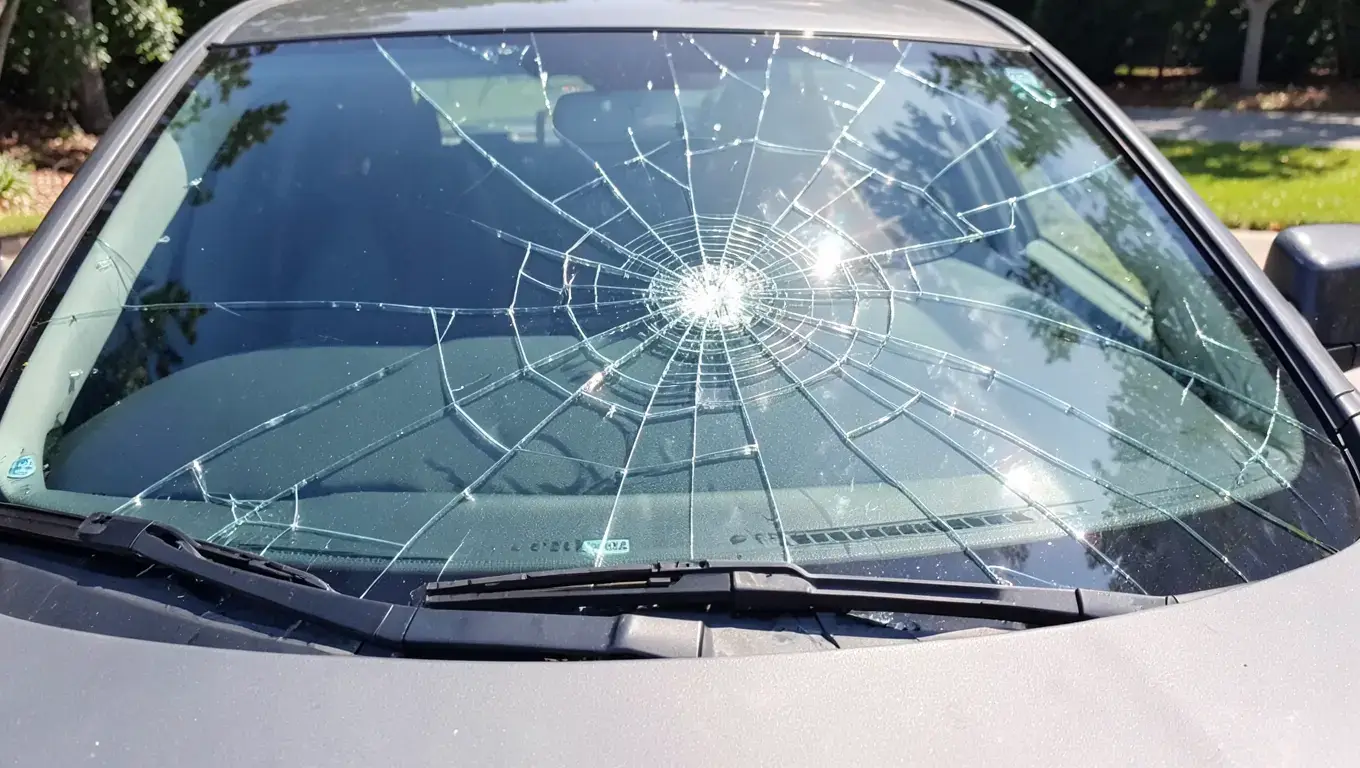
Does Car Insurance Cover Windshield Replacement? (2026 Guide)
Yes — car insurance typically covers windshield replacement, but only if you carry comprehensive coverage (or a separate glass endorsement), and only after any deductible you owe is paid.
A basic windshield replacement now averages around $450, but that figure can jump to $600–$1,500 if your car has a windshield-mounted camera for lane-keep assist or automatic braking, since that camera needs a professional recalibration after the new glass goes in — a step many drivers do not realize their insurer is supposed to help pay for.
This guide breaks down which coverage types actually pay for windshield work, which states legally require insurers to waive your deductible on glass claims, what a claim really does to your premium, and the exact criteria adjusters use to decide between a quick repair and a full replacement.
Which Car Insurance Covers Your Windshield?
Comprehensive coverage is what pays for most windshield damage. It covers non-collision events — rocks kicked up by another car, hail, falling branches, vandalism, and theft. If a stone cracks your glass while you’re driving down the highway, that’s a comprehensive claim. You’ll usually owe your deductible first, then the insurer covers the rest.
Collision coverage only applies if the windshield broke because you hit another vehicle or object — a tree, a pole, a guardrail. It does not cover a rock chip, hail, or a windshield that cracked from temperature swings.
Liability-only policies — the state-minimum coverage most drivers carry to stay legal — never pay for your own windshield, no matter how it broke. Liability only pays for damage you cause to someone else’s car or property.
FOR SMALL CHIPS BEFORE THEY CRACK
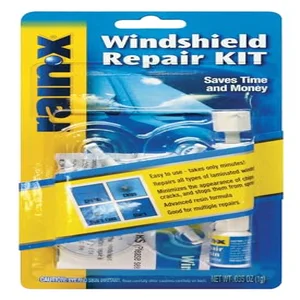 |
Rain-X Fix a Windshield DIY Repair Kit – $12.67 As this guide explains, insurers generally treat chips smaller than a quarter as a repair, not a replacement — this kit handles that exact situation before it spreads into a crack that forces a full claim.
|
Comprehensive Coverage vs. Full Glass Coverage
Standard comprehensive coverage includes windshield damage, but you’ll typically pay your regular comprehensive deductible first — often $100 to $500. Some insurers also sell a separate full glass coverage endorsement that waives the deductible entirely for windshield and window claims, usually for a small added premium.
Whether that endorsement exists — or is required by law — depends heavily on where you live.
| State Rule | States | What It Means |
|---|---|---|
| Mandatory $0 deductible | Florida, Kentucky, South Carolina | Insurers cannot charge any deductible on a windshield repair or replacement claim if you carry comprehensive coverage. |
| Optional $0-deductible add-on | Arizona, Connecticut, Massachusetts, Minnesota, New York | You can elect separate glass coverage with no deductible, usually for an extra premium — it is not automatic. |
| Everywhere else | All other states | Your standard comprehensive deductible applies to windshield claims unless your specific policy says otherwise. |
If you don’t live in one of those eight states, check your declarations page for a line item called “glass coverage,” “full glass,” or “safe glass” — insurers don’t always advertise it, and it’s often worth the extra few dollars a year if rock chips are common on your commute.
Windshield Repair or Replacement? How Insurers Decide
When a Repair Is Enough
Most insurers will approve a repair instead of a full replacement when the chip is smaller than a quarter, the crack is under three inches, and the damage sits outside the driver’s direct line of sight. A repair is faster, cheaper for the insurer, and many carriers waive the deductible completely for repairs — because a $60 repair now is cheaper for them than a $450+ replacement claim later.
When You Need a Full Replacement
A crack longer than three inches, multiple chips, or any damage directly in front of the driver almost always means replacement — a repair in that spot can leave distortion that impairs your view. Your regular deductible applies here unless you have a zero-deductible glass endorsement or live in one of the three mandatory-waiver states above.
What Windshield Replacement Really Costs in 2026
The single biggest cost variable most drivers miss is whether their windshield has an ADAS (Advanced Driver Assistance System) camera mounted behind it — used for lane-keep assist, automatic emergency braking, and adaptive cruise control on most vehicles built since the late 2010s. That camera has to be recalibrated after any windshield swap, or those safety systems can misread the road.
| Vehicle Type | Typical Glass + Labor Cost | ADAS Recalibration (If Equipped) | Total Range |
|---|---|---|---|
| Basic sedan, no ADAS camera | $250 – $450 | Not applicable | $250 – $450 |
| Mid-size car/SUV with ADAS camera | $350 – $600 | $150 – $300 (static) | $500 – $900 |
| Luxury vehicle or heads-up display | $500 – $900 | $150 – $600 (static, dynamic, or both) | $650 – $1,500 |
If your policy includes comprehensive coverage, the recalibration is typically bundled into the same claim as the glass — but confirm this with your insurer before booking a shop, since a handful of budget policies exclude calibration labor as a separate line item. Always ask the shop directly whether calibration is included in their quote or billed separately.
Will Filing a Windshield Claim Raise Your Premium?
Comprehensive claims — including windshield claims — are treated more leniently than at-fault collision claims, since they’re not considered your fault. Many insurers exclude standalone glass claims from a surcharge entirely, because a $200–$450 repair claim is inexpensive for them to pay compared to the cost of losing a customer over it. Others may add a modest amount, roughly in the $30–$70 range per six-month renewal, for a comprehensive claim on your record.
Ask your agent directly whether glass claims count against your comprehensive claims history before you file — the answer varies by insurer and by state, and it’s a five-minute phone call that can save you from a surprise at renewal.
How to File a Windshield Claim
- Photograph the damage clearly, including a wide shot showing where the crack or chip sits relative to the driver’s seat.
- Have your policy number, vehicle registration, and driver’s license ready before you call.
- Contact your insurance company or use their app to start a comprehensive claim — most windshield claims can be filed entirely online now.
- Ask directly whether your deductible is waived, and whether ADAS recalibration is covered as part of the same claim.
- Choose an approved glass shop (or use one from your insurer’s network) — an adjuster may or may not need to inspect the vehicle first, depending on the claim size.
- Keep your repair receipt and any calibration paperwork for your records.
Finding a Qualified Windshield Replacement Shop
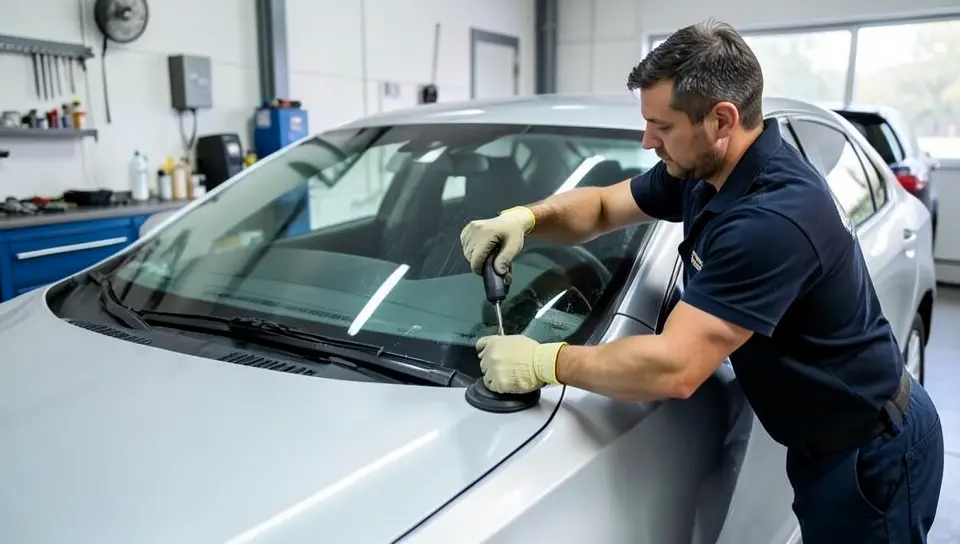
If your car has an ADAS camera, confirm the shop can perform the recalibration in-house — some smaller shops sublet that step to a dealership, which adds time and can complicate your claim. Ask whether they install OEM glass (made by the automaker’s original supplier) or aftermarket glass; OEM is usually optically clearer and a safer bet for cars with cameras or heads-up displays, though it costs more.
A reputable shop will offer a written warranty on the installation — typically covering leaks and stress cracks for as long as you own the vehicle — and will use certified technicians rather than subcontracted labor. Check recent reviews specifically for calibration accuracy if your car relies on lane-keep or automatic braking systems.
How to Prevent Windshield Damage
Leave more following distance behind gravel trucks and vehicles on freshly chip-sealed roads — most rock chips happen when following too closely at highway speed. Replace worn wiper blades before they scratch the glass, and address any small chip within a few days; temperature swings and road vibration can turn a repairable chip into a crack that requires full replacement.
A protective glass coating can also help. These treatments repel water for better visibility in rain and, in some formulations, block UV rays that degrade the glass and interior trim over time. They won’t stop a rock strike, but they reduce the wear that leads to stress cracking.
Frequently Asked Questions
How Do I Know If My Insurance Covers Windshield Replacement?
Check your declarations page for comprehensive coverage or a separate glass endorsement. If you’re not sure what you have, call your insurance provider directly and ask specifically about windshield and glass coverage, including your deductible amount for that type of claim.
Can I Get My Windshield Replaced for Free?
You can get a $0-deductible replacement if you live in Florida, Kentucky, or South Carolina and carry comprehensive coverage — those states legally require it. In Arizona, Connecticut, Massachusetts, Minnesota, and New York, you can add optional zero-deductible glass coverage. Everywhere else, your standard comprehensive deductible applies unless your specific policy waives it.
Is It Worth Using Insurance for a Cracked Windshield?
Usually, yes, if your deductible is lower than the repair or replacement cost, or if you live in a zero-deductible state. Compare your deductible against the roughly $250–$1,500 replacement range above — if your deductible is close to or higher than that cost, paying out of pocket may make more sense, especially since some insurers surcharge repeat comprehensive claims.
Will Insurance Pay for a New Windshield?
Yes, if you carry comprehensive coverage and the damage meets your insurer’s replacement criteria — typically a crack over three inches, damage in the driver’s line of sight, or multiple chips. You’ll pay your deductible first unless it’s waived by state law or a glass endorsement.
Does Insurance Cover ADAS Camera Recalibration After a Windshield Replacement?
Most comprehensive policies bundle the recalibration into the same windshield claim, since it’s required to keep safety features like automatic braking and lane-keep assist working correctly. A small number of budget policies exclude it as a separate line item, so confirm with your insurer and the repair shop before the work is booked.
Will a Windshield Claim Raise My Insurance Rate?
Often not by much, and many insurers exclude standalone glass claims from a surcharge entirely. When a rate increase does apply, it tends to be smaller than an at-fault collision surcharge — commonly in the $30–$70 range per six-month renewal — and it varies by insurer and state, so ask your agent before filing if you’re on the fence.
Conclusion
Comprehensive coverage is what pays for windshield replacement in most cases, but the details — your deductible, your state’s glass laws, and whether your car needs an ADAS recalibration — determine what you’ll actually pay out of pocket. Check your declarations page, ask your insurer the specific questions above, and compare the cost against your deductible before deciding whether to file.
A small chip today is a cheap, often deductible-free repair. Left alone, it can turn into a full replacement that costs hundreds more and takes your car off the road for a day. Address it early, and know your coverage before you need it.
Products related to this article
Sponsored / affiliate links. As an Amazon Associate I earn from qualifying purchases. I may earn additional commission from eligible campaigns.