3 Best Car Tool Kits for Emergencies: We Compared
The best car tool kits for emergencies match the failure you are most likely to face: a jump starter for a dead battery, a tire kit for a flat, and a winter kit for a long roadside wait. Buy the wrong kit and you can still be stranded, unsafe, or calling for help anyway. This guide compares three compact picks by dead-battery, flat-tire, and winter-roadside use so you can choose the right one fast.
Quick comparison
| Product | Badge | Best for | Price | ||
|---|---|---|---|---|---|
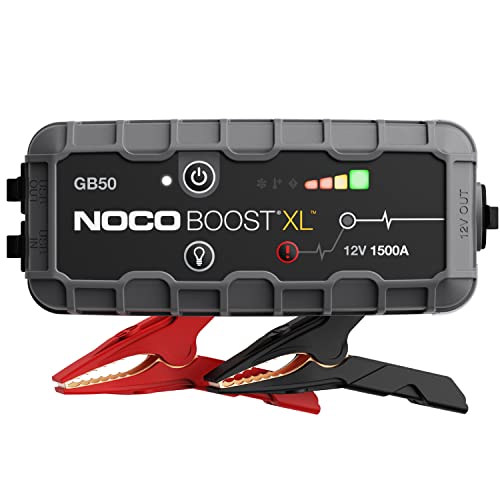 |
NOCO Boost GB50 1500A UltraSafe Jump Starter, 12V LithiumNOCO | Our pick | 1500A · Spark-Proof · 7.0L Gas | $149.95
Price as of 22 Oct 2026
|
View |
 |
MICHELIN Tire Inflator, Portable Air Compressor, 150 PSIMICHELIN | Also great | 150 PSI · 5200mAh · LED Screen | $69.97
Price as of 22 Oct 2026
|
View |
 |
AUTOWN Flat Tire Repair Kit 68pcs, Heavy Duty Tire Plug KitAUTOWN | Budget pick | 68 Pcs · Heavy Duty · Universal | $19.79
Price as of 22 Oct 2026
|
View |
 |
Slime 10011 Flat Tire Puncture Repair Sealant, EmergencySlime | Pair with it | 16 oz · Non-Toxic · 1/4" Repair | $10.98
Price as of 22 Oct 2026
|
View |
The main trade-off is plain. One kit leans toward tire repair, one toward air inflation, and one toward dead-battery starts. If you want the fastest decision, start with the failure you are most likely to face and then check what each kit still leaves for you to add.
That matters because a compressor cannot help much if the car battery is dead, and a plug kit only helps certain tread punctures, not sidewall damage. The best buy is the one that fits your car, your climate, and the problem you are most likely to meet on the shoulder.
How we chose
These three picks were selected for different roadside jobs, not for item count alone. The main filters were cable quality, inflation support, first-aid and visibility gear, case design, and whether the kit covers repair work or only helps you wait safely.
We also weighed the most common emergency types: dead battery, slow leak or flat tire, night breakdown, winter delay, and minor injury. Price mattered, but only after use case.
For each kit, the question was whether it gives you a clear path to a safer next step. That means a tool you can use right away, plus the smallest practical add-ons needed to close the gap.
Car tool kits matrix
This matrix is the decision tool the average comparison page skips. It shows what each kit covers in a real emergency, what it misses, and what you still need to buy separately.
| Failure case | AUTOWN flat tire repair kit | MICHELIN tire inflator | NOCO Boost GB50 jump starter |
|---|---|---|---|
| Dead battery | Covers: little to none for starting the car; the case gives you tire repair tools only. Lacks: jump-start power. Add-ons: a jump starter and, for night work, a flashlight. | Covers: nothing for starting a dead car, though it can top up a tire after power returns. Lacks: battery rescue. Add-ons: jumper cables or a jump starter, plus warning triangles. | Covers: dead-battery starts, 12V roadside boost, and a built-in LED light. Lacks: tire repair and inflation. Add-ons: a tire plug kit and a pressure gauge. |
| Slow leak or flat tire | Covers: puncture repair tools for certain tread holes; best for plug-style roadside fixes. Lacks: inflation and a pressure readout. Add-ons: a tire inflator and a gauge. | Covers: reinflation after a slow leak and after a proper tire repair. Lacks: patch or plug tools. Add-ons: a plug kit and a gauge; use a tow service for sidewall damage. | Covers: nothing directly for the tire itself. Lacks: plug tools and inflation. Add-ons: a compressor and a plug kit if you want a self-contained flat response. |
| Night breakdown | Covers: organized tire tools in a case, which helps you reach the right item faster. Lacks: light and signaling gear. Add-ons: flashlight, reflective triangle, gloves. | Covers: a lit screen and cordless inflation, which helps once you are already visible and safe. Lacks: strong signaling and repair tools. Add-ons: vest or triangle, flashlight. | Covers: integrated 200-lumen LED flashlight and a compact jump function. Lacks: tire work tools and high-visibility signaling. Add-ons: triangle or vest, and a tire repair kit. |
| Winter stuck in snow | Covers: hand tools that may help with small adjustments or digging around a wheel. Lacks: cold-weather survival gear. Add-ons: folding shovel, emergency blanket, ice scraper, snow brush. | Covers: pressure correction if cold weather dropped tire pressure. Lacks: traction and warmth. Add-ons: blanket, shovel, scraper; a compressor is useful only if the car battery still has power. | Covers: battery rescue if cold weather drained the starter battery. Lacks: traction tools and warmth. Add-ons: shovel, blanket, scraper, and a reflective vest for low-visibility conditions. |
| Minor injury | Covers: basic roadside hand tools only; no medical kit is listed as a strong point. Lacks: bandages, gauze, antiseptic pads, scissors, tweezers. Add-ons: a separate first aid kit and nitrile gloves. | Covers: no meaningful injury care. Lacks: medical supplies. Add-ons: first aid kit and scissors; keep a whistle and gloves with it. | Covers: flashlight use while treating a cut or scrape. Lacks: first aid contents. Add-ons: bandages, gauze, antiseptic pads, tweezers, and a seatbelt cutter if you want extra safety gear. |
Say your sedan gets a slow leak at dusk and the tire pressure warning light comes on after a 20-mile commute. A plug kit and gauge can solve a tread puncture, but they do nothing for a torn sidewall. In that case, towing is safer than trying to seal the tire.
Suppose a battery dies in a parking lot after a cold snap. A compressor can still be useful later, but it will not restart the car without power. That is why dead-battery kits need jump capability first, not inflation gear.
AUTOWN flat tire repair kit: best for tire repairs
AUTOWN is the best fit if your main worry is a puncture and you want the most complete repair-oriented kit of the three. It is listed at $19.79 and includes 68 pieces, with a T-handle and spiral probe tool for puncture repair work.
Its main strength is simple: it is the only pick here built around plugging a tire, not just inflating it or starting a dead car. That makes it the strongest choice for drivers who want to repair a tread puncture long enough to reach a shop.
The drawback is obvious. It does not solve a dead battery, and it does not include the visibility, warmth, or medical gear that matter during a longer roadside delay. You should pair it with a tire pressure gauge, a flashlight, and a compact first aid kit.
What it includes
The product data points to a 68-piece repair set with heavy-duty steel components, a T-handle, and a spiral probe tool. That is enough to make this more than a basic glovebox filler. It is a true repair-first kit, not a token add-on set.
Where it is strongest
This kit is most useful for certain tread punctures where a plug-style repair is appropriate. That is the key limitation to remember. It is not for sidewall damage, and it is not a substitute for a shop repair when the hole is too large or the tire is compromised in a different area.
What it misses
It misses the survival side of roadside kit design. There is no jump-start gear, no compressor, and no winter bundle here. If you buy this kit, you are buying repair tools first and should plan the rest separately.
MICHELIN tire inflator: best for flats
MICHELIN is the better pick if you want a compact way to correct tire pressure and keep a slow leak from becoming a roadside stop. It costs $69.97 and uses a 5200mAh dual-battery setup, with an LED screen and auto shut-off to stop at a preset pressure.
Its value is in convenience and repeat use. It can reach up to 150 PSI, so it is aimed at car and motorcycle inflation jobs, not just emergency top-offs. The auto shut-off feature also helps keep inflation from running past the target.
The drawback is power dependence. A compressor like this is helpful after a tire repair or for topping up a low tire, but it does not fix punctures and it will not help if the car battery is dead and the unit cannot be powered as needed. Add a plug kit, a gauge, and warning gear if you want a fuller roadside setup.
What it covers
This is the best pick for inflation work, not repair. It can help restore pressure after a small leak, after temperature swings, or after a plug repair. The preset shut-off also matters because overinflation is easy to avoid when the unit stops on its own.
What it lacks
It lacks puncture repair tools, first aid contents, and strong roadside signaling. It is also not the right answer for a battery dead enough that the vehicle cannot support accessory power. That limitation matters more than many shopping pages admit.
When it works best
It is most useful when a tire is simply low and the car still has enough power for accessories or charging. It is also a strong choice for drivers who want one device that can handle routine pressure maintenance between shop visits.
Picture a hatchback with one tire that has drifted from 35 PSI to the low 20s on a cold morning. A compressor with auto shut-off can get that tire back into range fast. If the tire has a puncture, though, inflation alone only buys time.
NOCO Boost GB50 jump starter: best for dead batteries
NOCO is the clear pick if your most likely emergency is a dead battery. It is listed at about $149.95, delivers about 1500A of peak lithium power, and is listed for engines up to roughly 7.0L gas and 4.5L diesel. It also adds a 200-lumen LED flashlight and a power bank function.
The strongest part of this kit is safety. The product data highlights spark-proof and reverse polarity protection, which helps reduce connection mistakes. For dead-battery starts, that matters as much as raw output because the first job is getting the clamps on correctly.
The drawback is that it is a rescue tool, not a complete roadside kit. It does not repair a flat tire, and it does not replace a winter pack, a first aid kit, or a reflective triangle. If you buy this, pair it with tire tools and visibility gear.
What stands out
This is the most direct answer to the dead-battery problem. The built-in flashlight helps during a night jump, and the power bank function gives it extra utility if your phone is running low while you wait for help.
Power limits
It only solves the starting problem. If the issue is a damaged tire, a broken valve stem, or a car stuck in snow, the jump starter does not fix the root cause. It is also not the right tool for inflation work.
Best add-ons
To close the gap, add a tire inflator, a plug kit for certain tread punctures, and a reflective triangle or vest. For winter use, add an emergency blanket, gloves, and a folding shovel.
Choose AUTOWN if… / Choose NOCO if…
Choose AUTOWN if your biggest roadside fear is a puncture, you want a low-cost repair kit, and you are willing to add your own light, medical, and winter gear. It is also the better pick if you want the smallest purchase that directly supports a tire plug repair.
Choose NOCO if dead batteries are more likely than flats, if you park outdoors in cold weather, or if you want a jump starter with its own flashlight. It is the better pick for drivers who want one device that can actually restart the car, not just support the wait.
Choose neither alone if you want full coverage. A complete roadside setup still needs a first aid kit, warning triangle or vest, and winter items if you drive in cold climates. That is why the right answer depends on the failure you are planning around.
Which one should you buy?
If budget is the main issue, start with AUTOWN. At $19.79, it is the least expensive way to add real repair tools to the trunk. If you already have a charger, flashlight, and first aid kit, it is the easiest gap to fill.
If you want the best winter-driving answer, choose NOCO and add cold-weather gear. A dead battery is one of the most common cold-weather failures, and a jump starter is more useful than a compressor when the car will not start at all.
If you want a hard case and better organization, AUTOWN is the more logical buy among these three because it is built as a boxed repair set. If you want the fewest separate purchases, NOCO gets you the most useful single emergency function plus a flashlight.
For drivers who want a tire-focused setup, MICHELIN makes sense as the inflation piece, but it is not enough by itself. It is the middle ground: more capable than a basic plug kit in some cases, less complete than a jump starter for battery failures.
What should be in a car tool kit for emergencies?
Start with the basics that solve the most common roadside problems: jumper cables or a jump starter, a reflective warning device, a flashlight, first aid items, and basic hand tools. Add a tire gauge, a way to inflate a tire, gloves, and winter gear if your climate calls for it.
Are prebuilt emergency kits better than assembling my own?
Prebuilt kits are better when you want speed and organization, while a custom kit is better when you want exact control over quality. Most prebuilt kits are thin on medical supplies, winter gear, and real tire repair tools, so many drivers end up adding items anyway.
Which car emergency kit has the best jumper cables?
Among the three picks here, NOCO is the strongest battery-rescue option because it is a jump starter rather than a cable set. For cable-based kits, buyers should look for 8-gauge or thicker cable, 10- to 12-foot length, strong insulated clamps, and enough flexibility to reach a dead battery safely.
Do car emergency kits need an air compressor?
Not every kit needs one, but many drivers should carry one if they want to handle slow leaks and top-offs without calling for help. A compressor is only useful when the car has power and the tire is repairable; it does not replace a plug kit or fix sidewall damage.
What is the best emergency kit for winter driving?
The best winter setup combines battery rescue, visibility, warmth, and traction help. For that reason, NOCO is the strongest single pick here, but it still needs add-ons: an emergency blanket, ice scraper, snow brush, folding shovel, gloves, and a warning triangle or vest.
How much should I spend on a car emergency kit?
For a basic roadside setup, a modest budget can cover a repair or inflation tool plus a few extras. The right spend depends on what failure you are covering. A cheaper kit can be fine if you already own gloves, a flashlight, and a first aid kit.
What tools are most useful for a roadside breakdown?
The most useful tools are the ones that address the actual failure: jump starter or cables for dead batteries, plug kit and gauge for certain tread punctures, compressor for reinflation, and a flashlight with a reflective warning device. Pliers, screwdrivers, socket tools, tape, and a utility knife help with smaller fixes.
What is missing from most car emergency kits?
Most kits are short on first aid supplies, winter gear, and real tire repair coverage. Many also skip a hard case, which matters when you need to find one item fast in the dark. Add bandages, gauze, antiseptic pads, gloves, a blanket, and a triangle or vest.
Products related to this article
Sponsored / affiliate links. As an Amazon Associate I earn from qualifying purchases. I may earn additional commission from eligible campaigns.